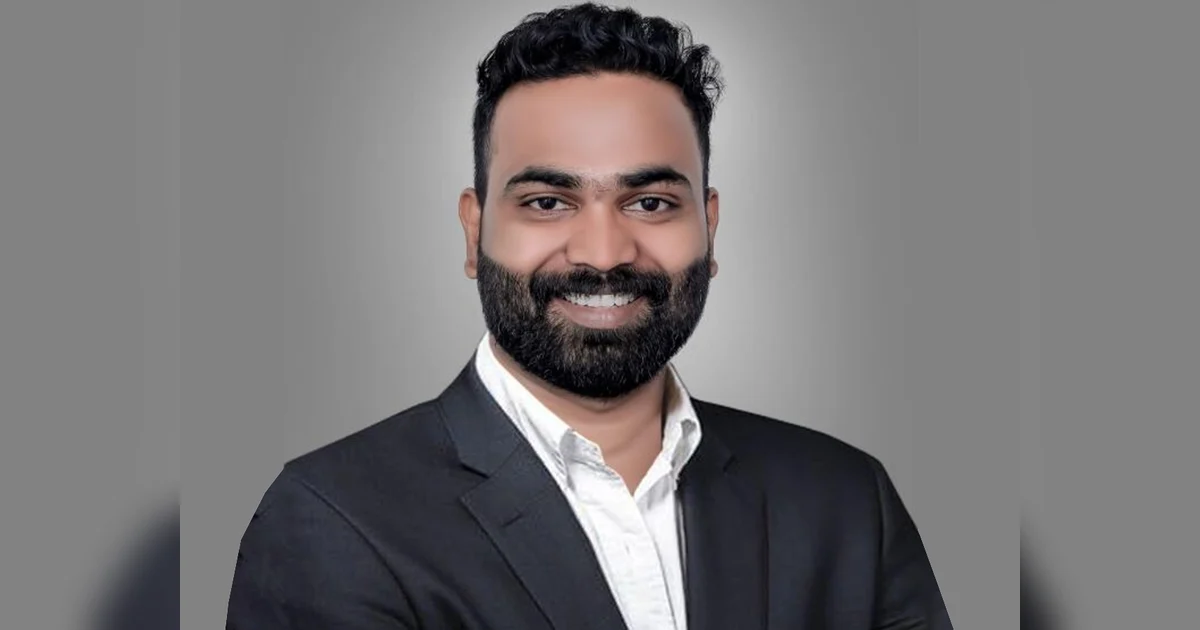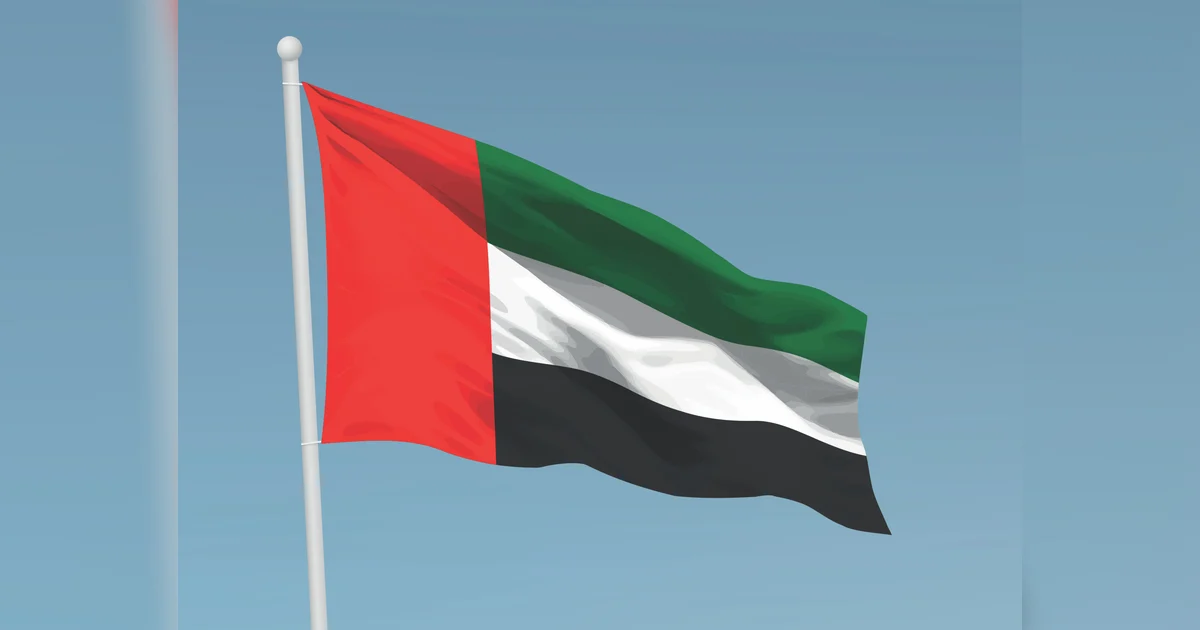
Wio Bank has unveiled Wio Family, the UAE’s first fully shared banking platform, designed to help households manage finances collectively. Launched ahead of the UAE’s Year of the Family, the service allows two primary account holders, termed ‘Family Leads,’ to open a shared account and invite family members, including children, teenagers, and relatives, to join. The platform offers tools for shared spending, saving, and budgeting, providing families with greater financial clarity and control. Virtual cards and permission settings enable Family Leads to set spending limits, track transactions, and manage access for each member through a single dashboard. For children aged 8 to 17, dedicated ‘Pockets’ with spending caps and saving features are available to teach money management. Families maintaining a minimum balance of Dh35,000 can access all benefits free of charge; otherwise, a monthly fee of Dh49 applies. Jayesh Patel, CEO of Wio Bank, emphasized the platform’s focus on treating money as a shared resource, offering families ‘clarity, flexibility, and control.’ CMO Amina Taher highlighted the platform’s role in helping families save for joint goals such as homes, education, or weddings, bringing everyone together for shared financial success.
分类: business
-

Billionaire Lakshmi Mittal relocating to Dubai amid UK tax reforms, says report
Indian steel magnate Lakshmi Mittal, one of the world’s wealthiest individuals, is reportedly relocating from the UK to Dubai. This move comes as the UK’s Labour government introduces significant tax reforms targeting high-net-worth individuals. Mittal, who has been a long-term resident of London and ranks eighth on the UK rich list, is the latest in a growing trend of ultra-wealthy individuals seeking more favorable tax environments. According to The Sunday Times, Mittal’s decision is driven by concerns over inheritance tax and other fiscal changes. The billionaire, with a net worth of $20 billion as of October 2025, already owns a lavish mansion in Dubai and has recently acquired substantial properties on Naia Island, a new ultra-luxury development near Jumeirah. The UK’s recent tax adjustments, including increased capital gains tax and reduced relief for entrepreneurs, have raised alarms among the global elite. Meanwhile, Dubai’s zero income tax, capital gains tax, and inheritance tax policies, coupled with its political stability and cosmopolitan lifestyle, have solidified its status as a premier destination for the ultra-rich. The UAE’s Golden Visa program, offering long-term residency through real estate investment, further enhances its appeal. As Dubai’s luxury real estate market thrives, the city is emerging as a hub for intergenerational wealth creation and preservation.
-

Companies tone down price hike talk as tariff fog clears
In a notable shift, global companies have significantly reduced their announcements of price hikes in the third quarter of 2025, as clarity on long-term tariff strategies begins to emerge. According to a Reuters analysis of corporate earnings calls and statements, only 28 companies explicitly mentioned raising prices, a sharp decline from 51 in the second quarter and nearly 90 in the first quarter. This trend reflects a cautious approach by businesses navigating the complexities of U.S. trade policies and consumer spending slowdowns. The reduction in tariff-related price hikes coincides with new trade deals that have alleviated some of the financial pressures caused by the Trump-era trade war, which had driven U.S. import tariffs to their highest levels since the 1930s. Market intelligence platform AlphaSense reported a 68% drop in mentions of tariff-related price increases between the first and third quarters. Companies like Walmart have shifted focus to price cuts and discounts to attract cash-strapped consumers, particularly as the holiday shopping season approaches. Retailers and fast-food chains, including Target, McDonald’s, and Yum Brands, have introduced cheaper meal bundles and limited-time offers to counter declining demand among lower-income households. Meanwhile, industrial and consumer sectors have led pricing actions, with many firms absorbing tariff costs or sharing the burden with suppliers. Companies such as Rockwell Automation and Fictiv emphasize the importance of understanding the long-term tariff strategy before making significant pricing adjustments. This cautious approach highlights the ongoing uncertainty in global trade and the delicate balance businesses must strike between maintaining competitiveness and managing costs.
-

Hub71 and UAE–India Cepa Council forge strategic partnership
In a landmark move to bolster innovation and economic collaboration, Hub71, Abu Dhabi’s premier global tech ecosystem, has entered into a strategic partnership with the UAE–India Cepa Council. This alliance, forged under the UAE–India Comprehensive Economic Partnership Agreement (Cepa), aims to accelerate trade, investment, and innovation between the two nations. The agreement was formalized during the Abu Dhabi Investment Forum (ADIF) in Mumbai, marking a significant step in operationalizing the innovation agenda of the Cepa.
The partnership will facilitate a seamless pathway for high-potential Indian start-ups to enter, validate, and scale their operations in Abu Dhabi. As part of this initiative, Hub71 will support the UAE–India Cepa Council’s flagship Start-Up Series by offering structured market-entry assistance. Five winning start-ups from the Series, which culminates in New Delhi on November 25, 2025, will join Hub71’s Immersion Programme in 2026. This newly launched programme is designed to expedite market entry through a combination of virtual onboarding and in-person sessions in Abu Dhabi, complemented by curated knowledge sessions, mentorship, and access to Abu Dhabi’s tech ecosystem.
Among the five start-ups, one will be selected to join Hub71’s Access programme, which provides tailored soft-landing support, enabling founders to explore market opportunities, engage with key stakeholders, and identify sustainable growth pathways across the region. The partnership underscores the shared ambition of the UAE and India to build a dynamic, interconnected start-up corridor that drives investment, technology exchange, and economic growth.
Abdulnasser Alshaali, UAE Ambassador to India, emphasized the transformative potential of the Cepa, stating, ‘Innovation lies at the heart of this partnership, and the Start-Up Series showcases the depth of talent emerging from India. This collaboration with Hub71 strengthens our commitment to providing world-class platforms for founders to scale globally.’
Ahmad Ali Alwan, CEO of Hub71, highlighted the initiative’s role in bridging innovation hubs and high-growth markets, while Ahmed Aljneibi, Director of the UAE-India Cepa Council, emphasized the tangible benefits for Indian founders and the broader economic impact of this collaboration.
Since its inception in June 2025, the UAE-India Start-Up Series has attracted over 10,000 applications, reflecting strong demand for UAE expansion. The alignment of applicants with Hub71’s priority sectors—FinTech, HealthTech, AgriTech, mobility, and advanced technologies—demonstrates the strategic synergy between India’s innovation strengths and Abu Dhabi’s sector-focused agenda. This partnership not only streamlines market entry but also unlocks new investment flows, fostering a robust innovation corridor between the two economies.
The agreement also establishes a framework for cross-referring high-impact start-ups, enabling soft landings in both Abu Dhabi and India. Referred founders will receive comprehensive support, including company setup, regulatory facilitation, mentorship, and access to investors and partners. Eligible start-ups may also benefit from grants, incentive programmes, and scaling opportunities, further enhancing the UAE-India innovation ecosystem.
This collaboration is part of Hub71’s broader mission to position Abu Dhabi as a global launchpad for start-ups, fostering cross-border initiatives that translate bilateral cooperation into measurable technological and economic outcomes.
-

Video: Witnesses share final moments of Dubai Airshow jet crash to ‘aid investigation’
The Dubai Airshow, a global aviation spectacle, was marred by tragedy when a Tejas jet crashed during a display, resulting in the death of Wing Commander Namansh Syal, a highly skilled pilot from the Indian Air Force. Syal, a member of the No. 45 Squadron, the Flying Daggers, based at Sulur Air Base, was renowned for his exceptional flying skills, having captivated audiences at Aero India and numerous national airshows. The fatal incident occurred during an eight-minute aerial stunt when the jet nosedived, casting a somber shadow over the event and leading to a two-hour suspension of other displays. Witnesses have since shared videos of the final moments on social media, hoping to aid the investigation and pay tribute to the fallen pilot. Among them is Abdur Rahim, an ex-journalist turned plane videographer, who decided to post the footage publicly, believing it could assist in the inquiry. Dubai-based photographer Asif Ali also shared stunning images of the HAL Tejas LA-5026, highlighting the pilot’s incredible skill and confidence. The crash has left the aviation community in mourning, with many remembering Syal’s quiet confidence and professionalism. The incident underscores the inherent risks of aerial displays and the bravery of those who perform them.
-

Stablecoins could siphon off euro zone bank deposits, ECB warns
The European Central Bank (ECB) has issued a stark warning about the growing influence of stablecoins, highlighting their potential to disrupt the financial stability of the euro zone. Stablecoins, digital assets designed to maintain a stable value, have surged in popularity, with their market value now exceeding $280 billion. While this figure remains relatively modest, the ECB emphasized that issuers of these coins have become significant buyers of U.S. Treasuries, raising concerns about their broader impact on global financial markets. In a recent Financial Stability Review article, the ECB noted that stablecoins are primarily used for trading crypto assets, accounting for approximately 80% of all transactions on centralized crypto trading platforms. The central bank warned that the rapid expansion of stablecoins could lead to significant outflows of retail deposits from euro zone banks, undermining a crucial funding source and increasing overall funding volatility. The ECB also highlighted the risk of investor runs on stablecoins, particularly given that the two largest stablecoins are among the top holders of U.S. Treasury bills. A sudden sell-off of these reserve assets could destabilize U.S. Treasury markets, with potential ripple effects on the euro zone. Additionally, the ECB cautioned that joint issuance of stablecoins by EU and non-EU entities could exacerbate redemption risks, as EU regulations are stricter and investors may prefer EU-issued tokens. This could leave EU issuers with insufficient reserve assets to meet combined redemption demands, amplifying financial instability within the region.
-

Etihad Airways to increase seats on route to Tokyo with new A380 service
Etihad Airways has unveiled plans to introduce its Airbus A380 aircraft on its route to Narita, Tokyo, starting June 16, 2026. This strategic move aims to cater to the surging demand for travel between the UAE and Japan, particularly during the peak summer season. The double-decker aircraft will operate flights between Zayed Abu Dhabi International Airport (AUH) and Narita International Airport (NRT), offering passengers enhanced capacity and a premium travel experience. The A380, renowned for its spaciousness and luxury amenities, including the world’s only three-room suite in the sky, will join Etihad’s existing A380 network, which currently serves London, Paris, Toronto, and Singapore. Arik De, Chief Revenue and Commercial Officer at Etihad Airways, emphasized the significance of this expansion, stating, ‘The A380 is ideally suited to this route, given the robust business and cultural ties between the UAE and Japan. This initiative reflects our commitment to meeting customer demand and enhancing connectivity.’ The increased capacity is expected to attract more Japanese travelers to Abu Dhabi, whether as a stopover or a destination in its own right, further strengthening bilateral tourism and economic relations.
-

UAE flights: Air Arabia launches non-stop Sharjah–London service
Sharjah-based budget airline Air Arabia has announced the launch of a new non-stop flight service connecting Sharjah International Airport to London Gatwick, set to commence on March 29, 2026. The service will operate twice daily, offering travelers enhanced connectivity and convenience between the United Arab Emirates (UAE) and the United Kingdom (UK). This strategic move underscores Air Arabia’s commitment to expanding its global network and strengthening its presence as a key player in the aviation industry. Adel Al Ali, Group CEO of Air Arabia, emphasized that the new route represents a significant milestone in the airline’s growth journey, providing customers with affordable and reliable travel options for both business and leisure purposes. Jonathan Pollard, Chief Commercial Officer at London Gatwick, highlighted the growing demand for Middle Eastern destinations and welcomed Air Arabia’s addition to the airport’s roster of carriers. The launch aligns with London Gatwick’s recent expansion, including the government-approved routine use of its Northern Runway, further enhancing its operational capacity.
-

Global Investors Forum 2025: A strategic platform connecting the GCC with Eurasia through a unified investment ecosystem
The Global Investors Forum (GIF) 2025, set to take place in Tbilisi, Georgia, from December 4 to 5, 2025, is poised to become a landmark event in the global economic landscape. This premier investment platform will bring together over 1,500 participants, including 70 institutional investors, 50 international speakers, and delegations from more than 40 countries. The forum aims to foster collaboration between the Gulf Cooperation Council (GCC) countries and Eurasia through a unified investment ecosystem, focusing on key sectors such as sustainability, technology, tourism, digital assets, real estate, and agricultural technology. Organized in partnership with EurAsia Gulf and AGI Holding, and supported by the International Chamber of Commerce (ICC) and the Embassy of Georgia to the UAE, GIF 2025 will feature high-level panel discussions, investment showcases, and business matchmaking sessions. The event will also witness the signing of strategic Memoranda of Understanding (MoUs) between government and private investment institutions, aimed at creating cross-border financing channels in vital sectors like clean energy, sustainable technologies, and digital agriculture. Notable participants include Dr. Abdullah Belhaif Al Nuaimi, Chairman of the Sharjah Consultative Council (UAE), Dr. Taysir Al Khunaizi, Partner and Deputy CEO of the Georgia Saudi Investment Corporation, and Dr. Sadeddine Mneimne, Chairman of AGI Holding and Founder of the Global Investors Forum. The forum will also feature global leaders such as Aref bin Ali Al Abbar, President of the Hobbies Club in the UAE, and Arif Anis, an internationally recognized leadership expert. The event is expected to yield major investment agreements valued at hundreds of millions of dollars, with a strong emphasis on advancing green projects and financing innovation in renewable energy and digital infrastructure. The forum represents a significant step forward in advancing international cooperation between emerging markets and global investors, reinforcing the importance of economic collaboration in connecting the Middle East with Europe and Central Asia.
-

470 new residents, only 150 homes a day: Dubai’s population outpaces supply
Dubai is grappling with a significant housing crisis as its population growth continues to outstrip the supply of new residential units. According to the Dubai Data and Statistics Establishment, the emirate’s population surged by 17,660 in just one month, reaching 4.04 million by mid-November 2025. This influx of expatriates, professionals, and investors has created a demand for approximately 150 new homes daily, yet only 7,800 units were delivered in the third quarter of 2025, with another 14,900 expected in the fourth quarter. This annual total of 44,000 units falls short of the housing needs generated by the city’s rapid population growth.
Experts warn that this imbalance is likely to persist for the next three to four years, driving up property prices and rentals. Ghassan Saliba, CEO of Stage Properties, emphasized that even the units currently being sold or released are insufficient to meet demand. He noted that the city’s infrastructure, including roads and bridges, is also under strain due to the growing population.
To address the housing shortage, Dubai announced in March 2025 the allocation of land to develop over 17,000 affordable units across the emirate. Additionally, the government introduced initiatives such as the First-Time Home Buyer Programme, which offers eligible residents priority on new launches, preferential pricing, and easier mortgage pathways for homes valued up to Dh5 million.
Despite these efforts, concerns remain about the long-term sustainability of Dubai’s housing market. The Dubai 2040 Urban Master Plan aims to increase the city’s population to 5.8 million by 2040, requiring an estimated 128,000 new residents annually. However, with current housing delivery rates at only half of what is needed, there is a risk that new residents and potential buyers may be priced out of the market, potentially limiting population growth in the future.