分类: business

  • Hubei’s eco resources help to build industries

    Hubei’s eco resources help to build industries

    Central China’s Hubei Province is pioneering an innovative economic transformation by converting its ecological treasures into sustainable industrial development along the Yangtze River Economic Belt. This strategic initiative demonstrates the practical implementation of China’s ‘two mountains’ concept that recognizes lucid waters and lush mountains as invaluable economic assets.

    In Shiyan city, the pristine Danjiangkou Reservoir—primary water source for the South-to-North Water Diversion Project—has evolved into the foundation of a burgeoning beverage industry. Under the premium ‘Wudang Mountain Water’ brand, the region has attracted 72 prominent beverage companies including Nongfu Spring and PepsiCo. This cluster has developed a comprehensive industrial chain encompassing drinking water, tea beverages, fruit juices and beer, collectively generating over 100 billion yuan ($14.32 billion) in output value.

    Beijing Yiqing Food’s industrial park in Danjiangkou exemplifies this sustainable approach. The company utilizes fully automated production lines to create beverages that incorporate local resources while implementing advanced environmental protections. Their operations include dedicated sewage treatment facilities, conversion of waste residue into organic fertilizer, and adoption of photovoltaic energy systems, creating a circular economy that benefits both production and ecological conservation.

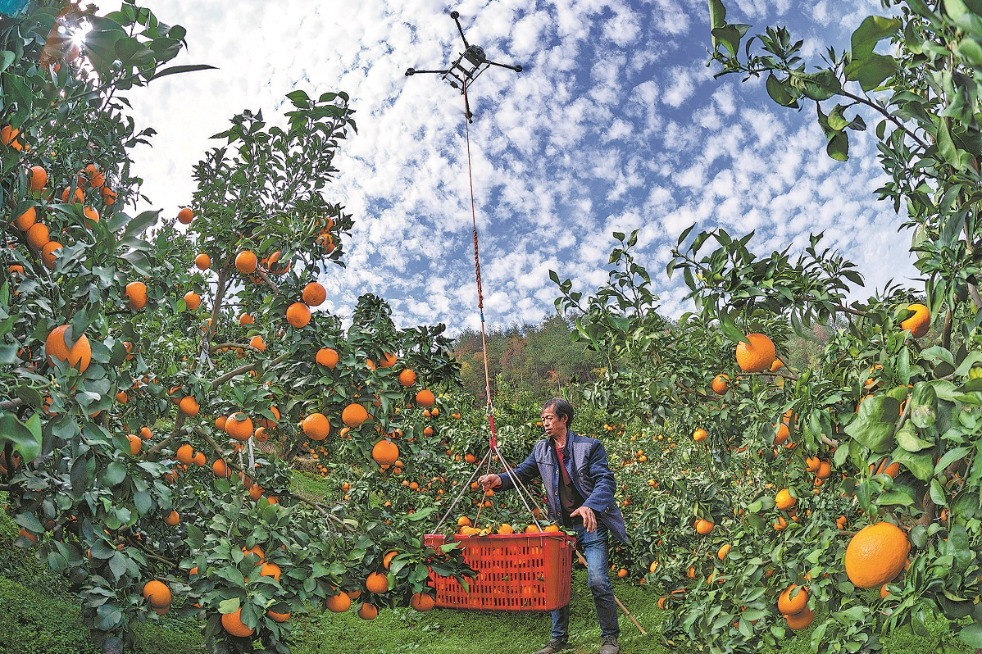
    Further downstream in Zigui county, technological innovation is revolutionizing the citrus industry. Farmers like Guo Xingcheng have transformed traditional agricultural practices through drone technology. What previously required thirty minutes of manual labor now takes merely sixty seconds with drone-assisted harvesting. The county has developed an intelligent sorting system that categorizes oranges by size, moisture content and sugar levels, supported by an extensive cold chain logistics network that extends shelf life to several months.

    The ‘Zigui Navel Orange’ geographical indication brand now represents an industry spanning 26,667 hectares with annual output exceeding one million tons and comprehensive value approaching 20 billion yuan. Over 70% of local residents participate in orange-related industries, sustaining livelihoods for approximately 260,000 people while creating new professional roles in drone operation and e-commerce.

    In Shennongjia, renowned for its 91.1% forest coverage, authorities have developed financial innovations to monetize ecological value. The region’s annual carbon absorption capacity of 1.0968 million tons has been leveraged through carbon sink loans and ecological financing mechanisms. By August 2024, Shennongjia had issued approximately 120 million yuan in carbon sink loans, including 18.4 million yuan in carbon forest loans to two enterprises using afforestation carbon sink income as repayment collateral.

    These diverse initiatives—from water-based industries to agricultural modernization and carbon finance—collectively contributed to Hubei’s ecological product value exceeding 1.2 trillion yuan in 2024. The added value of green industries now constitutes 25.6% of the province’s GDP, demonstrating the successful integration of environmental conservation and economic development.
  • ASX flat as Rio Tinto-Glencore merger talks, falling banks weigh on market

    ASX flat as Rio Tinto-Glencore merger talks, falling banks weigh on market

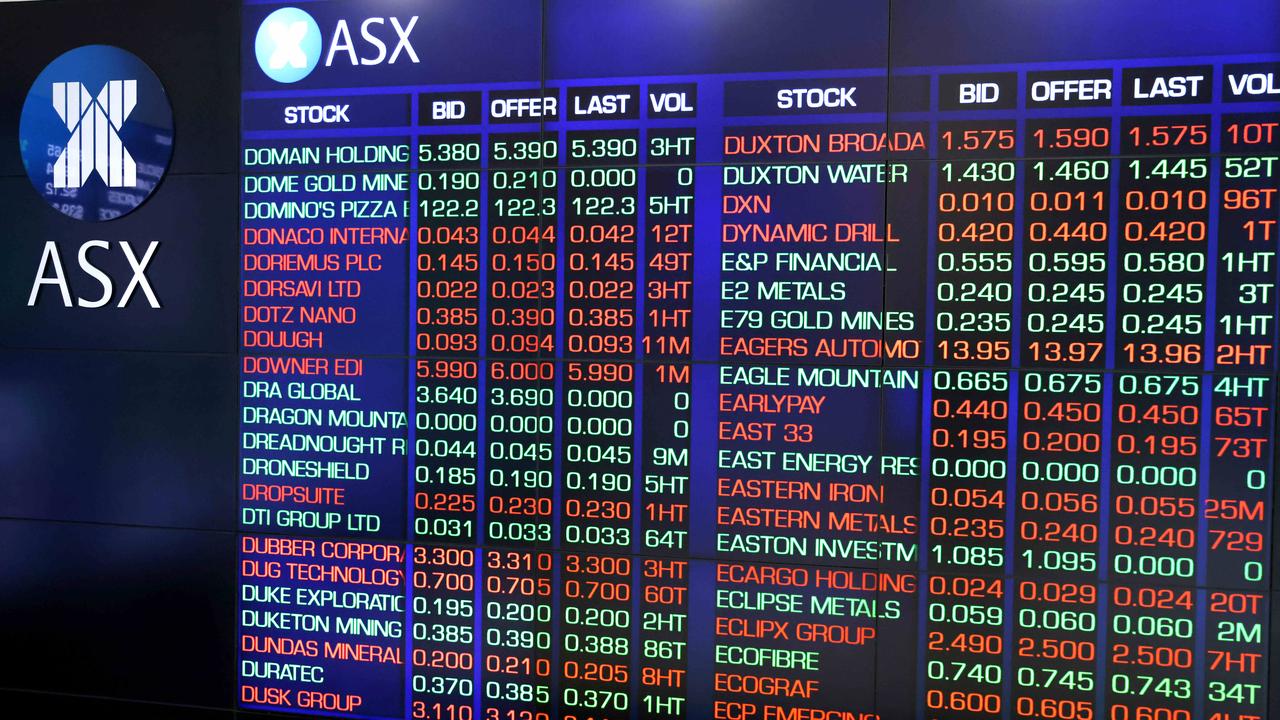
    The Australian equity market concluded Friday’s session with minimal movement, showcasing a tense equilibrium between surging energy stocks and downward pressure from financial and mining sectors. The benchmark S&P/ASX 200 index experienced a marginal decline of 3 points, settling at 8,717.80, while the broader All Ordinaries index also remained virtually unchanged, dipping a mere 0.60 points to 9,045.90. The Australian dollar witnessed a slight depreciation, closing at 66.94 US cents.

    Market dynamics revealed a sectoral split, with five sectors advancing and six retreating. The energy sector emerged as the standout performer, propelled by a consecutive two-day rally in Brent crude futures, which climbed back above $92 per barrel. This bullish sentiment fueled significant gains for industry leaders: Woodside Energy ascended 2.79%, Santos surged 3.54%, and Ampol advanced 1.03%. Capital.com’s senior analyst, Kyle Rodda, attributed this momentum to markets recalibrating supply and demand equations following Venezuela’s reintegration into global energy markets.

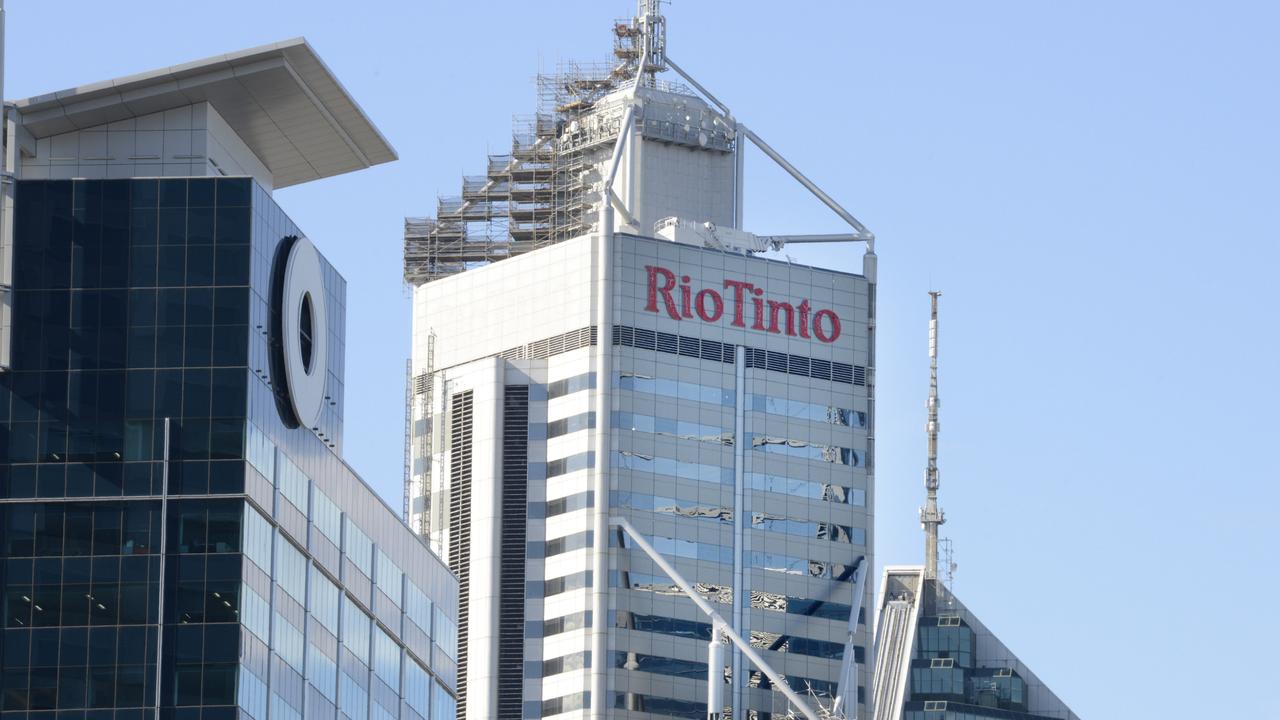
    Conversely, the market faced substantial headwinds from two primary sources. Mining behemoth Rio Tinto plummeted 6.27% following its confirmation of preliminary merger discussions with London-based Glencore. In official ASX statements, both corporations acknowledged exploratory talks regarding a ‘possible combination,’ with Rio Tinto indicating any transaction would likely constitute its acquisition of Glencore through a court-sanctioned scheme. This development created a ripple effect across mining equities, though rival BHP managed a 0.80% gain while Fortescue Metals experienced a slight decline.

    The financial sector exerted additional downward pressure, with all four major banks closing in negative territory. ANZ led the losses with a 0.64% drop, followed by Westpac (0.29%), NAB (0.19%), and Commonwealth Bank (0.08%). Investment bank Macquarie Group further weighed on the sector, retreating 1.25%.

    Several individual companies delivered exceptional performances. Technology firm Codan skyrocketed 16.88% after announcing unaudited first-half profits surged 52% to $70 million. Biotechnology company Mesoblast rallied 4.07% on robust revenue growth, while defense contractors Droneshield and Austal advanced 4.41% and 3.33% respectively, bolstered by expanded U.S. military spending initiatives.

  • Asian shares rise and US futures are flat after modest Wall Street moves

    Asian shares rise and US futures are flat after modest Wall Street moves

    Asian equity markets demonstrated broad-based gains on Friday, propelled by a confluence of factors including robust corporate earnings and anticipatory sentiment surrounding U.S. policy developments. The trading session reflected a cautiously optimistic regional outlook, diverging from the previous day’s mixed performance on Wall Street.

    Japan’s Nikkei 225 index emerged as a standout performer, advancing 1.1% to close at 51,692.70. This surge was significantly driven by exceptional results from Fast Retailing, the parent company of global apparel brand Uniqlo. The retailer’s shares skyrocketed over 7% following the announcement of a remarkable 34% year-on-year increase in quarterly operating profit, prompting an upward revision of their full-year financial forecasts.

    Chinese markets posted modest gains with the Hang Seng Index in Hong Kong edging up 0.1% to 26,158.21, while the Shanghai Composite rose 0.3% to 4,095.33. This upward momentum coincided with the release of official data indicating China’s inflation rate accelerated in December at its fastest pace in nearly three years, signaling strengthening domestic demand that typically exerts upward pressure on consumer prices.

    In a notable market debut, Chinese artificial intelligence firm MiniMax experienced a spectacular initial public offering on the Hong Kong Stock Exchange, with shares surging more than 50% during early trading sessions, highlighting robust investor appetite for technology innovations.

    Meanwhile, Australia’s S&P/ASX 200 bucked the regional trend, dipping marginally by less than 0.1% to 8,715.60. This slight decline was largely attributed to a significant 6% drop in Rio Tinto shares following the mining giant’s confirmation of preliminary merger discussions with Glencore. A potential consolidation between these industry behemoths could potentially create the world’s largest mining conglomerate.

    Other regional indices including South Korea’s Kospi and Taiwan’s Taiex posted gains of 0.7% and 0.3% respectively, contributing to the overall positive Asian market performance.

    Market participants maintained heightened attention toward impending U.S. economic indicators, particularly the Labor Department’s December jobs report scheduled for release. Additionally, investors awaited a potential Supreme Court ruling on former President Trump’s proposed ‘Liberation Day’ tariffs, which could substantially influence market sentiment.

    The previous trading session on Wall Street witnessed significant rallies within the defense sector following statements from former President Trump advocating for increased military spending, potentially reaching $1.5 trillion by 2027. Major defense contractors including L3Harris Technologies, Lockheed Martin, and Northrop Grumman recorded substantial gains of 5.2%, 4.3%, and 2.4% respectively.

    In commodity markets, oil prices experienced upward movement amid ongoing supply concerns following geopolitical developments in Venezuela. Benchmark U.S. crude rose by 35 cents to $58.11 per barrel, while international standard Brent crude gained 38 cents to $62.37. These price increases occurred against a backdrop of continued U.S. efforts to assert control over Venezuela’s substantial oil resources, including recent seizures of tankers attempting to evade sanctions.

    Currency markets saw the U.S. dollar strengthen against the Japanese yen, rising to 157.27 yen, while the euro experienced a slight decline against the dollar to $1.1656.

  • UN report forecasts global economic output to grow 2.7 percent in 2026

    UN report forecasts global economic output to grow 2.7 percent in 2026

    The United Nations has projected a global economic expansion of 2.7 percent for 2026, according to its World Economic Situation and Prospects 2026 report released Thursday. This figure represents a marginal deceleration from the 2.8 percent growth estimated for 2025 and remains substantially below the pre-pandemic average of 3.2 percent, indicating a prolonged period of moderated economic performance worldwide.

    Regional economic trajectories reveal significant variations. The United States is anticipated to maintain relative stability with 2 percent growth in 2026, slightly improving from 1.9 percent in 2025, bolstered by monetary and fiscal easing measures. Conversely, the European Union faces a downturn to 1.3 percent growth in 2026 from 1.5 percent, constrained by elevated U.S. tariffs and persistent geopolitical uncertainties affecting export performance.

    East Asia demonstrates resilient yet slowing expansion at 4.4 percent for 2026, down from 4.9 percent, as the temporary stimulus from front-loaded exports diminishes. Japan’s economy is expected to grow modestly at 0.9 percent. South Asia maintains robust growth at 5.6 percent, primarily driven by India’s strong 6.6 percent expansion, though this represents a slight easing from regional performance in 2025.

    Notable improvements are forecast for Western Asia, with GDP growth accelerating to 4.1 percent from 3.4 percent. Africa projects a marginal uptick to 4 percent growth despite confronting substantial challenges including high debt burdens and climate-related disruptions. Latin America and the Caribbean anticipate moderate growth of 2.3 percent, slightly down from 2.4 percent, supported by steady consumer demand and gradual investment recovery.

    The Commonwealth of Independent States and Georgia demonstrate remarkable stability with 2.1 percent growth projected for 2026, maintaining pace despite ongoing macroeconomic pressures from the Ukraine crisis.

    Global trade exhibited unexpected resilience in 2025, expanding 3.8 percent despite policy uncertainties and rising protectionist measures, fueled by early-year shipment surges and vigorous services trade. However, this momentum is expected to moderate significantly to 2.2 percent growth in 2026, reflecting broader economic headwinds.

  • Saudia adds Kozhikode to its network with 8 weekly flights in each direction

    Saudia adds Kozhikode to its network with 8 weekly flights in each direction

    Saudi Arabia’s national carrier Saudia has announced a significant expansion of its Indian operations with the addition of Kozhikode as its seventh destination in the country. The new route connecting Kerala’s coastal city with Riyadh’s King Khalid International Airport will commence operations on February 1, 2026, featuring eight weekly flights in each direction.

    This strategic move positions Kozhikode alongside established Indian destinations including Bengaluru, Mumbai, Kochi, Delhi, Hyderabad, and Lucknow in Saudia’s growing network. The airline confirmed that bookings are currently available through its official digital platforms, while operational coordination with Kozhikode International Airport authorities is underway to ensure seamless service launch.

    The expansion aligns with Saudia’s broader strategy to enhance global connectivity to the Kingdom, optimize its modern fleet utilization, and strengthen international competitiveness. With this addition, Saudia’s extensive network now spans over 100 destinations across four continents, facilitating tourism, business travel, and religious pilgrimages during Hajj and Umrah seasons.

    The airline currently maintains an robust operational schedule of more than 550 daily domestic and international flights, reinforcing its position as a major aviation player connecting the Middle East with global markets.

  • Rio Tinto eyes acquisition of rival Glencore in major merger discussions

    Rio Tinto eyes acquisition of rival Glencore in major merger discussions

    In a landmark development within the global resources sector, mining behemoths Rio Tinto and Glencore have officially acknowledged engaging in preliminary merger discussions. This potential consolidation could forge one of the planet’s most formidable mining entities.

    Both corporations released separate statements confirming exploratory talks regarding a ‘potential combination of some or all of their business operations.’ Rio Tinto, the larger entity with a market valuation of approximately $US142 billion, indicated that any transaction would likely materialize as its acquisition of Glencore, which holds a market capitalization of $US65 billion. The proposed mechanism would be a court-sanctioned scheme of arrangement.

    This is not the first time the two giants have contemplated a merger; previous discussions were abandoned last year. Rio Tinto faces a deadline of 5:00 PM London time on February 5th to either formally declare its intention to make an offer or to withdraw from negotiations.

    The market reacted swiftly to the news. At the time of reporting, Rio Tinto’s shares experienced a significant downturn, sliding 5.25 percent to $144.62. Both companies emphasized the preliminary nature of the talks, with Rio Tinto explicitly stating, ‘There can be no certainty that an offer will be made or as to the terms of any such offer, should one be made.’ The outcome of these discussions is poised to reshape the competitive landscape of the global mining industry.

  • Saudi’s Sabic sells assets in Europe, Americas worth $950 million

    Saudi’s Sabic sells assets in Europe, Americas worth $950 million

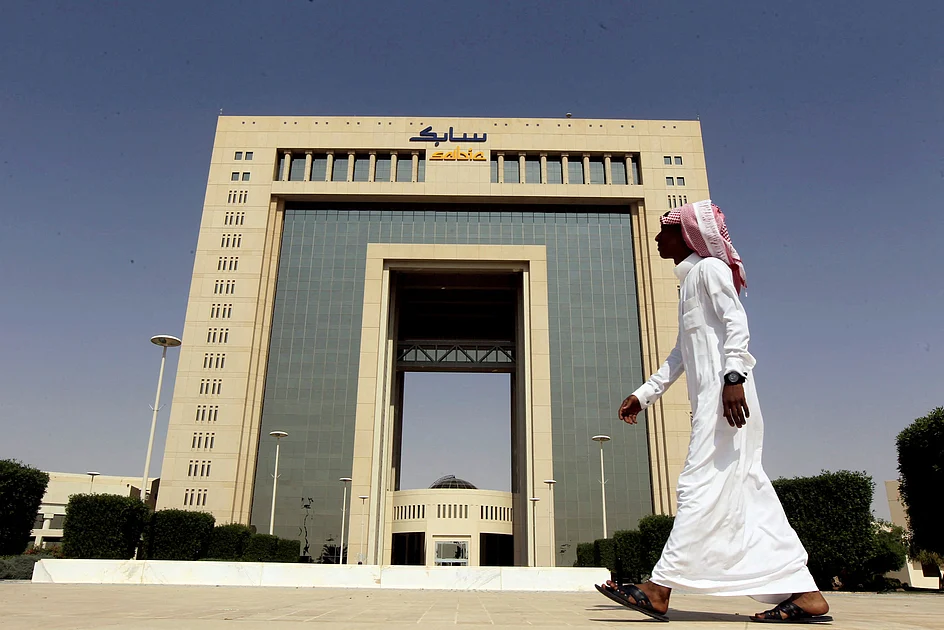
    In a significant strategic move reflecting broader industry challenges, Saudi Basic Industries Corporation (SABIC) has finalized two major divestitures totaling $950 million in enterprise value. The Saudi chemical giant is restructuring its global portfolio in response to persistent market weakness and declining demand across the petrochemical sector.

    The comprehensive divestiture program includes the sale of SABIC’s European Petrochemical (EP) business unit to Munich-based investment firm AEQUITA for $500 million. This transaction encompasses manufacturing facilities located in the United Kingdom and Germany. Simultaneously, the company has agreed to transfer its Engineering Thermoplastics (ETP) operations in both Europe and the Americas to German holding company Mutares for $450 million. The ETP business includes production sites across Canada, the United States, Brazil, and Spain.

    This strategic repositioning occurs against a backdrop of notable financial pressure for SABIC. The company’s shares plummeted to a 17-year low during early trading in Riyadh, dropping 4.8% to 48.2 riyals ($12.85) per share. Over the past twelve months, SABIC has witnessed a substantial 26.4% decline in its stock value, reflecting investor concerns about the chemical industry’s prolonged slowdown.

    CEO Abdulrahman Al-Fageeh characterized these transactions as a continuation of SABIC’s portfolio optimization initiative, which commenced in 2022. Previous divestments under this program included the Functional Forms, Hadeed, and Alba business units. The current disposals are projected to enhance SABIC’s core profit margins and strengthen free cash flow generation despite the challenging market conditions.

    The restructuring aligns with the strategic direction of SABIC’s majority shareholder, oil behemoth Aramco, which maintains a 70% stake in the chemical company. Aramco has been implementing its own cost-reduction and asset-divestment strategy to balance capital expenditures against lower oil prices and substantial shareholder returns.

    SABIC has engaged top-tier financial advisors for these transactions, with Goldman Sachs advising on the EP divestiture and J.P. Morgan consulting on the ETP transaction. Lazard acted as independent financial advisor for both deals. The company has committed to ensuring minimal operational disruption throughout the separation process.

  • India regulator alleges Bank of America breached rules in 2024 stock deal, document shows

    India regulator alleges Bank of America breached rules in 2024 stock deal, document shows

    India’s securities regulator has formally charged a Bank of America subsidiary with significant regulatory breaches during a 2024 stock offering, according to an official notice reviewed by Reuters. The Securities and Exchange Board of India (SEBI) alleges that the bank’s domestic securities unit violated insider trading protocols and compromised internal information barriers while managing a March 2024 share sale for Aditya Birla Sun Life Asset Management (ABSL AMC).

    The regulatory investigation uncovered that Bank of America’s deal team, while possessing confidential price-sensitive information, improperly coordinated with potential investors through both direct and indirect channels. According to the October 30-dated notice, the bank’s broking division, research analysts, and Asia-Pacific syndicate team contacted investors at the deal team’s request, sharing valuation reports and other protected details.

    SEBI’s findings indicate a systemic failure in maintaining ‘Chinese walls’ – the internal barriers designed to prevent information sharing between different divisions of financial institutions. The regulator stated that the bank’s conduct demonstrated inadequate safeguards for confidential information and deficient internal controls throughout the transaction process.

    The case originated from a 2024 whistleblower complaint that triggered both an internal bank investigation and subsequent regulatory scrutiny, resulting in the departure of several senior officials. Bank of America has reportedly submitted a settlement application to SEBI seeking resolution without admitting guilt, though the proposal remains under review according to sources familiar with the matter.

    While the notice references interactions with three specific investors – HDFC Life, Norges Bank, and Enam Holdings – regulatory officials emphasized they found no evidence of actual exchange of specific price-sensitive information. Legal experts characterize the case as primarily concerning internal governance failures rather than traditional insider trading, though such violations can still warrant substantial regulatory penalties.

  • India plans to scrap curbs on Chinese firms bidding for government contracts, sources say

    India plans to scrap curbs on Chinese firms bidding for government contracts, sources say

    India’s Finance Ministry is preparing to dismantle significant restrictions that have prevented Chinese companies from bidding on government contracts since 2020, according to sources familiar with the matter. The proposed policy shift signals a substantial warming of commercial relations between the two Asian powers following years of diplomatic tension.

    The restrictions, originally implemented after deadly border clashes between Indian and Chinese troops, mandated that Chinese bidders undergo rigorous registration processes with a specialized government committee and obtain comprehensive political and security clearances. These measures effectively created a substantial barrier to entry, resulting in Chinese firms being excluded from government contracts collectively valued between $700 billion and $750 billion.

    Two government officials, speaking on condition of anonymity, revealed that ministry officials are actively working to eliminate the registration requirements for bidders from nations sharing borders with India. The final decision rests with Prime Minister Narendra Modi’s office, which will evaluate the proposal’s broader implications.

    The 2020 restrictions produced immediate tangible effects. China’s state-owned CRRC Corporation was disqualified from competing for a $216 million train manufacturing contract shortly after the rules were implemented. According to a 2024 Observer Research Foundation report, the value of new projects awarded to Chinese bidders plummeted 27% year-over-year to $1.67 billion in 2021.

    The push for policy revision stems from multiple government departments experiencing significant project delays and equipment shortages directly attributable to the restrictions. Particularly affected is India’s power sector, where import constraints on Chinese equipment have hampered plans to expand thermal power capacity to approximately 307 gigawatts over the coming decade.

    A high-level committee chaired by former Cabinet Secretary Rajiv Gauba has endorsed easing the restrictions, adding weight to the Finance Ministry’s proposal. The diplomatic context surrounding this potential policy shift includes Prime Minister Modi’s first visit to China in seven years, during which both nations committed to enhancing commercial cooperation. This rapprochement occurred against the backdrop of former U.S. President Donald Trump’s imposition of 50% punitive tariffs on Indian goods and warming relations between Washington and Pakistan.

    Despite these positive developments, India maintains a cautious approach, with foreign direct investment restrictions on Chinese companies remaining firmly in place. The United States continues to send ambiguous signals regarding a potential Washington-New Delhi trade agreement, creating geopolitical conditions that experts suggest may facilitate improved India-China relations.

  • Nvidia’s Jensen Huang: no problem with California billionaire tax

    Nvidia’s Jensen Huang: no problem with California billionaire tax

    Nvidia CEO Jensen Huang, ranked as the world’s eighth-wealthiest individual with a net worth of $165 billion, has expressed surprising support for a proposed one-time wealth tax targeting California’s billionaire residents. In a recent Bloomberg interview, Huang demonstrated remarkable equanimity toward the potential 5% levy that would cost him approximately $8 billion, stating he is “perfectly fine” with the proposal.

    The tech magnate’s response stands in stark contrast to the alarmed reactions from other wealthy Californians. “We chose to live in Silicon Valley, and whatever taxes, I guess, they would like to apply, so be it,” Huang remarked with notable nonchalance. When questioned about the tax initiative, he revealed that “it never crossed my mind once.”

    The proposed ballot measure, if approved by California voters in November, would impose a one-time tax on approximately 200 billionaires residing in the state as of January 1, 2026. Affected individuals would have payment flexibility, allowing them to settle their tax obligation either immediately or across a five-year period. The estimated $100 billion revenue generated would be allocated to bolster the state’s healthcare infrastructure, food assistance programs, and educational resources.

    This wealth tax proposal emerged as a direct response to substantial Medicaid cuts implemented by President Donald Trump and the Republican-controlled Congress during summer 2025. The initiative has garnered support from labor organizations, including the Service Employees International Union-United Healthcare Workers West, whose chief of staff Suzanne Jimenez applauded Huang’s pragmatic stance.

    Huang’s position diverges significantly from other tech elites like David Sacks, the White House cryptocurrency czar who relocated to Texas in late 2025 apparently to avoid potential tax implications. Sacks predicted that Austin would replace San Francisco as America’s tech capital in response to what he termed “socialism.”

    Matt Bruenig, founder of the left-leaning People’s Policy Project, characterized Huang’s reaction as appropriate given the minimal impact relative to his substantial wealth: “‘Who cares?’ is absolutely the appropriate reaction. It means nothing to him.”