分类: business

  • Melodica Music & Dance Academy launches UAE’s first physical gift cards for music, dance and instruments

    Melodica Music & Dance Academy launches UAE’s first physical gift cards for music, dance and instruments

    In an innovative move reshaping festive gifting traditions, Melodica Music & Dance Academy has unveiled the UAE’s inaugural physical premium gift cards exclusively dedicated to creative arts education. Launching during the peak holiday season, these stored-value cards present a sophisticated alternative to conventional presents by enabling recipients to access music lessons, dance programs, or purchase musical instruments across all academy branches nationwide.

    The premium gift cards, available in denominations ranging from AED 500 to AED 5,000, represent a strategic expansion into mainstream retail markets. Beyond Melodica’s own facilities, the physical cards will be distributed through major hypermarkets and shopping malls, significantly enhancing accessibility for consumers seeking meaningful, experience-based gifts.

    CEO Afshin articulated the vision behind the initiative: ‘This transcends traditional gifting concepts—it’s an invitation to pursue artistic dreams. Whether for a child discovering musicality, a teenager exploring dance, or an adult reigniting a dormant passion, these cards ignite creative potential with lifelong impact.’

    Industry analysis confirms that while digital gift options exist in the regional creative sector, physical gift cards specifically targeting music and dance education remain notably absent from UAE retail landscapes. Melodica’s pioneering approach addresses this gap while supporting the development of the local arts ecosystem.

    The academy’s initiative has been recognized by market observers as a regionally unprecedented concept—a tangible gifting solution that prioritizes personal growth and cultural enrichment over material value. This strategic launch reinforces Melodica’s commitment to fostering a vibrant artistic community while encouraging cross-generational participation in performing arts.

    Prospective customers can obtain detailed information about the gift cards and Melodica’s comprehensive programs through the academy’s official communication channels and website.

  • EU to yield on combustion engines ban after automaker pressure

    EU to yield on combustion engines ban after automaker pressure

    In a major policy reversal, the European Commission has proposed scaling back its ambitious 2035 ban on combustion engine vehicles following intense lobbying from Germany, Italy, and European automakers. Instead of requiring 100% zero-emission vehicles as originally planned, the new proposal would mandate a 90% reduction in CO2 emissions from 2021 levels by 2035.

    The policy shift, which requires approval from EU governments and the European Parliament, represents the bloc’s most significant retreat from its green agenda in five years. The compromise would allow continued sales of plug-in hybrids and range extenders that utilize CO2-neutral biofuels or synthetic fuels, providing relief to European manufacturers struggling to compete with Tesla and Chinese electric vehicle makers.

    This development coincides with Ford Motor’s announcement of a $19.5 billion writedown and cancellation of several electric models, citing the Trump administration’s policies and weakening EV demand. European automotive giants including Volkswagen and Stellantis have similarly pointed to sluggish EV adoption and advocated for reduced targets and penalties.

    The auto industry lobby ACEA characterized the situation as ‘high noon’ for the sector, urging the Commission to also relax intermediate 2030 targets. German manufacturers face particular pressure as they lose market share in China to domestic producers while confronting competition from sophisticated Chinese EVs in their home markets.

    However, EV industry leaders warn that backtracking on emissions targets could undermine investment and widen Europe’s competitive gap with China. Polestar CEO Michael Lohscheller cautioned that ‘if we backtrack now, we won’t just hurt the climate. We’ll hurt Europe’s ability to compete.’

    Concurrently, the Commission is developing complementary measures to accelerate EV adoption, including incentives for corporate fleets (which represent approximately 60% of new car sales in Europe), potential new regulatory categories for small EVs with tax benefits, and sustainability credits for vehicles manufactured with low-carbon materials.

  • Euro zone business activity ends 2025 weaker than expected, PMI shows

    Euro zone business activity ends 2025 weaker than expected, PMI shows

    The euro area’s economic expansion lost significant steam in December 2025, according to the latest HCOB Flash Eurozone Composite PMI survey compiled by S&P Global. The benchmark index dropped to a three-month low of 51.9, markedly below November’s 2.5-year peak of 52.8 and undershooting Reuters’ consensus forecast of 52.7.

    While the reading remains above the critical 50.0 threshold separating expansion from contraction—marking the first full calendar year above this level since 2019—the deceleration signals mounting headwinds. The manufacturing sector’s deterioration intensified, with its PMI sliding to 49.2 from November’s 49.6, representing the lowest reading since April. Particularly concerning was the contraction in manufacturing output for the first time in ten months, accompanied by the fastest decline in new orders since February.

    The services sector, previously the engine of growth, demonstrated diminished momentum with its PMI retreating to 52.6 from a 2.5-year high of 53.6 in November. This performance likewise fell short of economist expectations. Despite the broad slowdown, employment continued to expand at an accelerated pace across the currency bloc.

    Cyrus de la Rubia, Chief Economist at Hamburg Commercial Bank, attributed the weaker performance primarily to intensified downturn in German industry, while noting tentative signs of cautious recovery in French manufacturing. “All in all, the runway into the new year seems pretty unstable,” de la Rubia commented, adding that “a real upturn will only succeed if the manufacturing sector regains its footing.”

    Concurrently, price pressures intensified with input costs rising at the most rapid pace since March, prompting firms to increase output charges more aggressively. This development occurs alongside slightly elevated headline inflation that nonetheless remains proximate to the European Central Bank’s 2% target. Separate Reuters polling indicates expectations that the ECB will maintain current interest rates at least through 2027.

  • EU moves to ease 2035 ban on internal combustion cars as auto industry faces headwinds

    EU moves to ease 2035 ban on internal combustion cars as auto industry faces headwinds

    FRANKFURT, Germany — In a significant policy shift, European Union officials have amended their stringent automotive emissions regulations, modifying the previously mandated total phase-out of internal combustion engines by 2035. The European Commission now proposes a 90% reduction in carbon emissions from new vehicles compared to 2021 levels, creating flexibility for automakers while maintaining climate objectives.

    This revised framework permits continued limited production of combustion engine vehicles provided manufacturers utilize carbon offset mechanisms. These include sourcing European steel manufactured through low-emission processes and incorporating climate-neutral synthetic fuels (e-fuels) produced from renewable electricity and captured CO2, alongside sustainable biofuels.

    The regulatory adjustment follows intensive lobbying from major automotive manufacturing nations including Germany and Italy, where industry representatives highlighted infrastructure challenges and economic concerns. Automakers argued that charging infrastructure development hasn’t matched the pace needed for full consumer transition to electric vehicles, compounded by subsidy reductions and premium pricing for European EVs.

    Despite the modification, EU officials maintain the amended regulations will not compromise the bloc’s 2050 climate neutrality targets. The proposal includes complementary measures to bolster European battery production and promote smaller electric vehicles.

    The policy change occurs against a competitive backdrop where Chinese manufacturers have captured 34% of their domestic EV market through state support and aggressive pricing, outpacing both European and American adoption rates. Meanwhile, the United States has similarly moved toward less stringent vehicle emissions standards under recent regulatory changes.

    Environmental group Transport & Environment criticized the decision as sending ‘a confusing signal’ that might divert investment from electrification precisely when European manufacturers need to compete with Chinese EV producers. The proposal now awaits ratification by EU member states and the European Parliament.

  • Melodica Music & Dance Academy ramps up UAE growth with multiple new locations

    Melodica Music & Dance Academy ramps up UAE growth with multiple new locations

    Melodica Music & Dance Academy has unveiled an ambitious expansion strategy across the United Arab Emirates, signaling substantial growth in the region’s arts education sector. This development follows the recent inauguration of their 27th branch in Arabian Ranches 3, representing a pivotal moment in the institution’s strategic growth trajectory.

    The academy is currently preparing multiple new facilities across Dubai, with two branches in Dubai Festival City and Town Square undergoing final fit-out phases. Additionally, a strategically positioned facility within KidZania at The Dubai Mall is approaching completion, positioning the academy to capitalize on one of the city’s most frequented family entertainment destinations.

    Further expansion plans include confirmed locations at Ibn Battuta Mall, Dubai Expo Mall, and Al Khail Avenue Mall, significantly extending the academy’s accessibility across major residential and commercial districts. This multi-location expansion demonstrates Melodica’s commitment to broadening access to comprehensive arts education throughout the UAE, particularly targeting communities with demonstrated demand for quality educational programs.

    Afshin, Founder and CEO of Melodica Music & Dance Academy, articulated the institution’s vision: ‘Our fundamental objective is to ensure every child across the UAE has convenient access to music and dance education regardless of their geographical location. These new openings represent not merely physical expansion but the creation of enhanced opportunities for young learners to explore and develop their artistic capabilities.’

    The academy distinguishes itself through several key attributes, including its extensive network of over 27 operational branches across Dubai, Abu Dhabi, Sharjah, and Al Ain, with additional locations in development. Currently serving more than 25,000 students, Melodica caters to diverse learner levels from beginners to advanced practitioners across all age groups. The institution maintains rigorous academic standards through internationally trained instructors and offers certification programs through recognized examination boards including ABRSM, Trinity, MTB, and RAD.

    This expansion initiative reflects growing market demand for structured arts education within the UAE, as increasing numbers of families seek enrichment programs that foster creative development and personal growth in children. The academy’s strategic placement in high-traffic retail and residential locations underscores its commitment to accessibility and community engagement.

  • EU waters down plans to end petrol and diesel car sales by 2035

    EU waters down plans to end petrol and diesel car sales by 2035

    The European Union has significantly modified its ambitious climate policy by scaling back a proposed total ban on internal combustion engine vehicles. Originally mandating 100% zero-emission vehicle sales by 2035, the European Commission has now proposed a 90% target following intensive lobbying from automotive manufacturers, particularly German automakers.

    According to the European Automobile Manufacturers’ Association (ACEA), market demand for electric vehicles remains insufficient to justify a complete phase-out of conventional vehicles. The association warned that maintaining the original mandate would expose manufacturers to potentially devastating financial penalties amounting to billions of euros.

    Under the revised framework, the remaining 10% of vehicle sales may consist of traditional petrol or diesel cars alongside hybrid models. However, manufacturers must compensate for the emissions generated by these non-zero-emission vehicles through innovative environmental mechanisms. These include utilizing biofuels and synthetic e-fuels produced from captured carbon dioxide emissions.

    Additionally, automakers will be required to incorporate low-carbon steel manufactured within the European Union into their vehicle production processes, representing a further effort to reduce the automotive industry’s overall carbon footprint.

    Environmental advocacy groups have expressed strong opposition to the policy revision. Transport & Environment (T&E), a prominent green transport organization, has cautioned that this regulatory softening could critically undermine Europe’s transition to electric mobility. The group specifically warned the United Kingdom against following the EU’s example by weakening its own Zero Emission Vehicle Mandate.

    Anna Krajinska, T&E UK’s director, emphasized that “The UK must stand firm. Our ZEV mandate is already driving jobs, investment and innovation into the UK. As major exporters we cannot compete unless we innovate, and global markets are going electric fast.” Critics argue that this policy shift leaves European automakers vulnerable in the increasingly competitive global electric vehicle market, particularly against manufacturers from China and the United States.

  • China handles over 180b parcels in first 11 months

    China handles over 180b parcels in first 11 months

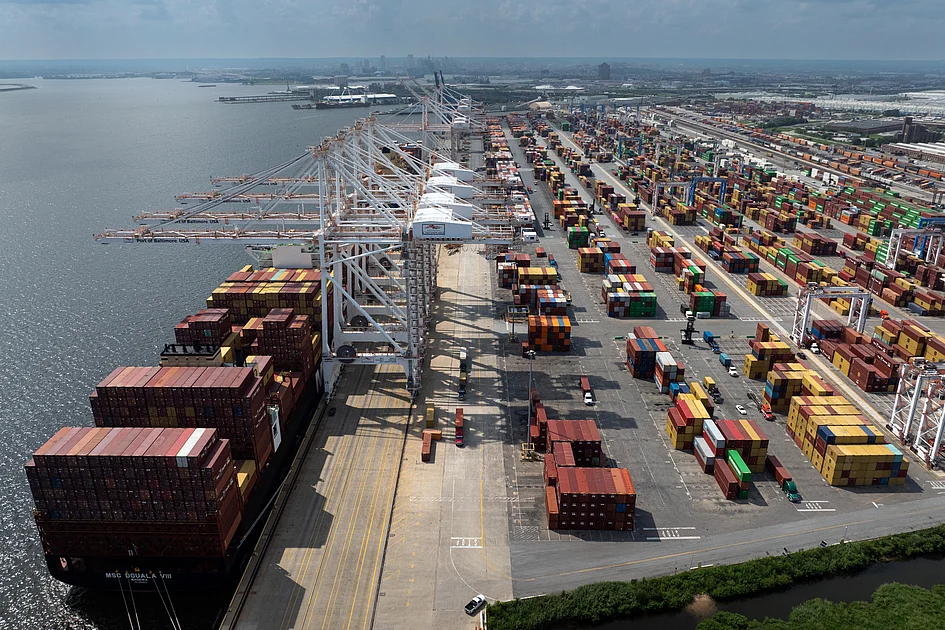
    China’s logistics sector has demonstrated remarkable resilience and growth, with official data revealing the handling of over 180 billion parcel deliveries during the initial eleven months of 2025. This substantial volume represents a significant year-on-year increase of approximately 15%, underscoring the sector’s robust expansion amid evolving market conditions.

    The State Post Bureau of China, the nation’s postal regulatory authority, released these figures on Tuesday, December 16, 2025. The data highlights the continuous expansion of China’s delivery infrastructure, which has become increasingly vital to both domestic economic activity and global supply chains.

    This growth trajectory reflects several converging factors: the deepening penetration of e-commerce platforms in both urban and rural markets, technological advancements in logistics automation, and improved last-mile delivery capabilities across the country’s diverse geographic regions. The sector’s performance remains a key indicator of domestic consumption patterns and economic vitality.

    The report emerges alongside other significant developments in China’s infrastructure and technology sectors, including railway passenger records and satellite launches, painting a picture of comprehensive technological and logistical advancement. The parcel delivery milestone particularly highlights how digital transformation continues to reshape consumer behavior and commercial distribution networks throughout China.

  • US unemployment rose in November to a four-year high

    US unemployment rose in November to a four-year high

    The United States labor market presented conflicting indicators in November as unemployment climbed to its highest level in four years while job additions surpassed economic forecasts. According to delayed data released by the Labor Department on Tuesday, the unemployment rate increased to 4.6% in November, marking a significant rise from September’s 4.4% rate.

    Employers added 64,000 positions during the month, exceeding many economic projections and providing a partial recovery from October’s substantial loss of 105,000 jobs. The previous month’s decline was largely attributed to the elimination of 162,000 federal government roles following the Trump administration’s initiative to reduce government employment earlier this year.

    This long-awaited report offered the first comprehensive view of labor market conditions since the resolution of the federal government shutdown. The data revealed additional downward revisions to previously reported job figures for September and August.

    The contradictory nature of these employment metrics has complicated the Federal Reserve’s ongoing deliberations regarding monetary policy. Central bankers face the challenging task of balancing a softening labor market against persistent inflationary pressures that continue to exceed the Fed’s 2% target.

    Last week, the Federal Reserve implemented its third quarter-point rate reduction of the year, attempting to stimulate economic activity. Official projections suggest most Fed officials anticipate only one additional rate cut in 2026, though deteriorating labor market conditions could potentially accelerate this timeline.

    Financial experts noted the unusual complexity of interpreting November’s data. Chris Zaccarelli, Chief Investment Officer at Northlight Asset Management, observed that “for a data-dependent Fed, this morning’s data will only increase the internal debate” regarding the appropriate policy response.

    The report’s reliability was further questioned due to methodological disruptions caused by the 43-day government shutdown, which forced statistical agencies to operate with reduced staffing and temporarily halted data collection operations. Principal Asset Management’s Chief Global Strategist Seema Shah noted that Fed Chair Jerome Powell would likely “view today’s jobs data with a fair degree of skepticism” due to data distortions and tighter immigration policies affecting payroll calculations.

    Sector performance varied considerably in November. Healthcare demonstrated robust growth with 46,000 new positions, including 11,000 in nursing and residential care facilities. Construction employment increased by 28,000 jobs, maintaining its stability over the preceding year. Conversely, transportation and warehousing sectors lost 18,000 positions, while manufacturing employment declined by 5,000 jobs.

  • Dubai: Gold prices dip slightly after sharp rise, demand remains strong

    Dubai: Gold prices dip slightly after sharp rise, demand remains strong

    Dubai’s gold market witnessed a slight price adjustment on Tuesday morning following a significant weekend rally, with 24K gold declining to Dh516.75 per gram from Monday’s Dh521.25. The modest pullback occurred alongside broader precious metals softening, with spot gold prices dipping 0.74 percent to $4,274.11 by 9:30 AM local time.

    Other gold variants including 22K, 21K, 18K, and 14K traded at Dh478.50, Dh458.75, Dh393.25, and Dh306.75 per gram respectively. Silver mirrored this trend, with spot prices falling 1.76 percent to $62.49.

    Market analysts emphasize that the minor correction occurs within a context of remarkable underlying strength. Ole Hansen, Head of Commodity Strategy at Saxo Bank, observed that gold continues trading near October’s record highs following a clear breakout from its recent consolidation pattern around $4,200. “This demonstrates how resilient underlying demand has become,” Hansen noted.

    The recent 25-basis-point rate cut by the US Federal Reserve to a 3.5-3.75 percent range has reignited policy debates for 2026, but Hansen suggests gold’s momentum now derives from factors beyond interest rate dynamics. Sustained support emerges from a softer dollar, easing front-end yields, and most significantly, persistent buying by non-western central banks and global real-money investors through exchange-traded funds.

    Notably, bullion-backed ETF holdings primarily listed in the US and Europe have surged by approximately 15 million ounces this year, more than compensating for net liquidations over the preceding three years. This trend increasingly reflects strategic moves to reduce dollar dependency rather than short-term currency hedging.

    Looking forward, market conditions remain tight with institutional and central bank demand for hard assets showing no signs of diminishing amid political uncertainty, persistent inflation concerns, expanding fiscal deficits, and evolving monetary regimes. Hansen projects gold could reach the $5,000 milestone in 2026, with silver potentially climbing to $75-80 range, bolstered by seasonal patterns that typically strengthen gold following December FOMC meetings through late February.

  • Investment scam alert in UAE: Experts warn against high ‘guaranteed returns’

    Investment scam alert in UAE: Experts warn against high ‘guaranteed returns’

    Financial security experts in the United Arab Emirates are sounding alarms over an escalating wave of sophisticated investment fraud schemes targeting residents seeking alternative income streams. These fraudulent operations are employing increasingly sophisticated tactics, including cloning legitimate financial institution branding and regulatory emblems to appear authentic.

    According to Muhammad Alamer, an SCA-licensed financial influencer with 17 years of market experience, the promise of ‘guaranteed returns with zero risk’ remains the most reliable indicator of fraudulent activity. “Legitimate financial markets simply do not offer such investments,” Alamer emphasized, noting that even top-performing institutional fund managers cannot consistently deliver the extravagant returns—sometimes exceeding 10-15% monthly—promised by these schemes.

    The deception extends beyond unrealistic returns. Scammers employ psychological pressure tactics using phrases like ‘limited availability’ or ‘expiring offers’ to bypass rational decision-making. Additional red flags include vague investment strategies, difficulties withdrawing funds, unsolicited contact through social media or WhatsApp, and unverifiable credentials.

    Industry analyst Ibrahim El Sheikh attributes the surge in fraudulent schemes to multiple converging factors: market volatility, rising living costs, and increased accessibility to online trading platforms. “As more residents look beyond traditional savings to grow their wealth, fraudsters are exploiting this shift with simplified, high-return narratives that appeal to inexperienced investors,” El Sheikh explained.

    Social media platforms have become particularly effective vectors for these scams. Paid promotions, sponsored content, and direct messaging enable fraudsters to reach vast audiences without face-to-face interaction. The use of professional-looking websites and influencer-style messaging further lowers suspicion among potential victims.

    UAE authorities have responded with increased vigilance. The Securities and Commodities Authority recently issued warnings against two unauthorized entities—XC Market Limited and XCE Commercial Brokers LLC—and exposed a fraudulent operation masquerading as the ‘Gulf Higher Authority for Financial Conduct’ through the website financialgcc.com.

    In November, Dubai Police’s Anti-Fraud Center alerted the public to investment offers promising fixed monthly returns up to 10% without risk, noting these often operate as pyramid schemes where new investor funds pay earlier participants before operators disappear.

    Alamer praised the UAE’s new Advertiser Permit system, which requires social media promoters to obtain licenses and disclose permit numbers publicly. However, he called for enhanced cross-platform coordination to prevent scammers simply migrating between services when banned.

    The consensus among experts is clear: verification remains the strongest defense against financial fraud. Residents are urged to independently confirm licensing status through official channels before committing funds to any investment opportunity.