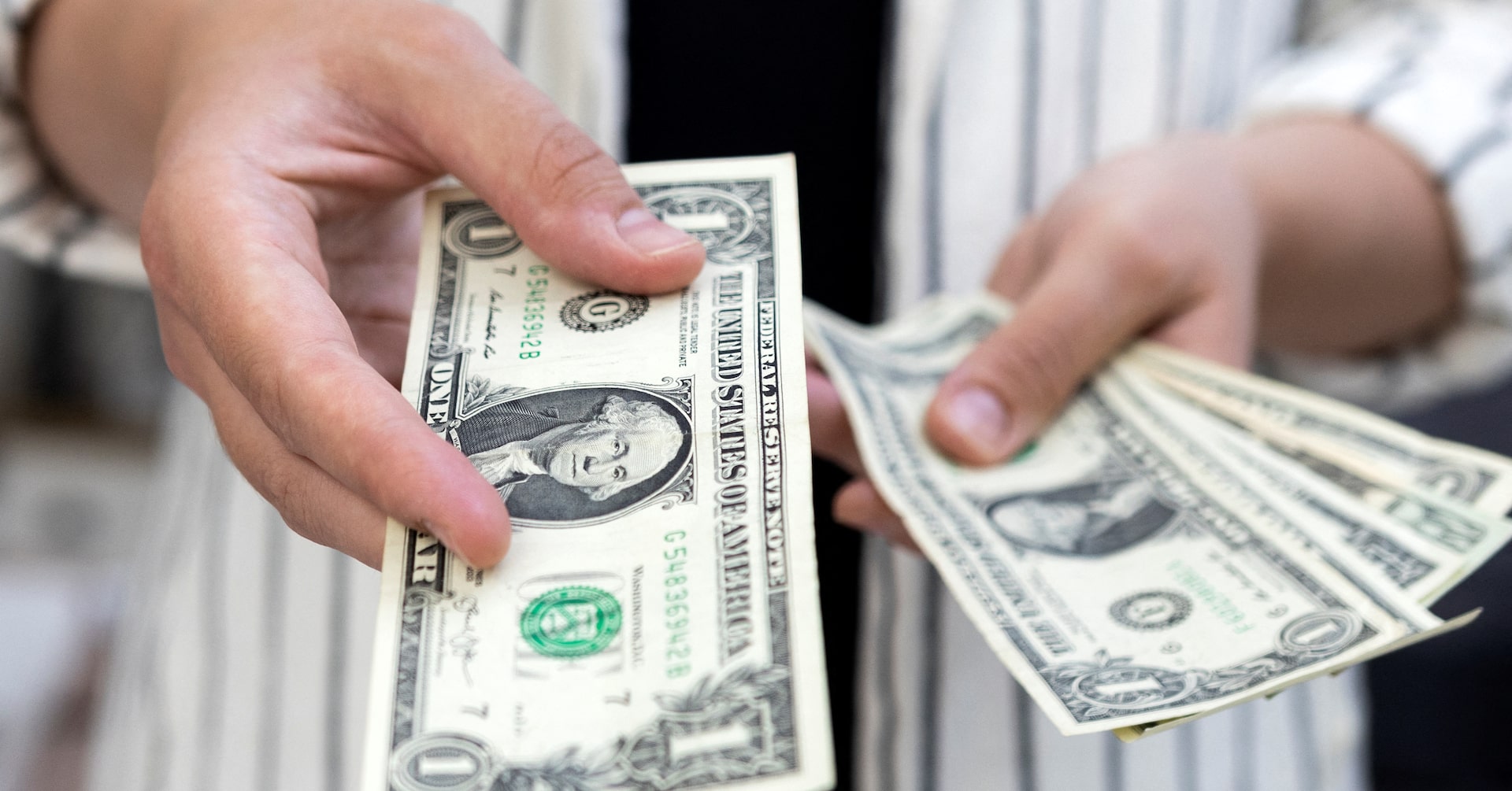
The U.S. dollar remained stable in early Asian trading on Friday as investors awaited new catalysts following the Federal Reserve’s recent rate cut decision. The dollar index edged up by 0.1%, recovering slightly from a three-and-a-half-year low after the Fed reduced rates by 25 basis points but indicated no immediate plans for further cuts. The dollar also gained marginally against the yen, rising 0.1% to 148.085 yen, ahead of the Bank of Japan’s (BOJ) policy decision later in the day. The BOJ is widely expected to maintain interest rates at 0.5%, with market focus on potential hints of future adjustments. The ongoing leadership election within Japan’s Liberal Democratic Party (LDP) is likely to influence the BOJ’s cautious stance, as Governor Kazuo Ueda is expected to avoid signaling any significant policy shifts. Meanwhile, the broader currency market is assessing the long-term impact of the Trump administration’s tariffs and its criticism of the Fed’s rate decisions. The U.S. Supreme Court has set a date to hear arguments on the legality of Trump’s global tariffs, a key element of his economic agenda. Additionally, the Trump administration has sought unprecedented authority to dismiss Federal Reserve Governor Lisa Cook, raising concerns about the central bank’s independence. Foreign demand for U.S. Treasuries remains strong, with overseas holdings reaching a record high in July. The euro and sterling both weakened slightly, while the kiwi and Australian dollar continued to decline following disappointing economic data.
分类: business
-
Santos always prepared to consider any takeover offers, CEO says
In a recent statement, Kevin Gallagher, CEO of Santos Ltd, expressed openness to potential takeover offers for the Australian gas producer. Gallagher emphasized his commitment to remaining in his role as long as he retains the confidence of shareholders and the board. This announcement follows the collapse of an $18.7 billion acquisition bid by a consortium led by Abu Dhabi National Oil Company (ADNOC) on Wednesday. The deal fell through due to disagreements over commercial terms, particularly concerning capital gains tax liabilities on Santos’ assets in Papua New Guinea, which were revealed to be imminent. A source close to the matter indicated that XRG, ADNOC’s overseas unit, hesitated to proceed under these financial conditions. The news highlights the ongoing strategic considerations within Santos as it navigates the complex energy market.
-

Oil little changed as demand concerns overshadow US rate cut buoyancy
Oil prices remained largely unchanged on Friday, following a decline in the previous session, as concerns over fuel demand in the United States persisted. Brent crude futures dipped slightly by 1 cent to $67.43 a barrel, while U.S. West Texas Intermediate (WTI) futures dropped 4 cents to $63.53. Despite these minor fluctuations, both benchmarks were poised to record a second consecutive weekly gain. The U.S. Federal Reserve’s decision to cut interest rates by a quarter of a percentage point on Wednesday, coupled with signals of further reductions, initially raised hopes for increased oil demand. However, a surprising 4-million-barrel rise in U.S. distillate stockpiles, far exceeding market expectations, reignited fears of weakening demand in the world’s largest oil consumer. IG analyst Tony Sycamore noted that gains in the U.S. dollar and long-end yields further undermined crude oil’s support. Economic data added to the unease, with jobless claims indicating a softening labor market and single-family home building hitting a near 2.5-year low in August. Meanwhile, Russia, the world’s second-largest crude producer, introduced new measures to protect its state budget from oil price volatility and Western sanctions, alleviating some supply concerns. ANZ analyst Daniel Hynes highlighted that President Trump’s preference for low oil prices over sanctions on Russia also eased fears of supply disruptions.
-
Zijin Gold launches $3.2 billion Hong Kong IPO, city’s largest in 2025
Zijin Gold International, a subsidiary of China’s Zijin Mining, is set to launch a landmark initial public offering (IPO) in Hong Kong, aiming to raise HK$24.98 billion ($3.21 billion). This marks the largest IPO in the city this year, according to the company’s prospectus released on Friday. The offering involves the sale of 349 million shares at HK$71.59 each, with trading scheduled to begin on September 29. The IPO will value Zijin Gold at $24.1 billion. The move comes amid a strong performance in the gold market, which has surged nearly 39% this year, benefiting from low-interest rates and global uncertainty. Zijin Gold’s IPO surpasses the recent $1.2 billion offering by Chinese automaker Chery, solidifying its position as the largest in Hong Kong for 2025. The company plans to use the proceeds over the next five years to upgrade and construct existing mines, enhancing its production capabilities. Cornerstone investors, including Singapore’s GIC and private equity firm Hillhouse, have already committed $1.6 billion to the offering. Asset managers BlackRock and Schroders are also participating, each purchasing $120 million worth of shares. Morgan Stanley and CITIC Securities are acting as joint sponsors for the IPO. The spin-off and independent listing of Zijin Gold International are expected to broaden the company’s financing channels and improve overall efficiency.
-
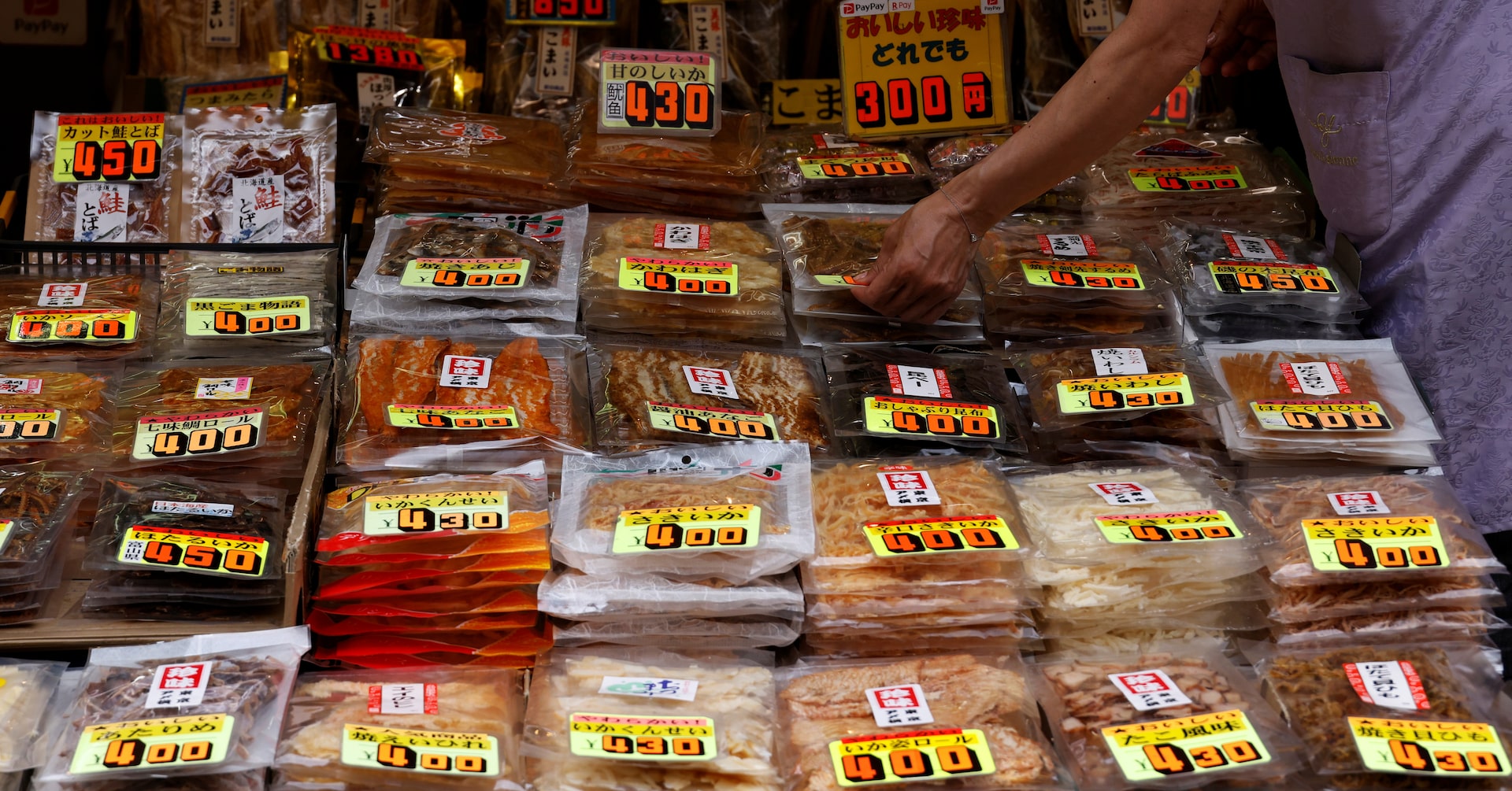
Japan’s core inflation slows in August, stays above BOJ target
Japan’s core consumer price index (CPI) increased by 2.7% year-on-year in August, according to data released on Friday. This figure, which aligns with market forecasts, represents the slowest pace of growth in nine months, offering a slight reprieve to households grappling with rising living costs. The core CPI excludes volatile fresh food but includes fuel costs. Additionally, an index that strips away both fresh food and fuel costs, closely monitored by the Bank of Japan (BOJ) as a more accurate measure of underlying price trends, rose by 3.3% in August, slightly down from 3.4% in July. These data points will be critical for the BOJ as it concludes its two-day policy meeting on Friday, where it is widely anticipated to maintain interest rates at 0.5%. The BOJ, which ended a decade-long radical stimulus program last year and raised short-term interest rates in January, has been cautious about further rate hikes due to uncertainties surrounding the impact of U.S. tariffs on Japan’s economy. Despite consumer inflation exceeding the BOJ’s 2% target for over three years, Governor Kazuo Ueda has emphasized the need for prudence in monetary policy adjustments. The BOJ’s July forecasts suggest that price pressures from rising rice and import costs will ease, giving way to more sustainable price increases driven by robust consumption and wage growth.
-

FedEx results top targets on cost-cutting, shares jump 5.5% after the bell
FedEx Corporation (FDX.N) has demonstrated resilience in the face of shifting trade policies, reporting better-than-expected quarterly profits and revenue despite significant headwinds. The Memphis-based logistics giant saw its shares surge by 5.5% in extended trading on Thursday, defying Wall Street’s expectations of a decline. This performance was bolstered by robust domestic delivery growth and aggressive cost-cutting initiatives, which helped offset a 3% drop in international export volumes. The U.S. government’s decision to end the ‘de minimis’ exemption for low-value shipments from China and Hong Kong, effective May 2, 2024, has been a major challenge. This policy change alone reduced FedEx’s first-quarter revenue by $150 million, with similar impacts anticipated in subsequent quarters. Chief Customer Officer Brie Carere highlighted that trade policies, including the de minimis exemption’s termination, represent a $1 billion revenue ‘headwind’ for the fiscal year. Despite these pressures, FedEx achieved a 4% increase in overall average daily package volume, driven by a 5% rise in domestic deliveries. The company’s operating margin also improved to 6%, up from 5.2% in the previous quarter, reflecting the success of its $1 billion cost-saving plan. FedEx reported an adjusted profit of $912 million, or $3.83 per share, for the quarter ending August 31, surpassing analysts’ estimates of $3.59 per share. Quarterly revenue reached $22.24 billion, exceeding the projected $21.66 billion. Looking ahead, FedEx forecasts full-year adjusted earnings between $17.20 and $19.00 per share, slightly below the midpoint of analysts’ average estimate of $18.21. The company remains committed to its strategic initiatives, including $500 million in share repurchases and the planned spin-off of its freight segment by June 2026.
-

SoftBank Vision Fund to lay off 20% of employees in shift to bold AI bets, source and memo say
SoftBank Group Corp is undergoing a significant transformation as it reallocates resources to prioritize founder Masayoshi Son’s ambitious artificial intelligence (AI) initiatives. The company has announced plans to lay off nearly 20% of its Vision Fund team globally, marking the third round of layoffs since 2022. This strategic pivot comes despite the fund’s recent strong quarterly performance, driven by gains in public holdings such as Nvidia and Coupang. The Vision Fund currently employs over 300 people worldwide. The restructuring signals a departure from a diversified startup investment portfolio to a more concentrated focus on AI-driven ventures. Son’s strategy includes high-risk, high-reward investments in AI infrastructure, such as the proposed $500 billion Stargate project, which aims to establish a vast network of U.S. data centers in collaboration with OpenAI. A Vision Fund spokesperson confirmed the layoffs, emphasizing the organization’s commitment to bold, high-conviction investments in AI and breakthrough technologies. This shift represents a return to Son’s hallmark approach of making massive, concentrated bets, moving away from the sprawling venture capital model that characterized the Vision Fund’s earlier phase. SoftBank’s recent investments include a $9.7 billion stake in OpenAI through Vision Fund 2, which manages approximately $65.8 billion in total. Additionally, the company is focusing on building an AI ecosystem by acquiring chip firms like Graphcore and Ampere Computing and taking stakes in Intel and Nvidia. Despite the capital-intensive nature of this strategy, execution risks remain, as evidenced by delays in the Stargate project and a similar joint venture with OpenAI in Japan. SoftBank CFO Yoshimitsu Goto assured stakeholders that the company maintains a robust cash reserve of 4 trillion yen ($27 billion), underscoring its financial stability during this transition.
-
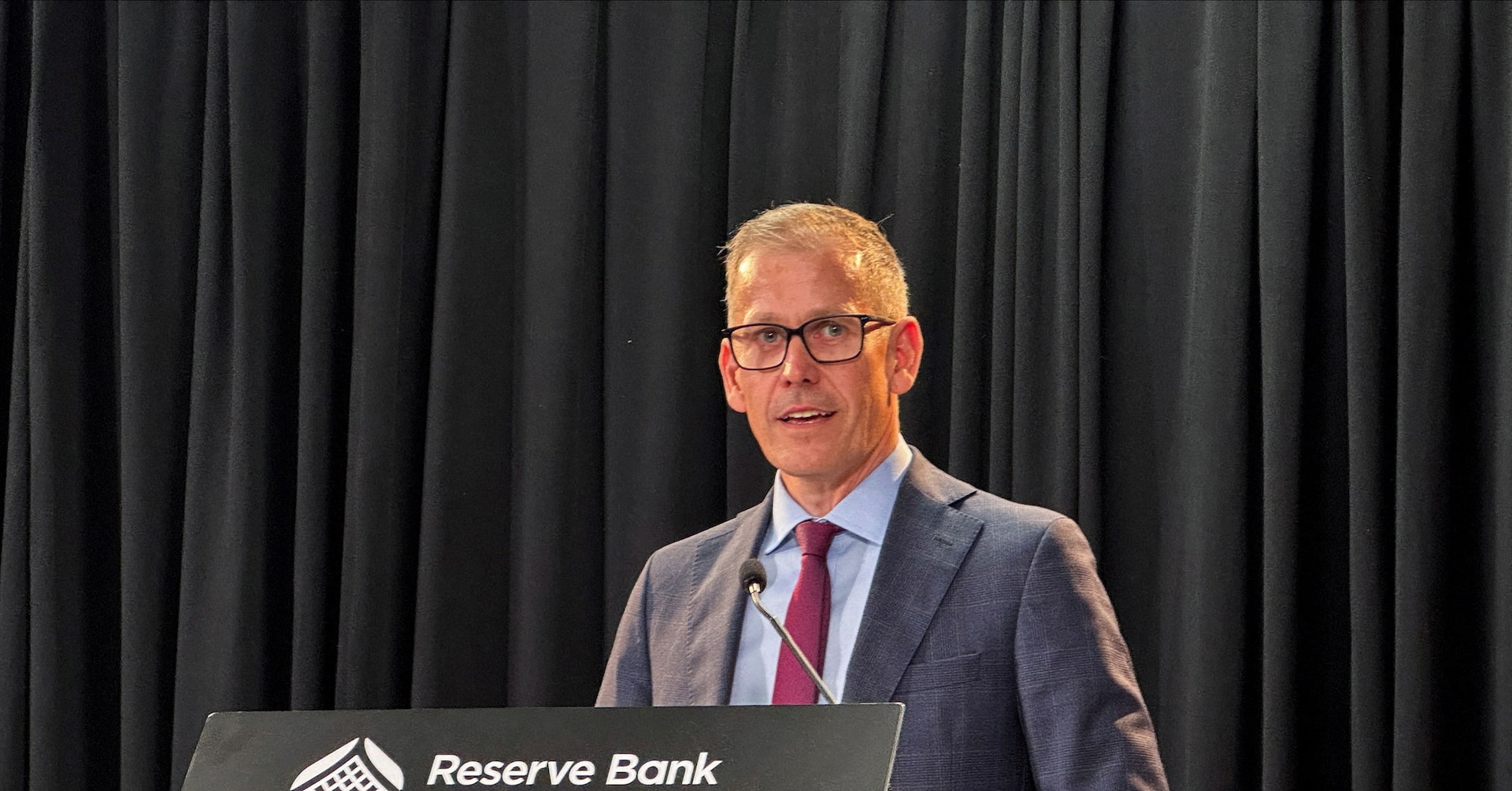
New Zealand’s new central bank governor to face credibility test
New Zealand’s Reserve Bank (RBNZ) is poised for a significant leadership transition as Finance Minister Nicola Willis prepares to announce a new governor in the coming weeks. This decision comes at a critical juncture for the central bank, which has been grappling with economic instability, reputational damage, and political scrutiny. Interim Governor Christian Hawkesby, who has expressed his desire to retain the position, has emphasized the bank’s commitment to stabilizing inflation and fostering a resilient financial system. However, the RBNZ faces mounting challenges, including a weak economy, high unemployment, and public dissatisfaction with its handling of inflation and interest rates. The departure of former Governor Adrian Orr and Chairman Neil Quigley has further exacerbated the bank’s struggles, leaving it in need of strong leadership to restore public trust and independence. Potential candidates for the role include John McDermott, former RBNZ chief economist, and Dominick Stephens, Treasury’s chief economist, both of whom have declined to comment on their interest. The new governor will inherit the daunting task of navigating economic recovery while defending the bank’s autonomy from an increasingly vocal government. Experts suggest that an external candidate might be better positioned to implement necessary reforms and rebuild confidence in the institution.
-
Foreign holdings of US Treasuries surge to all-time high in July, China’s sink
Foreign holdings of U.S. Treasuries reached an unprecedented high in July, according to the latest data from the U.S. Treasury Department. The total value of foreign-owned U.S. Treasuries climbed to $9.159 trillion, marking a third consecutive month of record-breaking figures. This surge was primarily driven by increased investments from Japan and the United Kingdom, which solidified their positions as the top non-U.S. holders of American government debt. Japan’s holdings rose to $1.151 trillion, the highest since March 2024, while the UK’s holdings grew by approximately 5% to nearly $900 billion. In contrast, China continued to reduce its exposure to U.S. Treasuries, with holdings dropping to $730.7 billion, the lowest level since December 2008. This decline reflects China’s long-term strategy to diversify its reserves and reduce reliance on the U.S. dollar, amid economic challenges and trade tensions. On a transactional basis, the U.S. saw $58.2 billion in foreign inflows of Treasuries in July, rebounding from outflows in June. However, foreign investors sold $16.3 billion in U.S. equities during the same period, signaling a shift in global investment preferences. The net capital inflow into the U.S. also fell sharply to $2.1 billion in July, down from $92 billion in June, highlighting the volatile nature of international capital movements.
-
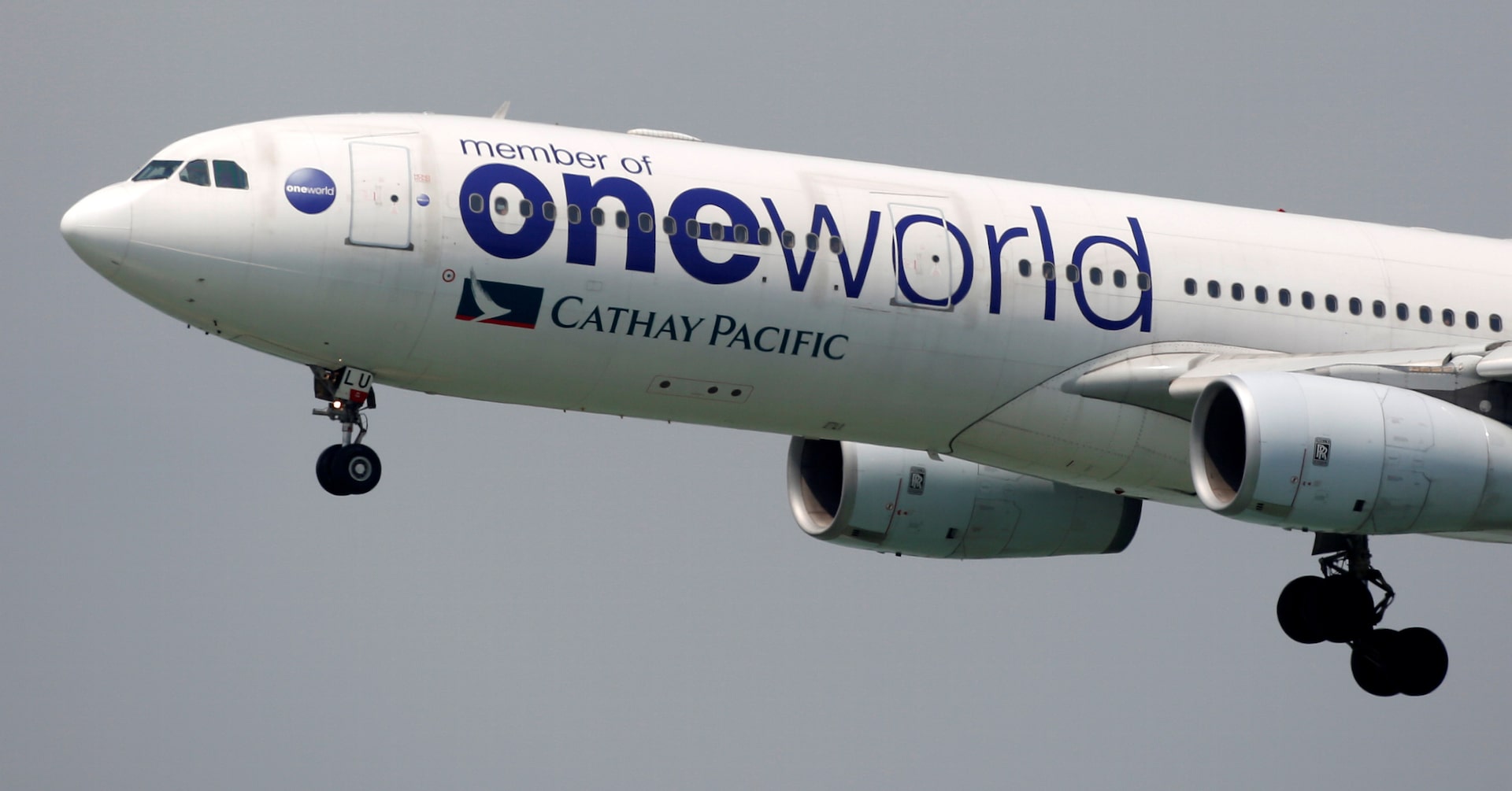
oneworld Alliance considers Indian partner as market expands
The oneworld Alliance, a prominent global airline consortium comprising 15 members including American Airlines and Qantas Airways, is actively exploring the possibility of adding an Indian airline partner. This strategic move comes as India’s aviation market continues to experience rapid expansion. Nat Pieper, the alliance’s CEO, revealed this development during the Wings Club gathering in New York, a forum for aviation executives and analysts. Pieper emphasized the complexity of integrating a new member, noting that the decision must align with the interests of both the alliance as a whole and its individual members. With ten of its current members already operating in India, the alliance is also considering collaborative initiatives such as loyalty programs and shared lounge facilities to enhance their collective presence in the region. The anticipated addition of Hawaiian Airlines in 2026, following its acquisition by Alaska Air in 2024, further underscores the alliance’s commitment to growth and diversification.