
The Dutch government’s recent seizure of control over the Chinese-owned semiconductor manufacturer Nexperia has ignited a diplomatic row with China, with state media and analysts accusing the Netherlands of “21st-century piracy.” The move, executed under the Goods Availability Act on September 30, was justified by the Dutch Minister of Economic Affairs as a measure to address “serious governance shortcomings” and ensure the availability of Nexperia’s products in emergencies. However, Chinese commentators argue that the decision reflects political coercion and discriminatory practices. Nexperia, a subsidiary of Wingtech Technology, has faced increasing scrutiny from European authorities since its acquisition in 2018. The UK government forced the company to sell its Newport wafer plant in 2022, citing national security concerns, while German regulators blocked public funding for its battery-efficiency research in 2023. The Dutch government’s demands included establishing a supervisory board with veto powers over key business decisions and exploring a public listing in the EU, which Wingtech rejected. Chinese state media, including the Global Times, condemned the actions as an attempt to seize Chinese technological achievements. Analysts warn that China could retaliate by leveraging its dominance in rare earth production and other strategic sectors, potentially harming Dutch industries. The situation underscores the escalating geopolitical tensions surrounding semiconductor technology and global trade.
分类: business
-

Which are the key sectors to invest in the GCC in Q4?
As the fourth quarter of 2025 unfolds, financial and real estate sectors are poised to dominate the Gulf Cooperation Council (GCC) markets, according to industry analysts. Philip Philippides, CEO of Mashreq Capital, highlighted the resilience of Dubai’s commercial real estate and the robust fundamentals of regional banks as key drivers of growth. In contrast, the materials sector is expected to underperform due to weak operational momentum. Sector rotation is anticipated to favor defensive and reform-linked plays, particularly in financial services and real estate. GCC markets remain relatively insulated from global trade tensions, with diversified export profiles and strategic trade relationships providing a buffer against escalating global conflicts. Anticipated Federal Reserve rate cuts and synchronized global monetary easing are expected to positively impact GCC financial markets, easing financial conditions and stimulating consumption, investment, and asset valuations. GCC central banks, tied to the US dollar, will mirror Fed moves, transmitting rate cuts directly into local money markets. Lower rates are expected to boost consumer spending, SME investment, real estate activity, and tourism. In fixed income, sovereign and quasi-sovereign credits offer attractive carry and mid-duration opportunities, with expected spread compression and renewed global inflows enhancing credit profiles and reducing refinancing risk. Despite tight spreads and a strong year-to-date rally, low-single-digit returns are achievable in Q4, primarily driven by carry, with additional potential upside from anticipated Fed rate cuts. On the equity side, the oil price outlook is largely priced in, with Saudi Arabia’s underperformance reflecting subdued oil sentiment. However, double-digit earnings growth, attractive valuations, and ongoing diversification reforms across tourism, finance, and logistics sectors provide structural support to regional equity markets. Monetary easing will further enhance credit growth and equity performance. The divergence in performance across GCC markets is likely to persist, with Oman and Kuwait retaining upside potential due to their reform-driven narratives. Mena credit continues to offer value, with current index yields at approximately 5.5% providing a compelling carry proposition. The 5–10 year segment of sovereign and quasi-sovereign bonds from countries like Saudi Arabia, Turkey, Egypt, and Morocco presents strong total return potential. GCC sukuk issuance is expected to remain robust in Q4, with Saudi Arabia and the UAE leading the charge. Investor appetite for sustainability-linked sukuk (SLS) and digital sukuk is poised to accelerate, driven by global ESG mandates and net-zero commitments. The ESG sukuk market is expected to surpass $50 billion outstanding in 2025, with GCC issuers playing a leading role. A sustained and disorderly decline in oil prices could materially impact government revenues, leading to reduced spending and weaker sentiment around IPOs and project awards. However, the base case remains for stable oil prices, with Saudi Arabia’s leadership emphasizing flexibility in fiscal policy and a continued focus on infrastructure, mega events, and gas output expansion.
-
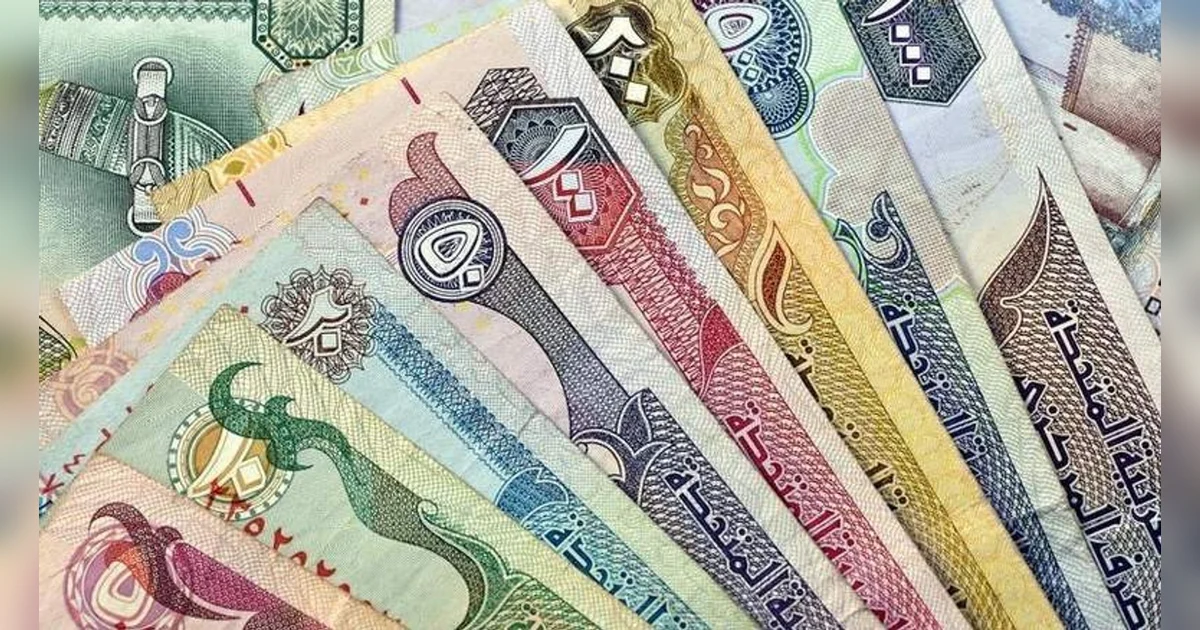
Salama shareholders approve capital restructuring
Islamic Arab Insurance Company (Salama), a prominent Takaful provider in the UAE, has secured shareholder approval for a comprehensive capital restructuring plan aimed at restoring solvency and enhancing its financial standing. The decision, ratified during the General Assembly on October 16, 2025, includes a capital reduction to offset accumulated losses and the cancellation of treasury shares. Following final approval by the Securities and Commodities Authority (SCA), Salama will issue up to Dh175 million in Mandatory Convertible Sukuk (MCS) through a special purpose vehicle. These sukuk will be allocated to a select group of strategic investors and will be mandatorily converted into new shares under agreed terms. This move is a pivotal step in Salama’s strategy to ensure regulatory compliance, stabilize its financial foundation, and support future growth. Mohamed Ali Bouabane, Group CEO of Salama, emphasized that the restructuring underscores the company’s commitment to strengthening its balance sheet and meeting regulatory capital requirements. He highlighted the unwavering support of shareholders and investors as a testament to their confidence in Salama’s long-term stability. The company’s financial performance in the first half of 2025 reflects this progress, with total equity rising to Dh351.84 million, a 5.2% year-on-year increase, and a net profit of Dh8.25 million. Takaful revenue also reached Dh515.36 million, showcasing disciplined operations and improved profitability. S&P Global Ratings has affirmed Salama’s long-term issuer credit and insurer financial strength rating at ‘BBB-’ with a Developing outlook, further validating its improving fundamentals and capital position.
-
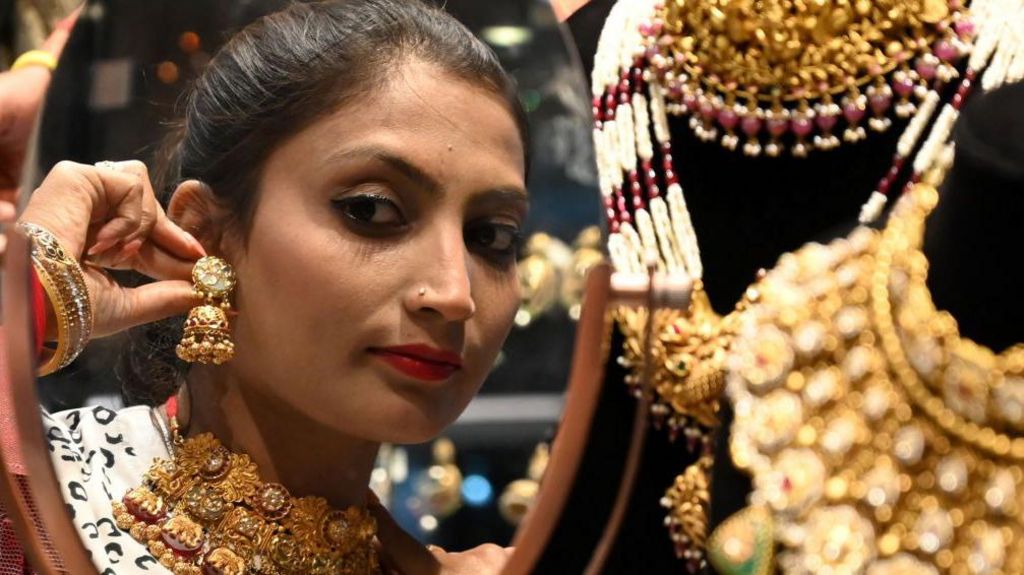
Buying more, wearing less – why India’s Diwali gold rush is different
As the Hindu festival of Diwali approaches, India’s gold market is witnessing a significant transformation. Despite soaring prices—gold has surged by 60% and silver by 70% this year—Indians are flocking to markets, driven by cultural traditions and investment opportunities. In Delhi’s bustling Lajpat Nagar neighborhood, jewelry shops are packed with customers, even on holidays, as the festive spirit fuels demand for gold and silver coins, bars, and jewelry. While high prices have slightly dampened jewelry purchases, they have also sparked a fear of missing out (FOMO) among buyers, leading to a shift toward investment-driven acquisitions. Retailers like Prakash Pahlajani of Kumar Jewels report increased footfall, with customers opting for smaller, lighter pieces to manage budgets. The World Gold Council (WGC) notes a clear trend: investment demand for gold, particularly in bars, coins, and exchange-traded funds (ETFs), has risen sharply, now accounting for 35% of total demand, up from 19% in 2023. Meanwhile, jewelry’s share has declined to 64%. India’s central bank, the Reserve Bank of India (RBI), has also been a major player, increasing its gold reserves to 14% of foreign exchange holdings in 2025, aiming to diversify assets and reduce dollar dependency. Experts predict that despite record prices, demand will remain robust during the festive and wedding seasons, especially among affluent buyers. However, lower-income families are feeling the pinch, with some delaying purchases in hopes of price drops. India’s deep cultural affinity for gold, coupled with its role as a wealth-preserving asset, ensures its enduring appeal, even as prices take some shine off the festive season.
-
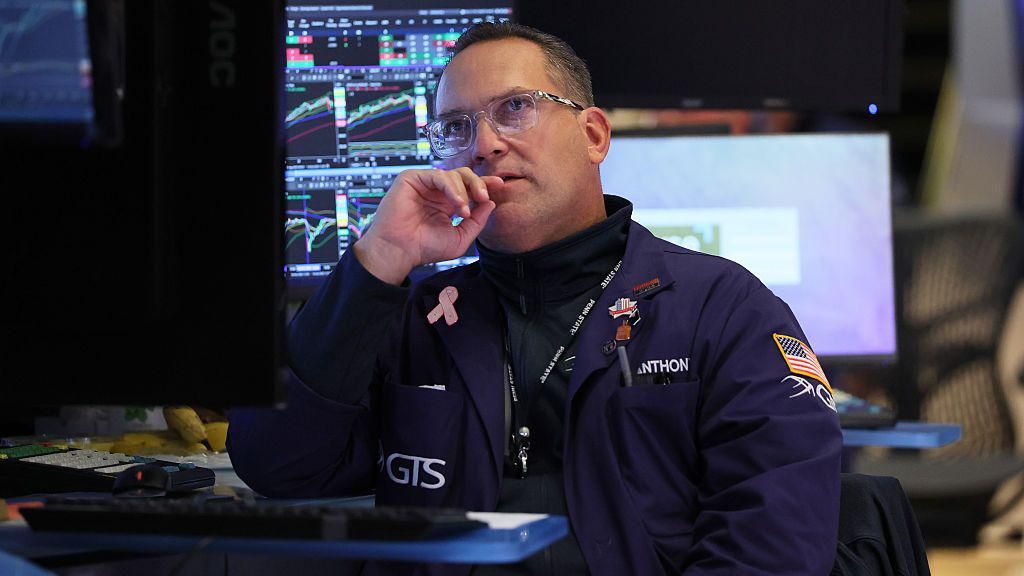
How nervous are investors about the stock market?
US financial markets have been grappling with persistent volatility in recent weeks, driven by a mix of sector-specific concerns and broader economic uncertainties. The latest wave of anxiety emerged from the banking sector, as two regional lenders warned of potential losses due to alleged fraud. This follows earlier market turbulence sparked by renewed US-China tensions over tariffs, advanced technology, and access to rare earths. Additionally, the bankruptcies of car parts supplier First Brands and subprime car lender Tricolor in September further fueled investor unease. Despite these challenges, major US stock indexes have shown resilience, with the S&P 500 posting a 13% gain year-to-date, albeit lower than 2024’s performance. Sam Stovall, chief investment strategist at CFRA Research, attributes this strength to improved corporate profits and the burgeoning enthusiasm surrounding artificial intelligence (AI). However, the market’s robust performance has paradoxically heightened concerns about overvaluation. Analysts have increasingly warned of a potential AI bubble, with major players investing heavily in the sector without clear long-term profitability. The Bank of England, JP Morgan Chase CEO Jamie Dimon, and US Federal Reserve Chair Jerome Powell have all echoed these concerns, emphasizing the risk of a sharp market correction. The International Monetary Fund (IMF) also highlighted complacency in its recent financial stability report, citing trade tensions, geopolitical uncertainty, and rising sovereign debt as key risks. Despite these warnings, many investors remain optimistic. Analysts at Goldman Sachs and Wells Fargo have raised their year-end forecasts for the S&P 500, while David Lefkowitz of UBS Global Wealth Management anticipates the index to reach around 6,900 points, a 4% increase from current levels. Lefkowitz noted that while fraud allegations in the banking sector are concerning, overall default levels remain healthy, and AI demand shows no signs of waning. Stovall, however, cautioned that while the current bull market has been resilient, corrections and bear markets are inevitable, even if delayed. With sticky inflation and political uncertainties in Washington, the market rally remains ‘unloved,’ yet investors continue to navigate the complexities of an evolving economic landscape.
-

FBIS 2025 illuminates Dubai with a global celebration of innovation and leadership
The Future Billionaire Investor Summit (FBIS) 2025, hosted by Unified Brainz Virtuoso Ltd., transformed Dubai into a global hub of innovation and leadership. Held at the opulent Millennium Plaza Downtown Dubai, the event convened an illustrious assembly of visionaries, investors, diplomats, and changemakers from around the world, all driven by a shared mission to shape the future of global enterprise. The summit commenced with a ceremonial opening featuring the UAE and Indian national anthems, followed by a lamp-lighting and Ganesh Stuti ritual led by Dr G D Singh, founder and president of Unified Brainz, and Dr Neetu Singh, managing director. This symbolic act signified the dawn of new opportunities and cross-border collaborations. In his keynote address, Dr Singh articulated his vision of a borderless ecosystem where passion, purpose, and excellence converge. The event featured insightful speeches from global leaders, including Dr High Prince Leye Babalola, Dr Omar Al Marzooqi, and Countess Elena De Bacci, who emphasized sustainability, innovation, and collaboration as the cornerstones of future business success. Highlights included the signing of an MoU for the AACCI Philippines Chapter, the launch of the Passion Vista Anthem, and the unveiling of the book “Passion & Compassion – Living, Leading, and Leaving a Legacy” by Dr Singh and Aalia Singh Marwah. Two panel discussions, focusing on strategic investment trends in the GCC and the integration of innovation, purpose, and profit in a borderless business world, sparked meaningful dialogue among attendees.
-

How Indian fine jewellery is finding a new home in the Gulf
Indian fine jewellery brands are increasingly turning their attention to the Gulf region, driven by higher demand for their vibrant, handcrafted, and meaningful designs, particularly during the festive season of Diwali. This strategic pivot comes as brands seek to escape the challenges posed by tumultuous trade relations and high tariffs in the US market.
-

Dubai-based real estate developer Binghatti denies report on IPO prospectus, price range
Dubai-based real estate developer Binghatti Holding Ltd has firmly refuted claims made in a Debtwire report regarding an Initial Public Offering (IPO). The report, published on October 16, alleged that the company had released an IPO prospectus and price range. In a statement, Binghatti clarified that no such prospectus or price range has been issued, labeling the report as based on illegitimate sources. The company emphasized that any significant developments or announcements would be communicated exclusively through official channels. This denial comes amidst ongoing discussions with banks, including Citigroup Inc., Morgan Stanley, Emirates NBD, and EFG Hermes, to arrange a potential IPO, as reported by Bloomberg earlier this month. Binghatti Holding, a major player in the UAE real estate market, boasts a portfolio of over 80 projects valued at more than Dh80 billion. The company’s H1 2025 financial performance showcased remarkable growth, with net profit tripling to Dh1.82 billion and total sales reaching Dh8.8 billion, driven by robust demand for Dubai’s real estate. Revenue also surged by 189% year-on-year to Dh6.3 billion, underscoring the company’s strong market position.
-

Customers sue maker of popular On Cloud shoes over ‘noisy and embarrassing’ squeaks
On, the Swiss athletic shoe company renowned for its premium ‘CloudTec’ sneakers, is now embroiled in a legal battle as customers allege that their popular footwear emits a ‘noisy and embarrassing squeak.’ The lawsuit, filed on October 9 in the US District Court in Oregon, claims that the $200 sneakers, designed to provide a ‘running on clouds’ experience, instead cause significant disruptions in daily life, particularly for professionals like nurses who wear them extensively. Plaintiffs argue that ‘no reasonable consumer’ would purchase the shoes knowing the persistent noise issue. The complaint highlights multiple On sneaker styles, including the Cloudmonster and Cloudrunner models, which customers describe as ‘unwearable’ without DIY modifications. The plaintiffs accuse the company of ‘deceptive marketing’ and allege that On failed to address the design flaw, offer fixes, or provide refunds despite customer complaints. Social media platforms like TikTok and Reddit have become hubs for frustrated customers sharing makeshift solutions, such as applying coconut oil to the soles. Despite the controversy, On reported strong financial performance in August, with quarterly revenue driven by direct-to-consumer sales. The company, backed by tennis legend Roger Federer, attributed significant growth to its Cloudmonster and Cloudsurfer models earlier this year.
-
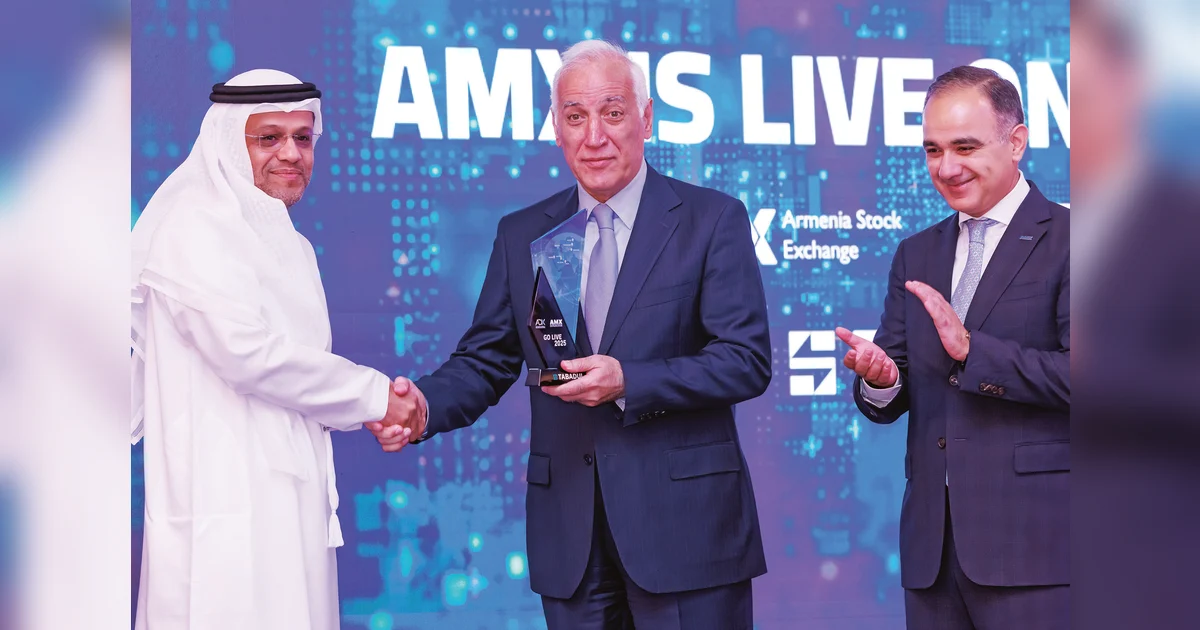
Embracing the latest technology to build a smarter, more inclusive banking future
Unibank, a leading retail bank in Armenia, is leveraging cutting-edge technology to redefine the banking experience and foster financial inclusion. With a network of 52 branches across the country, the bank serves one in three working Armenians and boasts over 300,000 unique loan customers. Its mission is not to be the largest or most powerful bank but to remain customer-centric, offering simple and accessible financial products that empower individuals and small businesses.
At the forefront of innovation, Unibank has integrated artificial intelligence (AI) into its credit scoring and lending processes. This AI-driven system, built on 25 years of statistical data, enables credit decisions in under a minute, significantly enhancing efficiency. The bank’s UBPay platform, which accounts for 24% of Armenia’s money transfer market, is another milestone. With plans to capture 55% of the market by 2027, UBPay’s intuitive API facilitates seamless integration for banks and remittance firms.
Unibank’s digital transformation extends to its call centers, where AI-powered speech-to-text applications streamline post-call checks. The bank also utilizes Telegram channels to foster customer interaction, allowing users to share experiences and advice. These advancements underscore Unibank’s commitment to delivering faster, more efficient, and trustworthy services.
For investors, Unibank offers a secure and profitable avenue through its private banking branch, Unibank Privé. Armenia’s stable and regulated banking sector further enhances its appeal. The bank also emphasizes regional and international partnerships, particularly with Gulf financial institutions, positioning Armenia as a bridge for investment and trade.
By embracing AI and digitalization, Unibank is not only shaping the future of banking in Armenia but also setting a benchmark for inclusivity and innovation in the global financial landscape.