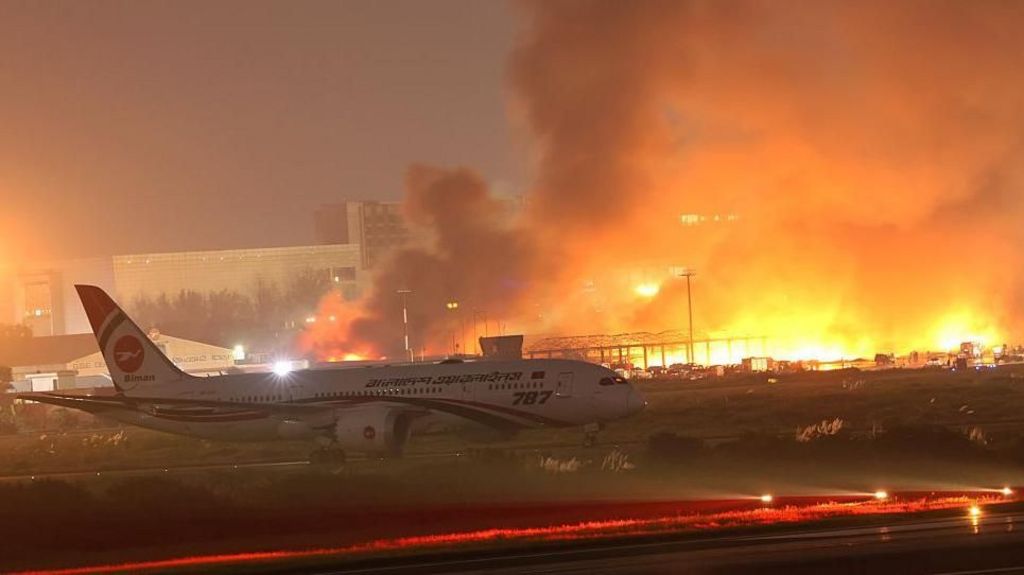
A catastrophic fire at Hazrat Shahjalal International Airport in Bangladesh has left the nation’s business community reeling, with potential losses estimated at over $1bn (£750m). The blaze, which erupted in the airport’s logistics section on Saturday, destroyed vast quantities of clothing, raw materials, and other essential goods, putting numerous businesses at risk. The fire, which took 27 hours to extinguish, forced the temporary suspension of flights and airport operations. Bangladesh, the world’s second-largest apparel exporter after China, relies heavily on its garment sector, which generates approximately $40bn annually and contributes over 10% to the country’s GDP. Local media reported that around 35 people were injured while battling the flames. The damaged cargo village, a critical logistics hub, stored fabrics, pharmaceuticals, chemicals, and other goods, including samples crucial for securing new buyers. Inamul Haq Khan, senior vice-president of the Bangladesh Garment Manufacturers and Exporters Association, highlighted that the destruction of these samples could jeopardize future business opportunities. The International Air Express Association of Bangladesh also confirmed the $1bn damage estimate in an email to the BBC. This incident marks Bangladesh’s third major fire within a week, following a deadly warehouse fire that claimed 16 lives and a factory blaze in Chittagong. Online conspiracy theories have linked these incidents, alleging they were pre-planned. Historically, such tragedies have been politicized, with parties accusing each other of exploiting disasters for political gain. The interim government has vowed to take immediate action if evidence of sabotage or arson is found. Frequent fires in Bangladesh are often attributed to poor infrastructure and lax safety enforcement, with hundreds of lives lost in recent years.
分类: business
-
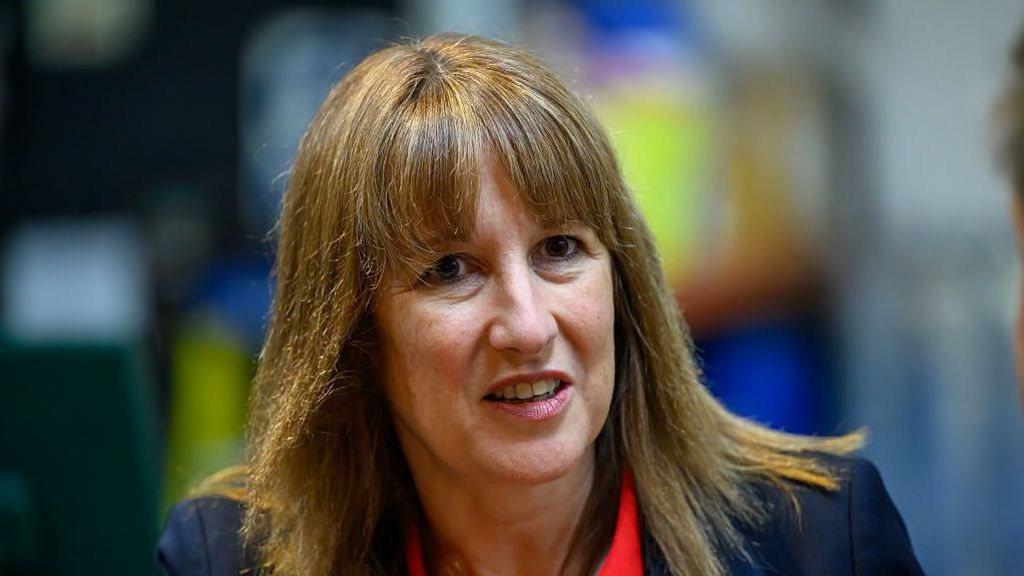
Chancellor says Brexit deal caused long-term damage to economy
In a significant address to the International Monetary Fund (IMF), UK Chancellor Rachel Reeves emphasized the enduring economic repercussions of the 2020 Brexit deal. Speaking at a high-profile international economic committee, Reeves highlighted the UK’s productivity challenges, which she attributed to the manner of the country’s departure from the European Union. She referenced the Office for Budget Responsibility’s (OBR) estimate of a 4% long-term economic decline compared to remaining in the EU, underscoring the UK’s commitment to forging stronger trade relationships to mitigate these effects. This marks a notable shift in the Labour Party’s stance, which had previously been cautious in discussing Brexit’s economic downsides. However, recent developments indicate a more assertive approach, with ministers increasingly vocal about the issue. The Chancellor’s remarks at the IMF, attended by global finance leaders from the G7, China, India, the EU, and European Central Banks, signal a significant change in domestic policy emphasis. This is expected to play a pivotal role in the government’s arguments leading up to the Budget announcement on November 26, where new measures, likely including tax increases, will be necessitated by a downgrade in long-term UK productivity. The OBR is anticipated to provide a detailed explanation for this downgrade in its upcoming forecast, with Brexit expected to be a key factor. Economists have pointed to reduced investment and underperformance in goods trade post-referendum, though some note resilience in services trade and new global trade opportunities. The issue remains sensitive as the government finalizes negotiating positions for a Brexit ‘reset,’ including reducing post-Brexit checks on food and farm trade and supporting UK manufacturers in accessing Europe’s growing defense budgets. European ministers have called for ambitious talks to alleviate the impact of global trade wars. Reeves, who announced £40bn in annual tax rises in her first Budget last November, now faces the prospect of further public finance adjustments. The Conservatives have proposed significant public spending cuts if they win the next election, creating a clear policy divide.
-
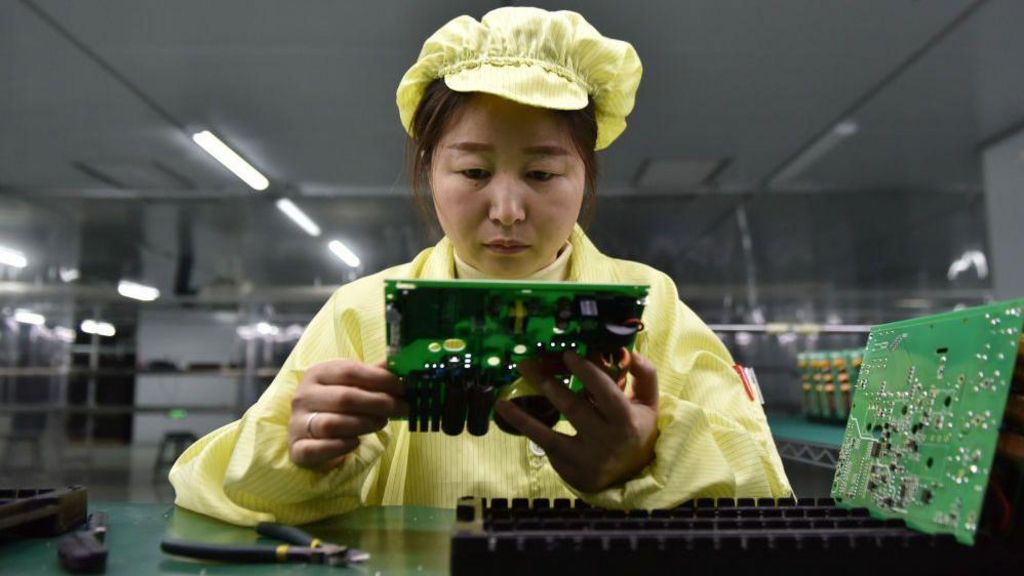
China’s economic growth slows as trade tensions with US flare up
China’s economic expansion decelerated to 4.8% in the third quarter of 2024, marking its slowest pace in a year, as trade tensions with the United States intensified. This figure, released by China’s National Bureau of Statistics on Monday, represents a decline from the 5.2% growth recorded in the previous quarter. The slowdown coincides with Beijing’s imposition of stringent controls on rare earth exports, critical minerals for global electronics production, which has further strained its fragile trade truce with Washington. The third-quarter GDP data will influence discussions among China’s top leaders this week as they deliberate on the nation’s economic strategy for 2026–2030. Despite the challenges, Chinese officials highlighted the economy’s ‘strong resilience and vitality,’ attributing growth momentum to the technology sector and business services. Beijing remains committed to its annual growth target of ‘around 5%,’ supported by government measures to avert a sharp downturn. In response to China’s export controls, US President Donald Trump threatened to impose an additional 100% tariffs on Chinese imports. Meanwhile, US Treasury Secretary Scott Bessent plans to meet Chinese officials in Malaysia to ease tensions and facilitate a potential meeting between Trump and Chinese President Xi Jinping. Prior to the recent escalation, Chinese businesses capitalized on the trade truce, boosting exports to the US by 8.4% in September. China’s industrial output also rose by 6.5% year-on-year, driven by strong performances in 3D printing, robotics, and electric vehicle manufacturing. The service sector, encompassing IT support, consultancies, and logistics, also expanded.
-
Asian shares advance, with Japan’s benchmark surging after ruling party forms new coalition
Asian markets experienced a significant surge on Monday, buoyed by a strong performance on Wall Street and easing concerns over bank lending and the U.S.-China trade war. Japan’s Nikkei 225 soared 2.9% to a record high of 48,970.40, following the Liberal Democratic Party’s formation of a new coalition, paving the way for Sanae Takaichi to potentially become Japan’s first female prime minister. Takaichi is anticipated to advocate for market-friendly policies, including low interest rates and increased government spending. Meanwhile, China reported a 4.8% annual economic growth rate for the last quarter, driven by robust exports to non-U.S. markets. However, this marks the slowest growth pace in a year, as the nation grapples with a prolonged property market slump and sluggish consumer and business spending. The Chinese Communist Party’s leadership convened in Beijing to outline policy goals for the next five years and address personnel changes, with outcomes expected to be formalized in March. Hong Kong’s Hang Seng rose 2.5%, while South Korea’s Kospi hit a record high, fueled by optimism over a potential trade deal with the U.S. and strong semiconductor demand. U.S. futures edged higher, and oil prices declined slightly. Bank stocks stabilized after several institutions reported stronger-than-expected quarterly profits, though concerns linger over loan quality following recent bankruptcies. JPMorgan CEO Jamie Dimon warned of potential risks in the lending sector, emphasizing the need for caution. In currency markets, the U.S. dollar strengthened against the Japanese yen, while the euro also gained ground.
-
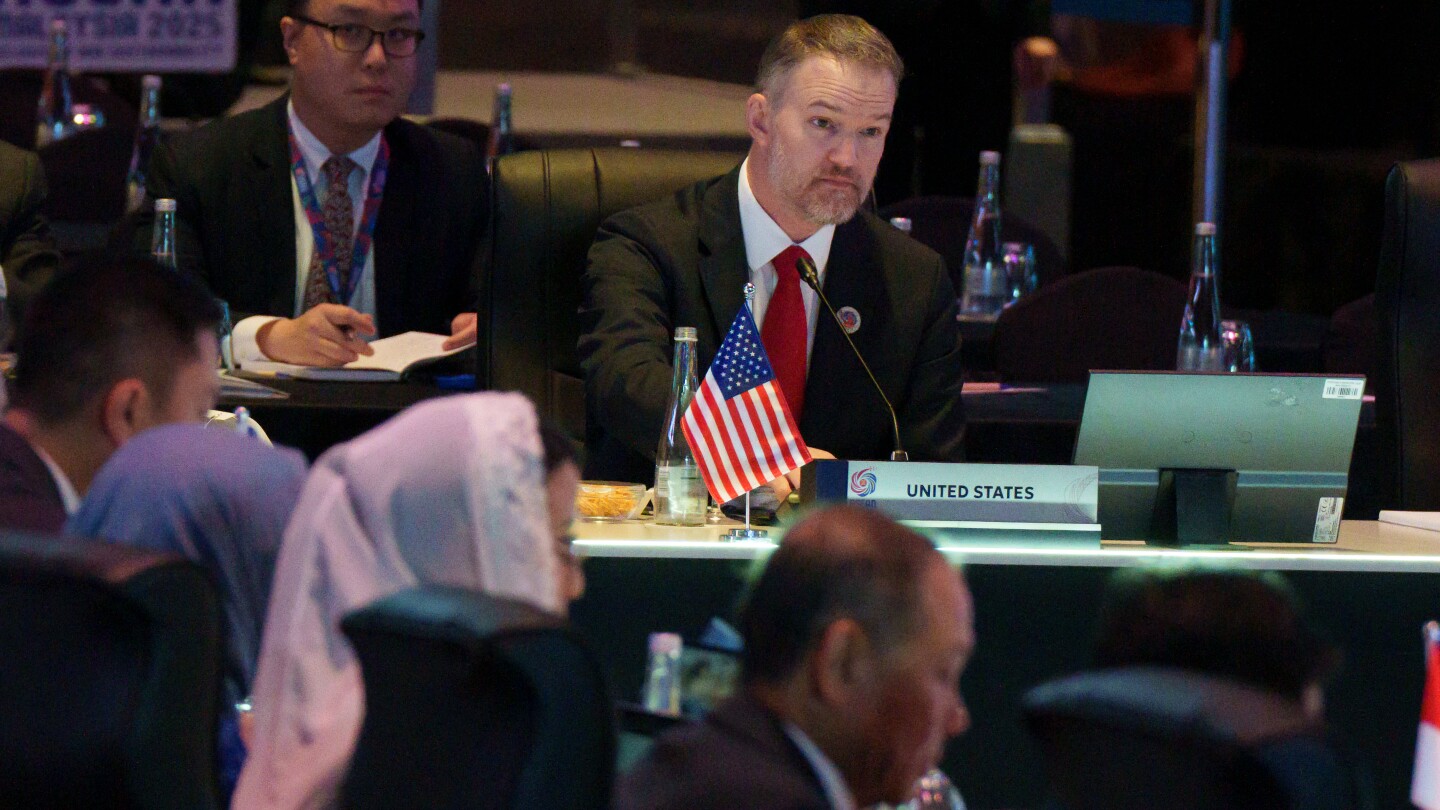
To hit back at the United States in their trade war, China borrows from the US playbook
In a strategic move mirroring U.S. trade practices, China has expanded its export control regulations, requiring foreign companies to seek Chinese government approval for exporting products containing even minimal amounts of China-originated rare earth materials or those produced using Chinese technology. This policy, announced this month, marks a significant escalation in the ongoing trade tensions between the world’s two largest economies. According to U.S. Trade Representative Jamieson Greer, this rule effectively grants China substantial control over the global technology supply chain, as even a South Korean smartphone manufacturer must now obtain Beijing’s permission to sell devices containing Chinese rare earth materials to markets like Australia. This development underscores China’s adoption of the U.S. foreign direct product rule, a decades-old policy that extends U.S. jurisdiction to foreign-made products, particularly those involving American technology. Neil Thomas, a fellow at the Asia Society Policy Institute’s Center for China Analysis, noted that Beijing is leveraging Washington’s playbook, having witnessed the effectiveness of U.S. export controls in constraining China’s economic and political options. The roots of this strategy trace back to 2018, when former U.S. President Donald Trump initiated a trade war with China, prompting Beijing to develop a robust toolkit of laws and policies to counter foreign sanctions and interventions. Measures such as China’s Unreliable Entity List and the anti-foreign sanction law, both modeled after U.S. practices, have been deployed to retaliate against U.S. trade actions. However, experts like Jeremy Daum of Yale Law School caution that such reciprocal measures risk escalating tensions and creating a race to the bottom, where neither side emerges victorious.
-
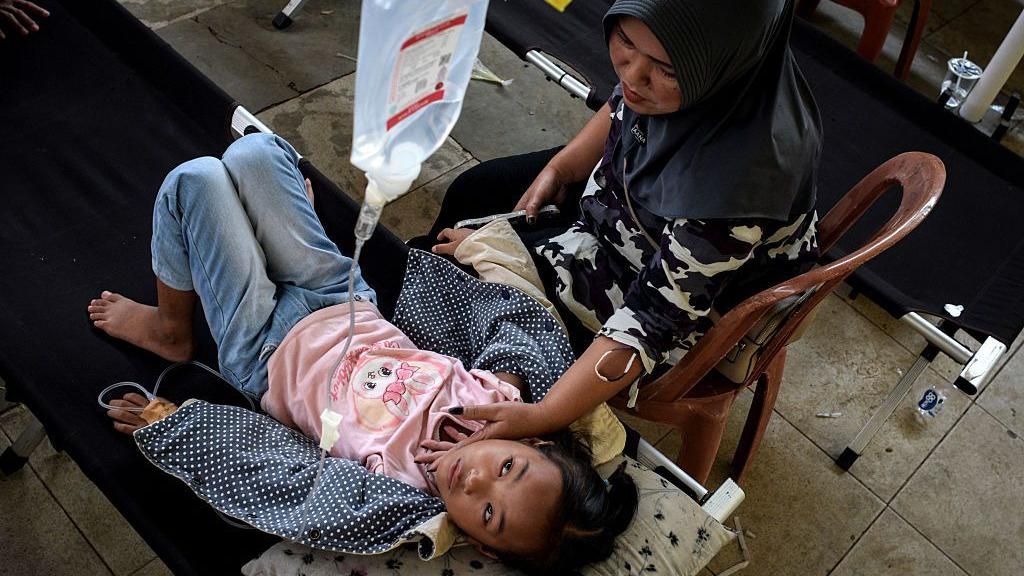
Protests and food poisonings test Indonesian president’s first year in office
When Prabowo Subianto campaigned for Indonesia’s presidency, he promised transformative economic growth and significant social reforms. However, his first year in office has been marked by unmet expectations and growing public discontent. Despite steady annual growth of around 5%, Indonesia faces mounting pressures from slowing global demand, rising living costs, and regional competition from countries like Vietnam and Malaysia. These challenges have been exacerbated by widespread protests against corruption, inequality, and budget cuts in healthcare and education. Prabowo’s flagship free school meals program, aimed at addressing child malnutrition and improving education, has come under scrutiny following reports of mass food poisoning affecting over 9,000 children. Critics argue that the program, which costs $28 billion annually, is straining public resources and failing to deliver its intended benefits. Analysts warn that these issues highlight broader problems in public spending and oversight, pointing to deeper strains in Indonesia’s $1.4 trillion economy. Prabowo’s ambitious growth target of 8% by 2029 is seen as increasingly unrealistic, with economists citing falling car sales, shrinking foreign investment, and layoffs as signs of economic weakening. The abrupt dismissal of respected former finance minister Sri Mulyani Indrawati has further rattled investors, raising concerns about the government’s ability to manage public finances effectively. Despite these challenges, Indonesia continues to seek new trade partnerships, recently signing a long-negotiated deal with the European Union. However, the country’s ability to attract foreign investment and create jobs remains a critical issue, particularly in industries like manufacturing that have driven growth in neighboring countries. As Prabowo’s administration grapples with these economic hurdles, the future of Indonesia’s economy hangs in the balance.
-
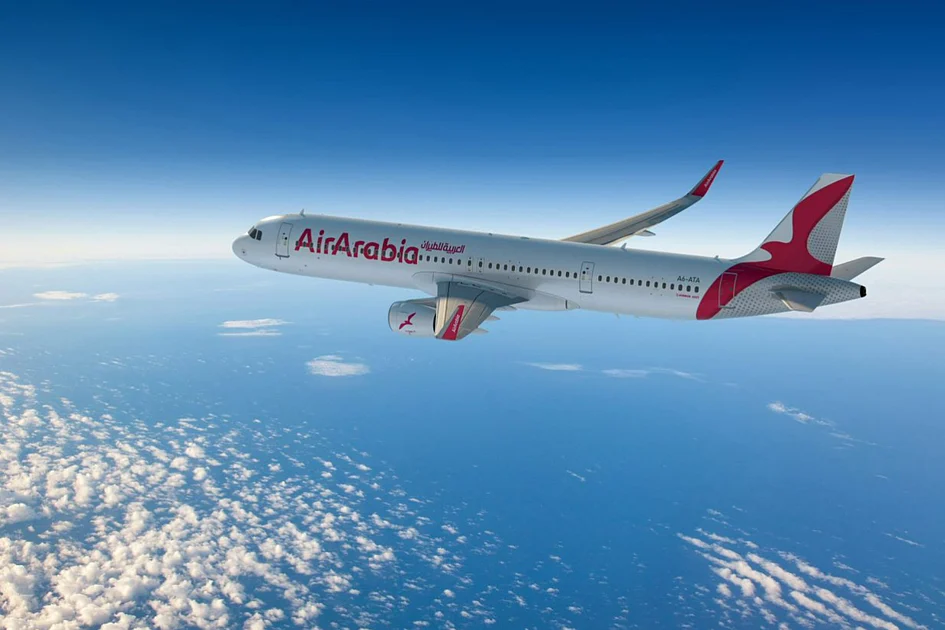
Air Arabia flight plummets close to sea after takeoff; investigation launched
Italian aviation authorities have initiated a safety probe following a concerning incident involving an Air Arabia flight that descended perilously close to the Mediterranean Sea shortly after takeoff. The event, classified as a ‘serious incident’ by Italy’s Agenzia Nazionale Per La Sicurezza Del Volo (ANSV), occurred on September 20, 2025, when the Airbus A320 aircraft, operated by Air Arabia Maroc, departed from Catania Airport in Sicily, bound for Queen Alia International Airport in Jordan. The aircraft’s Ground Proximity Warning System (GPWS) alerted the pilots as it neared the sea surface, prompting immediate corrective action. The flight continued without further issues, and no passengers were onboard, though two pilots and four cabin crew members were present. Air Arabia Maroc has confirmed its full cooperation with the investigation, emphasizing its commitment to safety and transparency. This incident comes amid Air Arabia’s recent expansion, having received its first Airbus A320neo aircraft from a 120-plane order placed in 2019. The airline operates from six hubs across the Middle East, North Africa, and Europe. The investigation highlights ongoing concerns in aviation safety, particularly following a recent Air India crash near Ahmedabad in June 2025.
-
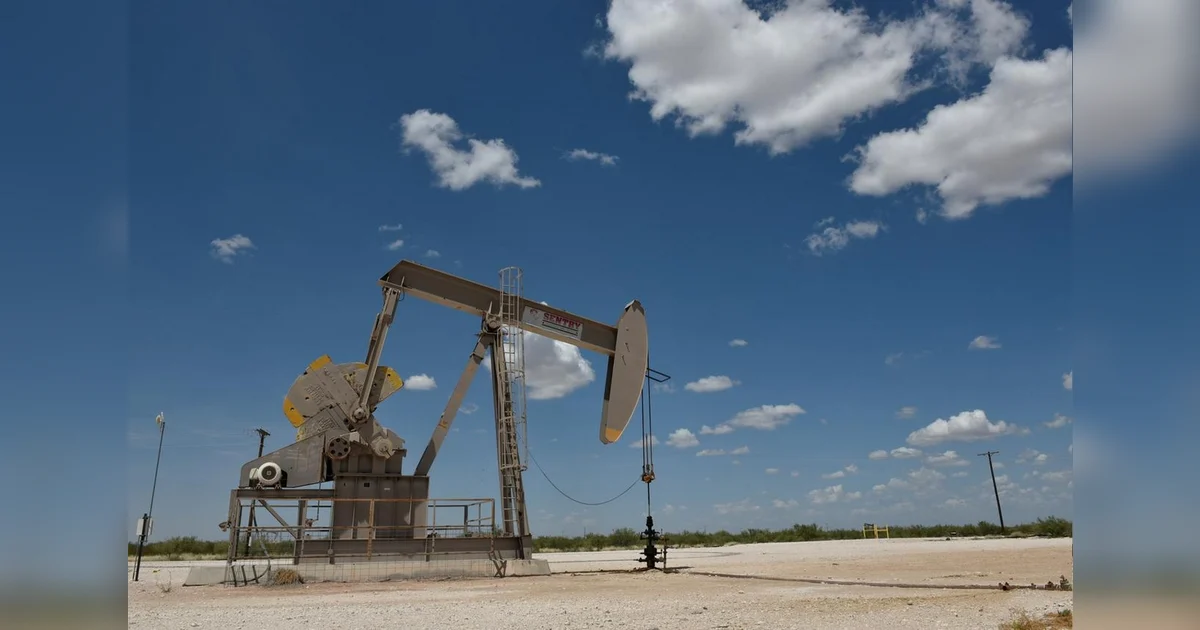
Crude oil at the crossroads: Brent risks $50 slide
The global oil market is teetering on the edge of a significant shift as Brent crude prices hover near $61 a barrel, with analysts warning of a potential collapse to $50 if demand softens further. The delicate balance between OPEC+ production increases and waning global consumption is under intense scrutiny, setting the stage for a pivotal moment in the energy landscape for 2026. Brent crude traded at $61.2 last week, while West Texas Intermediate (WTI) stood at $57.5, both benchmarks down nearly 15% year-to-date. Bank of America (BofA) remains optimistic, defending a $55 price floor, citing steady Asian demand and OPEC+ supply discipline. However, Citigroup predicts a deeper slide to $50, driven by fading economic momentum and geopolitical risk premiums. The International Energy Agency (IEA) reports global oil supply surged by 760,000 barrels per day (bpd) in September, reaching 108 million bpd—the highest since 2019. OPEC forecasts global demand at 105.1 million bpd in 2025 and 106.5 million bpd in 2026, with annual growth of 1.4%. OPEC+ recently approved a modest output hike of 137,000 bpd for November, contributing to rising oversupply concerns. The IEA warns that global inventories could hit record highs by 2026 unless demand accelerates. BofA expects Brent to average $61 in Q4 2025 and rise to $64 in early 2026, citing structural support at $55. Citigroup, however, sees a sharper decline, fueled by easing geopolitical tensions and weaker Chinese data. Geopolitical factors, including U.S.-China trade tensions and India’s resistance to curbing Russian crude imports, add further volatility. Technically, Brent is caught between support at $55 and resistance at $63.50–$64. A weekly close below $55 could validate Citigroup’s bearish outlook, while a move above $64 would support BofA’s stabilization thesis. Analysts anticipate consolidation rather than collapse, but sentiment remains fragile, with the market vulnerable to macroeconomic shocks.
-
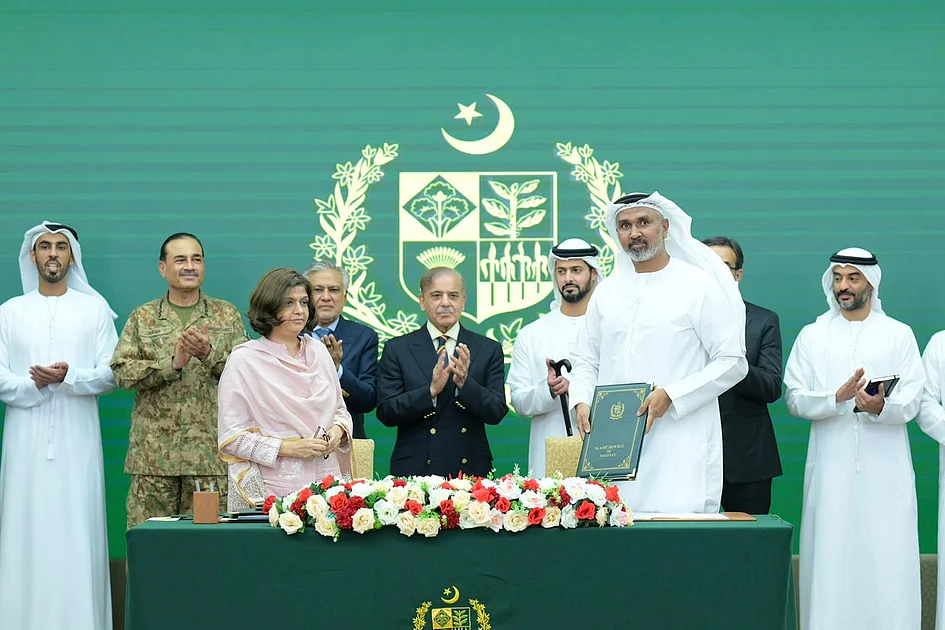
IHC acquires majority stake in First Women Bank, strengthening UAE–Pakistan economic partnership
In a landmark move to strengthen economic ties between the United Arab Emirates (UAE) and Pakistan, Abu Dhabi-based International Holding Company (IHC) has acquired a majority stake in Pakistan’s state-owned First Women Bank Limited (FWBL). The transaction, conducted under Pakistan’s Inter-Governmental Commercial Transactions Act of 2022, marks the first privatization of a bank in Pakistan under a government-to-government (G2G) framework. The announcement was made in the presence of Sheikh Zayed bin Hamdan bin Zayed Al Nahyan, Chairman of 2PointZero, and Pakistan’s Prime Minister Muhammad Shehbaz Sharif. Established in 1989, FWBL operates 42 branches nationwide, offering retail, SME, and corporate banking services. IHC’s investment aims to modernize the bank by integrating advanced technologies such as artificial intelligence (AI) and automation, enhancing its operational efficiency and expanding its footprint across Pakistan. The transformation strategy includes rebranding the bank to reflect its broader mandate of serving all societal segments and accelerating financial inclusion. Syed Basar Shueb, CEO of IHC, emphasized the company’s confidence in Pakistan’s financial potential and its commitment to fostering long-term economic growth. This acquisition follows IHC’s subsidiary, International Resources Holding (IRH), signing a joint venture with the Government of Balochistan in February 2025, further deepening UAE-Pakistan economic cooperation. Together, these initiatives underscore IHC’s vision of driving sustainable growth, technological transformation, and global economic connectivity.
-
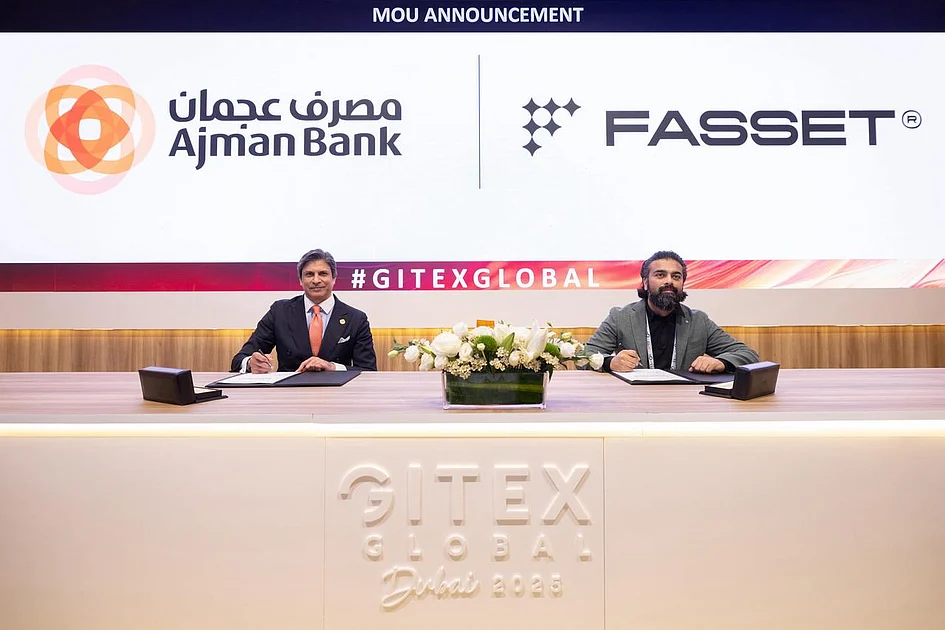
Fasset and Ajman Bank sign MoU to launch Shariah-compliant stablecoins and tokenised assets
In a groundbreaking move, Fasset, a prominent UAE-based digital asset platform, and Ajman Bank, a leading Islamic financial institution, have signed a Memorandum of Understanding (MoU) to introduce Shariah-compliant stablecoins and tokenized assets across the UAE. This collaboration marks a significant milestone in the evolution of Islamic finance, combining the reliability of a regulated Islamic bank with cutting-edge blockchain technology. Under the agreement, Ajman Bank will leverage Fasset’s comprehensive white-label solution to offer embedded digital asset capabilities to both retail and institutional clients. These offerings include access to tokenized real-world assets (RWAs) such as S&P Shariah ETFs, gold-backed financing, staking and savings products, and a private institutional trading desk. Additionally, the partnership will integrate stablecoin payment infrastructure to enhance cross-border efficiency. Fasset will develop the core infrastructure, including wallet solutions, KYC/B integrations, custody services, and regulatory compliance tools, to ensure secure and compliant operations. Mustafa Al Khalfawi, CEO of Ajman Bank, emphasized the partnership’s alignment with the institution’s values, stating that it enables customers to participate in the digital economy without compromising trust or principles. Mohammad Raafi Hossain, CEO and Co-Founder of Fasset, highlighted the collaboration’s focus on meaningful integration, embedding tokenized finance into everyday banking to make wealth creation more accessible and ethical. This partnership underscores the growing demand for compliant and inclusive digital financial products in the UAE and the broader Islamic world, paving the way for a new era in the global financial ecosystem.