分类: business

  • Spain sets a tourism record with 96.8 million foreign visitors in 2025

    Spain sets a tourism record with 96.8 million foreign visitors in 2025

    Spain achieved an unprecedented milestone in its tourism sector during 2025, welcoming a historic 96.8 million international visitors according to official data released by the National Statistics Institute. This represents a substantial 3.2% increase from the previous year’s 94 million tourists, marking the country’s third record-breaking performance since the pre-pandemic era of 2019.

    The economic impact of this tourism surge proved equally remarkable, with visitor spending climbing to €134.7 billion ($158.9 billion) – a significant 6.8% increase from 2024’s €126 billion. This solidifies Spain’s position as the world’s third-largest tourism revenue generator, trailing only the United Kingdom and France according to the UN World Tourism Barometer.

    Tourism officials highlighted that both the visitor numbers and increased expenditure align with Spain’s strategic pivot toward a more sustainable tourism paradigm that emphasizes quality over quantity. The industry remains a cornerstone of the national economy, accounting for 12.6% of Spain’s gross domestic product.

    Regionally, Catalonia – home to Barcelona – maintained its appeal with approximately 20.1 million visitors (a 0.6% increase), followed by the Mediterranean coastal regions and the Canary Islands, which continue to be flagship destinations for Spain’s renowned sun-and-beach tourism.

    The United Kingdom supplied the largest tourist contingent at 19 million visitors, with France (12.7 million) and Germany (12 million) comprising other major source markets.

    This tourism resurgence has not been without challenges, however. The massive influx has created accommodation pressures, particularly in urban centers where short-term rental proliferation has occasionally created friction with local residents. Many Spaniards express concerns about being priced out of housing markets in areas experiencing mass tourism effects.

    Globally, the post-pandemic travel recovery continued with approximately 1.52 billion international tourist arrivals recorded worldwide in 2025 – nearly 60 million more than the previous year according to UN estimates.

  • Air India grounds Boeing jet after pilot flags possible fuel control switch defect

    Air India grounds Boeing jet after pilot flags possible fuel control switch defect

    Air India has temporarily removed a Boeing 787-8 Dreamliner from service after a flight crew member identified a potential malfunction in the aircraft’s fuel control mechanism. The carrier confirmed in an official communication that it has prioritized inspection of the reported concern while maintaining dialogue with both Boeing manufacturers and Indian aviation authorities.

    The incident occurred following a routine flight from London to Bengaluru, where the operating pilot notified engineers of anomalous readings related to the fuel system controls. While specific technical details remain undisclosed, the event has garnered significant attention due to its temporal proximity to last year’s catastrophic Air India Dreamliner crash near Ahmedabad.

    Boeing’s corporate communications team acknowledged the situation, stating: “We maintain ongoing coordination with Air India and are providing technical assistance to facilitate their operational assessment.”

    This development emerges against the backdrop of India’s Aircraft Accident Investigation Bureau (AAIB) progressing toward final conclusions regarding the June 2023 tragedy that claimed 260 lives. Preliminary findings from that investigation indicated the crashed aircraft’s fuel switches unexpectedly transitioned from ‘run’ to ‘cutoff’ position during initial ascent, resulting in dual engine failure.

    Both the U.S. Federal Aviation Administration and India’s Directorate General of Civil Aviation (DGCA) previously conducted comprehensive reviews of Boeing’s fuel switch systems following last year’s accident. Air India maintains that its fleet-wide inspection of 787 Dreamliners conducted under DGCA mandate revealed no pre-existing defects in switch locking mechanisms.

  • Australia’s central bank raises interest rate to 3.85% after 3 cuts

    Australia’s central bank raises interest rate to 3.85% after 3 cuts

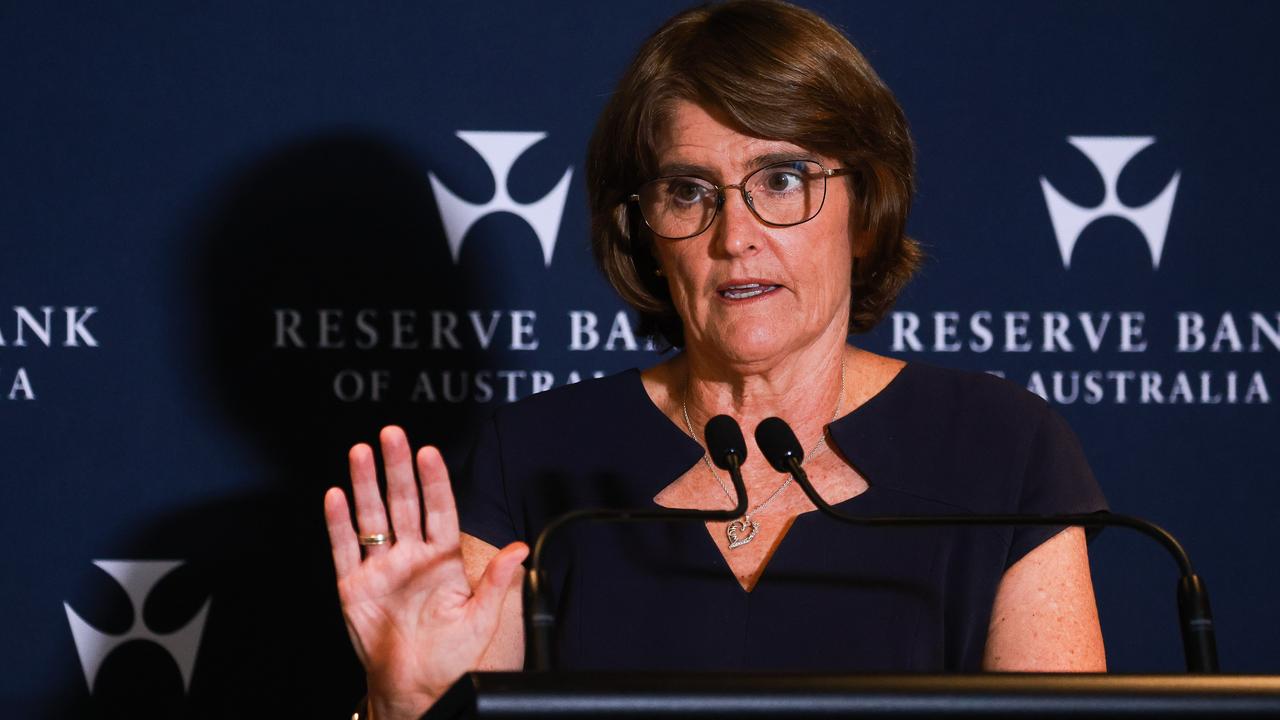
    In a significant monetary policy reversal, the Reserve Bank of Australia (RBA) has increased its benchmark interest rate by 25 basis points to 3.85% during its latest meeting. This decision marks a dramatic shift from the bank’s previous easing cycle, which saw three consecutive rate reductions throughout the previous year.

    The unexpected policy tightening comes as Australia confronts a concerning resurgence in inflationary pressures. Recent government statistics revealed consumer prices accelerated to 3.8% annually through December, substantially exceeding both market expectations and the RBA’s target range of 2-3%. This represents a notable increase from the 3.4% reading recorded in November.

    In its official statement, the central bank acknowledged that while inflation has moderated significantly from its peak of 7.8% in late 2022, it has ‘picked up materially in the second half of 2025.’ The board expressed concern that ‘inflation is likely to remain above target for some time,’ necessitating proactive monetary intervention.

    The rate adjustment represents the first increase since November 2023, when the cash rate moved from 4.10% to 4.35%. This reversal has drawn attention from economists, particularly given the bank’s three 25-basis-point reductions implemented in February, May, and August of last year.

    EY Oceania Chief Economist Cherelle Murphy characterized the rapid policy reversal as unusual, noting the rarity of implementing a rate hike merely six months after cutting. Murphy suggested the previous reductions might have been unnecessary in retrospect, though she acknowledged the decision appeared justified given the favorable inflation data available at the time.

    Adding complexity to the economic landscape, Australia’s unemployment rate has unexpectedly declined from 4.3% in November to 4.1% in December, indicating potential overheating in the labor market. Murphy warned that ‘the economy is running a little bit too hot’ and wouldn’t rule out additional rate increases later this year.

    Treasurer Jim Chalmers described the development as ‘difficult news’ for mortgage holders and businesses, while simultaneously defending government fiscal policy. Chalmers emphasized that the RBA’s statement attributed inflationary pressures primarily to growth in private demand driven by household spending and investment rather than public expenditure.

  • Asian shares surge as markets regain momentum after recent volatility

    Asian shares surge as markets regain momentum after recent volatility

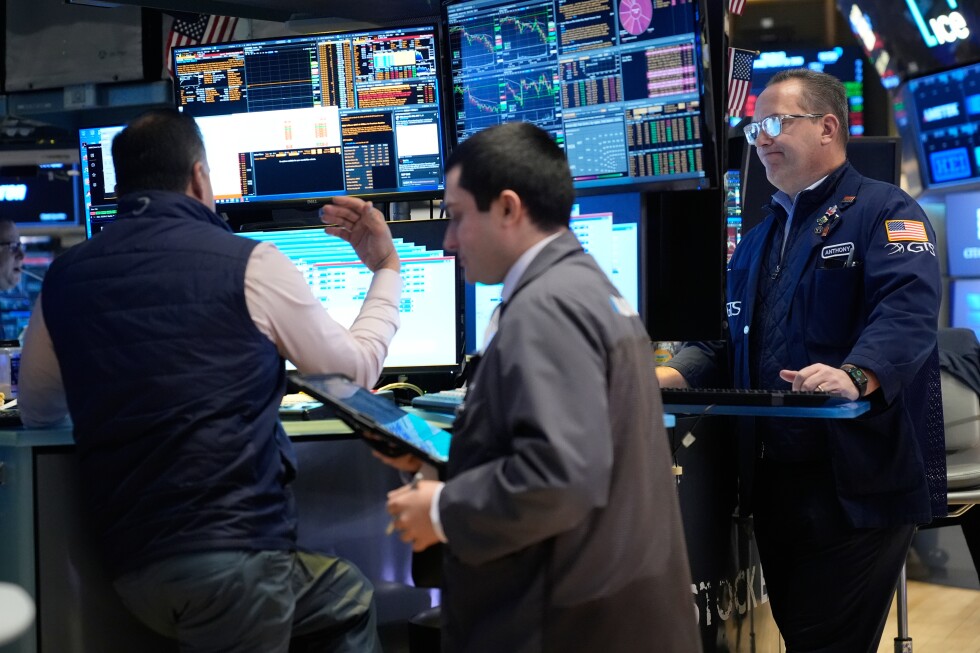
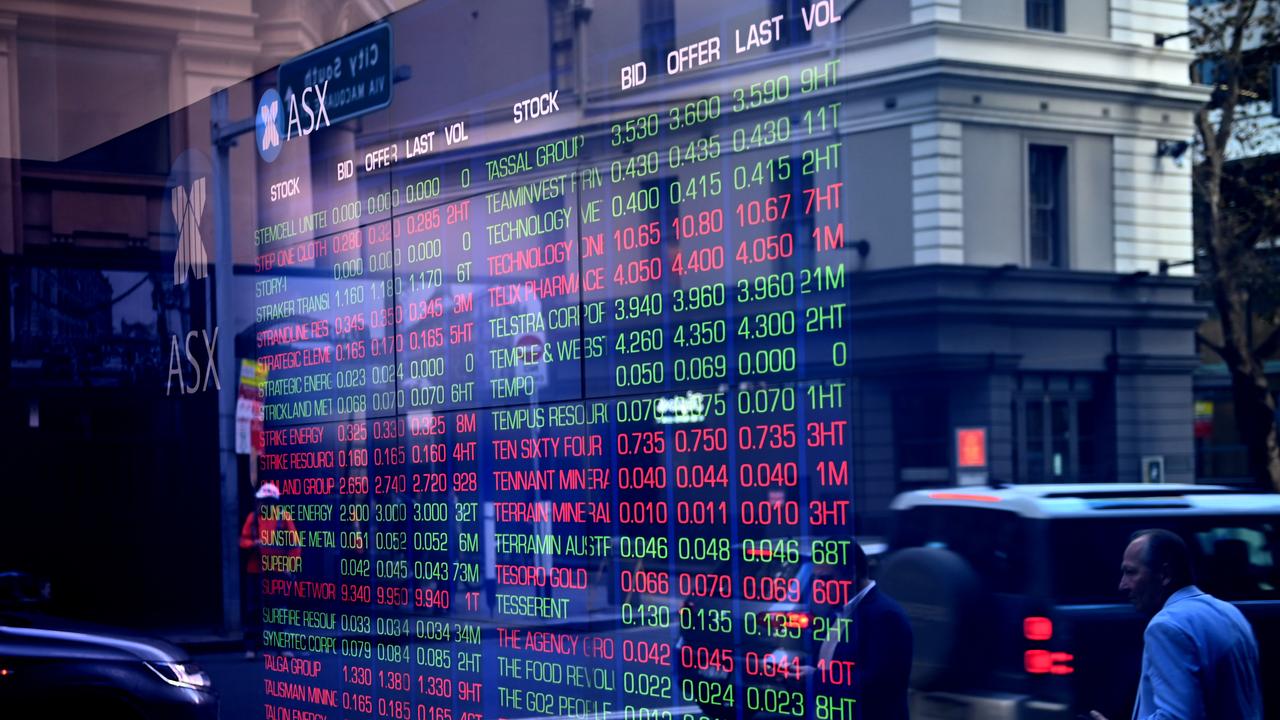
    Asian financial markets experienced a significant rebound on Tuesday, with technology stocks driving substantial gains across major indices. South Korea’s Kospi index led the regional rally with an impressive 5% surge to 5,197.86, nearly recovering from Monday’s dramatic selloff that triggered automatic trading suspensions. Japan’s Nikkei 225 followed closely with a 3.2% climb to 54,346.33.

    The recovery was particularly notable in the semiconductor sector, where Samsung Electronics Co. soared 6.9% and SK Hynix skyrocketed 7.5%. Japanese equipment manufacturers also posted strong performances, with Disco Corp. advancing 6% and Advantest gaining 5.6%. This resurgence came as investors regained confidence following concerns about potential artificial intelligence market bubbles.

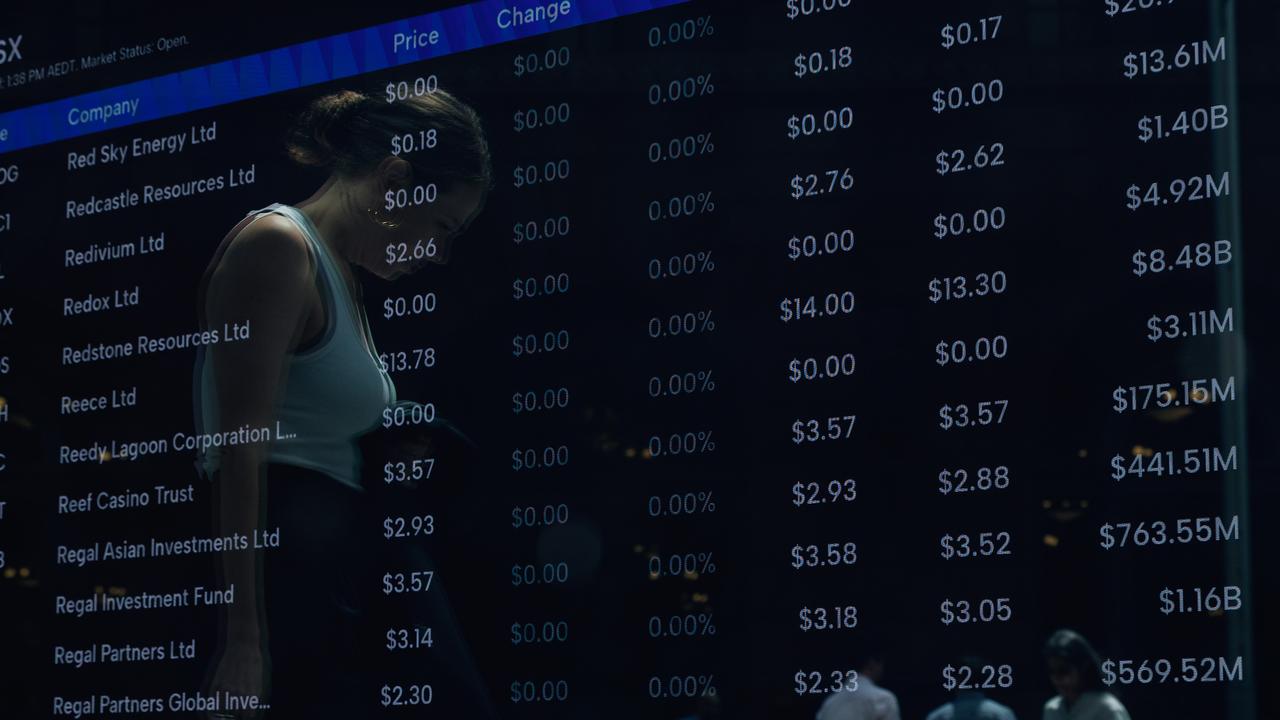
    Meanwhile, other Asian markets showed more modest movements. Hong Kong’s Hang Seng remained nearly unchanged at 26,786.47, while China’s Shanghai Composite added 0.4% to reach 4,031.07. Australia’s S&P/ASX 200 edged up 1.2% to 8,880.20 ahead of a central bank interest rate decision.

    The market movements occurred against a backdrop of global economic uncertainty, with investors closely monitoring several key factors. Ongoing concerns include potential rare earth export restrictions from China and the impact of former President Donald Trump’s tariff policies. These developments are influencing corporate earnings expectations and investment strategies across international markets.

    In parallel commodity markets, precious metals continued their volatile trading patterns. Gold prices increased 3.4% while silver rebounded with a 7.5% gain, partially recovering from Friday’s dramatic 31.4% plunge. Market analysts attribute these fluctuations to broader concerns about Federal Reserve independence, elevated U.S. stock valuations, global tariff threats, and substantial government debt levels worldwide.

    Energy markets showed slight declines, with benchmark U.S. crude falling 14 cents to $62.00 per barrel and Brent crude shedding 22 cents to $66.08. Currency markets experienced minor adjustments as the U.S. dollar declined slightly against the Japanese yen to 155.42, while the euro strengthened modestly to $1.1812.

  • Standard Chartered raises $170 million in DIFC deal

    Standard Chartered raises $170 million in DIFC deal

    In a strategic financial maneuver executed on February 2, 2026, Standard Chartered Bank has successfully raised $170 million through the issuance of a Certificate of Deposit via its Dubai International Financial Centre (DIFC) branch. This transaction was conducted under the bank’s established UK electronic commercial paper and certificate of deposit program, marking a significant advancement in utilizing Dubai as a pivotal platform for international capital mobilization.

    Certificates of Deposit represent short-term investment instruments that financial institutions employ to secure funding from substantial investors, including institutional entities and asset management firms. For the broader public, this signifies a regulated borrowing mechanism where the bank obtains short-term capital while providing investors with a secure, tradable instrument guaranteed by a globally recognized financial entity.

    The execution of this financial operation through the DIFC underscores the United Arab Emirates’ expanding influence as a global financial nexus, strategically connecting capital flows between Asia, the Middle East, Africa, and European markets. Camil Zoghby, Head of Treasury Markets for the Middle East, North Africa and Pakistan at Standard Chartered, emphasized that “this issuance represents the first of many in the region and constitutes a crucial milestone in enhancing our funding resilience while extending our global liquidity reach.”

    This financial development not only strengthens Standard Chartered’s funding infrastructure and access to diverse international capital pools but also validates the UAE’s sophisticated financial ecosystem. The nation’s sustained investments in robust regulatory frameworks, transparent market operations, and advanced digital financial infrastructure have positioned Dubai as an increasingly attractive destination for complex international funding activities.

    The transaction simultaneously benefits multiple stakeholders: investors gain exposure to low-risk, short-term investment vehicles backed by a globally active banking institution, while the UAE reinforces its standing as a credible and sophisticated jurisdiction for international financial operations. By selecting the DIFC as the platform for this issuance, Standard Chartered actively contributes to the UAE’s broader ambition of establishing itself as a preeminent global financial center bridging Eastern and Western capital markets.

  • UAE government adopts regulated stablecoin as a mode of payment for the government services

    UAE government adopts regulated stablecoin as a mode of payment for the government services

    The United Arab Emirates has achieved a groundbreaking milestone in digital governance by formally authorizing the use of AE Coin, a regulated stablecoin, as an official payment method for all federal government services. This landmark decision represents the first nationwide implementation of a central bank-licensed stablecoin for government fee payments anywhere in the Middle East region.

    The strategic initiative, announced during Abu Dhabi Finance Week, positions the UAE at the forefront of institutional Web3 adoption and public-sector digital transformation. AE Coin operates as the UAE’s first central bank-licensed, fully reserved payment token backed by the UAE dirham, administered through the AEC Wallet platform powered by Al Maryah Community Bank (Mbank).

    To operationalize this visionary framework, three major financial institutions—Commercial Bank of Dubai (CBD), Abu Dhabi Islamic Bank (ADIB), and Network International—have executed separate Memoranda of Understanding with Mbank. These agreements establish the necessary payment infrastructure to facilitate AE Coin transactions across all federal ministries, authorities, and government service channels.

    Saeed Saeed Rashed Al Yateem, Assistant Undersecretary for Resources and Budget at the Ministry of Finance, emphasized that this recognition “reinforces the UAE’s position as one of the most advanced nations in building a fully integrated financial and digital infrastructure.” The integration of this blockchain-based digital currency into government revenue systems demonstrates the country’s commitment to harnessing advanced technologies for more efficient and reliable public services.

    Industry leaders celebrated the development as transformative for the UAE’s financial ecosystem. Mohammed Wassim Khayata, CEO of Al Maryah Community Bank, described the move as “a powerful demonstration of how regulated digital finance can enhance public services, simplify transactions, and accelerate national innovation.” Ramez Rafeek, General Manager of AED Stablecoin LLC, noted that this implementation “sets a new regional benchmark for real-world utility” of virtual assets.

    The initiative aligns with the UAE’s broader vision of creating a next-generation digital government where services become more accessible, responsive, and integrated across channels. By enabling instant, low-cost payments with enhanced security protections, the framework advances financial inclusion while providing more flexible digital payment options for citizens and businesses alike.

  • The yachting industry searches for alternatives to teak

    The yachting industry searches for alternatives to teak

    The global luxury yacht industry is undergoing a significant transformation as it confronts the ethical and legal implications of using Myanmar teak, a prized tropical hardwood now largely prohibited in Western markets. This shift follows high-profile cases involving superyachts belonging to tech billionaires, including Jeff Bezos’s $500 million vessel Koru, built by Netherlands-based Oceanco. Both Oceanco and UK-based Sunseeker faced substantial fines in late 2024 for using this sanctioned timber, which they described as unintentional breaches of due diligence.

    Myanmar teak, renowned for its rot resistance, density, and aesthetic appeal, has long been the standard for high-end yacht decking and interiors. However, its harvest from old-growth forests is controlled by the country’s military-linked sector, leading to international trade sanctions following the 2021 coup. These sanctions, building on existing restrictions, have made imports into the UK, EU, and US illegal.

    The exhaustion of pre-sanction stockpiles and increasing regulatory scrutiny are now accelerating the adoption of alternatives. The industry is exploring a range of innovative materials, including thermally-modified woods, fully synthetic composites, and engineered teak laminates. Major players like Sunreef Yachts, based in Poland and Dubai, have announced a complete transition away from teak. The company now utilizes thermally-modified woods that not only mimic teak’s appearance but offer superior thermal performance, keeping decks cooler and reducing cabin air conditioning needs.

    New products like Tesumo, developed through a collaboration between the University of Göttingen and German shipyard Lürssen, are gaining traction. This material uses a fast-growing African hardwood that undergoes heat treatment and resin impregnation. It has already been installed on high-profile superyachts, including one linked to Google co-founder Sergey Brin.

    Despite these advances, challenges remain. Plantation-grown teak is often viewed as inferior due to shorter, narrower boards and inconsistent quality. While some smaller builders, like the UK’s Jeremy Rogers, continue to source from certified sustainable plantations in Java, the industry consensus is shifting. The driving force is a combination of regulatory pressure, supply chain sustainability concerns, and a growing recognition that modern alternatives can meet the exacting standards of the world’s most discerning yacht owners.

  • Trump launches $12-billion minerals stockpile to boost US manufacturing, counter China

    Trump launches $12-billion minerals stockpile to boost US manufacturing, counter China

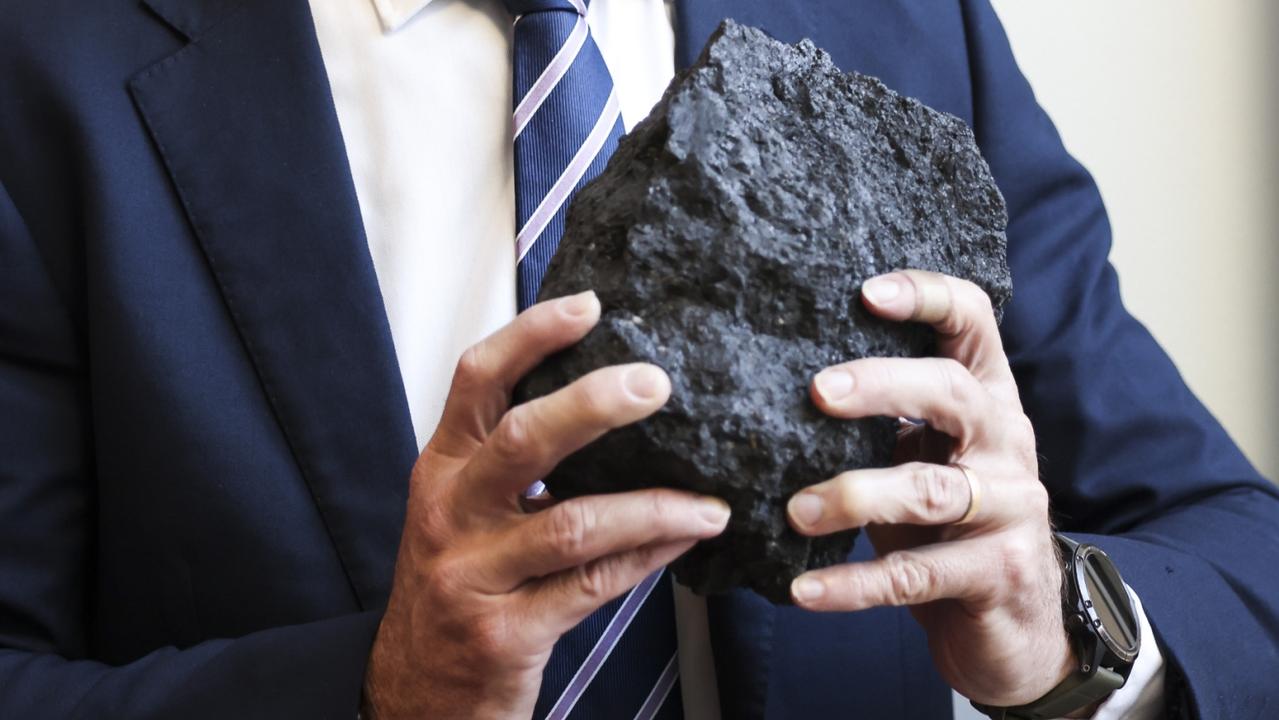
    The Trump administration has unveiled a groundbreaking $12 billion initiative to establish a national stockpile of critical minerals, marking a significant escalation in the US-China trade and technology competition. Dubbed ‘Project Vault,’ the program will utilize seed funding from the US Export-Import Bank to acquire strategic reserves of lithium, nickel, rare earth elements, and other minerals essential for electric vehicle batteries, advanced weaponry, and consumer electronics.

    According to an administration official familiar with the plan, the initiative represents Washington’s direct response to perceived Chinese price manipulation in global mineral markets that has hampered American mining operations for years. The venture will combine private investment with a substantial $10 billion EXIM Bank loan to create a buffer stock for manufacturers, insulating them from volatile pricing and supply chain disruptions.

    Three major commodities trading firms—Hartree Partners, Traxys North America, and Mercuria Energy Group—have been designated to manage the procurement process for the strategic reserve. The program’s structure allows automotive and technology companies to access vital materials while keeping inventory risks off their balance sheets, analogous to a wholesale membership model for industrial materials.

    Beyond commercial applications, Project Vault includes provisions for establishing a 60-day emergency mineral supply for national security purposes. The initiative comes alongside legislative efforts from bipartisan lawmakers who recently proposed a separate $2.5 billion mineral stockpile bill, indicating broad political consensus on addressing supply chain vulnerabilities in critical materials.

  • SpaceX to take over Elon Musk’s AI firm

    SpaceX to take over Elon Musk’s AI firm

    In a strategic consolidation of his technological empire, billionaire entrepreneur Elon Musk has orchestrated the acquisition of artificial intelligence startup xAI by aerospace manufacturer SpaceX. The merger, formally announced through an official corporate memorandum on Monday, represents Musk’s latest effort to create synergistic connections between his diverse business interests.

    The integration positions xAI—recognized for developing the Grok conversational AI platform—within SpaceX’s operational structure, creating what Musk describes as a comprehensive ‘innovation engine.’ This combined entity will pursue advancements across multiple technological domains including artificial intelligence, rocket propulsion systems, satellite internet services, and media platforms.

    Financial specifics of the transaction remain undisclosed to the public. This development follows Tesla’s recent $2 billion investment in xAI, which Musk previously characterized as an ‘orchestra conductor’ for the electric vehicle company’s autonomous manufacturing robotics initiatives. That earlier investment faced shareholder resistance, with opposition votes and abstentions surpassing approvals during last year’s investor referendum.

    Musk’s vision extends beyond terrestrial applications, proposing that orbital infrastructure could address the substantial energy requirements of advanced AI systems. ‘In the long term, space-based AI is obviously the only way to scale,’ he stated in the memorandum, identifying Earth-launched AI satellites as the project’s immediate priority.

    The acquisition coincides with reports that SpaceX is preparing for a potential public listing, though the company has not confirmed these speculations. Musk’s ambitious roadmap suggests that revenue generated from space-based data processing centers could eventually fund extraterrestrial colonization efforts, including self-sustaining lunar installations and Martian settlements, ultimately supporting humanity’s expansion throughout the solar system.

  • Air India grounds Boeing Dreamliner plane after pilot flags fuel control switch issue

    Air India grounds Boeing Dreamliner plane after pilot flags fuel control switch issue

    Air India has temporarily removed a Boeing 787 Dreamliner from service after a pilot identified a potential malfunction with the aircraft’s fuel control switch. This specific component is currently under investigation regarding a fatal aviation disaster that occurred in June last year, claiming 260 lives.

    The Tata Group and Singapore Airlines-owned carrier confirmed the grounding in a statement on Monday, February 2nd, 2026. The airline emphasized its commitment to safety, stating, “We have grounded said aircraft and are involving the OEM (Original Equipment Manufacturer) to get the pilot’s concerns checked on a priority basis.” The matter has been formally reported to India’s primary aviation regulatory body.

    This incident brings renewed scrutiny to both Air India and Boeing. The airline sought to reassure the public and regulators by confirming it had previously inspected the fuel control switches across its entire fleet of Boeing 787 aircraft. This inspection was conducted in compliance with a directive issued by regulators following last year’s tragic crash, with the airline reporting no anomalies at that time.

    As of the initial report, Boeing and India’s Civil Aviation Ministry had not issued an immediate public response to requests for comment from Reuters. The situation highlights the ongoing safety protocols and heightened vigilance within the aviation industry following major accidents.