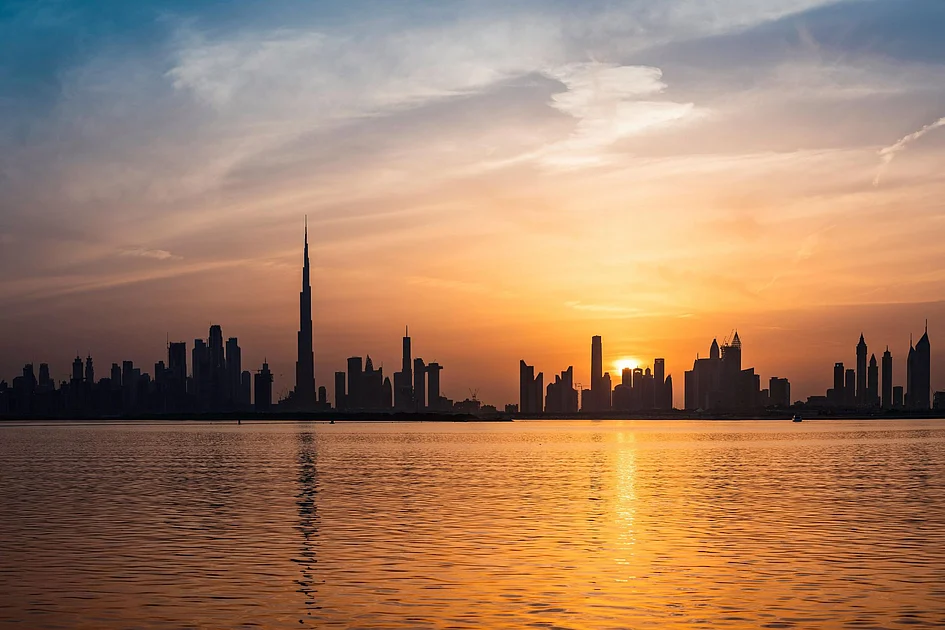
Dubai’s real estate market is undergoing a significant transformation, transitioning from rapid expansion to a more measured, segment-driven growth phase, as revealed by Q3 2025 data. According to a report by Betterhomes, the city recorded 55,280 property transactions worth Dh139.7 billion, marking an 18% year-on-year increase in both volume and value. However, the market’s trajectory is far from uniform, with distinct trends emerging across different property types. Apartments, particularly off-plan units, emerged as the standout performers, with sales surging 35% quarter-on-quarter—the highest jump ever recorded. Studios and one- to two-bedroom units dominated 80% of apartment transactions, driven by investor demand for liquidity and rental returns. In contrast, the villa and townhouse segment experienced a downturn, with villa sales dropping 22% year-on-year and off-plan villa transactions plummeting 69%. Louis Harding, CEO of Betterhomes, noted that villas, especially off-plan ones, face pricing and design challenges that require recalibration. Meanwhile, Dubai’s rental market remained robust, with leasing transactions nearly doubling year-on-year (+92%). Apartments led the charge with a 42% quarter-on-quarter increase, while townhouses rose 36%. The average annual rent stood at Dh196,000, with apartments averaging Dh145,000. Investor activity continued to dominate, accounting for 63% of all purchases, up from 58% in Q2. Mortgage-backed transactions eased slightly to 51%, reflecting a balanced buyer mix. Christopher Cina, Director of Sales, highlighted the market’s strength and depth, with volumes surging 11% despite a 6% dip in values from Q2 highs. The average price per square foot reached Dh1,664, nearly double the 2020 level. Over 28,500 units were delivered in 2025, with 250,000 more scheduled through 2027, underscoring Dubai’s long-term development momentum. As Q4 begins, the market is expected to focus on mid- to upper-mid products, particularly apartments, while luxury property transactions show signs of pause. Harding concluded that the market’s narrative is shifting from runaway growth to realignment, with Q4 set to test the stability of these trends.
分类: business
-
NRIs in UAE: Setting up a shipbuilding business in India after retirement
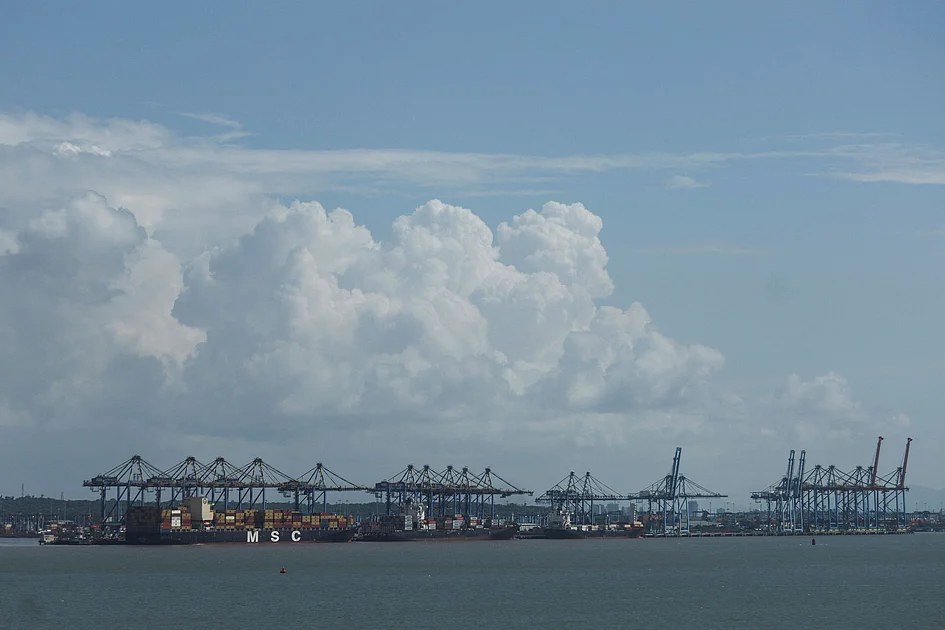
The Indian government has unveiled a transformative financial package worth approximately Rs700 billion to bolster the maritime sector, offering lucrative opportunities for Non-Resident Indians (NRIs) and global investors. This initiative, designed to address India’s minimal share in global shipbuilding output, focuses on four key areas: enhancing domestic capacity, improving long-term financing, promoting greenfield and brownfield shipyard development, and advancing technical capabilities and skilling. The package includes three major schemes: the Shipbuilding Assistance Scheme (Rs250 billion), the Maritime Development Fund (Rs250 billion), and the Shipbuilding Development Scheme (Rs200 billion). Collectively, these schemes aim to generate Rs4.5 trillion in investments, produce 2,500 vessels, and create a 4.5 million gross tonnage capacity, positioning India as a maritime self-reliant nation. Additionally, the initiative seeks to build resilient supply chains and reduce dependence on foreign ships. For NRIs like those in the UAE considering post-retirement ventures in India, this presents a promising opportunity to leverage their expertise in shipbuilding and related industries. Beyond maritime advancements, India has made significant strides in innovation, climbing from the 81st position in 2015 to the 38th in 2025 on the Global Innovation Index (GII). This growth is driven by robust ICT services exports, a vibrant venture capital landscape, and advancements in technology, including the development of semiconductors and 6G infrastructure. Furthermore, the Reserve Bank of India (RBI) is making progress in internationalizing the rupee, with plans to establish reference rates for cross-border trade transactions, starting with the Indonesian Rupiah and the UAE Dirham. These measures aim to enhance the rupee’s acceptability in global trade, though full implementation will require time and increased transaction volumes.
-

Armenia to host world tourism communication forum this month
Armenia is set to host the World Tourism Communication Forum from October 23 to 25, 2025, in Yerevan. Organized by the Tourism Committee of the Ministry of Economy, the event, titled “Tourism Talks: Connecting People, Places, and Perspectives,” aims to foster meaningful dialogue and collaboration between public and private sectors. The forum will bring together global leaders, policymakers, and communication experts to explore how strategic communication can shape the future of tourism. Lusine Gevorgyan, Chairman of the Tourism Committee of Armenia, emphasized the forum’s goal to highlight the role of communication in building trust, inclusion, and sustainable tourism growth. The event will feature keynotes, panel discussions, workshops, and interactive dialogues on themes such as intercultural communication, destination branding, and community-driven narratives. Distinguished moderators, including UN Tourism Regional Director Cordula Wohlmuther and BBC Studios’ Sergey Stanovkin, will lead the sessions, ensuring insightful discussions and actionable takeaways for participants.
-
Aster DM Healthcare ranked 2nd largest healthcare provider in UAE, 15th in EMEA by revenue
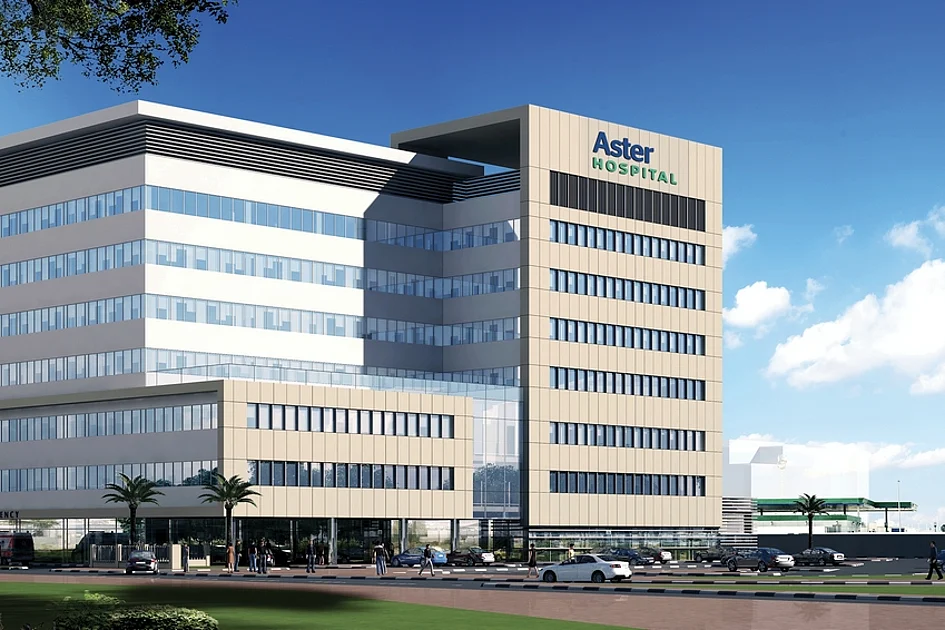
Aster DM Healthcare, a prominent integrated healthcare provider in the GCC and India, has achieved significant milestones in the healthcare industry. According to Healthcare Business International’s (HBI) 2025 report, the company has been ranked as the second-largest healthcare provider in the UAE and the 15th largest in the EMEA region by revenue. This recognition underscores Aster DM Healthcare’s substantial influence and growth in the global healthcare sector. Additionally, four of its hospitals were recently featured in Newsweek’s ‘World’s Best Smart Hospitals 2026’ list, which highlights 350 top hospitals worldwide. Dr. Azad Moopen, Founder Chairman of Aster DM Healthcare, expressed pride in this achievement, attributing it to nearly four decades of patient trust and the company’s commitment to delivering high-quality, accessible, and compassionate care. He emphasized that the organization’s mission aligns with the UAE’s Vision 2031, which aims to position the country as a global healthcare hub. Alisha Moopen, Managing Director & Group CEO, echoed this sentiment, stating that the recognition reflects the dedication of their teams and the trust placed in them by their customers. Established in 1987, Aster DM Healthcare operates a vast network of 15 hospitals, 124 clinics, and 333 pharmacies across the GCC and Jordan. The company is renowned for its integrated healthcare model, which includes three distinct brands: Aster, Medcare, and Access. In line with its vision of accessible healthcare, Aster has also launched the region’s first healthcare super app, myAster, to meet the evolving needs of patients through both physical and digital channels.
-
Walmart halts job offers for H-1B visa candidates
In a significant move, Walmart has announced it will temporarily suspend hiring candidates requiring H-1B visas, a decision influenced by the Trump administration’s newly imposed $100,000 fee for such visa applications. This fee, introduced via an executive order signed by President Donald Trump last month, aims to curb what he described as the ‘abuse’ of the H-1B program, which allows skilled foreign workers to be employed in the U.S. Walmart, the largest private employer in the country with approximately 1.6 million workers, has been a major beneficiary of the H-1B program, securing over 2,000 visas in the first half of 2025 alone. A Walmart spokesperson emphasized the company’s commitment to hiring top talent while being mindful of its H-1B hiring strategy. The decision was first reported by Bloomberg News. The H-1B program is predominantly utilized by the tech sector, with companies like Amazon, Microsoft, Meta, Apple, and Google leading in visa approvals. However, smaller firms and startups also rely on the program to attract skilled workers. Critics of the H-1B program argue it undermines American workers, while proponents, including figures like Elon Musk, contend it is essential for attracting global talent. India and China are the largest sources of H-1B recipients, accounting for over 70% and 12% of visas, respectively. The U.S. Chamber of Commerce has opposed the fee, filing a lawsuit against the Trump administration, claiming it would make the program ‘cost-prohibitive’ and harm American businesses. The White House defended the fee as a lawful and necessary step toward reforming the program.
-

Dubai jewellers see brisk demand as Indian festive season kicks in
As the Indian festive season gains momentum, Dubai-based jewellers are experiencing a surge in demand, particularly for gold and silver products. Kiara Jewellery has strategically opened two new branches to cater to the heightened consumer activity surrounding Dhanteras and Diwali, two of India’s most significant festivals. This move aligns with the broader trend of increased gold and silver imports into India, where premiums on bullion have soared to their highest levels in over a decade, reaching up to $25 per ounce above official domestic prices. The robust demand is further bolstered by India’s annual retail inflation dropping to 1.54% in September 2025, the lowest in eight years, which has enhanced the purchasing power of consumers. Meanwhile, the UAE’s business confidence remains strong, driven by growth in new orders and output across key sectors, including retail. This favorable economic climate has made Dubai an attractive hub for premium retail expansions. Kiara Jewellery’s decision to launch new stores during this period reflects a keen understanding of consumer behavior and cultural significance, offering patrons more options to explore exquisite gold pieces. Co-founder Ada Panday emphasized that the timing of these openings symbolizes both cultural celebration and strategic foresight.
-
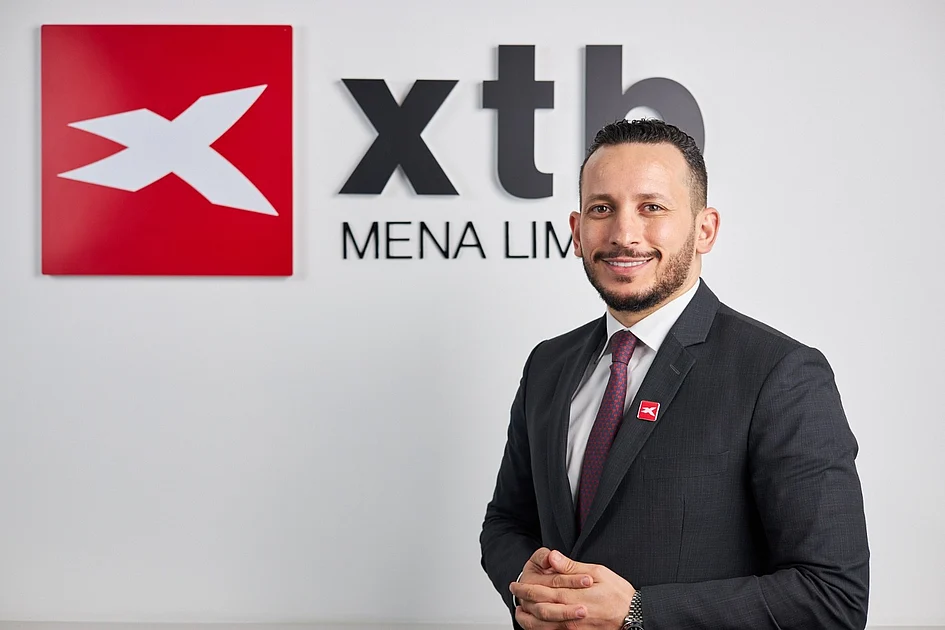
XTB empowers new investors with free stocks to build financial confidence
XTB, a prominent global investment platform, has unveiled its groundbreaking initiative, ‘Mastering Your Money: The XTB Investor Mindset,’ aimed at simplifying the complexities of investing for beginners. The campaign, set to launch on October 21, 2025, focuses on fostering financial literacy and building a solid foundation for wealth creation among early-stage investors. As part of this initiative, XTB will offer 10 free EMAAR stocks to new users who join the platform, providing them with a hands-on introduction to the financial markets. This strategic move is designed to lower entry barriers and encourage participation in investing. Central to the campaign is a series of free educational workshops, where participants can interact with seasoned traders, gain insights into essential financial concepts, and familiarize themselves with cutting-edge trading tools. Achraf Drid, Managing Director at XTB MENA, emphasized the importance of education in promoting responsible investing, stating, ‘Our goal is to equip new investors with the knowledge and tools they need for long-term financial success.’ The initiative also highlights XTB’s commitment to inclusivity in financial markets, offering access to over 6,300 financial instruments, including stocks, ETFs, and CFDs. With a focus on empowering individuals at every stage of their financial journey, XTB’s latest campaign underscores its dedication to making investing accessible and approachable for all.
-

Food delivery platforms to do away with financial penalties, sparking debate
China’s leading food delivery platforms, Eleme and Meituan, are set to eliminate financial penalties for delayed deliveries, marking a significant shift in the industry’s operational framework. This move has sparked a heated debate among stakeholders, with mixed reactions from delivery riders and market observers. Eleme announced via its official WeChat account that it is piloting a revised service-points mechanism in select cities, including Nantong, Changzhou, Jieyang, and Jingdezhen. This new system replaces direct monetary fines with point deductions, aiming to incentivize better performance and reward high-quality service. The company plans to expand this initiative to more cities by October. Similarly, Meituan has been testing a ‘non-penalty mechanism’ in over 30 cities and has committed to completely abolishing late-delivery fines by the end of 2025. While some delivery riders, like Li Yingke, welcome the change, citing reduced pressure to rush, others, such as Zhao Xuena, express concerns over potential wage impacts due to lower service scores. The industry’s shift reflects a broader trend toward balancing efficiency with worker welfare, though its long-term implications remain to be seen.
-
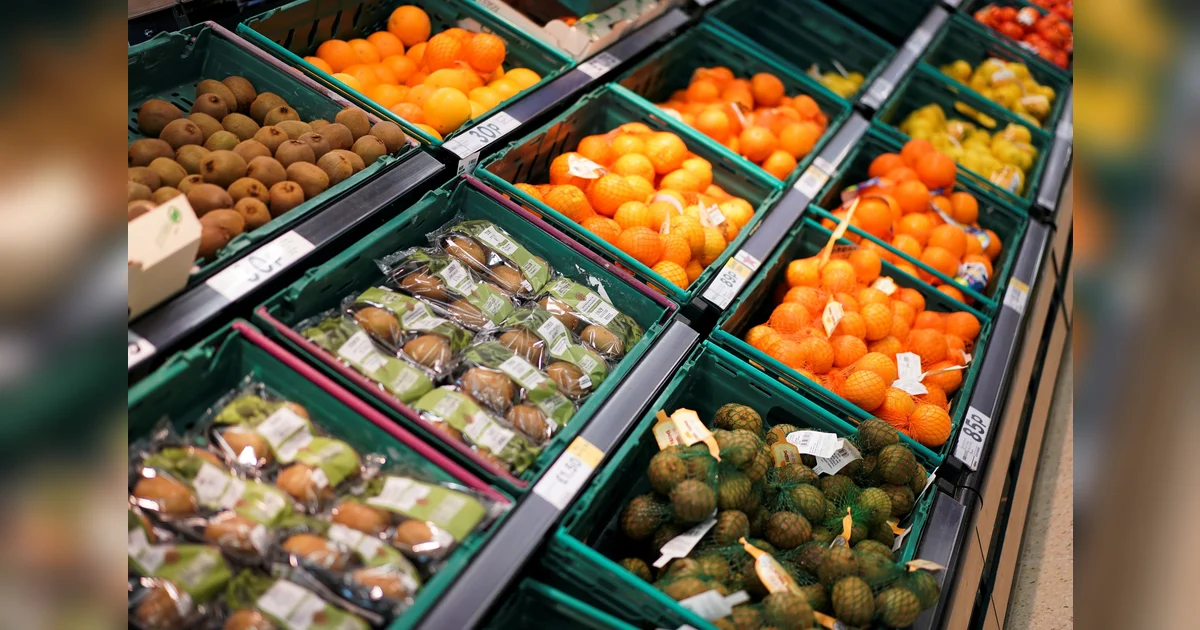
Britain’s inflation rate looks set to hit 4% in September
Britain’s inflation rate is projected to hit 4% in September, marking the highest level among the world’s major affluent economies and doubling the Bank of England’s (BoE) 2% target. This surge, though significantly lower than the 11.1% peak in 2022 following Russia’s invasion of Ukraine, continues to burden households and suggests that borrowing costs will remain elevated compared to other nations, at least in the short term. The persistent price growth adds pressure on Finance Minister Rachel Reeves, who has pledged to alleviate cost-of-living pressures and accelerate economic growth but may resort to raising taxes in her upcoming budget, potentially exacerbating inflationary trends. The UK’s inflation rate in August stood at 3.8%, notably higher than the eurozone’s 2.0%. Key drivers include rapid wage growth, fueled by post-pandemic labor shortages, increases in the minimum wage, and higher employer taxes. Additionally, government-influenced prices, such as sewerage charges, bus fares, and vehicle excise duties, have contributed to the sharp rise. Barclays’ Chief UK Economist, Jack Meaning, estimated that excluding tax increases and administered prices, August’s inflation rate would have been around 2.9%. While regulated energy prices are expected to stabilize, food prices are likely to continue climbing, driven by factors such as packaging taxes, global price hikes, and increased employer contributions. The BoE warns that higher food prices could entrench inflation expectations, further embedding price pressures into the economy. The impact of high inflation is profound: British households have seen minimal growth in living standards since 2010, wage growth barely outpaces inflation, and government debt is strained due to inflation-indexed bonds. Moreover, sustained inflation could deter long-term economic growth by encouraging households to save more and discouraging businesses from making future investments. The BoE forecasts that inflation will peak in September but will only return to the 2% target by mid-2027, with the timing of potential interest rate cuts remaining uncertain.
-
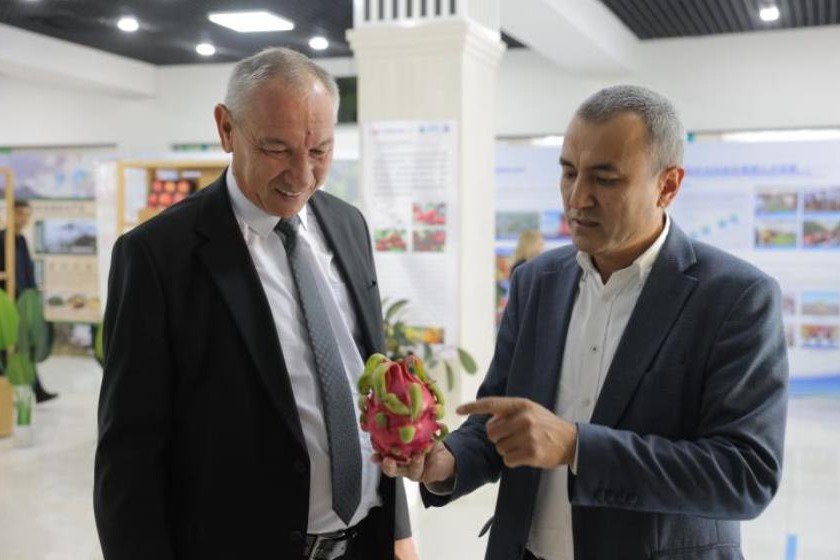
Agricultural expo wraps up successful Uzbekistan chapter
The Uzbekistan chapter of the 32nd China Yangling Agricultural High-Tech Fair successfully concluded in Tashkent on October 19, marking a significant milestone in agricultural collaboration under the Belt and Road Initiative. The event, which showcased the agricultural synergy between China and Uzbekistan, featured five specialized sections and attracted over 130 Chinese enterprises. Local agricultural firms and nearly a thousand buyers and professionals from Uzbekistan and neighboring regions participated, resulting in several on-site cooperation agreements valued at an estimated 60 million yuan ($8.4 million). Chinese companies presented cutting-edge agricultural technologies, including smart greenhouses, integrated water-fertilizer systems, and agricultural IoT solutions. The expo also facilitated B2B matchmaking sessions, focusing on areas such as fig cultivation, viticulture, winemaking, primary agricultural processing, and trade logistics. This event underscored the growing agricultural ties and technological exchange between the two nations, reinforcing their commitment to mutual growth and development.