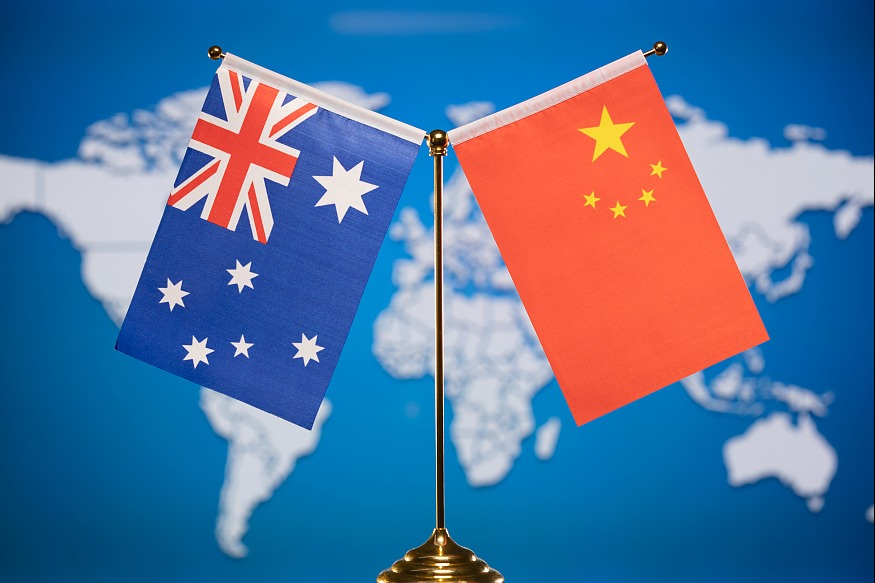
A recent seminar in Melbourne has underscored the growing momentum in economic cooperation between China and Australia, with participants emphasizing the potential for deeper collaboration in finance, clean energy, and emerging industries. The event, themed ‘Australia-China Economic Relations: Future Prospects,’ was part of the Bank of China Melbourne Branch’s 30th anniversary celebrations and the Victoria Business Confucius Institute’s Doing Business with China Workshop Series 2025. Craig Emerson, managing director of Emerson Economics and a former Australian trade minister, highlighted the renewed exchanges between the two countries, which he said are helping rebuild goodwill and restore trust. Emerson, who recently co-chaired the latest round of the China-Australia High-Level Dialogue in Beijing, noted that the talks have not only restored the good relationship but are now opening a new chapter. He also pointed out the economic complementarity between the two countries, with trade relationships evolving as China’s demands change what is bought and sold. Fang Xinwen, Chinese consul general in Melbourne, emphasized the resilience and long-term momentum of China’s economy and expressed optimism for deeper bilateral economic collaboration. He mentioned that the 20th Central Committee of the Communist Party of China is convening its fourth plenary session in Beijing to deliberate on a blueprint for China’s development over the next five years, marking the opening of a new chapter in the country’s modernization drive. Fang also highlighted that China will continue to advance reform and opening-up, develop new quality productive forces, and release the potential of its vast market, bringing more opportunities and confidence to countries including Australia. Last month, the Australian state of Victoria released a new strategy outlining its engagement with China over the next five years, envisioning ‘a new golden era’ of cooperation in areas such as agriculture, healthcare, education, and innovation. Fang said the strategy would inject renewed momentum and offer clearer direction for deepening bilateral economic engagement. Li Mang, general manager of Bank of China Sydney Branch and chairman of the China Chamber of Commerce in Australia, noted that China is developing new quality productive forces through technological innovation and green transformation, while Australia is prioritizing clean energy, critical minerals, and local manufacturing—areas that align closely with China’s development strategy. Li emphasized that by leveraging complementary strengths and promoting innovation, digital transformation, and sustainable investment, both countries can unlock new drivers of growth and enhance long-term competitiveness. He also stressed the importance of strengthening not only trade and investment ties but also cultural and educational exchanges to enhance mutual understanding and trust between the business and academic communities of both countries. Emerson added that future cooperation could expand into health services and artificial intelligence, noting that home-based rehabilitation, aged care, and AI-assisted medical diagnostics could benefit both countries and the wider region under Asia-Pacific Economic Cooperation-related mechanisms.
分类: business
-

Eurostar orders first double-decker trains
Eurostar has announced a historic move to introduce double-decker high-speed trains through the Channel Tunnel, marking a significant milestone in cross-Channel rail travel. The company has confirmed a €2 billion (£1.74 billion) deal with manufacturer Alstom to acquire 30 ‘Celestia’ trains, with an option for 20 more. This expansion will increase Eurostar’s fleet size by nearly a third, with the first six trains expected to enter service by 2031. Each 200-meter-long train will offer enhanced capacity, with a combined 400-meter service accommodating approximately 1,080 seats. These will be the first double-decker high-speed trains to operate through the Channel Tunnel, a feat unmatched since a 1949 experimental double-decker train in the UK. Eurostar CEO Gwendoline Cazenave expressed pride in bringing this innovation to the UK, emphasizing ‘exceptional comfort’ for passengers. The company, which carried 19.5 million passengers last year, aims to grow this number to 30 million. The new trains will replace older models and increase services to London by 30%. Eurostar also plans to invest €80 million in upgrading the Temple Mills depot in London, the only UK facility capable of accommodating these larger trains. However, questions remain about the depot’s capacity to serve both Eurostar and potential rival operators, including Spanish start-up Evolyn, Virgin, and a Gemini Trains-Uber partnership. The Office of Rail and Road is currently reviewing proposals for depot access, with a decision expected soon. This development follows Eurostar’s June announcement of new routes to Geneva and Frankfurt, further solidifying its position as a leader in cross-Channel rail services.
-
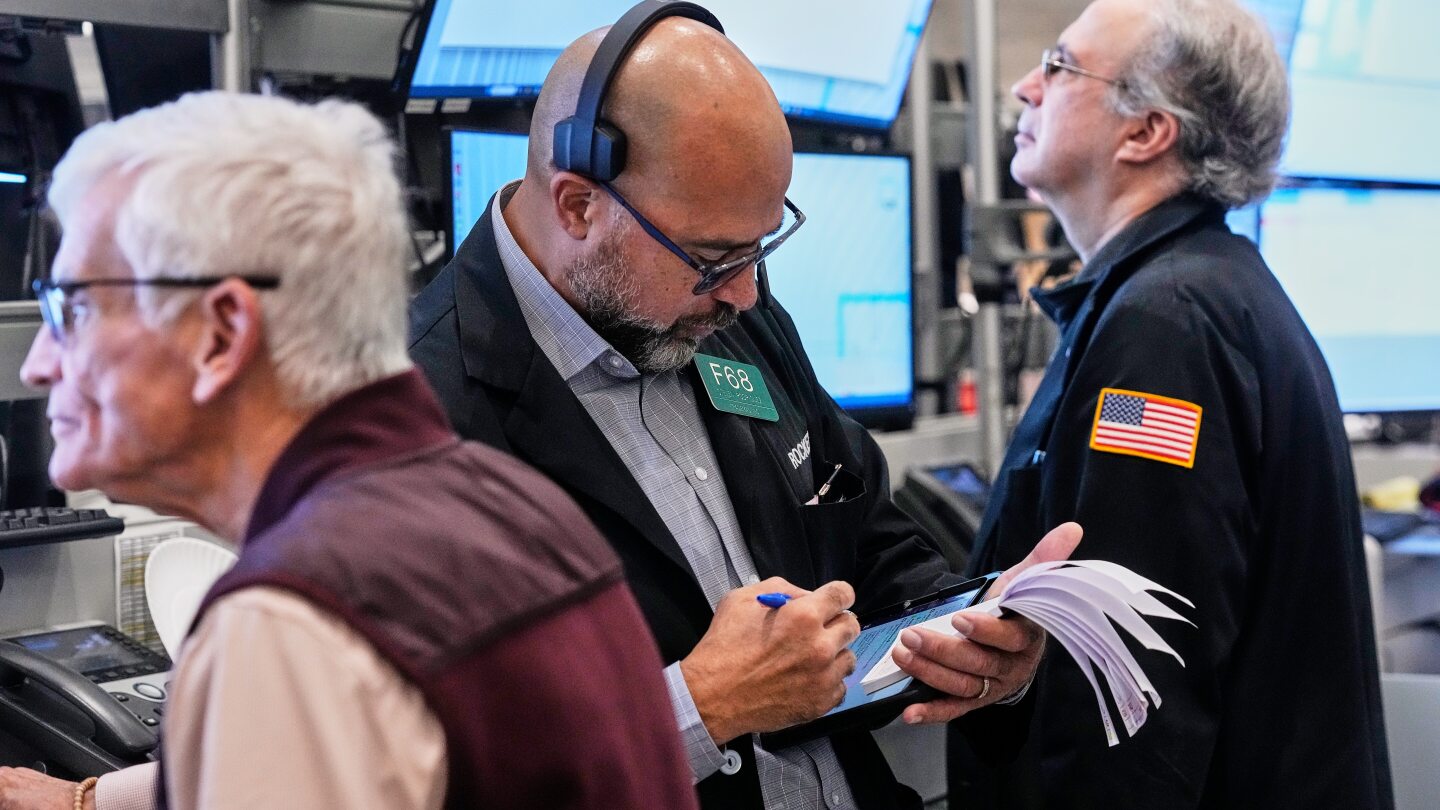
US stocks drift near their records as gold’s price falls again
Wall Street experienced a relatively calm trading session on Wednesday, with major indices hovering close to their all-time highs. The S&P 500 dipped slightly by 0.1%, remaining just below its recent peak, while the Dow Jones Industrial Average fell by 65 points, or 0.1%. The Nasdaq composite also saw a modest decline of 0.3% as of 9:35 a.m. Eastern time. Despite these minor setbacks, the overall market sentiment remains cautiously optimistic. Bank stocks showed resilience following stronger-than-expected earnings reports from Capital One Financial and Western Alliance Bancorp. The latter’s positive performance was particularly noteworthy, as it helped restore some confidence in the banking sector after recent concerns over potential bad loans. In the tech sector, Intuitive Surgical surged 16.5% after reporting robust quarterly profits, while GE Vernova added 0.5%. However, not all companies fared well. Netflix’s stock plummeted 8.3% after its latest earnings fell short of expectations, and AT&T dropped 4.5% after matching analysts’ forecasts. Texas Instruments also faced a 7.7% decline due to underwhelming results. On the other hand, Beyond Meat continued its meteoric rise, soaring 48.9% amid increased product availability at Walmart stores. Meanwhile, gold prices retreated further, slipping 0.8% to $4,075 per ounce, following a significant 5.3% drop the previous day. Despite this, gold remains up more than 50% for the year, driven by expectations of Federal Reserve rate cuts and persistent inflation concerns. Overseas, European and Asian markets showed mixed performances, with London’s FTSE 100 rising 1% and South Korea’s Kospi jumping 1.6%, while Hong Kong and Paris experienced declines.
-

Japan’s exports and imports grow in September despite Trump’s tariffs
Japan’s export sector demonstrated resilience in September, with a 4.2% year-on-year increase, according to data released by the Ministry of Finance on Wednesday. This growth was primarily fueled by a 9.2% surge in exports to Asian markets, which helped counterbalance a significant 13.3% decline in shipments to the United States. The drop in U.S.-bound exports, marking the sixth consecutive month of decline, was largely attributed to tariffs imposed by former President Donald Trump. Notably, auto exports to the U.S. plummeted by 24.2%, a concerning trend for Japanese automakers like Toyota Motor Corp., which play a pivotal role in the nation’s economy. Meanwhile, exports to China rose by 5.8%, highlighting the growing importance of Asian trade partnerships. On the import side, Japan saw a modest 3.3% overall increase, with imports from Asia climbing 6%, including a 9.8% rise from China. The trade data coincides with the historic appointment of Sanae Takaichi as Japan’s first female prime minister. Takaichi, known for her nationalist and conservative views, has pledged to boost public spending, increase wages, and implement looser monetary policies, which could weaken the yen and benefit exporters. However, her policy agenda faces significant hurdles, as the ruling Liberal Democratic Party lacks a majority in parliament and remains internally divided. Trump’s upcoming visit to Japan later this month is expected to address the trade framework established in July, which imposed a 15% tariff on Japanese goods—a reduction from the initially proposed 25% rate. Japan had previously committed to investing $550 billion in the U.S. and opening its markets to American automobiles and rice.
-

Labubu maker sees sales soar after launch of mini version of toy
Pop Mart, the renowned Chinese toy manufacturer behind the wildly popular Labubu dolls, has reported a significant surge in sales following the August release of its mini Labubu series. The company’s global revenue for the quarter ending September soared by approximately 250% compared to the same period last year. This remarkable growth was fueled by a dramatic increase in international sales, with revenue in the United States skyrocketing by over 1,200% and European sales climbing by more than 700%.
-
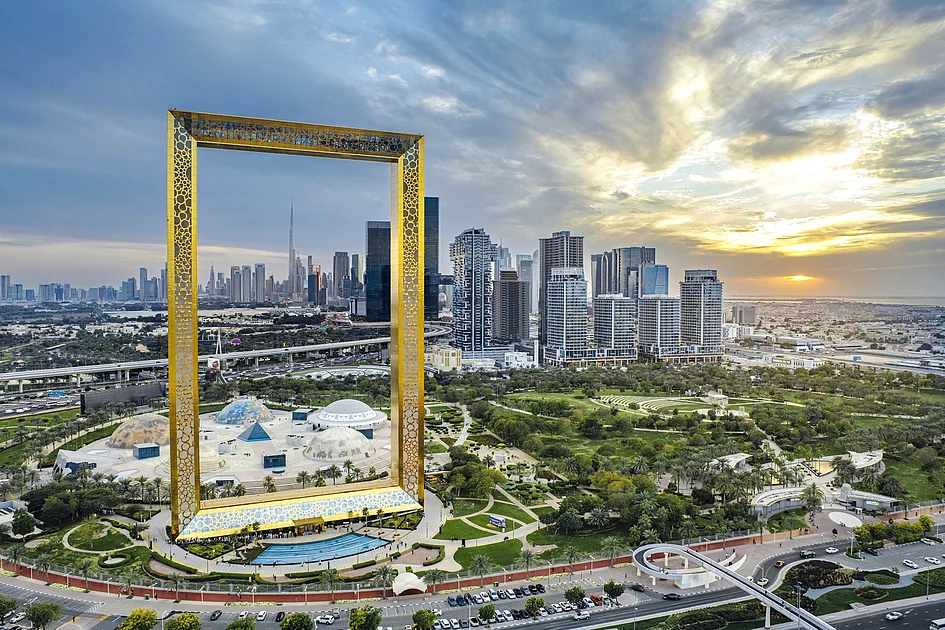
Data is the new emerging currency in Dubai real estate
Dubai’s real estate sector is undergoing a significant transformation, driven by the increasing demand for transparency, digital tools, and data-driven insights. In a rapidly maturing market, traditional methods of intuition and charm are no longer sufficient for real estate professionals. Today, agents must evolve into data strategists, analysts, and trusted advisors to meet the expectations of modern investors and buyers.
-

UAE’s crypto lead unmasked: Here’s why investors are ahead
The United Arab Emirates (UAE) has solidified its position as a global frontrunner in cryptocurrency adoption, with recent data highlighting its exceptional growth and investor enthusiasm. According to a 2025 wealth-insights report by Avaloq, 39% of affluent to ultra-high-net-worth individuals in the UAE hold crypto assets, surpassing the global average of 30%. This trend is further underscored by a 210% year-on-year growth in crypto adoption and a remarkable 25.3% ownership rate, earning the UAE a near-perfect score of 98.4 out of 100 on a leading adoption index.
Several factors contribute to this surge. Regulatory clarity stands at the forefront, with Dubai’s Virtual Assets Regulatory Authority (Vara) and tax-friendly policies creating an investor-friendly environment. The UAE’s commitment to digital economy development has also fostered a fertile ground for both retail and institutional crypto activity. Notably, Abu Dhabi-based MGX Fund Management’s $2 billion investment in Binance in March 2025 exemplifies the institutional momentum driving the market.
Infrastructure development further bolsters the UAE’s crypto leadership. The country’s exchange market generated nearly $1 billion in revenue in 2023 and is projected to grow to $5.35 billion by 2030, reflecting a compound annual growth rate of 27.1%. Demographics also play a crucial role, with a tech-savvy, youthful population showing significant interest in digital assets. Studies reveal that 74% of UAE residents aged 25-34 are actively engaged with cryptocurrencies, and 21% plan to trade within the next year.
Despite these advancements, challenges persist. Market volatility, lack of knowledge, and distrust of exchanges remain barriers for some investors. Additionally, competition among wealth managers is intense, with 63% of UAE investors considering or having changed advisors due to cost, transparency, and trust issues. Analysts emphasize the need for education and robust infrastructure to sustain growth.
Akash Anand, Avaloq’s regional director, remarked, ‘The UAE’s investor appetite for crypto is ahead of the global trend. It’s not just about buying digital coins but harnessing a broader digital-asset ecosystem to build future wealth.’ As the UAE continues to lead the crypto race, its blend of regulatory support, institutional backing, and demographic advantages positions it as a key player in the evolving digital asset landscape.
-

NBQ’s net profits rise 16% to Dh465 million in 9 months
The National Bank of Umm Al Qaiwain (NBQ) has announced a robust financial performance for the first nine months of 2025, with net profits soaring by 16% to Dh465 million compared to the same period in 2024. The bank’s total assets witnessed a significant 32% increase, reaching Dh21.8 billion as of September 30, 2025, up from Dh16.5 billion a year earlier. This growth was driven by a 20% rise in net loans and advances to Dh8.7 billion and a 45% surge in customer deposits to Dh14.7 billion. Shareholders’ equity also expanded by 10% to Dh6.4 billion. NBQ’s capital adequacy ratio stood at 33.75%, well above the minimum threshold set by the Central Bank of the UAE in line with Basel III guidelines. The non-performing loans ratio improved dramatically, dropping by 338 basis points to 0.85% from 4.23% in September 2024. Non-interest income grew by 48% to Dh233 million, while the cost-to-income ratio remained efficient at 22%. Impairment coverage, including collateral, stood at an impressive 459%. Adnan Al Awadhi, CEO of NBQ, attributed the bank’s success to its ongoing digital transformation, customer-centric solutions, and sound risk management practices. He emphasized NBQ’s commitment to operational excellence, regulatory compliance, and sustainability, which he believes will drive further expansion.
-

UAE’s e-commerce boom spurs business transformation amid soaring digital transactions
The United Arab Emirates is experiencing a transformative wave in consumer behavior, with digital transactions surpassing $60 billion in 2025, reflecting a nationwide embrace of e-commerce. Data from the UAE Central Bank reveals that retail transactions under the UAE Funds Transfer System (UAEFTS) surged by 22.57% in 2024, totaling 109.7 million transactions worth Dh7.4 trillion (approximately $2 trillion). This represents a 20.63% increase in transaction value compared to the previous year, highlighting the country’s accelerating digital transformation. Projections indicate that digital payment transaction values will grow at a compound annual growth rate (CAGR) of 14.4%, reaching nearly $118 billion by 2030. By then, the number of e-commerce users in the UAE is expected to hit 10.63 million, according to Statista. This digital boom is not only reshaping consumer habits but also compelling businesses to adapt. Blue Ocean Global Group, a Dubai-based distribution leader representing over 25 regional and international brands, has significantly reduced its offline retail operations to focus on becoming a fully technology-driven e-commerce distribution platform. Shahzad Ahmed, Chairman of Blue Ocean Global Group, noted that the company’s e-commerce distribution business has grown by 40% year-on-year, managing inventories for over 550 SKUs to meet rising demand for consumer and electronic goods online. Ahmed attributed this shift to the preferences of millennials and Gen Z consumers, who are driving the digital revolution. The company has also invested heavily in enhancing its supply chain, leveraging emerging technologies like Artificial Intelligence, Robotics, and Machine Learning to streamline B2B operations. Rohit Savara, CEO of Blue Ocean Global Group, emphasized that embracing the Fourth Industrial Revolution is essential for staying competitive in today’s rapidly evolving business landscape.
-

Gold retreats after record rally, on track for biggest daily drop since 2020
Gold prices experienced a significant downturn on Tuesday, marking their steepest daily decline in five years. This follows a record-breaking rally that saw the precious metal reach an all-time high of $4,381.21 per ounce on Monday. Spot gold fell by 5.5% to $4,115.26 per ounce, its lowest level in a week, while US gold futures for December delivery dropped 5.7% to $4,109.10 per ounce. The sharp decline comes after gold gained approximately 60% this year, driven by geopolitical tensions, economic uncertainty, and expectations of US interest rate cuts. Analysts attribute the sudden drop to profit-taking by investors and improved risk appetite in the market. The dollar index also rose by 0.4%, making gold more expensive for holders of other currencies. Meanwhile, other precious metals, including silver, platinum, and palladium, also saw significant declines. Silver dropped 7.6% to $48.49 per ounce, while platinum and palladium fell by 5.9% and 5.3%, respectively. Traders are now awaiting the delayed release of the US consumer price index report for September, expected to show a 3.1% year-on-year rise. Markets anticipate a 25-basis-point interest rate cut by the Federal Reserve at its upcoming policy meeting, which could further influence gold prices. As a non-yielding asset, gold typically benefits from a low-interest-rate environment, but recent volatility suggests a period of consolidation may be ahead.