
South Africa’s outsourcing industry, encompassing accountancy support, call centers, and IT services, is experiencing robust growth, providing a lifeline in a country grappling with a 33% unemployment rate. The sector, which now contributes 35 billion rand ($2 billion) annually to the economy, has become a beacon of opportunity for many South Africans, including Esethu Dywili, a 31-year-old accountant whose career in outsourced financial services has enabled him to build a new home for his family in the Eastern Cape province.
分类: business
-
Dubizzle Group postpones IPO to assess ideal time for future offering
Dubizzle Group, the leading digital classifieds marketplace in the Middle East and North Africa (MENA), has announced the postponement of its planned initial public offering (IPO) on the Dubai Financial Market. The decision, revealed on Wednesday, October 22, 2025, aims to evaluate the most favorable timing for the offering in the future. Despite the delay, the company emphasized strong investor engagement and interest, underscoring its market leadership, profitability, and growth potential across the UAE and Saudi Arabia.
Since its initial announcement to float, Dubizzle Group has garnered significant attention from investors, reflecting confidence in its strategic direction. The company remains committed to expanding its highly profitable UAE operations and increasing its presence in Saudi Arabia. In a statement, Dubizzle Group reiterated its focus on executing its growth strategy while maintaining disciplined cost management and scalable infrastructure.
Originally, the IPO was set to offer approximately 30.34% of the company’s total issued share capital, equivalent to 1,249,526,391 shares. This included 196,114,887 new shares issued by the company and 1,053,411,504 existing shares from selling shareholders. The paid-up share capital post-offering was projected at Dh82.368 million, divided into 4,118,412,630 shares with a nominal value of Dh0.02 each.
The UAE remains Dubizzle Group’s core market, generating $105 million in adjusted revenue during the first half of 2025, accounting for 89% of its total adjusted revenue. The region also delivered $48 million in adjusted EBITDA, up from $25 million in H1 2024, and $43 million in adjusted net profit, a significant increase from $21 million in the same period last year. CEO Imran Ali Khan highlighted the company’s exceptional profitability, with nearly 50% profit margins and 85% cash flow conversion, attributing these results to its asset-light business model and efficient growth strategies.
Dubizzle Group’s decision to delay the IPO reflects a cautious yet strategic approach to maximize shareholder value and capitalize on favorable market conditions in the future.
-

Rising tariffs set to threaten medical sector
The US medical sector is facing significant challenges as the Trump administration considers imposing tariffs on medical imports following a national security review. Major hospital groups, manufacturers, and trade organizations have voiced strong opposition, warning that such measures could escalate costs, disrupt supply chains, and stifle innovation. The review, conducted under Section 232 of the Trade Expansion Act of 1962, targets personal protective equipment (PPE), medical consumables, and devices, with potential tariffs or quotas expected as early as 2026. Stakeholders, including the American Association for Homecare and the National Foreign Trade Council (NFTC), argue that these actions could severely strain the US healthcare system, which is already under pressure. The NFTC emphasized the need for non-tariff responses to maintain industry competitiveness. The American Hospital Association (AHA) highlighted the reliance on international sources for critical medical supplies, noting that China is a major supplier of PPE and other essential equipment. The AHA called for a balanced approach, including tariff exemptions for products in short supply. Meanwhile, manufacturers warned of unintended consequences, such as increased costs for patients and hospitals, and disruptions in supply chains. The White House’s increasing use of Section 232 across various sectors, including pharmaceuticals and critical minerals, has raised concerns about broader economic impacts.
-
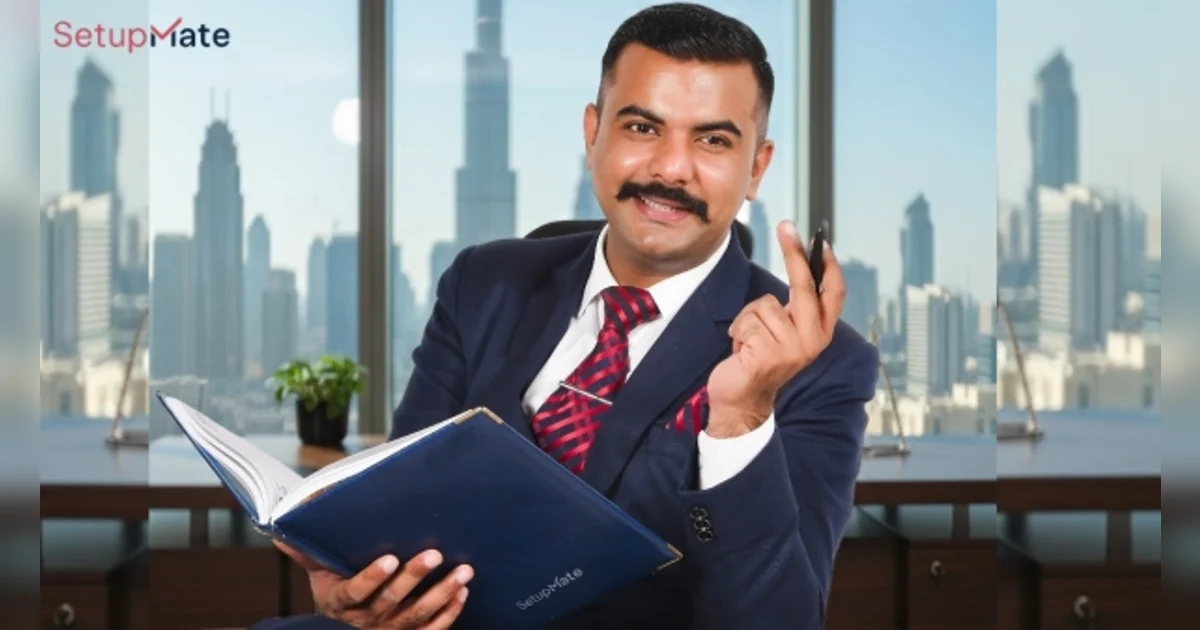
SetupMate launches Business Gateway Package to simplify company formation for global entrepreneurs
SetupMate Management Consultancy, a prominent UAE-based firm specializing in business and banking advisory services, has introduced its innovative “Business Gateway Package.” This comprehensive solution aims to simplify company formation in Dubai, making it more accessible, efficient, and affordable for startups, small businesses, and international investors. The package, priced at a flat fee of Dh14,900 until December 31, includes essential services such as business establishment and licensing, visa issuance, VAT or corporate tax consultancy, corporate bank account support, and a personal counseling session with CEO Rishi Raj Singh Rathore. Additional value-added services are designed to streamline operations and ensure a seamless startup journey. Dubai’s favorable regulations, tax-free zones, and world-class infrastructure continue to attract entrepreneurs globally, reinforcing its status as a leading investment hub. SetupMate’s initiative aligns with Dubai’s vision of becoming a global startup hub, supporting innovation across various sectors. The company’s success in the UAE has also led to international expansion, with a new office recently opened in London, further solidifying its role as a trusted partner for entrepreneurs worldwide.
-
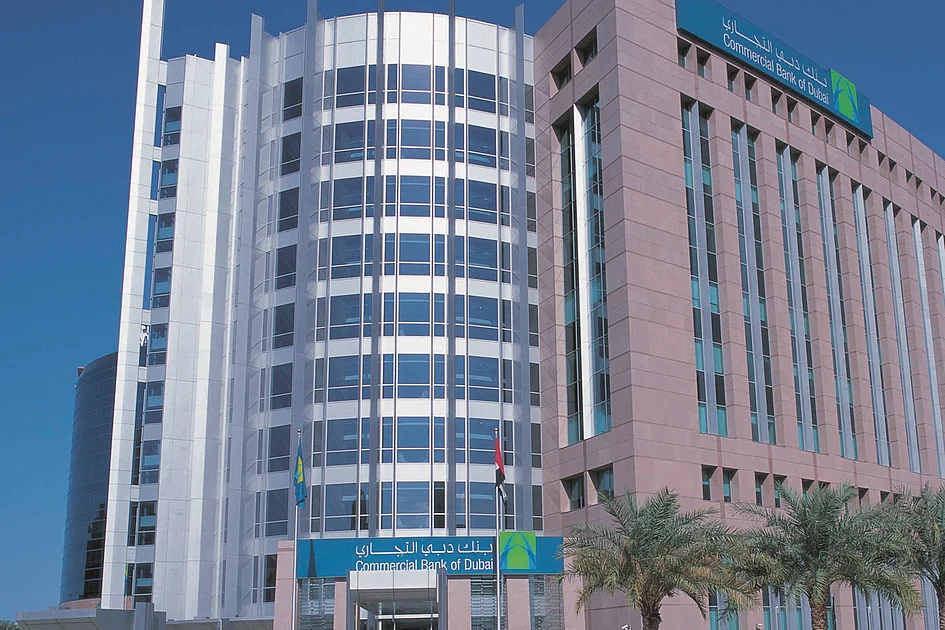
Commercial Bank of Dubai achieves record net profit and surpasses Dh100 billion in loans
The Commercial Bank of Dubai (CBD) has achieved a historic milestone, reporting a record net profit before tax of Dh2.83 billion for the first nine months of 2025, a 15.6% increase compared to the same period last year. Net profit after tax stood at Dh2.58 billion, marking the bank’s 21st consecutive quarter of profit growth—a remarkable feat in the UAE banking sector. Additionally, CBD’s net loans surpassed Dh100 billion for the first time, reflecting a 13.1% increase since the end of 2024. The bank’s total assets surged to Dh163.4 billion, up 16.6% year-on-year, while customer deposits grew 14.9% to Dh112.1 billion, with low-cost CASA deposits accounting for 51% of the total. Dr. Bernd van Linder, CEO of CBD, emphasized the significance of these achievements, attributing them to the bank’s resilient strategy and customer-focused approach despite global challenges such as the pandemic, volatile interest rates, and supply chain disruptions. CBD’s return on equity after tax reached 22.3%, placing it among the top performers in the industry. Asset quality also improved, with the non-performing loan ratio dropping to 3.5%, down 146 basis points from the previous year. The bank’s cost of risk declined to 0.49%, and provision coverage stood at 98.93%, rising to 140.83% when including collateral. CBD’s transformation agenda continues to deliver results, with the bank achieving its highest SME Net Promoter Score in over three years and receiving multiple industry awards, including Best Digitisation Initiatives and Best Mobile Banking Services. The bank remains committed to national initiatives, supporting programs like Aani payments, the UAE Central Bank’s Digital Currency project, and the Financial Infrastructure Transformation Program. CBD also participated in global forums such as SIBOS 2025 and the BAFT Global Councils Forum, showcasing its dedication to innovation and thought leadership. With a capital adequacy ratio of 15.84% and a Tier 1 ratio of 14.70%, CBD maintains a strong capital position well above regulatory requirements. As it enters its sixth decade, the bank continues to support the nation’s ambitions through disciplined growth, digital innovation, and customer-centric strategies.
-
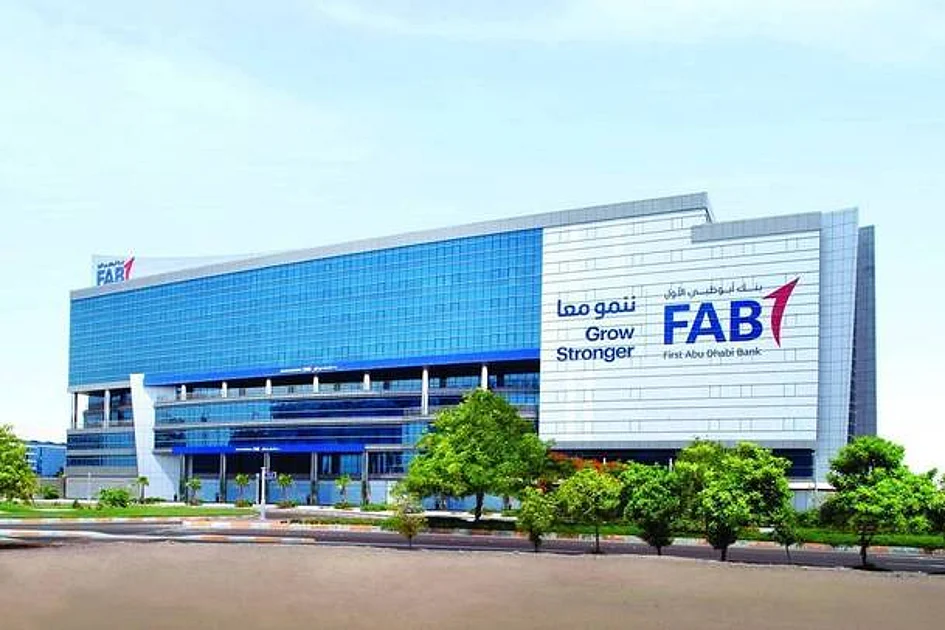
First Abu Dhabi Bank profit surges 24% to Dh16b as AI powers record 9-month growth
First Abu Dhabi Bank (FAB) has announced unprecedented financial results for the first nine months of 2025, with a 24% surge in net profit to Dh16.02 billion. This marks the highest earnings ever recorded by the bank for this period. The third quarter alone saw a 21% increase in net profit, reaching Dh5.39 billion. Loans and advances grew by 13% year-to-date to Dh596 billion, while customer deposits rose 8% to Dh848 billion. Total assets climbed 14% to Dh1.38 trillion, with capital and liquidity ratios comfortably exceeding regulatory requirements.
The bank’s robust performance is attributed to broad-based growth across all divisions, driven by strong client activity, diversified revenue streams, and significant productivity gains from its AI-driven transformation strategy. Operating income increased by 16% to Dh27.65 billion, supported by sustained business momentum. Net interest income rose 2% to Dh14.96 billion, while non-interest income surged 37% to Dh12.7 billion, accounting for nearly half of total revenue.
Group CEO Hana Al Rostamani emphasized the success of FAB’s diversification strategy and its growing international presence. The bank is expanding its footprint in Europe, Turkey, and Nigeria, with plans to open a new branch in India. Al Rostamani highlighted the transformative impact of AI integration across operations, which has enhanced agility and efficiency. “By embedding intelligent technologies across the Group, we are redefining how we serve clients and driving long-term value creation,” she said.
Group CFO Lars Kramer noted the bank’s resilient margins and double-digit revenue growth across all divisions, supported by a strong balance sheet. FAB’s commitment to sustainable finance was also underscored, with the issuance of its inaugural Blue Bond and Low Carbon Energy Bond. International operations contributed 17% of Group revenue, with loans and deposits from overseas markets rising 23% and 18%, respectively.
FAB continues to lead in AI-enabled transformation, deploying 18 live AI agents across functions such as trade operations, customer service, and finance analytics. These systems have doubled processing capacity and reduced turnaround times by up to 50%, solidifying FAB’s position as a pioneer in technology-driven banking excellence. Analysts predict strong momentum for FAB as it enters the final quarter of 2025, with high confidence in sustaining its growth trajectory into 2026 and beyond.
-
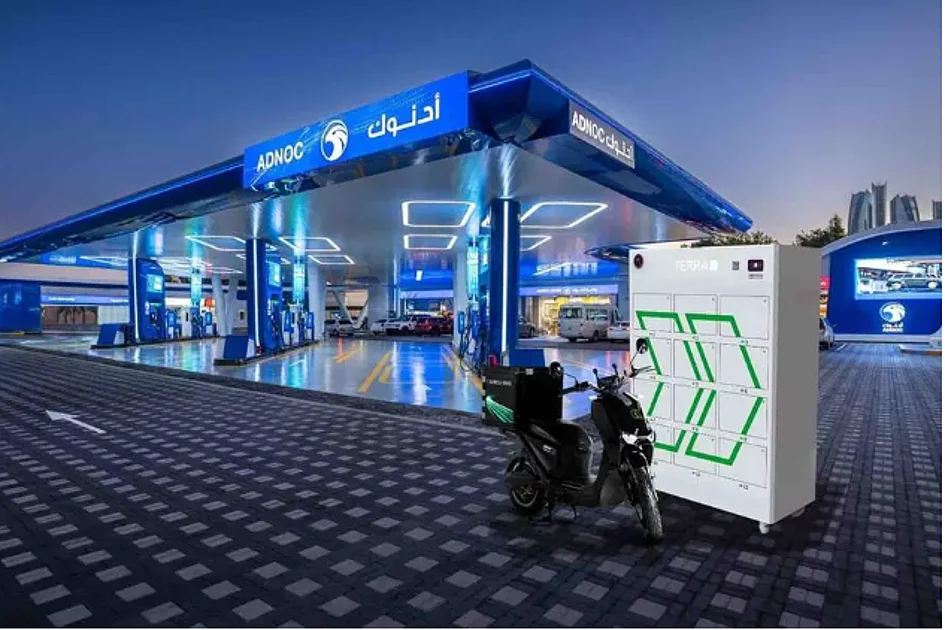
UAE’s first battery-swapping station for bikes to power greener, faster deliveries
Abu Dhabi has taken a significant leap toward sustainable urban mobility with the launch of the UAE’s first battery-swapping station for electric motorbikes. This groundbreaking initiative, a collaboration between Adnoc Distribution and Terra Tech Ltd., is set to transform last-mile delivery operations by making them cleaner, faster, and more cost-efficient. Located at one of Adnoc’s flagship service stations, the facility allows delivery riders to swap depleted batteries for fully charged ones in seconds, drastically reducing downtime and emissions. This innovation aligns with Abu Dhabi’s ambitious goal of having 50% of vehicles electric by 2040 and the UAE’s broader target of achieving carbon neutrality by 2050. Husam Zammar, founder of Terra Tech Ltd., emphasized the strategic importance of the partnership, stating that it provides access to Adnoc’s extensive service station network, ensuring widespread adoption of the technology. The initiative not only reduces operational costs for delivery riders but also significantly lowers the sector’s carbon footprint. By integrating battery-swapping technology into Adnoc’s nationwide infrastructure, the project sets the stage for a nationwide rollout, paving the way for greener cities, efficient delivery ecosystems, and smarter transport solutions. This move exemplifies how traditional energy networks are evolving to support a cleaner, technology-driven future.
-
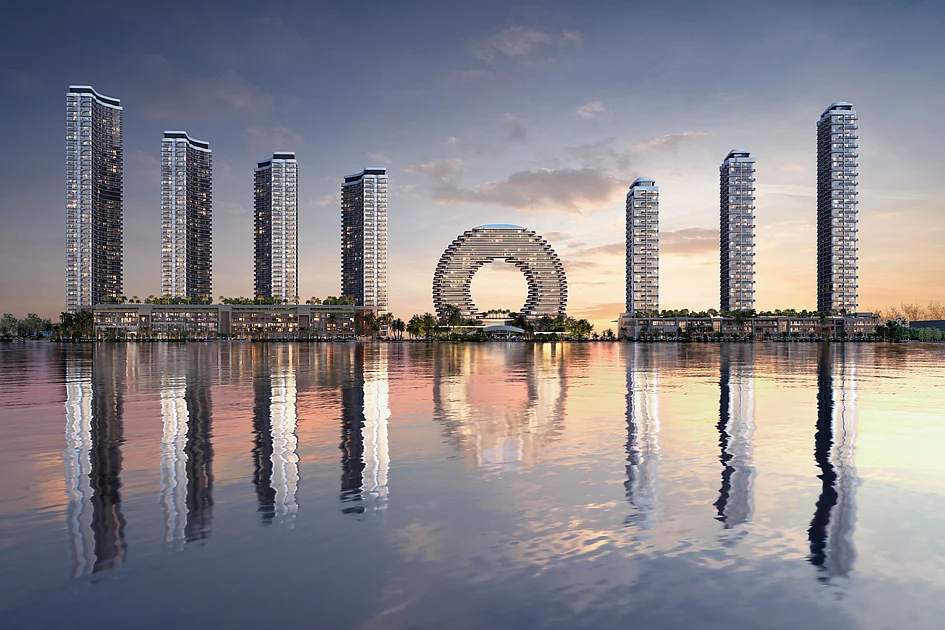
Sobha Realty unveils AquaCrest in Downtown UAQ development
Sobha Realty has introduced Sobha AquaCrest, the second residential cluster within its expansive Downtown UAQ masterplan, a $20 billion coastal development poised to transform the architectural and lifestyle landscape of Umm Al Quwain. Spanning 25 million square feet, the project boasts 7km of beachfront and 11km of coastline, making it one of the most ambitious developments in the Northern Emirates. Upon completion, Downtown UAQ will accommodate over 150,000 residents, offering a blend of luxury homes, retail boulevards, marinas, hotels, leisure zones, and offices, all designed with Sobha Realty’s signature precision and sustainable ethos. The newly launched AquaCrest features a five-tower cluster with one-, two-, and three-bedroom apartments and duplexes, set for handover in June 2029. The project integrates contemporary architecture with coastal tranquility, offering panoramic sea views, energy-efficient HVAC systems, district cooling, EV charging stations, and eco-friendly building materials. Francis Alfred, Managing Director of Sobha Realty, emphasized the project’s role in the company’s mission to expand its UAE footprint while maintaining a commitment to quality and sustainability. ‘Downtown UAQ is envisioned as a new urban landmark, blending modern design, sustainability, and coastal beauty. AquaCrest represents the next chapter in this vision,’ Alfred stated. Property consultant V.S. Bijukumar highlighted Sobha Realty’s reputation as a trusted luxury developer, blending craftsmanship and sustainable design to create destinations that harmonize modern living with the natural beauty of the Emirates’ coastline. More than half of Downtown UAQ is dedicated to open and green spaces, including landscaped parks, jogging tracks, and beach promenades, fostering an active, nature-connected lifestyle. The community is designed as a next-generation mobility hub, featuring future infrastructure for air and water taxis to promote sustainable connectivity. The broader masterplan includes a cultural and leisure ecosystem with an Art and Design District, Marine Experience Center, Wellness Park, multiple marinas, retail and dining promenades, and an open-air amphitheatre, aiming to position Umm Al Quwain as a cultural and tourism hub. Sobha Realty’s expansion into the Northern Emirates also includes Sobha Siniya Island, an eco-sensitive coastal development with 60% of its land allocated to protected mangroves, green zones, and open habitats. Together, Siniya Island and Downtown UAQ are projected to contribute nearly 30% of the company’s total sales this year, with combined sales expected to reach Dh12 billion.
-

Identifying new growth engines in the evolving global economy
The global economy in 2025 is undergoing profound transformations, driven by the convergence of technological advancements and policy shifts. According to Emirates NBD’s 2025 Global Outlook, titled “Winds of Change,” these changes are accelerating two significant trends: the rebalancing of the global economy and the accumulation of debt in developed nations. This collision is expected to have lasting impacts on investments and economic structures worldwide. The year has already proven favorable for portfolios, with strong performance across asset classes, supported by resilient global growth, contained inflation, and central bank rate cuts. However, the landscape is not without risks. Sovereign debt sustainability in developed countries is a pressing concern, with rising debt levels and servicing costs nearing unsustainable limits. Meanwhile, the rapid development of artificial intelligence (AI) presents both opportunities and uncertainties. While AI investments are expected to yield returns, their timing and broader economic impact remain unclear, raising questions about potential unemployment and societal divides. On the flip side, the AI sector continues to offer vast opportunities across the value chain, from energy to software. Geopolitical shifts toward a multipolar world, particularly in the Indian Ocean region, also unlock significant growth potential, supported by young, educated populations and robust trade prospects. For investors, the current environment calls for strategic portfolio positioning rather than reactive trading. Success will depend on patience, long-term thinking, and a focus on navigating the complexities of this evolving economic landscape.
-
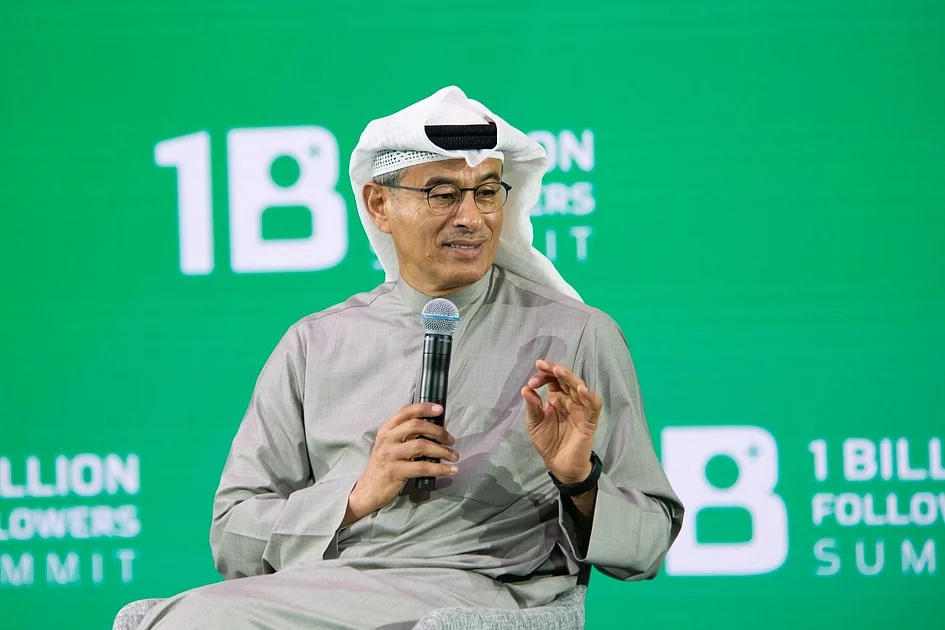
UAE’s Emaar chief Alabbar says ‘can raise $400 billion in a week’ to fix US housing woes
Mohammed Alabbar, the founder of UAE-based Emaar Properties, has unveiled an ambitious plan to address the escalating housing crisis in the United States. Speaking at the Reuters NEXT Gulf Summit in Abu Dhabi, Alabbar asserted that he could raise $400 billion within a week to tackle the shortage of nearly five million housing units in the US. He emphasized that the crisis, if left unresolved, could have catastrophic consequences for the American economy. Alabbar proposed collaborating with major US players to not only alleviate the housing deficit but also generate substantial revenue for the government. He highlighted that solving the housing issue could reduce inflation by 50%, create 20 million jobs, and generate $2.5 trillion in tax revenue over a decade. Despite his bold vision, Alabbar clarified that Emaar is not currently in talks with any American companies to enter the US real estate market. Shifting focus to the UAE, he expressed optimism about the local property market, predicting a balance in prices by 2026-2027 due to increased supply. Alabbar also critiqued the European economy, urging EU leaders to address their economic challenges to stem the flow of migrants to the UAE. He praised the UAE’s leadership and its multicultural harmony. Additionally, Alabbar revealed Emaar’s interest in expanding into markets like India, China, and Europe, leveraging the company’s strong financial position and strategic partnerships. He cited the overwhelming success of Emaar’s Red Sea development in Egypt as evidence of the company’s global potential.