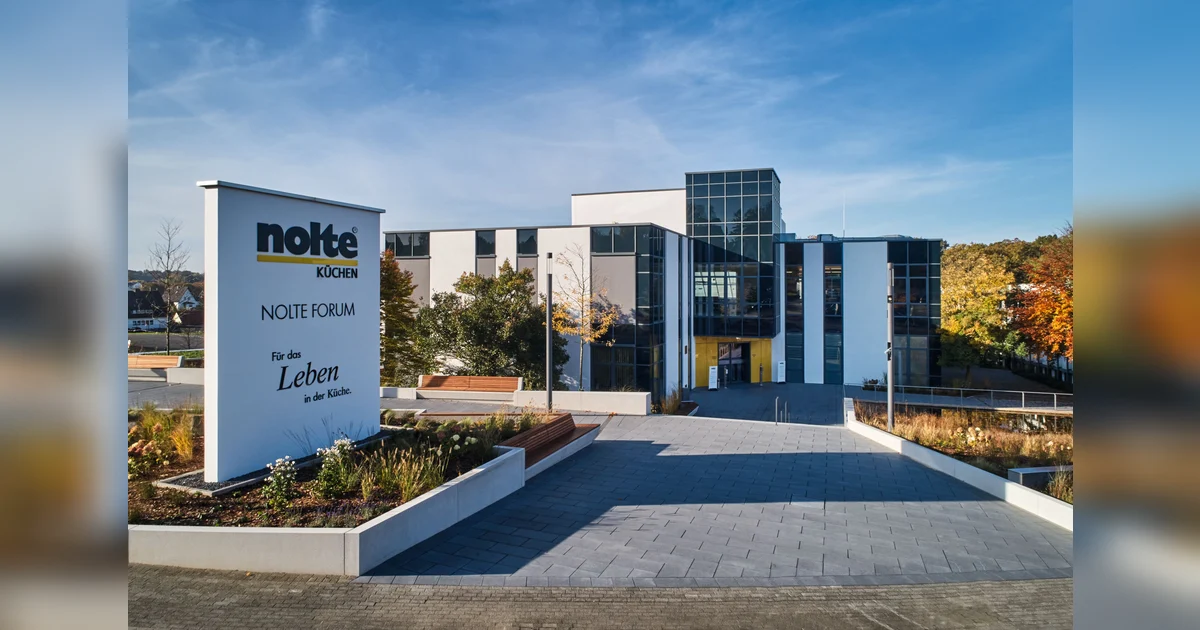
Nolte Küchen, Germany’s premier premium kitchen brand, is making a significant investment of Dh25 million to bolster its presence in the Middle East. This strategic move is part of the brand’s renewed global growth strategy, emphasizing German design excellence and craftsmanship. Having operated in the UAE since 2007 through Universal Trading Company (UTC), Nolte Küchen is now transitioning to a direct-to-consumer model under its new mainland entity, Nolte UAE. This shift aims to accelerate market growth and ensure long-term expansion. Key initiatives include the launch of a flagship showroom on Sheikh Zayed Road by early 2026 and the establishment of a dedicated team of engineers, designers, and architects offering end-to-end kitchen solutions. The investment underscores Nolte Küchen’s confidence in the UAE as a regional hub for design and innovation, enhancing its direct relationships with both B2B and B2C customers through improved brand consistency, service excellence, and competitive pricing. The UAE’s premium kitchen market has nearly doubled since 2020 and is projected to reach $200 million by 2030, reflecting sustained demand for high-quality European design. Nolte Küchen’s expansion aligns with this growth, positioning the brand to meet evolving customer expectations with faster delivery timelines, improved service, and an expanded product portfolio. Selva Kumar Rajulu, managing director of Nolte UAE, emphasized the brand’s commitment to the UAE market and its role in driving global presence. Nolte Küchen’s regional competence center in Dubai oversees markets across 30 countries, supported by over 75 branded showrooms across the Middle East, Asia, and Africa. The brand is also recognized for its sustainability efforts, holding FSC and PEFC certifications and publishing annual sustainability reports, aligning with the UAE’s Net Zero by 2050 strategy.
分类: business
-
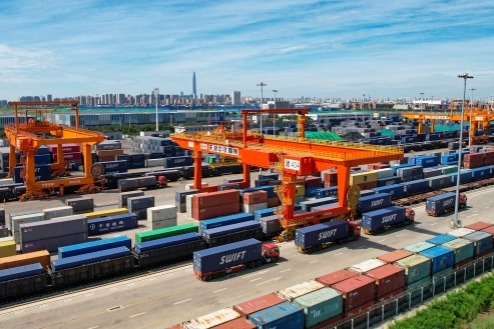
China’s rail freight volume up 3.4 pct in Jan-Sept
China’s national railways demonstrated robust performance in freight transportation during the first three quarters of 2025, handling approximately 3.03 billion tonnes of goods, marking a 3.4 percent increase compared to the same period last year. The data, released by the China State Railway Group Co Ltd on Thursday, highlights the sector’s resilience and efficiency in ensuring the smooth delivery of essential supplies. To optimize logistics, green channels were established for the transportation of critical commodities such as coal, smelting materials, and grain. Notably, coal shipments accounted for 1.553 billion tonnes, with thermal coal for power generation making up 1.056 billion tonnes. Additionally, the volume of smelting materials and grain transported saw significant year-on-year growth of 9.4 percent and 10.8 percent, respectively. This upward trend underscores the railways’ pivotal role in supporting China’s economic activities and industrial demands.
-
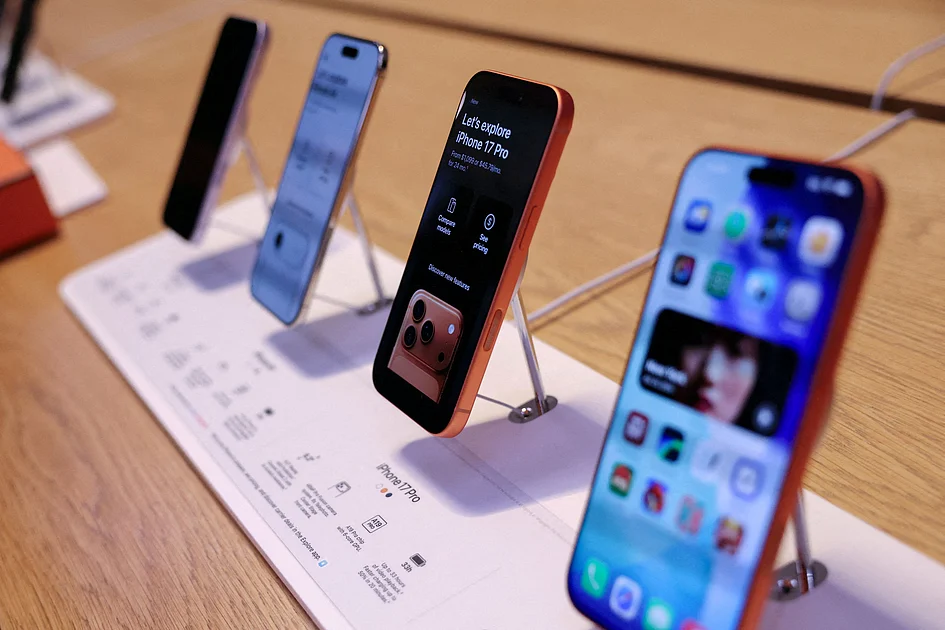
UAE: Some retailers say facing shortage of iPhone 17 as demand outpaces supply
Retailers in the UAE are grappling with a shortage of Apple’s latest iPhone 17 series, as consumer demand significantly outpaces supply. Launched last month, the iPhone 17 has seen particularly strong interest in its higher-end models, such as the Pro and Pro Max variants. Rajat Asthana, CEO of Eros Group, noted that pre-orders for these premium models sold out within minutes, with foot traffic in stores increasing by 50% compared to last year’s launch. The surge in demand is attributed to Apple’s innovative features and new color options, including Cosmic Orange, which have captivated consumers. Additionally, the Indian festival of Diwali has further fueled demand, as iPhones are popular gifts during the festive season. While some e-commerce platforms and Apple’s UAE online store show limited availability, retailers anticipate supply constraints to persist through October, with improvements expected in November. A spokesperson from Jumbo Electronics confirmed that replenishments are underway to meet the ongoing demand. The situation highlights the challenges of balancing high consumer interest with logistical and supply chain limitations in the region.
-
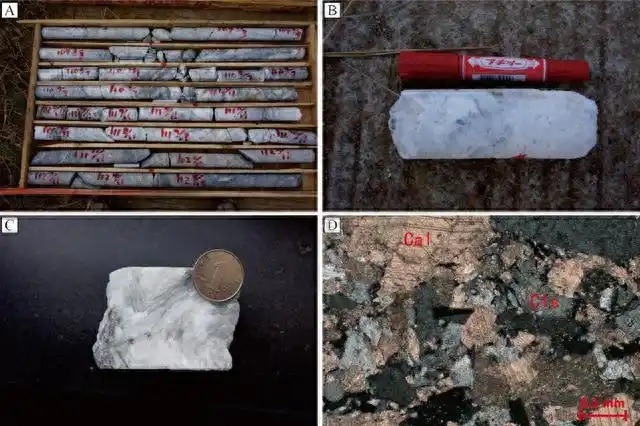
Nation boosts mineral resources, boosts supply
China has achieved remarkable progress in securing its mineral resources and enhancing domestic supply, as highlighted by the Ministry of Natural Resources. The nation has conducted comprehensive evaluations of 163 mineral resources with confirmed reserves, focusing on their quantity, distribution, and development status. Minister Guan Zhiou announced significant breakthroughs in the exploration of strategic resources such as oil, gas, copper, and lithium during a September news conference in Beijing. Additionally, China has established over 1,000 national-level green mines, underscoring its commitment to sustainable development. Vice-Minister Xu Dachun revealed that the discovery of 10 large oilfields and 19 large gas fields during the 14th Five-Year Plan period (2021-25) marks a major milestone. The Ordos Basin in northwestern China has seen a substantial increase in proven geological reserves, exceeding 300 billion cubic meters of methane. China has also revitalized old resource bases, such as the Xiaoyi bauxite mine in Shanxi and the Jiaodong gold mine in Shandong, while new large resource bases for gold, phosphorus, and sylvite are emerging. The Dadonggou gold mine in Liaoning, with an estimated additional reserve of nearly 1,500 metric tons of gold, is poised to become a world-class mine. The newly discovered Asian Lithium Belt, spanning 2,800 kilometers across multiple provinces and autonomous regions, has revealed significant lithium deposits. China’s global lithium reserve share has surged from 6% in 2021 to 16.5%, elevating the country to the second position worldwide. The China Geological Survey (CGS) has identified over 20 million tons of new copper reserves, with potential resources estimated at 150 million tons, positioning the Qinghai-Tibet Plateau as a world-class copper hub. Technological advancements have further improved resource utilization, including the efficient recovery of ultra-fine-grained ilmenite, increasing titanium recovery rates to over 40%. In the Panxi region of Sichuan, more than 87 million tons of titanium resources have been leveraged. CGS and the Hubei provincial government have also made strides in utilizing the superlarge niobium-rare earth deposit in northwestern Hubei, unlocking 929,000 tons of niobium.
-
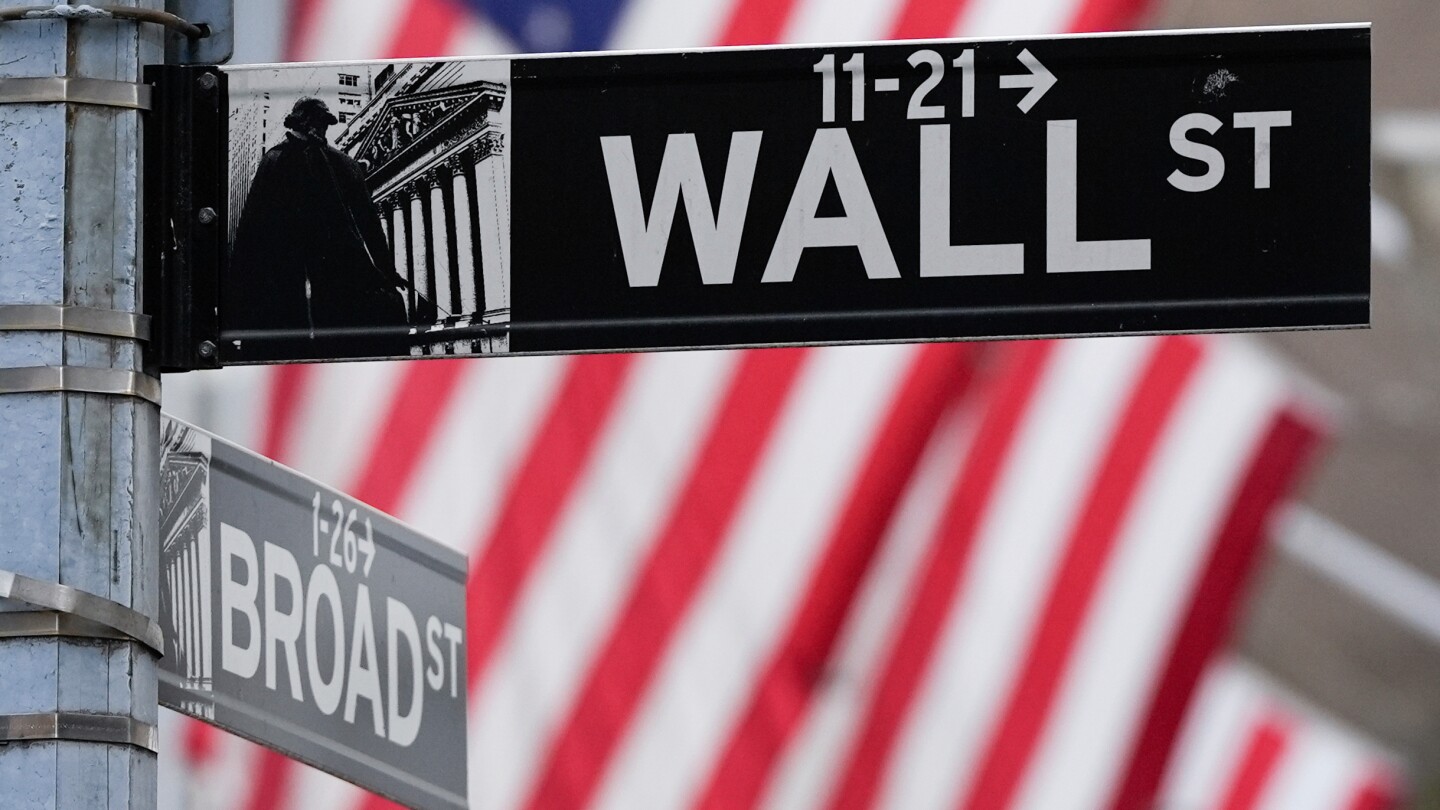
Wall Street quietly mixed early while crude prices soar $3 after Trump sanctions Russian oil giants
Wall Street exhibited a cautious stance on Thursday as U.S. President Donald Trump announced sanctions targeting Russian oil giants Rosneft and Lukoil, causing crude oil prices to surge over 5%. Futures for the S&P 500 and Nasdaq edged up marginally, while Dow Jones futures dipped slightly. The sanctions aim to pressure Russian President Vladimir Putin to negotiate an end to the ongoing conflict in Ukraine. Concurrently, European Union leaders convened to approve additional sanctions and explore utilizing frozen Russian assets to support Ukraine’s economy and war efforts for the next two years. U.S. benchmark crude oil rose to $61.63 per barrel, with Brent crude climbing to $65.72. In corporate news, Tesla’s shares dropped 3.2% after reporting a 37% decline in third-quarter earnings, marking its fourth consecutive quarterly profit drop. CEO Elon Musk shifted focus to Tesla’s AI and robotaxi ventures during an investor call. IBM’s shares fell 6.8% despite beating sales and profit targets, as cloud revenue growth slowed. Molina Healthcare plummeted over 20% after missing profit forecasts and revising its full-year earnings outlook downward. European markets showed mixed results, with Germany’s DAX down 0.3%, Britain’s FTSE 100 up 0.6%, and France’s CAC 40 rising 0.4%. Asian markets were similarly mixed, with Hong Kong’s Hang Seng gaining 0.7% and Japan’s Nikkei 225 shedding 1.4% amid stimulus package discussions. Gold prices rebounded 1.6% to $4,131.80 after a two-day decline.
-
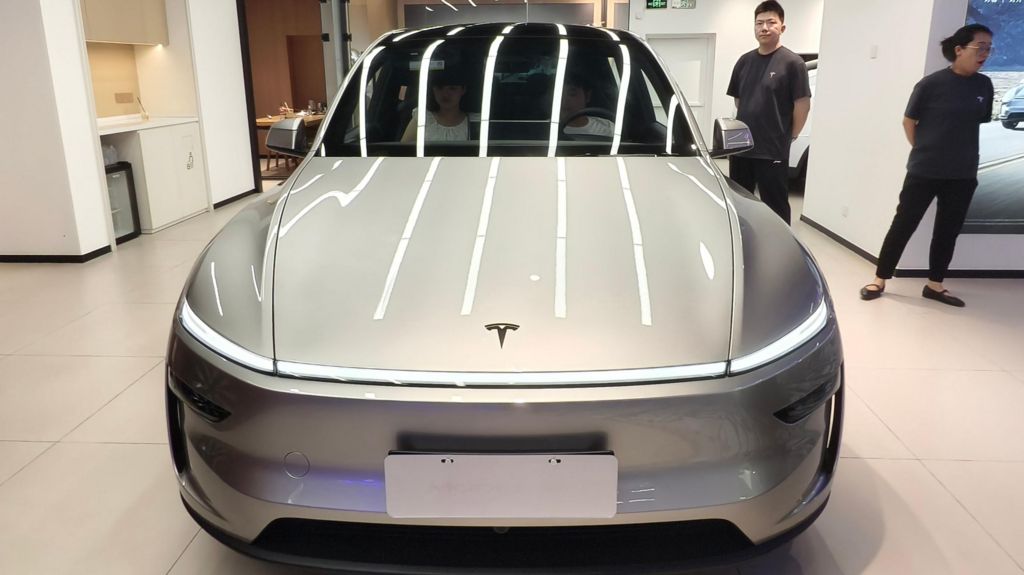
Tesla profits slide despite record revenue
Tesla has announced record quarterly revenue of $28 billion for the three months ending September, marking a 12% increase compared to the same period last year. However, the electric vehicle (EV) giant also reported a 37% drop in profits, attributed to rising costs from tariffs, research and development (R&D), and its ambitious artificial intelligence (AI) and robotics initiatives. The company’s financial performance comes as it faces intensifying competition from Chinese automakers like BYD and grapples with the impact of U.S. tariffs on imported car parts and raw materials.
-

Gold extends fall as investors book profits ahead of US inflation data
Gold prices experienced a significant decline on Wednesday, reaching a near two-week low following their sharpest single-day drop in five years. Spot gold fell by 2% to $4,038.89 per ounce, while U.S. gold futures for December delivery dropped 1.3% to $4,055.40 per ounce. This downturn comes as investors take profits ahead of the highly anticipated U.S. Consumer Price Index (CPI) report, which is expected to reveal core inflation held at 3.1% in September. The CPI report, delayed due to the ongoing U.S. government shutdown, is a critical indicator for future Federal Reserve rate decisions. Despite the recent dip, gold prices have surged 54% this year, driven by geopolitical tensions, economic uncertainty, expectations of U.S. rate cuts, and strong inflows into ETFs. Analysts remain optimistic about gold’s long-term prospects, anticipating a rebound after the current correction. Meanwhile, other precious metals also saw mixed performance, with silver dropping 1.3% to $48.12 per ounce, platinum falling 0.3% to $1,547.09, and palladium rising 0.1% to $1,409.45.
-

UAE announces extension of Advertiser Permit registration
The UAE Media Council has announced an extension to the registration deadline for the Advertiser Permit, a regulatory measure introduced in July 2025 to enhance transparency, professionalism, and consumer protection in digital advertising. Originally set to take effect later this month, the new deadline for registration is now January 31, 2026. This permit is mandatory for anyone sharing advertisements, whether paid or unpaid, on social media platforms, websites, or apps. The permit is valid for one year and must be renewed annually. Failure to renew within 30 days of expiration will result in cancellation. Applicants must be at least 18 years old, with exceptions for minors requiring a legal guardian to hold the activity licence. UAE citizens and residents must obtain a trade licence in electronic media, while visitors can secure the permit through a licensed agency within the country. This initiative underscores the UAE’s commitment to regulating the digital advertising landscape, ensuring ethical practices and safeguarding consumer interests.
-
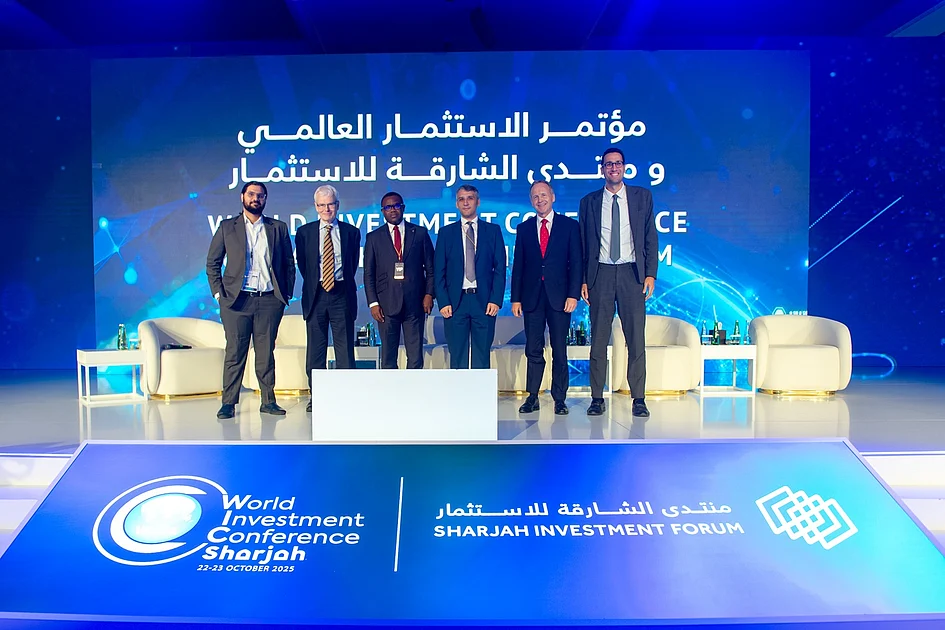
Despite $2 trillion poured into green finance, vast potential in the sector remains untapped
The global green finance sector has seen significant investment, with nearly $2 trillion mobilized in 2024. However, experts at the 8th Sharjah Investment Forum 2025 highlighted that vast potential remains untapped. Creon Butler, Director of the Global Economy & Finance Programme at Chatham House, emphasized that a substantial portion of global finance is still not aligned with sustainability goals. He stressed the need for standardized taxonomies, pragmatic ESG (Environmental, Social, and Governance) practices, and catalytic public capital to unlock sustainable finance, particularly in emerging markets.
-
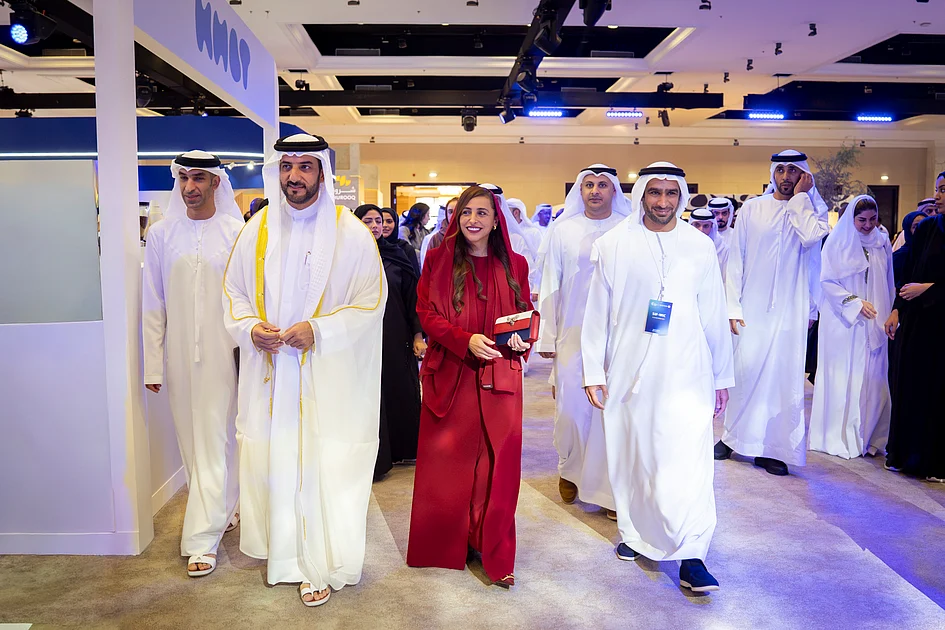
UAE draws record FDI as global leaders gather in Sharjah
The United Arab Emirates (UAE) has solidified its position as a global hub for foreign direct investment (FDI), drawing a record $45.6 billion in 2024, which constituted 55.6% of total FDI inflows into the Middle East. This milestone was highlighted during the joint 8th Sharjah Investment Forum (SIF) and 29th World Investment Conference (WIC), held under the theme “Transforming Our World: Investing for a Resilient and Sustainable Future.” The event, inaugurated by Sheikh Sultan bin Ahmed Al Qasimi, Deputy Ruler of Sharjah, and Sheikha Bodour bint Sultan Al Qasimi, Chairperson of Shurooq, brought together over 10,000 participants from 142 countries. The forum underscored the UAE’s leadership in shaping global investment trends, particularly in sustainability, digital transformation, and economic resilience. Sheikha Bodour emphasized Sharjah’s decade-long commitment to growth that empowers society and strengthens institutions, while Dr. Thani bin Ahmed Al Zeyoudi, UAE Minister of State for Foreign Trade, highlighted the UAE’s blueprint for attracting and deploying investment through collaborative thinking. The forum, organized by the Sharjah FDI Office in partnership with the World Association of Investment Promotion Agencies (WAIPA) and the UAE Ministry of Investment, focused on key shifts in geopolitics, climate, and technology. Global leaders, including Wamkele Mene, Secretary General of the African Continental Free Trade Area (AfCFTA), and Dr. Mohamed El-Erian, Chief Economic Adviser at Allianz, praised the UAE’s strategic positioning and its ability to navigate global economic shifts. Sharjah’s economic performance was also spotlighted, with its non-oil economy contributing over 98% of its GDP and FDI inflows reaching $1.5 billion in the first half of 2025. As global investment priorities increasingly align with sustainability and resilience, the UAE’s proactive approach continues to position it as a key architect of the future investment landscape.