
Target, the prominent US retail giant, has unveiled plans to eliminate 1,800 corporate positions in a bid to revitalize its business after four consecutive years of stagnant sales. The layoffs, scheduled to commence next week, represent the company’s first significant workforce reduction in a decade and will impact approximately 8% of its global corporate staff. Incoming CEO Michael Fiddelke attributed the decision to organizational inefficiencies, stating in a memo that ‘too many layers and overlapping work have slowed decisions, making it harder to bring ideas to life.’ The move comes as Target grapples with weak sales, a declining stock price, and increasing competition from rivals like Walmart. Consumer spending on non-essential items, which constitute nearly half of Target’s revenue, has dwindled amid economic pressures and backlash over the company’s diversity policies. Fiddelke, a 20-year veteran of the company, described the layoffs as a ‘necessary step in building the future of Target.’ The restructuring will see 1,000 employees laid off, while 800 vacant roles will remain unfilled. Notably, the cuts will not affect retail staff at Target’s nearly 2,000 stores nationwide. The company, historically known for its affordable clothing, groceries, and home goods, has faced challenges from macroeconomic headwinds, inventory issues, and the fallout from its decision to scale back diversity, equity, and inclusion (DEI) initiatives. Target’s share price has plummeted 30% this year, contrasting sharply with Walmart’s 18% gain. Fiddelke, who assumed the CEO role in August, has pledged to accelerate innovation, enhance product quality, and integrate more technology into the business. Further details on the restructuring are expected to be announced next Tuesday.
分类: business
-

Core Nutritionals and Unmatched strengthen UAE presence with Vivandi distribution partnership
Two leading U.S. sports nutrition brands, Core Nutritionals and Unmatched, are poised to make a significant impact at the Dubai Muscle Show 2025, scheduled for October 24-26 at the Dubai Exhibition Centre, Expo City. This event marks a strategic milestone for both brands as they strengthen their presence in the UAE through an exclusive distribution partnership with Vivandi Distribution, a move aimed at capitalizing on the region’s booming health and fitness industry.
Core Nutritionals, founded by natural bodybuilding champion Doug Miller and professional figure competitor Stephanie Miller, has gained global acclaim for its commitment to transparency and integrity in performance nutrition. The brand’s philosophy of ‘no shortcuts’ emphasizes scientifically validated ingredients, ensuring effective and flavorful products tailored for athletes. Its product lineup has become a staple for those seeking research-backed formulations that deliver both performance and taste.
Unmatched, created by fitness authority Kris Gethin, focuses on bridging the gap between sports performance and long-term wellness. Its advanced nutrient technology supports recovery, endurance, and cellular health, offering clean and naturally flavored products that cater to athletes and biohackers alike.
The Dubai Muscle Show, the Middle East’s premier fitness exhibition, will serve as a platform for both brands to engage directly with fitness professionals and consumers. Doug Miller highlighted the UAE’s role as a hub for athletic excellence, stating, ‘Core Nutritionals and Unmatched embody the same spirit of performance and passion that defines the country’s growing fitness community. This partnership reflects our shared commitment to quality and long-term growth in the region.’
Attendees can look forward to the CORE Nutritionals x Transformers Flavor Series, an officially licensed collaboration with Hasbro, featuring products like Energon Pre-Workout, Allspark Hydration + EAA, and Proton Protein Blend. Additionally, IFBB Pro Farouk Al Ketbi, a prominent UAE Men’s Physique athlete, will make appearances at the Vivandi Distribution booth, offering fans insights into his training and nutrition strategies.
With Vivandi Distribution spearheading brand visibility and market expansion, the Dubai Muscle Show represents a pivotal moment for Core Nutritionals and Unmatched as they solidify their foothold in the Middle East, bringing science-driven, athlete-approved formulations to one of the world’s most dynamic fitness markets.
-
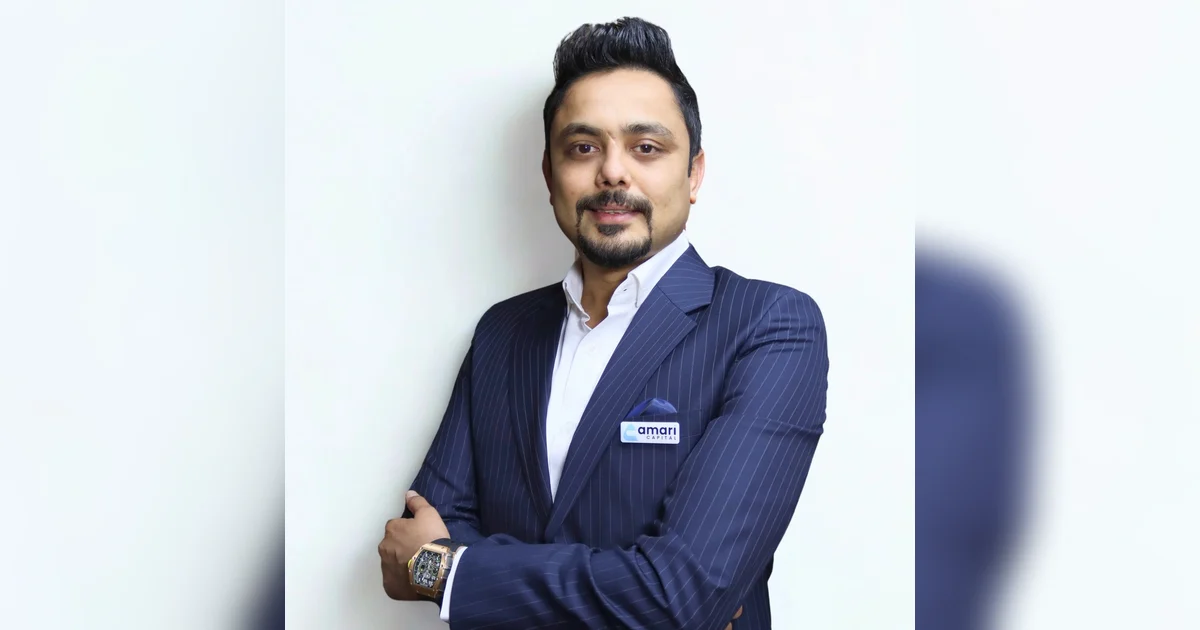
Amari Capital eyes UAE with global launch of advanced forex trading platform
Amari Capital has unveiled its state-of-the-art trading platform globally, marking a strategic entry into the UAE’s dynamic financial market. Powered by MetaTrader 5 (MT5), the platform offers traders seamless access to forex, indices, commodities, cryptocurrencies, and metals. Designed to cater to all experience levels, it features ultra-fast execution, tight spreads starting from 0.0 pips, and round-the-clock multilingual support. The integration with MT5 ensures advanced charting tools, customizable interfaces, and deep liquidity across desktop, web, and mobile devices. The UAE’s crypto-friendly environment, bolstered by progressive regulations and zero-tax policies, makes it an ideal hub for Amari Capital’s expansion. Varun Bafna, co-founder of Amari Capital, emphasized the UAE’s role as a leader in financial innovation, stating, ‘Our goal is to empower traders with a transparent and technologically advanced platform.’ The company’s commitment to the region was further demonstrated by its Titanium Sponsorship at the Forex Expo in Dubai, where Bafna was honored as the ‘Best Global Deal Maker.’
-
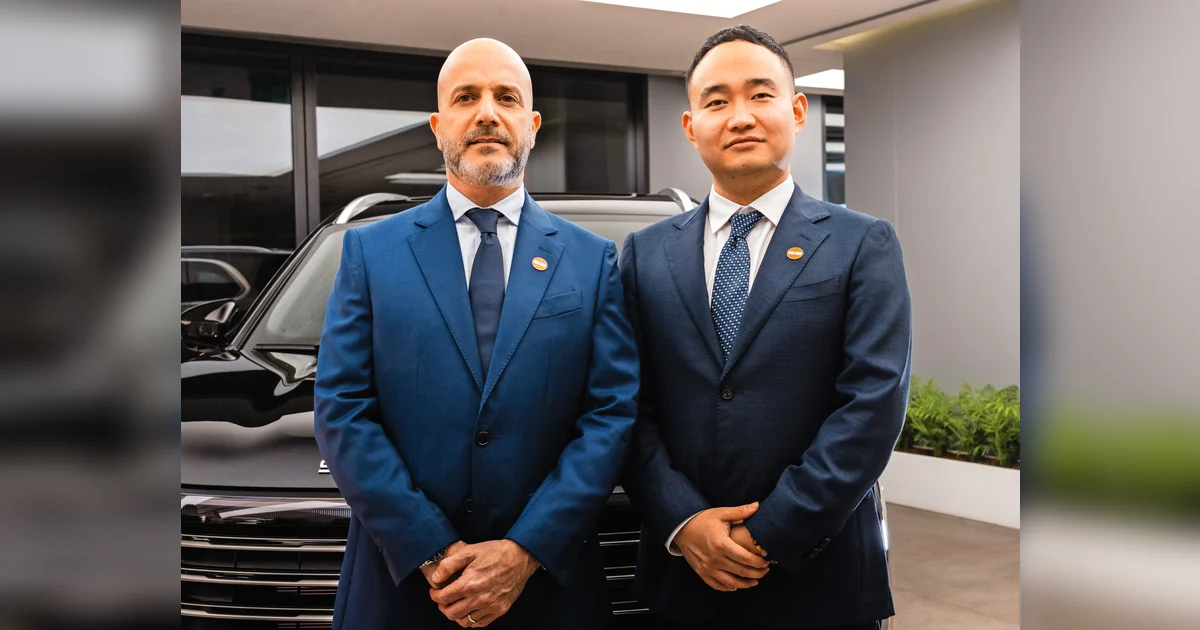
Elite Group expands Soueast UAE footprint with 3rd outlet opening
Soueast UAE, a leading Chinese automotive brand celebrated for its innovation, safety, and modern design, has unveiled its third showroom in Abu Dhabi, marking a significant milestone in its regional expansion under Elite Group Holding. The new 520-square-metre facility, which opened on September 15, 2025, showcases the brand’s full range of vehicles, including the S06, S06 DM (PHEV), S07, and S09. The showroom also features customer-centric amenities such as a café, a kids’ play area, an accessories zone, and dedicated parking. As part of the launch celebrations, Soueast UAE offered a preview of its upcoming plug-in hybrid SUV, the Soueast S08DM, set for an official release in early 2026. This seven-seater PHEV SUV boasts dual-mode technology, delivering 355 horsepower and 530NM torque. To commemorate the opening, Soueast UAE is rolling out exclusive offers and giveaways across its models, emphasizing its commitment to accessibility and value. Since its UAE debut in early 2025 under Elite Group Holding, Soueast UAE has gained momentum with its “Ease Your Life” philosophy, blending practicality, advanced technology, and modern design. The Abu Dhabi showroom serves as both a retail hub and a strategic base to expand its customer-centric approach. With plans for additional showrooms across other emirates, Soueast UAE’s growth underscores Elite Group’s dedication to reshaping the regional automotive landscape. Elie Nehme, Senior General Manager of Soueast UAE, highlighted the strategic significance of the Abu Dhabi expansion, stating, ‘This showroom reinforces our commitment to customer experience, innovation, and sustainability.’ Soueast UAE’s expansion aligns with the UAE’s broader goals of fostering innovation, environmental responsibility, and mobility transformation. With plug-in hybrid models already available and new launches planned for 2026, the brand continues to lead in delivering smart, sustainable, and accessible automotive solutions.
-
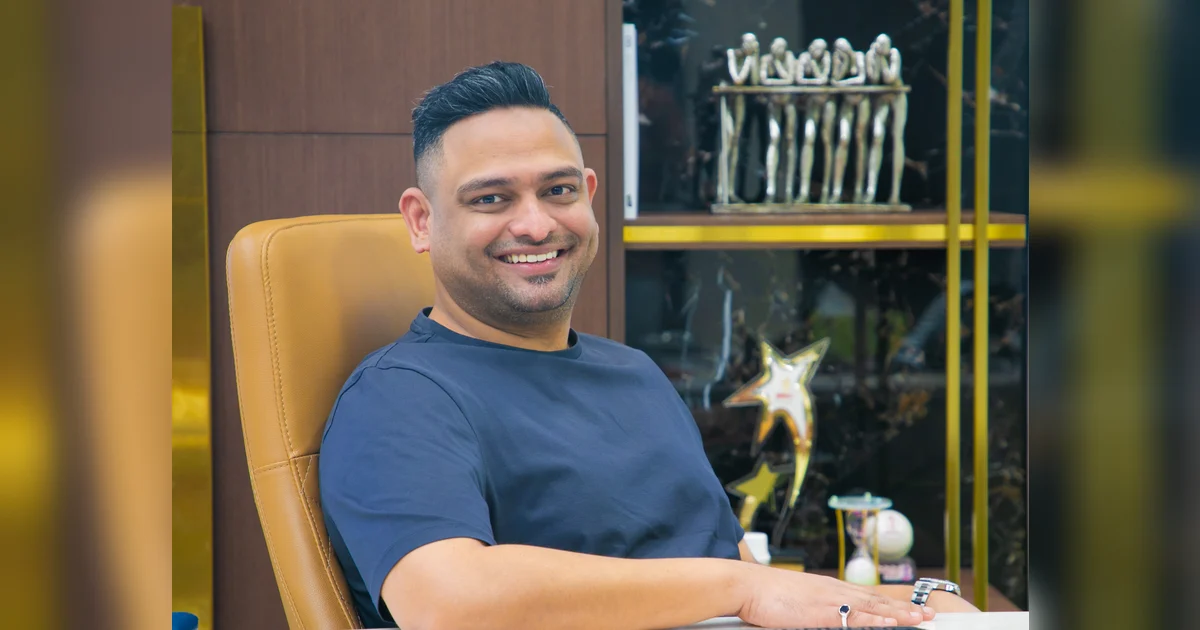
My Perfumes Group: The scent of success
The Middle East, particularly Dubai, has long been a beacon of luxury, opulence, and enchanting scents. In recent years, perfume brands from the region have captivated the global fragrance industry, blending traditional oriental richness with modern sophistication. Leading this transformative wave is My Perfumes Group, one of the UAE’s most prominent and influential perfume houses. With a legacy spanning three decades, the group has consistently redefined excellence in perfumery and packaging, earning a reputation for quality, creativity, and customer satisfaction. In an exclusive interview, Mustafa Firoz, Managing Director of My Perfumes Group, shared insights into the brand’s global expansion, its upcoming launches at Beautyworld Middle East 2025, and his vision for the future of the UAE fragrance industry. The success of Middle Eastern perfumes is rooted in the UAE’s visionary ecosystem, which fosters innovation and excellence. Stringent production laws ensure that ‘Made in UAE’ is synonymous with quality and trust. My Perfumes Group has capitalized on this foundation, offering fragrances that combine oriental mystique, premium ingredients, and competitive pricing. The group’s expertise spans the entire value chain, from manufacturing and global distribution to luxury retail, franchise operations, private labeling, and international licensing. Its portfolio includes renowned brands like Arabiyat, Otoori, and My Perfumes Select, alongside licensing partnerships with global icons such as FC Barcelona, Juventus, and Chupa Chups. With products sold in over 90 countries, the group is scaling production to meet rising demand, aiming to produce 30 million bottles by 2026. The year 2025 has been exceptional for My Perfumes, with six fragrances from its Arabiyat Prestige line going viral globally. Looking ahead, the group plans to unveil 15 new references at Beautyworld Middle East, including the highly anticipated Arabiyat Sugar collection. By 2030, My Perfumes Group aims to expand its global footprint, driven by innovation, quality, and customer trust.
-

Canada’s lumber sector reels from Washington’s tariffs
Canada’s lumber sector is grappling with significant challenges following the imposition of new tariffs by the United States on timber and furniture imports. On October 14, Washington introduced a 10% tariff on imported timber and lumber, alongside a 25% duty on kitchen cabinets, in addition to the existing 35% levy on Canadian lumber. Experts warn that these measures could exacerbate price disparities and strain the already fragile trade relationship between the two nations. Harry Nelson, an associate professor of forestry at the University of British Columbia, described the combined 45% tariff on Canadian softwood as ‘unprecedented,’ predicting it could persist for at least six months. The tariffs are expected to widen the gap between domestic and export prices, with Canadian lumber prices likely to fall relative to the US market. Beyond the immediate impact on lumber, the broader North American economy could also suffer, with potential declines in housing starts and increased economic uncertainty. Industry groups, including the British Columbia Lumber Trade Council (BCLTC), have expressed deep disappointment, arguing that the tariffs will drive up costs, threaten jobs, and exacerbate the US housing supply crisis. The Canadian government has pledged C$1.2 billion in aid to softwood producers, but experts warn this may be insufficient to address the widespread effects across the interconnected sector. With the US threatening to raise tariffs further in January, pressure is mounting on Canada to negotiate a resolution. Canadian Prime Minister Mark Carney hinted at the possibility of a trade deal ahead of the upcoming APEC Economic Leaders’ Meeting, but uncertainties remain.
-
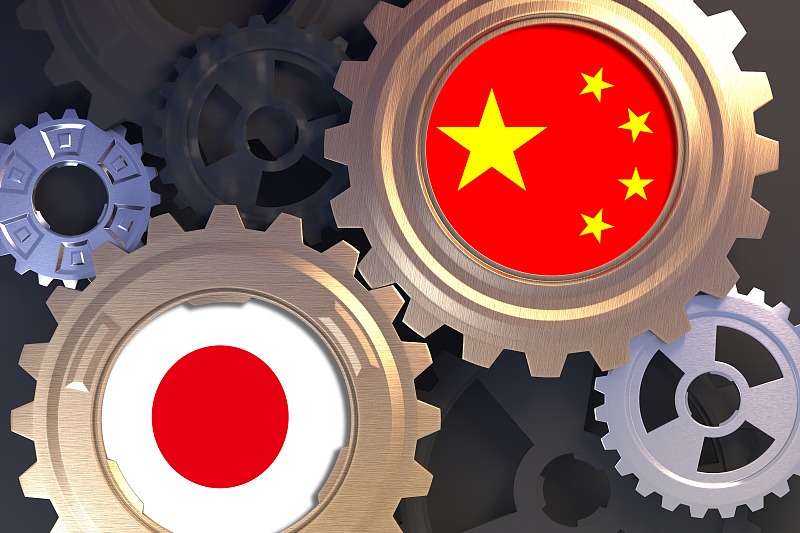
Trade cooperation continues to anchor Sino-Japanese ties
Despite the global rise in protectionism, supply chain realignments, and Japan’s political shift to the right, economic collaboration between China and Japan continues to be a cornerstone of their bilateral relationship. This was highlighted during the Beijing launch of the 2025 Blue Book of Japanese Economy, a report co-authored by the Institute of Japanese Studies at the Chinese Academy of Social Sciences and the Chinese Association for Japanese Economic Studies. The report emphasizes the enduring significance of the Chinese market for Japanese businesses, even as Japan’s foreign direct investment in China has seen a decline due to global supply chain shifts, the yen’s depreciation, and rising labor costs. According to Japan’s Finance Ministry, China ranked ninth among destinations for Japanese investment last year, with direct investment totaling 493.1 billion yen ($3.23 billion). Yang Bojiang, director of the Institute of Japanese Studies, noted that Japan’s net investment in China last year was nearly 60 percent below its 2017 peak, largely due to the relocation of manufacturing lines for U.S.-bound exports out of China to avoid tariff barriers and geopolitical risks. However, experts caution against interpreting this decline as the full picture. A survey by the Japanese Chamber of Commerce and Industry in China revealed that 56 percent of respondent companies plan to ‘increase or maintain’ investment in China this year, with 54 percent considering the Chinese market as ‘the most important’ or ‘one of the top three important markets.’ Chang Sichun, an associate researcher at the Institute of Japanese Studies, pointed out that China remains Japan’s fourth-largest destination for direct investment, following the U.S., the U.K., and the Netherlands. Japanese companies in China have consistently maintained high returns on investment, particularly in the services sector, where recent performance has been strong. The Japanese Chamber of Commerce and Industry in China reported that the return on direct investment for Japanese companies in China rose from 12.1 percent in 2015 to 18.4 percent in 2022, outperforming returns in the U.S. (8.8 percent) and the U.K. (14.7 percent). This strong performance has led to a rebound, with China’s Commerce Ministry reporting a 58.9 percent year-on-year increase in actual investment from Japan in the first eight months of this year. Yang also highlighted China’s modernization achievements as a key attraction for Japanese businesses, noting growing appreciation in Japan for China’s path to modernization, particularly in areas like poverty reduction and the digital economy. However, experts warned of potential uncertainties arising from Japan’s increasingly rightward political shift, which could suppress Japanese investment in China, particularly in high-tech sectors. Despite these challenges, the significant presence of Japanese companies in China and their substantial accumulated investment form an important channel for stabilizing bilateral relations. Strengthening bilateral exchanges and ensuring the healthy development of China-Japan relations not only serves the fundamental interests of both countries but also contributes to regional prosperity and global economic recovery.
-
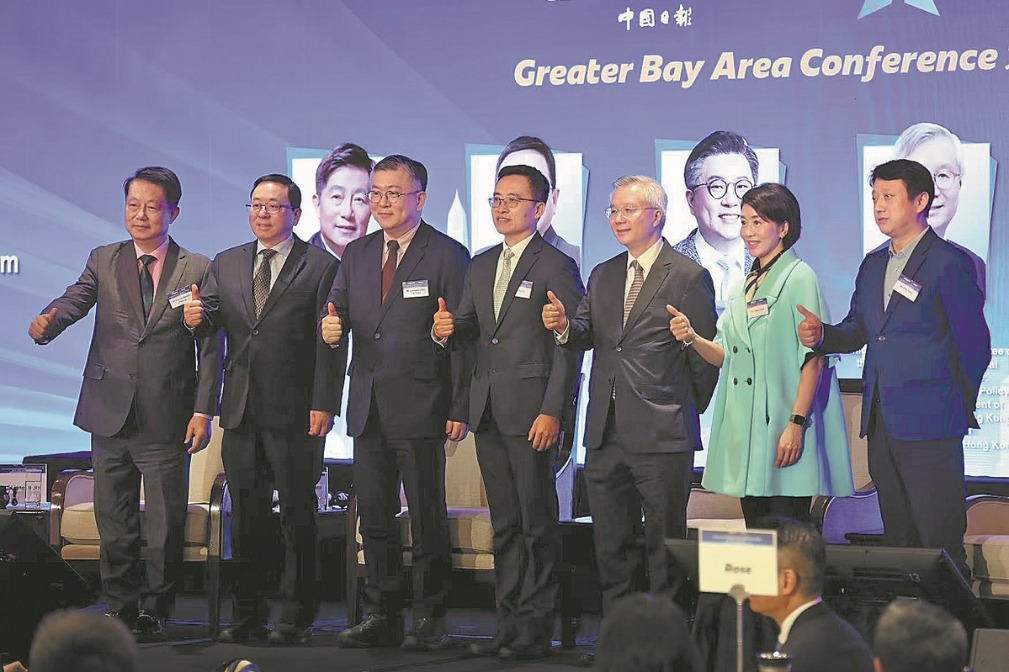
HK to spur growth of Greater Bay Area
Hong Kong is set to play a pivotal role in accelerating the integrated development of the Guangdong-Hong Kong-Macao Greater Bay Area, leveraging its unique position as a ‘super-connector’ to foster the flow of goods, capital, and talent. This was the central theme of the Greater Bay Area Conference 2025, co-organized by China Daily and the Hong Kong Coalition, which brought together over 300 industry leaders, policymakers, and experts to discuss the region’s future.
-
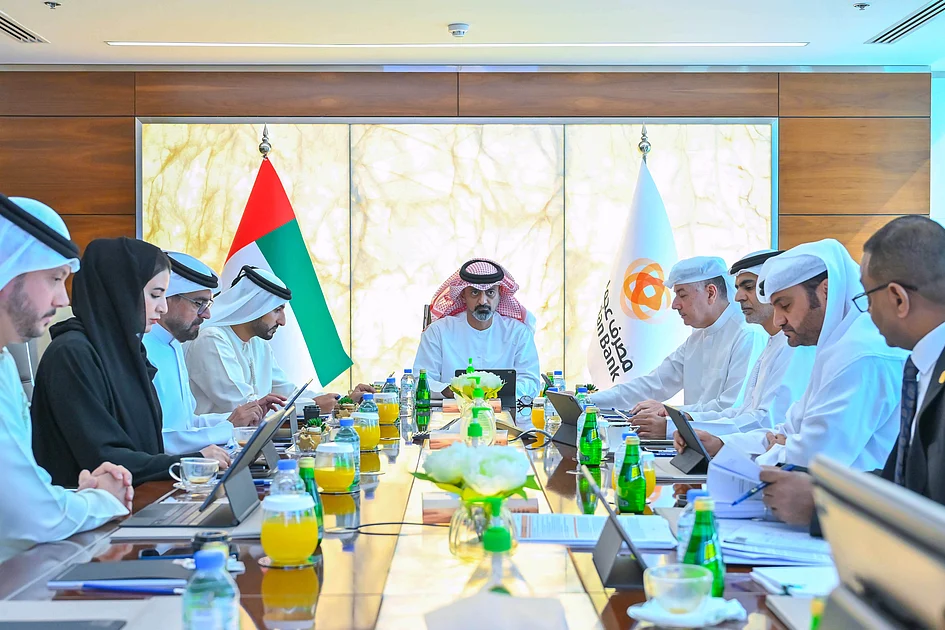
Ajman Bank posts 32% surge in profit before tax for first nine months of 2025
Ajman Bank has announced a remarkable financial performance for the first nine months of 2025, with profit before tax soaring by 32% year-on-year to Dh414 million. This impressive growth underscores the bank’s operational strength and strategic focus on sustainable development. The results were reviewed during a Board of Directors meeting led by Sheikh Ammar bin Humaid Al Nuaimi, Crown Prince of Ajman and Chairman of Ajman Bank. Profit after tax also saw a substantial increase, rising 31% to Dh380 million. Total operating income reached Dh1.2 billion, while net operating income stood at Dh660 million, reflecting robust performance across the bank’s core business segments. Ajman Bank’s total assets grew by 23% since the end of 2024, reaching Dh28.0 billion, driven by a 20% increase in total financing to Dh18.5 billion. Customer deposits rose 14% to Dh20.6 billion, and shareholders’ equity increased 8% to Dh3.4 billion, highlighting the bank’s stable funding base and balance sheet expansion. Key financial metrics also improved, with Return on Equity (ROE) rising to 15.6% and Return on Assets (ROA) improving to 2.0%. The bank’s asset quality strengthened significantly, with the Non-Performing Loans (NPL) Ratio dropping to 7.7% and the Real Estate Ratio declining to 31.9%. Mustafa Al Khalfawi, CEO of Ajman Bank, emphasized the bank’s commitment to enhancing efficiency, optimizing its balance sheet, and expanding its digital ecosystem to drive sustainable growth. The bank also reaffirmed its dedication to Ajman Vision 2030 and the UAE’s broader economic transformation goals, including its Dh4 billion Sustainable Finance pledge by 2030 and Net Zero Emission target by 2050.
-
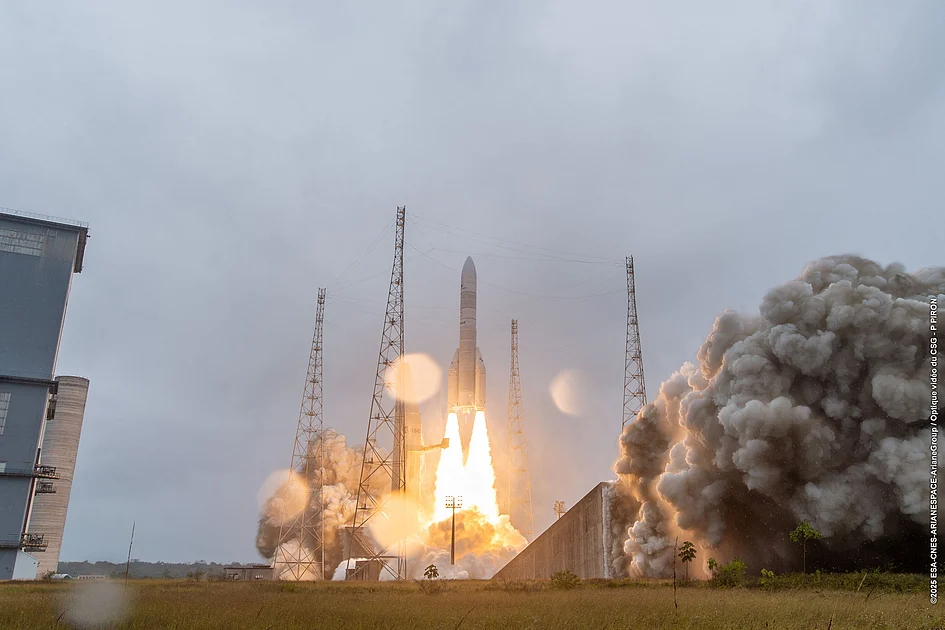
Europe aerospace firms team up in space to counter Musk
In a landmark move to counter the growing influence of Elon Musk’s Starlink, Europe’s leading aerospace companies—Airbus, Thales, and Leonardo—have announced a preliminary agreement to merge their satellite manufacturing and services operations. The new France-based venture, set to launch in 2027, marks the most significant consolidation of European aerospace assets since the formation of MBDA, the missile manufacturer, in 2001. The collaboration, codenamed ‘Project Bromo,’ aims to create a formidable competitor in the global space industry. The combined entity is projected to employ 25,000 people and generate €6.5 billion ($7.58 billion) in revenue, based on 2024 figures. The venture is expected to yield ‘mid-triple digit’ millions of euros in synergies within five years, though specific strategies remain undisclosed. French Finance Minister Roland Lescure emphasized that the deal would ‘strengthen European sovereignty in a context of intense global competition.’ The agreement comes after months of negotiations, overcoming hurdles related to governance and valuation. Airbus will hold a 35% stake, with Thales and Leonardo each retaining 32.5%, ensuring a balanced governance structure. The merger will integrate Thales Alenia Space, Telespazio, and various Airbus space and digital businesses, alongside remaining space activities of Leonardo and Thales SESO. While the companies have already reduced 3,000 jobs in their space divisions, executives have shifted focus to potential growth opportunities. The deal faces up to two years of discussions with governments, unions, and the European Commission, with implications for operations in Britain, Germany, Italy, and France. Thales CFO Pascal Bouchiat acknowledged the challenges ahead, particularly in the telecoms sector, despite securing an initial contract for the new European satellite network, IRIS². The announcement follows Reuters’ earlier report of a framework agreement, which was salvaged after overcoming governance disputes. Executives have pledged to avoid rotating leadership or nationality-based appointments, which have historically caused friction in the European aerospace industry.