分类: business

  • Trump plan to cap credit card costs hits bank shares

    Trump plan to cap credit card costs hits bank shares

    Financial markets experienced significant turbulence following former President Donald Trump’s unexpected call for a drastic reduction in credit card interest rates. Through his Truth Social platform on Friday, Trump demanded that credit card companies implement a one-year cap of 10% on interest rates effective January 20, 2026, claiming this would prevent the American public from being “ripped off” by financial institutions.

    The announcement triggered immediate sell-offs across the banking and payment processing sectors. Barclays Bank, which maintains substantial U.S. credit card operations, saw its shares decline by 3.5%. Pre-market trading indicated similar downward trends for American Express (-4%), Visa (-1.2%), and Mastercard (-2%). Major U.S. banks including JPMorgan Chase and Bank of America also experienced declines of 3.2% and 2.5% respectively.

    Industry representatives responded with strong opposition. Five leading U.S. banking associations issued a joint statement warning that such a cap would severely restrict credit availability and prove “devastating” for millions of families and small businesses. They argued that the measure would ultimately drive consumers toward less regulated, more expensive alternative credit sources.

    Legal and political challenges emerged quickly. Democratic Senator Elizabeth Warren dismissed Trump’s proposal as insufficient, noting that actual implementation would require congressional legislation. She highlighted Trump’s previous efforts to dismantle the Consumer Financial Protection Bureau (CFPB), which oversees consumer financial products.

    The proposal revives earlier legislative efforts from Senators Bernie Sanders and Josh Hawley, who introduced bipartisan legislation in early 2024 to cap credit card rates at 10% for five years, though their bill has not advanced.

    Notably, the Trump administration had previously moved to eliminate an $8 cap on credit card late fees implemented by the Biden administration in April 2025. Billionaire investor Bill Ackman expressed support for the goal of reducing rates but warned that a 10% cap would likely cause widespread card cancellations as companies struggle to price subprime credit risk adequately.

  • Khaleej Times, Innovation City sign one-year KT Talks partnership

    Khaleej Times, Innovation City sign one-year KT Talks partnership

    In a significant development for the UAE’s media and technology sectors, Khaleej Times has entered into a landmark one-year partnership with Innovation City, Ras Al Khaimah’s premier technology free zone. The collaboration, formalized through the KT Talks branded-content platform, represents a strategic initiative to elevate discourse around technological innovation and entrepreneurship throughout the region.

    The agreement was ceremoniously signed by Charles Yardley, Chief Executive Officer of Khaleej Times, and Paul Dawalibi, Chief Executive Officer of Innovation City. This alliance marks the inaugural partnership for the newly launched KT Talks platform, signaling growing market demand for credible, thought-leadership-oriented branded content in the Middle East.

    KT Talks operates as Khaleej Times’ dedicated branded-content publishing ecosystem, providing partner organizations with comprehensive tools to create, curate, and distribute expert content using the same professional infrastructure employed by the newspaper’s editorial team. This integration ensures all published content maintains discoverability, transparency, and alignment with established journalistic standards.

    Innovation City serves as Ras Al Khaimah’s specialized hub for technology and innovation, facilitating the emirate’s strategic pivot toward a knowledge-based economy. The free zone supports startups, scale-ups, and multinational corporations operating across cutting-edge sectors including artificial intelligence, Web3 and digital assets, gaming and iGaming, robotics, and digital health. Through streamlined regulatory frameworks and enhanced access to talent networks, the zone plays a pivotal role in attracting foreign investment and driving economic diversification.

    Paul Dawalibi characterized the partnership as extending beyond mere infrastructure development, describing it as ‘building a movement’ aimed at establishing Innovation City as the Middle East’s definitive reference point for technological advancement. The collaboration will spotlight emerging founders, enterprises, and transformative ideas while shaping broader narratives about the region’s technological future.

    The partnership strategically targets founders, technologists, investors, and ambitious talent within the UAE and international audiences crucial to Innovation City’s expansion. Thought leadership will prioritize several high-growth sectors including artificial intelligence, gaming, Web3 digital assets, advanced software development, and applied research, while simultaneously highlighting human stories behind technological innovation.

    Charles Yardley emphasized the qualitative dimension of the partnership, noting that Innovation City’s status as first partner demonstrates market appetite for innovative storytelling approaches. The KT Talks platform enables organizations to share expertise directly with Khaleej Times’ readership while benefiting from the publication’s strong search visibility, organic website placements, and extensive social media reach.

    Participating organizations receive dedicated profile presence on khaleejtimes.com, where their thought-leadership content is hosted and promoted alongside regular newsroom coverage. All branded articles receive professional editorial support including structured ledes, SEO-optimized headlines, topic targeting, and expert consultation, ensuring authentic engagement with the UAE’s trusted readership base.

  • UAE: How driving in flooded areas affects insurance claims due to ‘negligence’

    UAE: How driving in flooded areas affects insurance claims due to ‘negligence’

    The United Arab Emirates insurance sector is demonstrating increased operational maturity by implementing stricter claims assessment protocols following severe weather events in April 2024 and December 2025. Industry leaders report a significant shift in how motor insurance claims are being processed, particularly regarding flood-related vehicle damage.

    According to Ralph Kabban, CEO of United Insurance Brokers (UIB), insurers are applying more rigorous policy interpretations with growing numbers of claims being rejected on grounds of policyholder negligence. This includes driving into known flooded wadis, designated high-risk zones, or heavily inundated roads where specific coverage exclusions typically apply.

    The market evolution is twofold: while insurers are enhancing their catastrophe-response frameworks, consumers are simultaneously becoming more informed about insurance products. Anas Mistareehi, CEO of eSanad, notes that customers now demonstrate greater awareness of policy exclusions, deductibles, and the critical importance of comprehensive motor and property coverage.

    This increased consumer sophistication has led to measurable behavioral changes. InsuranceMarket.ae’s deputy CEO Hitesh Motwani observed that improved warning systems and coordinated communication between government authorities and residents during the December 2025 rains significantly reduced risk exposure and subsequent insurance losses.

    Market data indicates a noticeable trend of motorists upgrading from basic third-party policies to comprehensive coverage, alongside increased uptake of home contents insurance among tenants. These shifts reflect heightened public awareness of climate-related risks following recent extreme weather events.

    The insurance sector has simultaneously strengthened its operational capabilities. Companies have developed surge capacity for claims assessment, improved intermediary coordination, and enhanced customer communication strategies during peak claim periods. Regulatory oversight from the Central Bank of the UAE has further reinforced the industry’s commitment to timely settlement of legitimate claims.

    Industry executives characterize the December 2025 weather event as a stress test that validated the market’s resilience while highlighting the importance of data-driven underwriting and proactive customer education in an evolving climate landscape.

  • China and the EU agree on steps to resolve their dispute over EV imports

    China and the EU agree on steps to resolve their dispute over EV imports

    In a significant development for global trade relations, China and the European Union announced on Monday a mutually acceptable framework to resolve their escalating dispute over Chinese electric vehicle imports. The breakthrough follows months of tension after the EU imposed tariffs of up to 35.3% on Chinese EV manufacturers earlier this year.

    The European Commission released a detailed guidance document outlining specific requirements for Chinese automakers seeking to export to EU markets. The framework establishes minimum import pricing structures and comprehensive investment commitments within European territories. According to EU officials, the varied nature of electric vehicles necessitated tailored pricing mechanisms to effectively address market distortion concerns while maintaining compliance with World Trade Organization regulations.

    China’s Commerce Ministry welcomed the agreement, stating it “not only ensures the healthy development of China-EU economic relations but also safeguards the rules-based international trade order.” The China Chamber of Commerce to the EU described the arrangement as facilitating a “soft landing” for what had become a potentially damaging trade confrontation.

    Industry analysts note that the compromise reflects the complex interdependence between the two economic powers. European manufacturers remain heavily dependent on Chinese battery technology, rare earth materials, and semiconductor components, creating what ING senior economist Rico Luman characterized as “a necessary balancing act to avoid frustrating the trade relationship.”

    The agreement emerges against a backdrop of remarkable market transformation. European imports of battery-electric vehicles skyrocketed from $1.6 billion in 2020 to $11.5 billion in 2023, with significant portions originating from Western automakers operating Chinese production facilities, including Tesla and BMW. Despite the previously imposed tariffs, Chinese-manufactured vehicles captured 6% of EU market share in early 2025, up from 5% during the same period in 2024.

    Projections from consulting firm AlixPartners suggest Chinese automakers could double their European market presence to approximately 10% by 2030, highlighting the continued importance of structured trade relationships for both parties involved.

  • Consumer and energy stocks lead broad market rally on the Australian exchange

    Consumer and energy stocks lead broad market rally on the Australian exchange

    The Australian equities market commenced the trading week on a robust upward trajectory, propelled by vigorous consumer sector performance and escalating commodity valuations. Market analysts attributed this bullish sentiment to resilient household expenditure patterns and geopolitical developments affecting global energy markets.

    The benchmark S&P/ASX 200 index advanced 41.60 points (0.48%) to settle at 8759.40, while the comprehensive All Ordinaries index gained 46.80 points (0.52%) closing at 9082.70. Concurrently, the Australian dollar demonstrated strength, appreciating to 66.95 US cents in foreign exchange trading.

    Market breadth remained decidedly positive with nine out of eleven sector classifications finishing in positive territory. Consumer discretionary stocks emerged as particularly strong performers, followed closely by consumer staples and energy securities. Notable gainers included retail conglomerate Wesfarmers (+1.44% to $82.23), electronics retailer Harvey Norman (+1.95% to $6.78), and appliance manufacturer Breville Group (+1.96% to $30.73).

    The consumer discretionary segment witnessed extraordinary momentum from Light & Wonder, whose shares skyrocketed 17.97% to $182.50 following the successful resolution of intellectual property litigation with gaming competitor Aristocrat Leisure. The settlement arrangement involves Light & Wonder remitting $190 million (US$127.5 million) to Aristocrat regarding proprietary mathematical algorithms utilized in game development.

    Consumer staples similarly demonstrated vigor with Woolworths Group ascending 0.76% to $30.31, Coles Group climbing 2.38% to $21.53, and Endeavour Group advancing 1.06% to $3.81. This retail surge coincided with the release of November expenditure data indicating household spending increased 1.0% monthly and 6.3% annually, substantially exceeding market expectations of 0.6% and 5.5% respectively.

    Russell Chesler, Head of Investments at VanEck, noted the spending resilience was particularly remarkable given the earlier commencement of seasonal discounting in October. Energy equities benefited from Brent crude’s 5% surge to $63 per barrel, driven by escalating geopolitical tensions. ANZ’s Head of G3 Economics Brian Martin highlighted increased military activities in Venezuela and sustained civil unrest in Iran’s oil-producing regions as primary catalysts for supply disruption concerns.

    Critical minerals companies experienced additional momentum following Treasurer Jim Chalmers’ announcement of overseas promotion efforts for Australian commodities. Notwithstanding the broad market optimism, Super Retail Group declined 5.28% to $14.89 after revising profit guidance downward, while Domino’s Pizza Enterprises gained 3.10% to $23.25 following executive leadership appointments.

  • UAE: Amazon Creators Foundry announced to help creators sell products online

    UAE: Amazon Creators Foundry announced to help creators sell products online

    In a significant move to bolster the creator economy, Amazon has unveiled the Creators Foundry initiative in collaboration with Creators HQ, the Middle East’s first dedicated creators’ hub. Announced during the fourth edition of the 1 Billion Followers Summit in Dubai, this program represents a strategic partnership between Amazon Ads and the UAE Government Media Office.

    The initiative establishes a comprehensive framework to empower UAE-based content creators by providing end-to-end support for launching and scaling product businesses on Amazon.ae. The program addresses the evolving nature of the creator economy, which is rapidly transitioning from content monetization to full-scale entrepreneurship.

    Eligible participants within the Creators HQ network will gain access to Amazon’s extensive infrastructure, seller tools, and global marketplace reach. The program includes specialized education covering retail fundamentals, product development strategies, digital marketing techniques, and brand building in the digital age. Participants will also receive mentorship opportunities and Amazon Ads credits to enhance their market visibility.

    A distinctive feature of the initiative enables creators to expand beyond local markets through Amazon’s global selling registration program, connecting them with hundreds of millions of international customers across Amazon’s worldwide store network.

    Alia Al Hammadi, Vice Chairperson of the UAE Government Media Office, emphasized the strategic importance of this initiative: “The UAE has established itself as a global destination for the creator economy, and Amazon Creators Foundry demonstrates how this vision translates into tangible opportunities for digital entrepreneurs. We’re nurturing a new generation of innovators who will shape the future of commerce and drive the growth of the UAE’s digital economy.”

    Rayan Karaky, Managing Director of Amazon Ads for EMEA and Southeast Asia, noted the transformative nature of the program: “The creator economy is entering a phase where influence meets innovation. Creators understand their audiences better than anyone—they know what truly resonates and what their communities want. Amazon Creators Foundry bridges the gap between these unique insights and commercial success.”

    The announcement coincided with the 1 Billion Followers Summit, which brought together over 15,000 content creators and influencers alongside 500 speakers representing a combined global audience of 3.5 billion followers. This initiative reinforces the UAE’s position as a leading global hub for the digital creator economy and innovation ecosystem.

  • World Gold Council sees precious metal remaining rangebound this year

    World Gold Council sees precious metal remaining rangebound this year

    The World Gold Council (WGC) projects gold prices to remain rangebound throughout 2026, following an extraordinary performance in 2025 that saw the precious metal achieve 53 record highs and finish with a remarkable 67% annual gain in US dollar terms. According to the global body’s comprehensive analysis, gold enters the new year priced at approximately $4,368 per ounce, reflecting market consensus expectations of steady global growth, modest Federal Reserve rate reductions, and a marginally stronger US dollar.

    The Council outlines four distinct scenarios for gold’s trajectory in 2026. The base case anticipates rangebound trading amid stable economic conditions. However, the analysis reveals a pronounced upside bias should economic conditions deteriorate. A ‘shallow slip’ scenario involving softer growth and deeper policy easing could propel prices 5-15% higher, while a ‘doom loop’ of synchronized global downturn coupled with elevated geopolitical risks might trigger a substantial 15-30% surge. Conversely, stronger-than-expected US growth with higher yields and dollar strength could pressure gold downward by 5-20%.

    December 2025 witnessed historic gains across precious metals, though gold’s ascent appeared more measured compared to the volatile movements in silver and platinum. The WGC attributes gold’s strong performance to robust options activity, emerging market currency tailwinds, and falling yields, with geopolitical concerns remaining a persistent driver throughout the previous year.

    Critical wildcards that could significantly influence gold’s direction include central bank purchasing patterns—particularly from emerging markets where gold reserves remain below advanced-economy shares—and potential increases in recycling flows. Additionally, the pending Supreme Court decision regarding tariff authorities under IEEPA represents another swing factor that could either entrench policy risk premiums or refocus attention on fiscal deficits.

    Despite the rangebound base case, the Council emphasizes that gold’s fundamental supports—policy uncertainty, persistent geopolitical risks, and active investment demand—remain firmly intact. With tail risks multiplying and real rates cyclically elevated, the metal’s portfolio role as a diversifier and hedge against downside risk continues to offer compelling value for investors navigating an increasingly uncertain global landscape.

  • Why Dubai’s property boom is built to last for a long time

    Why Dubai’s property boom is built to last for a long time

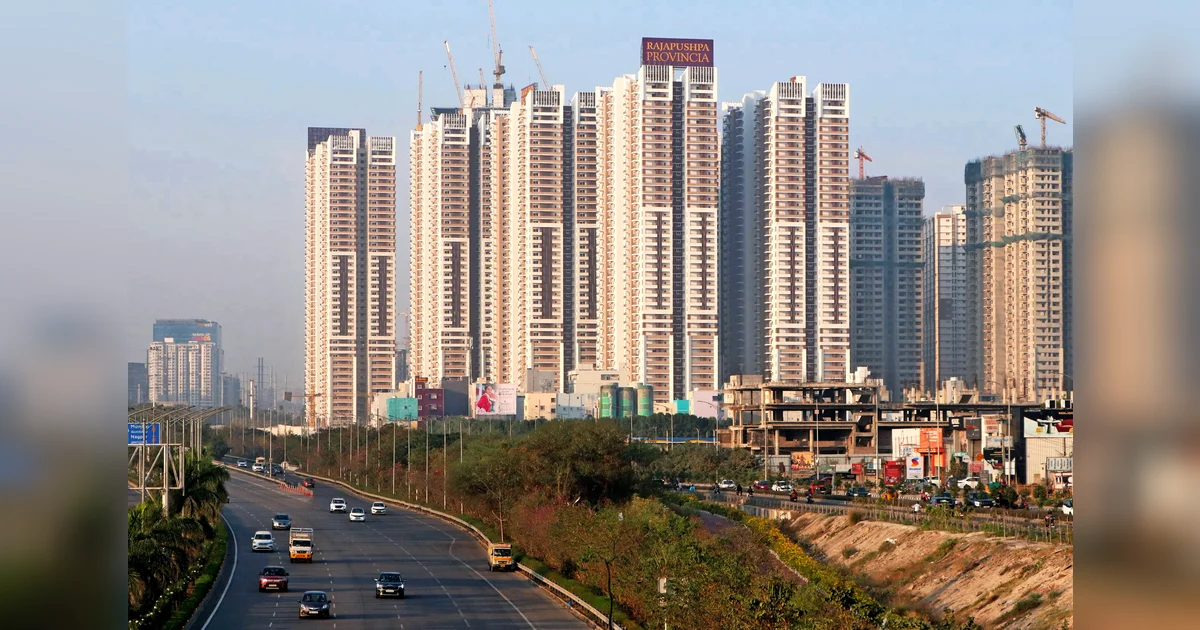
    Dubai’s property market continues to demonstrate remarkable resilience with inflation-adjusted home prices surging approximately 11% in 2025, significantly outperforming most major metropolitan markets globally according to UBS Group AG’s latest Global Real Estate Bubble Index. This growth trajectory, while drawing comparisons to overheated housing markets worldwide, is fundamentally supported by structural demand drivers rather than speculative excess.

    The emirate’s extraordinary demographic expansion serves as the primary differentiator from other global cities. Since 2020, Dubai’s population has grown by nearly 15%, surpassing four million residents for the first time in 2025, with over 208,000 new residents added last year alone. This rapid population growth—characterized by a youthful demographic with 60% under age 35 and nearly 90% expatriate composition—continues to generate sustained household formation and rental demand.

    UBS analysts note that while bubble risks have increased globally for the second consecutive year, Dubai’s risk profile remains below that of cities like Miami, Zurich, and Tokyo. Claudio Saputelli, Head of Swiss and Global Real Estate at UBS Wealth Management, explains: ‘Dubai’s population growth has tightened available supply and pushed rents higher. Over the past five years, rent increases outpaced home price gains, though property prices have recently begun to overtake rent growth as investment demand strengthens.’

    Despite accelerating new supply with approximately 100,000 residential units scheduled for completion in 2026, market participants argue that historical delivery patterns show 30-40% of forecast supply typically experiences delays. When adjusted for construction slippage and matched against unprecedented population growth, supply remains broadly aligned with absorption rates.

    Policy interventions have further reshaped market foundations. The Golden Visa program, issuing over 250,000 long-term residencies since 2021, has accelerated a strategic shift from short-term ownership toward permanent settlement. Transaction data from Betterhomes indicates cash buyers accounted for 49% of Q3 2025 transactions, while end-users represented approximately half of all transactions earlier in the year—signaling growing participation from residents purchasing primary homes rather than speculative investors.

    International demand remains broadly diversified with buyers from India, the UK, Pakistan, Europe, Russia, North America, and sustained inflows from Gulf and MENA regions. This diversity contrasts sharply with overheated global markets where price growth has increasingly decoupled from income growth.

    While UBS notes exposure to oil price volatility and rising regional competition from Abu Dhabi’s expanded investor incentives and Saudi Arabia’s planned international buyer zones under Vision 2030, Dubai’s first-mover advantage, regulatory clarity, and deep liquidity provide resilience that newer markets lack. Economic diversification across tourism, logistics, finance, and technology continues to support employment and wage expansion, helping cap speculative excess even as prices climb.

    The challenge for Dubai’s market moving forward is less about abrupt correction risks and more about successfully managing growth—maintaining disciplined supply delivery, ensuring infrastructure development outpaces demand, and aligning policy with long-term residency objectives rather than short-term speculation.

  • SEF 2026 leads youth empowerment with launch of ‘Sharjah’s Little Founders’

    SEF 2026 leads youth empowerment with launch of ‘Sharjah’s Little Founders’

    The Sharjah Entrepreneurship Festival (SEF 2026) has unveiled a groundbreaking initiative titled ‘Sharjah’s Little Founders’ (SLF), specifically crafted to cultivate entrepreneurial capabilities among children aged 7 to 12. This innovative program represents a strategic expansion of SEF’s commitment to fostering comprehensive entrepreneurial development from childhood through adulthood.

    SLF introduces an immersive, age-appropriate educational experience that enables young participants to explore business fundamentals through hands-on learning, creative ideation, and pitch development within an engaging and supportive environment. The initiative forms one of ten specialized zones at SEF 2026, each addressing distinct aspects of the entrepreneurial ecosystem, thereby reinforcing the festival’s status as the region’s premier platform for innovators and future change-makers.

    Sara Abdelaziz Al Nuaimi, CEO of Sheraa (the Sharjah Entrepreneurship Center organizing SEF), emphasized the program’s significance: ‘Entrepreneurship originates from early curiosity and self-assurance. By incorporating Sharjah’s Little Founders into our curated zones, we deliberately create opportunities for young minds to investigate ideas, develop problem-solving capabilities, and interact with entrepreneurial concepts through accessible and inspiring methodologies. SLF demonstrates our commitment to building a genuinely inclusive ecosystem by strategically investing in tomorrow’s innovators.’

    The selection process involves online applications from which judges will identify ten exceptional candidates. These selected Little Founders will receive exhibition booths within the SLF zone and participate in preparatory workshops before competing in the main SLF Pitch Competition. Each participant will deliver a five-minute presentation followed by a five-minute question-and-answer session with judges.

    A grand prize winner will receive AED 10,000 and a family staycation at Shurooq properties, with winners announced during SEF’s closing ceremony. Additionally, three participants will receive special recognition trophies for their booth presentations, while all contributors will obtain certificates of participation.

    Prospective applicants can submit entries through the dedicated SLF landing page (https://sharjahslittlefounders.com) until January 18, 2026. The ninth edition of SEF, themed ‘Where We Belong’, will convene from January 31 to February 1 at Sharjah Research Technology and Innovation Park (SPARK), anticipating approximately 14,000 attendees and featuring guidance from 300 industry leaders for startups, professionals, and graduates.

  • CATL opens Middle East’s largest new energy aftermarket facility in Riyadh

    CATL opens Middle East’s largest new energy aftermarket facility in Riyadh

    In a strategic move to bolster the Middle East’s clean energy infrastructure, Contemporary Amperex Technology Co. Limited (CATL) has inaugurated the region’s largest new energy aftermarket facility in Riyadh. The NING SERVICE Experience Center, spanning over 7,000 square meters, represents CATL’s first and most comprehensive service hub outside China, marking a significant milestone in the company’s global expansion strategy.

    The facility’s establishment aligns directly with Saudi Arabia’s Vision 2030 objectives, which include converting 30% of Riyadh’s vehicles to electric and reducing capital city emissions by 50% before the decade’s end. The center confronts regional challenges including oil dependency, extreme climate conditions, and insufficient charging infrastructure through its full-lifecycle service approach.

    NING SERVICE offers comprehensive solutions across seven product categories, including passenger vehicles, commercial transportation, and energy storage systems. The facility features advanced diagnostic capabilities, maintenance zones, refurbishment workshops, and dedicated training spaces designed to develop local technical expertise. Through its specialized training programs, CATL has already certified over 9,700 new energy professionals globally.

    The Riyadh center operates as both a service hub and an ecosystem connector, facilitating partnerships between CATL and major regional stakeholders. The company is currently engaging with fuel network operators to deliver green electricity to gas stations, infrastructure corporations seeking to electrify vehicle fleets, and energy companies implementing solar-plus-storage solutions.

    Ahmed Ibrahim, Assistant General Manager For Procurement of Al Drees, noted: ‘As a leading energy company in Saudi Arabia, we see tremendous opportunities in energy transformation. We plan to deploy solar-plus-storage solutions at our gas stations and electrify forklifts to reduce oil reliance. We look forward to collaborating with top players like CATL.’

    CATL’s global service network encompasses 1,200 professional stations across 76 countries and 73 spare-part warehouses totaling 370,000 square meters. The company maintains the world’s largest inventory of genuine new energy components, having supported over six million electric vehicles worldwide.

    Bruce Li, President of Quality System and Aftermarket Business at CATL, emphasized the long-term commitment: ‘Our decision to establish this center in Riyadh is not only a commercial choice but a strategic partnership with the region’s sustainable future. This hub connects advanced technology, professional training, and industry collaboration to foster deeper synergy across the Middle East.’

    The facility’s launch signals CATL’s confidence in the Middle East’s evolving energy landscape and demonstrates how technological partnerships can accelerate regional decarbonization efforts while creating skilled employment opportunities and knowledge transfer.