
Global oil prices experienced a 2% decline on Tuesday, marking a third consecutive day of losses as market participants assessed the implications of U.S. sanctions on Russia’s major oil firms and potential output adjustments by OPEC+. Brent crude futures fell by $1.36 (2.1%) to $64.26 per barrel, while U.S. West Texas Intermediate (WTI) crude dropped $1.29 (2%) to $60.02. The downturn follows last week’s significant gains, driven by U.S. President Donald Trump’s decision to impose Ukraine-related sanctions on Russia’s Lukoil and Rosneft, two of the country’s largest oil producers. However, Germany’s economy minister revealed that Rosneft’s German operations would be exempt from sanctions, easing immediate supply concerns. Phil Flynn, senior analyst at Price Futures Group, noted that the waiver introduced uncertainty, reducing fears of a dramatic supply squeeze. Meanwhile, Lukoil announced plans to sell its international assets, marking a significant response to Western sanctions. Indian refiners have paused new orders for Russian oil, awaiting clarity from the government and suppliers. OPEC+ is reportedly considering a modest output increase in December, raising questions about the group’s spare capacity. Saudi Aramco’s CEO highlighted robust crude demand, particularly from China, while analysts suggested that rising OPEC+ output could offset potential Russian supply disruptions. Investors are also monitoring potential U.S.-China trade developments, with Trump and Chinese President Xi Jinping set to meet in South Korea later this week.
分类: business
-
Tata Group – the divided empire facing boardroom drama
The Tata Group, one of India’s most iconic conglomerates, is grappling with a series of internal and external challenges that threaten its stability and growth. A year after the passing of Ratan Tata, the visionary leader who transformed the group into a global powerhouse, the company is embroiled in a boardroom power struggle and facing significant business headwinds. The group, which owns renowned brands like Jaguar Land Rover (JLR) and Tetley Tea, is also navigating crises in its newer ventures, including semiconductors, electric vehicles, and the revival of Air India. Recent reports suggest that Mehli Mistry, a close confidant of Ratan Tata and a trustee on the board of Tata Trusts, has been ousted, though this remains unverified. The internal discord stems from disagreements among trustees over board nominations, funding approvals, and the potential public listing of Tata Sons, the group’s holding company. The SP Group, Tata Sons’ largest minority shareholder, is pushing for a public listing, while most trustees oppose the move, fearing it would dilute decision-making authority and expose the company to market pressures. The conflict has raised governance concerns and tarnished the group’s reputation, compounded by recent setbacks such as the Air India crash and a cyber-attack on JLR. Amid these challenges, the tenure of Tata Sons’ chairman, N Chandrasekaran, has reportedly been extended. Experts warn that the group’s current instability could have short-term destructive effects but may eventually lead to a more transparent and accountable structure.
-

The AI job cuts are here – or are they?
The recent wave of corporate layoffs, spearheaded by tech giant Amazon, has reignited concerns about Artificial Intelligence (AI) replacing human jobs. Amazon’s decision to cut approximately 14,000 corporate roles follows similar workforce reductions by companies like Chegg, Salesforce, and UPS, all of which have cited AI as a contributing factor. However, experts caution against attributing these layoffs solely to AI, emphasizing the complexity of corporate dynamics and broader economic trends. Martha Gimbel, executive director of Yale University’s Budget Lab, argues that attributing job losses to AI based on executive statements during layoffs is a flawed approach. She highlights that company-specific factors, such as overhiring during the pandemic and the Federal Reserve’s interest rate hikes, play significant roles. A study by the Federal Reserve Bank of St. Louis found a correlation between AI adoption and rising unemployment since 2022, particularly in sectors like office and administrative support. Yet, Morgan Frank, an assistant professor at the University of Pittsburgh, notes that only certain occupations, such as administrative roles, have been directly impacted by AI advancements like ChatGPT. For tech and math-related jobs, the impact remains negligible. The broader economic context, including the pandemic hiring surge and subsequent corrections, complicates the narrative. Enrico Moretti, an economics professor at UC Berkeley, points out that companies like Amazon, which both produce and consume AI, are uniquely positioned to automate roles quickly. Lawrence Schmidt of MIT Sloan School of Management adds that job reallocation, rather than outright job loss, is a more likely outcome. As the debate continues, distinguishing between cyclical economic patterns and AI-driven disruptions remains a critical challenge for policymakers and businesses alike.
-

Adnoc Drilling posts 17% surge in nine-month profit
Adnoc Drilling has announced a significant 17% increase in net profit for the first nine months of 2025, reaching $1.06 billion. This growth is attributed to heightened activity across onshore, offshore, and integrated drilling services. Revenue for the period soared by 27% to $3.63 billion, driven by improved rig utilization, expanded unconventional drilling programs, and a sharp rise in integrated drilling services. Free cash flow surged by 174% to $1.2 billion, enabling the company to enhance shareholder returns while investing in fleet expansion and technological advancements. Return on equity stood at 36%, and return on capital employed at 25%, reflecting the company’s operational efficiency and robust margins. CEO Abdulla Ateya Al Messabi highlighted the disciplined execution and resilience of Adnoc Drilling’s contract model, emphasizing plans for transformational growth. The company aims to expand unconventional capacity to over 300 wells annually and grow its integrated drilling services fleet to approximately 70 rigs by 2026. These initiatives are expected to generate billions in new revenue streams, supported by in-house technical capabilities and a transition to becoming an AI-native company. Onshore revenue increased by 13% to $1.52 billion, while offshore jack-up and island drilling revenue reached $1.04 billion. Oilfield services revenue skyrocketed by 114% to $1.07 billion. Shareholders will benefit from a third-quarter dividend of $250 million, with the company targeting a minimum of $6.8 billion in distributions between 2025 and 2030. Adnoc Drilling is also advancing strategic initiatives, including joint ventures in Kuwait and Oman, and accelerating AI and automation adoption across fleet operations. Looking ahead, the company anticipates revenue of around $5 billion in 2026 and aims to expand its fleet to over 151 rigs by 2028.
-

Ben & Jerry’s co-founder creating watermelon-flavoured ice cream to support Palestine
Ben Cohen, co-founder of Ben & Jerry’s, disclosed on Tuesday that the ice cream brand’s parent company, Unilever/Magnum, prevented the creation of a watermelon-flavored ice cream intended to advocate for peace in Palestine. Cohen, 74, shared this revelation in an Instagram post, expressing frustration over the decision. He explained that the proposed flavor aimed to promote justice and dignity for Palestinians, but Unilever/Magnum intervened, much like when the company blocked Ben & Jerry’s earlier decision to cease sales in Israeli-occupied territories.
-
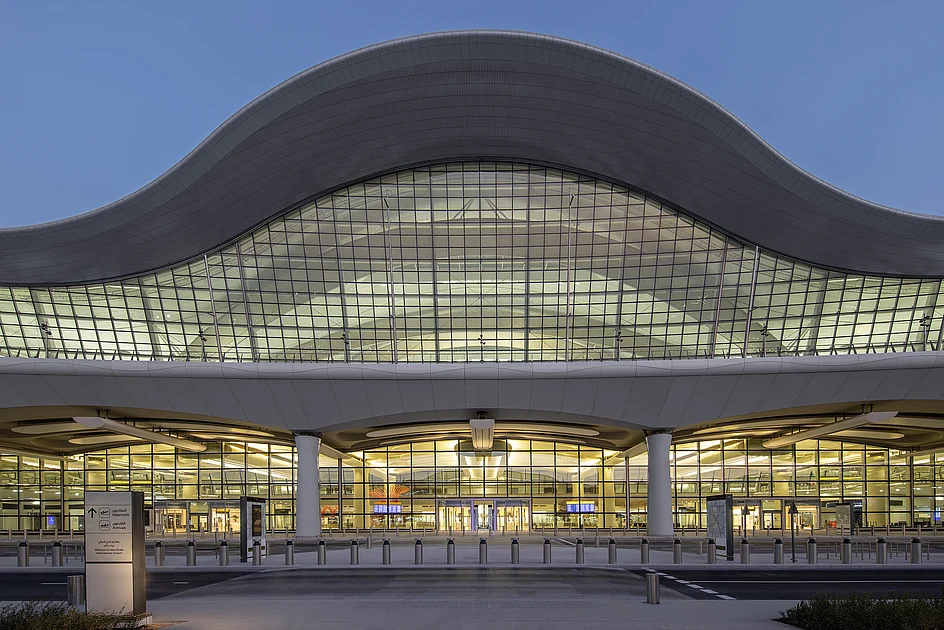
Abu Dhabi Airports reports 18th straight quarter of double-digit passenger traffic growth
Abu Dhabi Airports has marked a significant milestone with its 18th consecutive quarter of double-digit passenger traffic growth, solidifying its role as a key driver of the emirate’s economy and global connectivity. Between July and September 2025, the operator of Abu Dhabi’s five commercial airports welcomed 8.49 million passengers, a 10.1% increase compared to the same period in 2024. This growth was complemented by a 6% rise in flight movements, totaling 67,035 flights, and a 15.5% surge in cargo traffic, which reached 200,000 tonnes during the quarter. Zayed International Airport (AUH), the emirate’s flagship airport, played a central role in this achievement, handling 8.35 million passengers, a 10.4% year-on-year increase. The airport also recorded 49,073 aircraft movements, up 5.9% from Q3 2024. Abu Dhabi Airports’ strategic expansion has been bolstered by new airline partnerships and route additions, including Jazeera Airways’ restored services to Kuwait, China Eastern Airlines’ daily flights to Shanghai, and Ethiopian Airlines’ daily service to Addis Ababa. The company has also expanded its network with 12 new destinations, such as IndiGo’s routes to Madurai, Bhubaneswar, and Vishakhapatnam. Elena Sorlini, Managing Director and CEO of Abu Dhabi Airports, highlighted the organization’s resilience and operational excellence, emphasizing its role in attracting visitors and investors. The third quarter also saw AUH receiving prestigious accolades, including Best Airport for Retail at the 2025 Frontier Awards and Level 2 Accessibility and Level 3 Customer Experience accreditations from ACI. These achievements underscore Abu Dhabi Airports’ commitment to delivering world-class experiences and advancing sustainable innovation. With over 29 million passengers served in 2024 and 545,511 tonnes of cargo handled year-to-date, Abu Dhabi Airports continues to strengthen its position as a global aviation leader, driving economic diversification and fostering international trade.
-
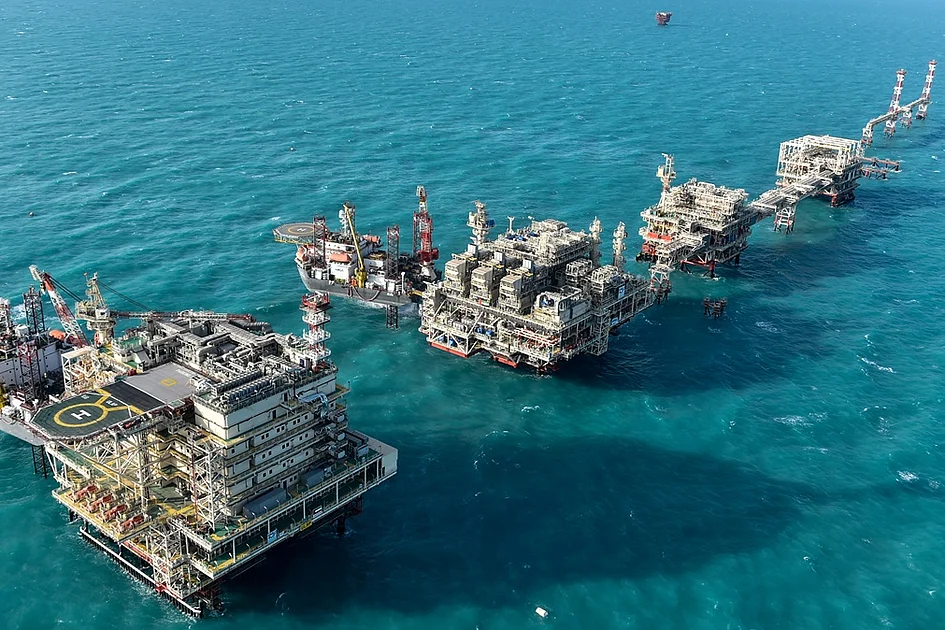
NMDC Energy’s 9-month revenue jumps 33 per cent to Dh13b
NMDC Energy has announced a remarkable 33% year-on-year increase in revenue for the first nine months of the year, reaching Dh13 billion. This growth is attributed to the company’s robust backlog execution and its expanding footprint in both regional and international energy markets. Net profit also saw a 5% rise, amounting to Dh951 million, reflecting the company’s operational efficiency and consistent project delivery. The company’s backlog at the end of September stood at Dh45.6 billion, bolstered by significant contract wins and project mobilizations across onshore and offshore sectors. NMDC Energy’s project pipeline expanded to Dh61.4 billion, showcasing its diversified growth strategy and market reach. Chairman Mohamed Hamad Almehairi emphasized the company’s focus on scaling capacity in key global energy markets, which has enhanced its long-term growth prospects. CEO Eng. Ahmed Salem Al Dhaheri highlighted the company’s operational agility and efficient backlog delivery, solidifying its position as a leading EPC contractor in the Middle East. A notable achievement during this period was the launch of fabrication work at NMDC Energy’s new 400,000 square meter yard in Ras Al Khair, Saudi Arabia. This state-of-the-art facility, equipped with advanced automation and digital systems, boasts an annual production capacity of 40,000 tonnes and will support complex offshore and onshore energy projects. The company secured major contracts, including a Dh9.7 billion offshore EPC contract in the UAE and a Dh4.2 billion project in Taiwan, with international operations contributing 31% to its revenue. NMDC Energy also strengthened its sustainability profile, earning an MSCI ESG Rating of “A” for its adherence to global environmental, social, and governance standards. Additionally, the company signed strategic memoranda of understanding with UAE-based Al Gharbia and China’s Hilong Shine New Materials to explore domestic pipe production and advanced coating technologies, respectively.
-

Apple suppliers Skyworks, Qorvo agree to create $22 billion radio-chip giant
In a landmark deal announced on Tuesday, Skyworks Solutions and Qorvo have agreed to merge, creating a $22 billion combined entity that will dominate the radio-frequency (RF) chip market. The merger, structured as a stock-and-cash transaction, aims to capitalize on the resurgence in smartphone demand following the post-pandemic downturn. Qorvo shareholders will receive $32.50 in cash and 0.960 Skyworks shares for each share held, valuing the deal at a 14.3% premium to Qorvo’s closing price on Monday. Shares of both companies surged approximately 12% in pre-market trading. Skyworks CEO Phil Brace will lead the merged company, while Qorvo’s CEO Bob Bruggeworth will join the board. The combined firm will hold a significant position in supplying RF chips to Apple and other smartphone manufacturers, though Apple’s ongoing development of in-house chips could pose long-term challenges. The merger is expected to face rigorous antitrust scrutiny, with the deal projected to close by early 2027. Skyworks investors will own about 63% of the new entity, with Qorvo shareholders holding the remaining 37%. The merger follows months of discussions and comes amid activist investor Starboard Value’s push to enhance Qorvo’s share price.
-
India signs aircraft deal with sanctioned Russian firm
In a significant development for India’s aviation sector, state-owned Hindustan Aeronautics Limited (HAL) has entered into a groundbreaking agreement with Russia’s United Aircraft Corporation (UAC), a firm currently under US and European sanctions. The deal, signed in Moscow, marks the first time India will manufacture complete civil passenger aircraft domestically. The collaboration will focus on producing the SJ-100, a twin-engine, narrow-body plane designed for short-haul connectivity, primarily catering to the Indian market. Defence Minister Rajnath Singh lauded the deal as a ‘landmark step’ for India’s civil aviation industry, emphasizing its potential to create jobs and enhance self-reliance. However, the agreement has drawn criticism from Western allies, particularly the United States, which has previously urged India to align with sanctions against Russia following its invasion of Ukraine. India has consistently maintained its stance against unilateral sanctions, asserting its right to pursue independent foreign and trade policies. The deal underscores India’s continued strategic and economic ties with Russia, despite increasing scrutiny over its energy imports and defense collaborations. This move also comes amid heightened trade tensions, with the US recently imposing tariffs on Indian exports, accusing India of indirectly supporting Russia’s war efforts. While US President Donald Trump claimed Indian Prime Minister Narendra Modi agreed to reduce Russian oil imports as part of a potential trade deal, no official confirmation has been provided by the Indian government.
-

Amazon to cut 30,000 office jobs amid AI investments, media reports say
Amazon, the global e-commerce and technology giant, is set to reduce its workforce by 30,000 office jobs as part of a cost-cutting strategy while ramping up investments in artificial intelligence (AI). The layoffs, which represent nearly 10% of Amazon’s approximately 350,000 office employees, are expected to commence this week, according to multiple U.S. media reports. Notably, the cuts will not impact the company’s distribution and warehouse workforce, which constitutes the majority of its 1.5 million employees. Amazon has not officially commented on the reports, which were initially published by outlets such as The Wall Street Journal and The New York Times, citing anonymous sources. Despite the news, Amazon’s shares saw a slight increase at the close of the trading day. CEO Andy Jassy has consistently emphasized the transformative potential of AI in enhancing workplace efficiency, from customer interactions to operational streamlining. During Amazon’s recent quarterly earnings call, Jassy highlighted the growing impact of AI on customer experiences. The company is under pressure to demonstrate the value of its substantial AI investments, particularly within its Amazon Web Services (AWS) cloud computing division. Analysts, including Emarketer’s Sky Canaves, have noted that AWS must show both revenue growth and improved operating margins to justify its AI expenditures. Additionally, Amazon faces scrutiny following a recent AWS outage that disrupted numerous internet services globally, including streaming platforms, messaging apps, and banking services. The outage, attributed to an issue with the Domain Name System (DNS), underscored the widespread reliance on AWS’s infrastructure. AWS remains the leader in the cloud computing market, closely followed by Microsoft Azure and Google Cloud.