
Dubai’s real estate landscape has taken a transformative leap with the launch of Maravelle, the city’s first ultra-premium wellness retreat. Developed by Majid Al Futtaim, this exclusive residential enclave is nestled within Ghaf Woods, Dubai’s pioneering forest community. Maravelle is designed to redefine luxury living by prioritizing wellness, nature, and community over traditional opulence. The project features just 96 meticulously crafted homes across four boutique buildings, each offering a sanctuary of calm and privacy.
分类: business
-

DAE nine-month profit doubles as global aviation rebounds
Dubai Aerospace Enterprise (DAE) has announced a remarkable financial performance for the first nine months of 2025, with profits doubling as the global aviation sector rebounds. The company reported a pre-tax profit of $653 million, a 100% increase compared to $326.6 million in the same period last year. Total revenue also surged by 26%, reaching $1.28 billion, up from $1.02 billion, driven by robust fleet utilization and the integration of Nordic Aviation Capital (NAC), acquired earlier this year. Operating cash flow rose to $1.13 billion, while adjusted pre-tax profit margins improved to 26.7%. DAE’s total assets expanded to $16.36 billion, reflecting the successful incorporation of NAC’s portfolio. CEO Firoz Tarapore highlighted the company’s strengthened position in the global leasing market, emphasizing the full integration of NAC and sustained financial health. DAE’s fleet grew significantly, with 263 aircraft acquired, including 249 for its owned portfolio. The company also signed 162 new lease agreements and expanded its engineering services arm, Joramco, which saw a 56.3% increase in profitability. With $3.44 billion in available liquidity and $2.75 billion raised from regional and Asian banks, DAE is well-positioned to capitalize on the ongoing recovery in commercial aviation and the global push for fleet modernization.
-
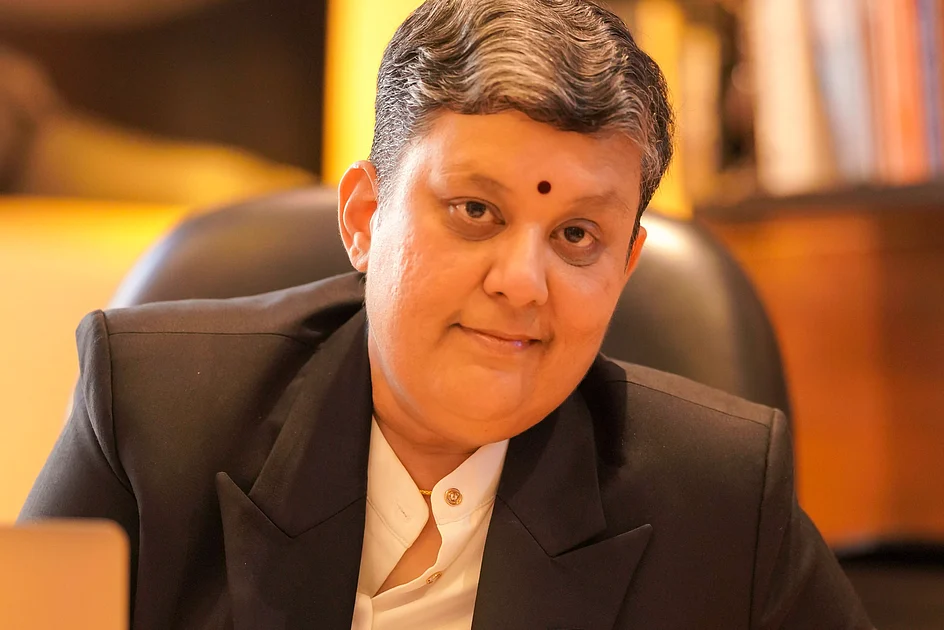
ABA Legal expands advisory services to accelerate UAE’s technology and business transformation
In a strategic move to bolster the UAE’s economic diversification and digital leadership, ABA Legal, a prominent corporate law consultancy based in Abu Dhabi, has announced the expansion of its advisory and legal services. This initiative is designed to support the nation’s burgeoning technology and innovation sectors, aligning with the UAE’s vision to become a global hub for innovation and enterprise. The enhanced service portfolio will focus on high-growth industries such as artificial intelligence (AI), renewable energy, blockchain, and data privacy, providing businesses with future-ready legal frameworks to ensure sustainable growth and regulatory compliance. Geethalakshmi Ramachandran, Managing Counsel at ABA Legal, emphasized the firm’s commitment to delivering technology-informed legal advice that safeguards client interests and fosters business confidence. The expansion includes the introduction of an AI Advisory service, staffed by experienced EU AI compliance professionals, to address the growing demand for AI regulatory expertise. ABA Legal’s specialized counsel will cover areas such as AI governance, Fintech Legalese management, cybersecurity, data privacy, e-commerce regulations, mergers and acquisitions, and cross-border compliance. With over two decades of experience in the UAE’s legal consulting sector, ABA Legal has built a strong reputation for excellence in corporate law, fiscal legal consulting, and legal drafting. The firm serves as standing counsel to major enterprises, including Indian banks, Fortune 500 companies, and multinational corporations in the UAE. Additionally, ABA Legal’s strategic partnerships across 32 jurisdictions enable it to offer comprehensive international advisory services, combining local insight with global best practices. This expansion underscores the firm’s dedication to supporting the UAE’s national goals for innovation, sustainability, and economic diversification, ensuring businesses can innovate confidently and responsibly within legal and ethical boundaries.
-
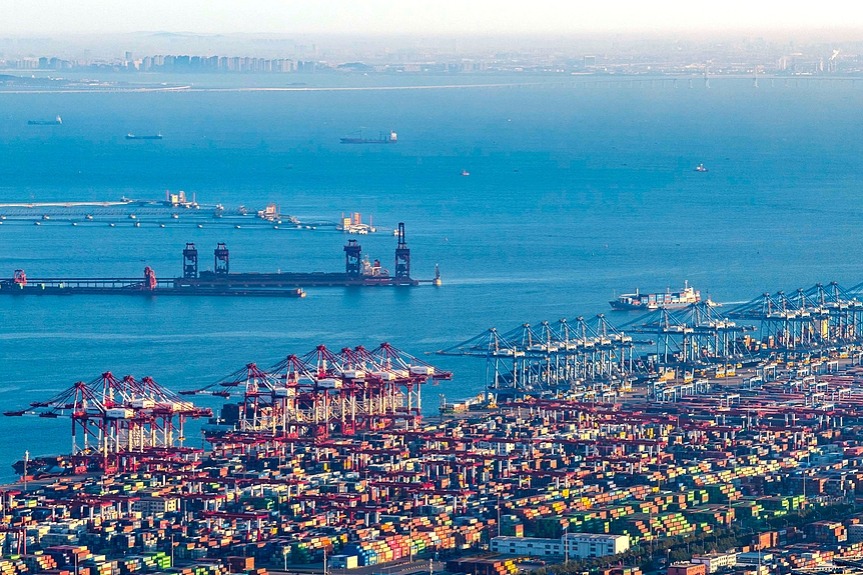
Openness and integrated development key to Asia-Pacific miracle
The Asia-Pacific region’s remarkable economic growth has been fueled by openness and integrated development, according to Foreign Ministry spokesman Guo Jiakun. Speaking at a press briefing on Wednesday, Guo emphasized that these principles are not only the foundation of the region’s success but also the key to overcoming future challenges and fostering a shared future. This statement comes as international institutions, including the International Monetary Fund (IMF), caution that rising tariffs and protectionism could undermine the region’s economic resilience. Despite these concerns, the Asia-Pacific remains the fastest-growing area globally, with the IMF projecting a 4.5% growth rate for 2025. China and the Association of Southeast Asian Nations (ASEAN) have solidified their economic partnership, maintaining their status as each other’s largest trading partners for five consecutive years. The recent signing of the China-ASEAN Free Trade Area 3.0 Upgrade Protocol underscores this deepening collaboration, which is expected to bolster economic growth both regionally and globally. Guo also highlighted China’s commitment to aligning with high-standard international trade rules and upgrading existing free trade agreements. By promoting regional economic integration through high-level opening-up, China aims to build an Asia-Pacific community characterized by openness, inclusiveness, innovation, connectivity, and mutually beneficial cooperation.
-
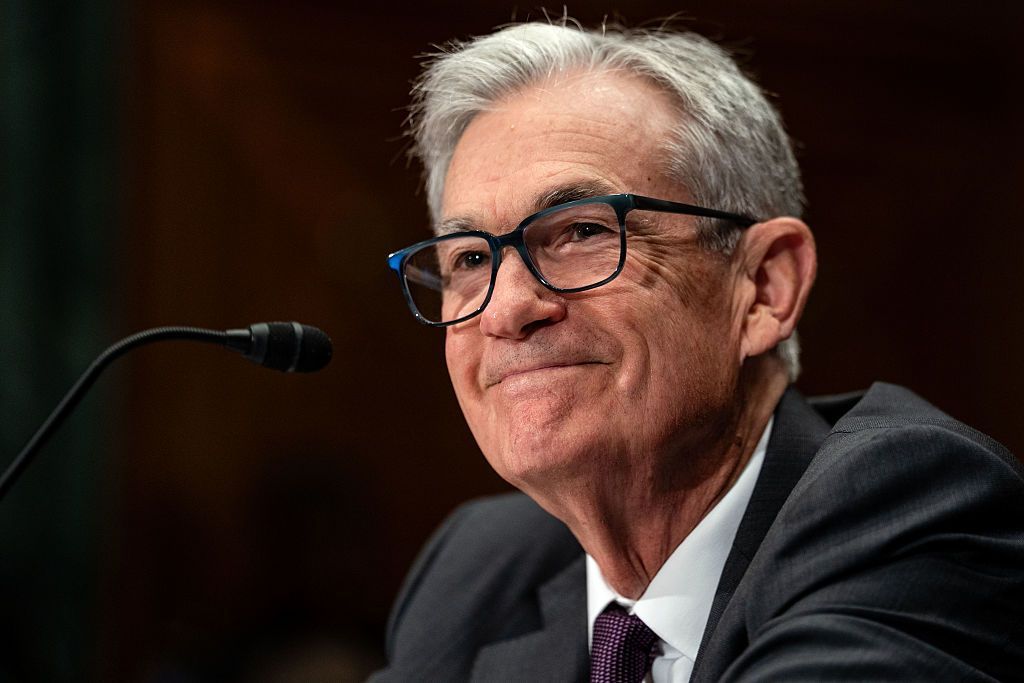
Fed cuts US interest rates again despite ‘flying blind’
The US Federal Reserve has proceeded with another interest rate cut, reducing its key lending rate by 0.25 percentage points to a range of 3.75% to 4%. This decision, announced on Wednesday, comes as concerns over a slowing labour market overshadow fears of inflation. Economists noted that the ongoing US government shutdown, now nearing its one-month mark, has left central bankers ‘flying blind’ due to delays in official job market data. The Fed last cut rates in September, marking the first reduction since December 2022, in response to sluggish hiring trends. Chairman Jerome Powell highlighted ‘downside risks’ to unemployment as a key factor. Despite the shutdown, the Labor Department released September inflation data last week, showing a 3% year-over-year increase, slightly below expectations. This reinforced the likelihood of further rate cuts. Earlier this year, fears of tariff-driven inflation dominated discussions as President Trump imposed sweeping tariffs on major trading partners. While inflation remains above the Fed’s 2% target, the milder-than-expected September reading allowed policymakers to prioritize labour market concerns. Bank of America economists noted that ‘policymakers are slightly more focused on downside risks to the employment mandate.’ The latest cut brings the key lending rate to its lowest level in three years. Wall Street anticipates another quarter-point reduction at the Fed’s December meeting, with investors pricing in an over 80% chance. However, JP Morgan’s chief US economist, Michael Feroli, cautioned that upcoming jobs reports could ‘significantly change perceptions of the labour market.’ Meanwhile, President Trump has criticized Powell for not cutting rates faster and hinted at replacing him before his term ends in May 2024.
-
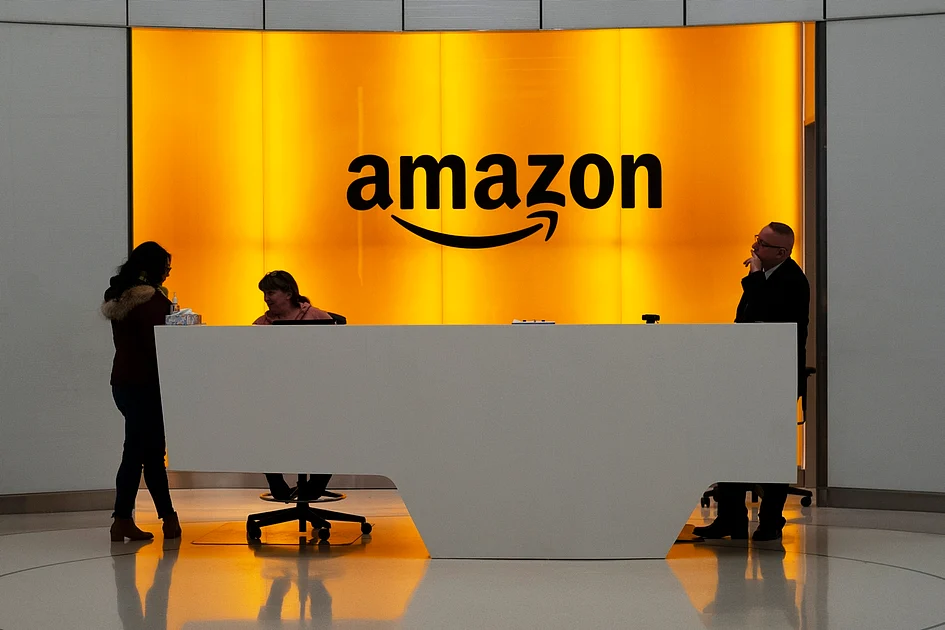
Amazon addresses layoff reports, confirms 14,000 corporate job cuts
Amazon has officially announced plans to reduce its corporate workforce by approximately 14,000 employees, addressing widespread speculation about large-scale layoffs. The decision, communicated by Beth Galetti, Senior Vice-President of People Experience and Technology, underscores the company’s strategic shift to streamline operations and reallocate resources toward its most critical growth areas. Galetti emphasized that the move aims to reduce bureaucracy, eliminate redundant layers, and focus on initiatives that align with customer needs and future demands. Affected employees will have 90 days to seek internal roles, with Amazon prioritizing internal recruitment to facilitate transitions. Those unable to secure new positions will receive severance packages, outplacement services, and continued health insurance benefits. Galetti attributed the restructuring to the rapid evolution of artificial intelligence (AI), which she described as the most transformative technology since the internet. She noted that AI’s integration necessitates a leaner organizational structure to enhance agility and efficiency. Amazon CEO Andy Jassy previously highlighted the profound impact of generative AI on the workforce, predicting a reduction in corporate roles as the company leverages AI for operational gains. Jassy urged employees to embrace AI, experiment with its applications, and contribute to Amazon’s reinvention. The company plans to continue hiring in strategic areas while identifying opportunities to increase ownership and efficiency. This announcement reflects Amazon’s commitment to adapting to technological advancements and maintaining its competitive edge in a rapidly evolving market.
-
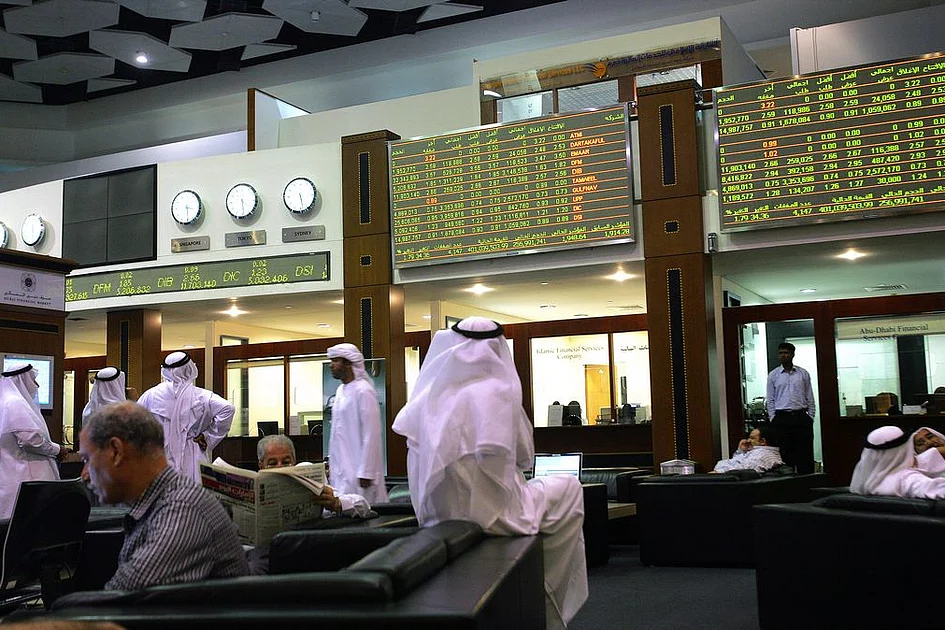
UAE IPO market gains pace as investor confidence grows, and reforms drive listings
The UAE’s initial public offering (IPO) market is experiencing significant growth, driven by increasing investor confidence, regulatory reforms, and a supportive macroeconomic environment. While Saudi Arabia led the region with eight IPOs raising $637 million in the third quarter of 2025, the UAE’s momentum is underpinned by its strengthening ecosystem, including expanding market depth, new sector participation, and enhanced regulatory frameworks. These factors have broadened both issuer and investor bases, solidifying the UAE’s position as a leading IPO destination outside Asia. High-profile listings across sectors such as utilities, real estate, logistics, energy services, and technology have further deepened investor trust. The Dubai Financial Market (DFM) and Abu Dhabi Securities Exchange (ADX) have benefited from government initiatives encouraging state-linked and family-owned enterprises to go public, while private-sector firms are increasingly exploring listings as part of their expansion strategies. Liquidity in UAE equity markets has also improved, driven by increased institutional investor participation and sovereign fund activity. The ADX, in particular, has attracted strong international inflows due to large-cap issuances and enhanced trading infrastructure, while the DFM has seen renewed retail participation. Compelling valuations, steady dividend policies, and earnings visibility have bolstered market confidence. The third quarter of 2025 saw robust performance across regional indices, with the MSCI Emerging Markets Index rising 25%, Egypt’s EGX30 Index gaining 23.3%, and Kuwait’s Premier Market Index climbing 19.6%. These gains highlight investor resilience amid global macroeconomic uncertainty, with the UAE emerging as a stable and predictable market for long-term regional growth exposure. A diverse range of sectors, including infrastructure contracting, education services, energy logistics, advanced manufacturing, technology, and consumer services, are preparing for public offerings, signaling a broader regional capital formation trend. Regulatory reforms, such as updated corporate governance rules in the UAE and Saudi Arabia’s adjustments to market-making regulations, have enhanced market attractiveness and transparency. The UAE’s IPO narrative aligns with its economic diversification strategy, supporting private-sector growth, deepening liquidity pools, and channeling domestic savings into productive investments. With a healthy IPO pipeline, strong regulatory momentum, and improving liquidity, the UAE’s capital markets are poised to remain a key driver of regional investment activity and corporate growth, solidifying its position as a rising global capital market hub.
-
China Innovation Index up 5.3% in 2024: official data
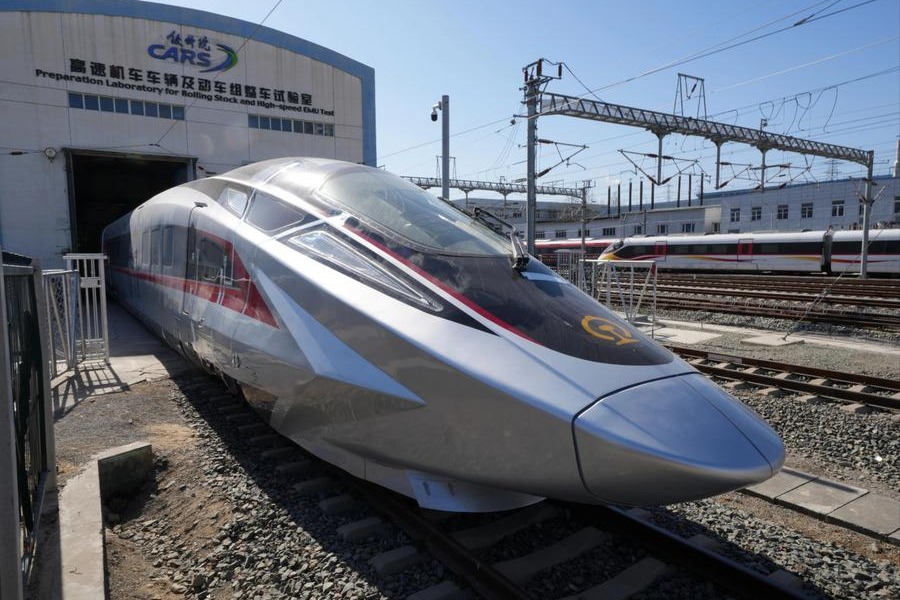
China’s innovation landscape witnessed significant growth in 2024, as the China Innovation Index surged by 5.3% to reach 174.2, according to data released by the National Bureau of Statistics (NBS) on Wednesday. This upward trajectory underscores the nation’s enhanced innovation capabilities and its pivotal role in reshaping the economic framework. The innovation environment saw marked improvements, driven by increased investment, accelerated innovation output, and stronger economic drivers. Notably, China’s expenditure on basic research soared by 10.7% year-on-year to 250.09 billion yuan ($35.3 billion), maintaining a robust double-digit growth rate. The proportion of basic research in total R&D spending hit a record high of 6.88%. Additionally, the number of invention patents granted in China rose by 13.5% to 1.05 million, reflecting the country’s commitment to fostering intellectual property development. The ‘three new’ economy—encompassing new industries, new business formats, and new models—accounted for 18.01% of China’s GDP, up 0.43 percentage points from 2023, further highlighting the transformative impact of innovation on the economy.
-

Dubai: Gold prices steady after a week of downward trend; 24K drops to Dh476
After experiencing a significant drop of over Dh50 in the past week, gold prices in Dubai have shown signs of stabilization as of Wednesday morning. The 24K gold price settled at Dh476 per gram, down from Dh479 on Tuesday. Other variants, including 22K, 21K, and 18K, also saw slight declines, standing at Dh440.75, Dh422.75, and Dh362.25 per gram, respectively. This follows a brief dip in prices on Tuesday afternoon, which later recovered. Globally, spot gold prices fell to $3,959 per ounce at 9:30 AM UAE time, while silver prices rose by 0.63% to $47.5 per ounce. Market analysts attribute the volatility to shifting investor sentiment, with many opting for equities over safe-haven assets like gold. Josh Gilbert, a Market Analyst at eToro, noted that the potential for a trade deal between major economies has reduced the demand for gold as a safe haven. He explained that strong inflows into ETFs, Federal Reserve interest rate cuts, and geopolitical tensions had driven gold prices up by 50% in 2025. However, recent data indicates a cooling momentum, with gold-backed ETFs experiencing significant outflows as investors lock in profits. Gilbert added that while lower interest rates, central bank purchases, and inflation hedging demand could support gold prices in the long term, the near-term outlook remains uncertain due to positive equity market drivers.
-
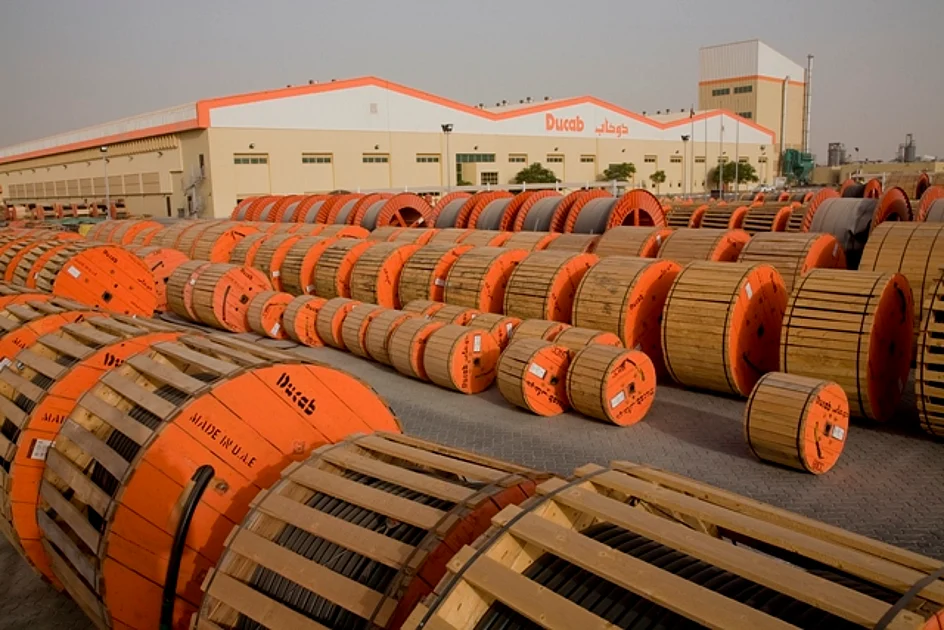
Middle East wires & cables market set for $32b surge on infrastructure boom
The Middle East’s wires and cables market is poised for significant growth, with projections indicating a surge from $23 billion to over $32 billion within the next five years. This expansion is fueled by a robust infrastructure boom, encompassing real estate, renewable energy, industrial development, and electrification initiatives across the region. The UAE and Saudi Arabia are leading this charge, with the UAE accelerating advancements in real estate, clean energy, and manufacturing, while Saudi Arabia’s mega-projects like NEOM, The Line, and Qiddiya are driving unprecedented demand for power cables and specialized conductors. The International Energy Agency underscores the importance of grid modernization and transmission upgrades in achieving the region’s renewable energy goals, further boosting the need for high-performance cables. Globally, the wires and cables sector is expected to reach $281 billion by 2030, growing at an annual rate of 4.1%, driven by urbanization and the energy transition. In the Gulf, investments are even more substantial, with $147 billion in construction projects underway and $60 billion earmarked for renewable energy over the next five years. Additionally, rail and transport upgrades could require over $6.6 billion by 2033, while charging infrastructure and e-mobility development may attract between $10 billion and $20 billion. Regional manufacturers like Ducab in the UAE and Bahra Electric in Saudi Arabia are expanding their capacity and product lines to meet the rising demand for specialized cables used in solar plants, offshore wind farms, hydrogen projects, high-voltage transmission corridors, and smart mobility systems. Industry leaders emphasize the importance of higher safety standards, fire-resistant materials, efficiency gains, and sustainability certifications. Daniel Ryfisch, project director at Messe Dusseldorf, highlights the Middle East’s wires and cables sector as being on the cusp of a decade-long expansion, driven by ongoing energy transition efforts, electrification, and large-scale urban development. Manufacturers are not only scaling production for domestic markets but also expanding their export reach into Africa, Asia, and Europe. Several leading Gulf producers are set to participate in the wire & Tube trade fairs in Düsseldorf in April 2026, which will serve as a global networking and sourcing platform.