Tesla shareholders have approved a groundbreaking $1 trillion pay package for CEO Elon Musk, setting the stage for him to potentially become the world’s first trillionaire. The ambitious 12-step plan requires Musk to elevate Tesla’s market valuation from $1.4 trillion to $8.5 trillion while achieving other significant milestones, such as selling 1 million humanoid robots and 10 million subscriptions to Tesla’s self-driving software. This decision comes just days after New Yorkers elected Zohran Mamdani, a progressive candidate advocating for higher taxes on the wealthy to fund social programs, highlighting the stark contrast in perspectives on wealth distribution in America. Musk’s supporters, including President Donald Trump, view his financial success as a model to emulate, while critics argue that such concentrated wealth exacerbates economic inequality. The Florida State Board of Administration defended the plan, citing Tesla’s transformation from near bankruptcy to a global leader in electric vehicles and clean energy. However, public pension fund officials in New York and California opposed the package, warning of excessive corporate power. Musk, who owns 15% of Tesla’s stock, could see his control grow to nearly 29% if he meets the plan’s targets. Meanwhile, Norway’s sovereign wealth fund voted against the proposal, citing concerns about dilution and key person risk. The approval of Musk’s pay package underscores the deepening divide in American business and politics, with progressives like Mamdani pushing for wealth redistribution and billionaires like Musk championing unfettered capitalism. The plan also reignites debates about executive compensation and corporate governance, as Tesla’s board insists it is designed to drive innovation and growth.
分类: business
-

UAE app economy shifts to profitability as finance installs surge 700%
The UAE’s app economy is undergoing a transformative shift, moving from user acquisition to profitability, driven by loyalty, retention, and innovative engagement strategies. According to recent data from AppsFlyer, presented at the MAMA Dubai event, finance app installs have surged by an astonishing 700% between 2021 and 2024, while ad fraud on Android has dropped by 50%. These trends underscore the market’s growing sophistication and trust in digital ecosystems. Sarah Maina, Regional Manager for France and the Middle East at AppsFlyer, highlighted that the UAE is setting a global benchmark for sustainable app growth, emphasizing the importance of data integrity, user trust, and creative innovation. The finance sector’s remarkable growth is attributed to the UAE’s push toward a cashless economy and the rapid digital transformation of traditional banks. Shopping apps are also thriving, supported by hybrid retail models and buy-now-pay-later (BNPL) solutions. Meanwhile, gaming apps, once dominant, have plateaued, prompting developers to focus on hybrid monetization and immersive experiences. Maina stressed that the focus has shifted from downloads to loyalty and retention, with user acquisition spending increasing by 32% on Android and 36% on iOS. The decline in ad fraud, down 50% on Android and 25% on iOS, reflects improved education and technology. Super apps, which integrate shopping, travel, and payments, are gaining traction as brands leverage data and AI to personalize user experiences. With UAE users spending an average of 4.6 hours daily on their phones, the app economy’s future lies in trust, loyalty, and innovation.
-

Kiara Jewellery named best luxury jewellery brand 2025
Kiara Jewellery has been honored with the title of Best Luxury Jewellery Brand 2025 at the esteemed Khatoon Entrepreneur Summit and Luxury Awards in Dubai. This accolade was bestowed following a rigorous evaluation process by the summit’s jury, which meticulously assessed candidates across various industries. Organized by Khatoon Luxury Events Organising LLC, the summit is renowned as a leading business platform in Dubai, celebrating groundbreaking innovations and bringing together accomplished entrepreneurs, investors, and senior professionals from sectors such as fashion, real estate, and hospitality. The awards recognize brands that excel in highly competitive fields. Kiara Jewellery’s recognition stems from its exceptional collections, which showcase advanced artistry and a seamless operational process from design to production. The brand’s co-founder, Ada Panday, also moderated the Wealth and Lifestyle panel, highlighting Kiara’s active role in Dubai’s thriving luxury market. With plans for further expansion, Kiara Jewellery continues to solidify its position as a leader in the luxury jewellery industry.
-
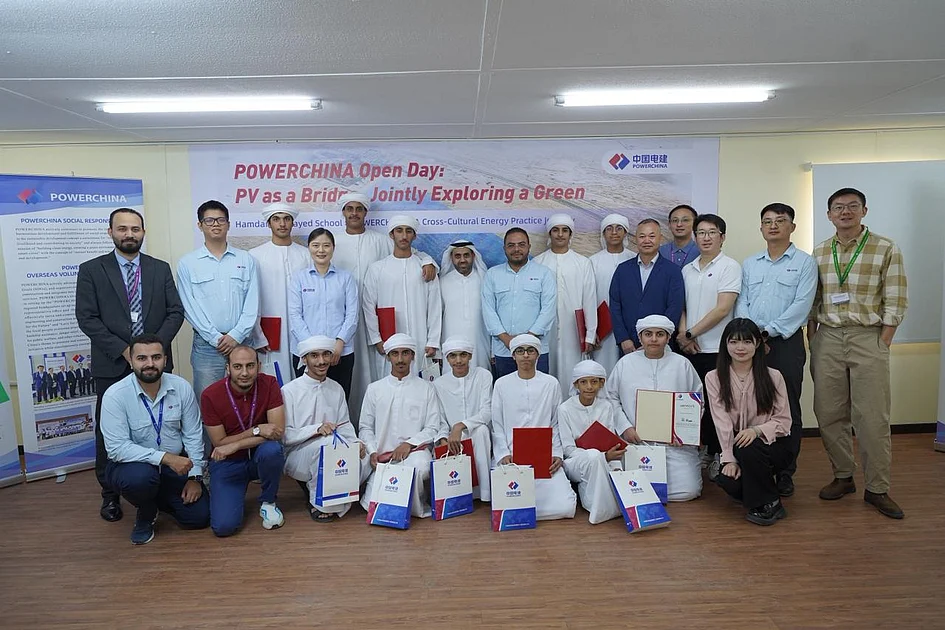
POWERCHINA hosts Hamdan Bin Zayed School visit to Abu Dhabi
POWERCHINA, in collaboration with Hamdan Bin Zayed School, a flagship institution under the UAE’s “Hundred Schools Project,” recently hosted an educational open day at the Abu Dhabi PV3 Al Ajban 1.5GW Photovoltaic Project (PV3 Project). The event, themed “PV as a Bridge, Jointly Exploring a Green Future,” provided students and teachers with an immersive experience into the world of renewable energy and its role in advancing the UAE’s sustainable development goals.
Joe Helou, Executive Managing Director of the SPV, welcomed the attendees and lauded POWERCHINA for its initiative. He highlighted the PV3 Project as a cornerstone of Abu Dhabi’s clean energy strategy and emphasized the importance of such visits in inspiring young minds to delve into the science and innovation behind renewable energy.
Hong Li, POWERCHINA’s Chief Representative in the UAE, showcased the company’s global and regional projects, underscoring its contributions to sustainable infrastructure and cross-cultural collaboration. Her presentation offered students a comprehensive understanding of POWERCHINA’s achievements in engineering, technological innovation, and social responsibility.
During the solar knowledge session, POWERCHINA’s technical experts elucidated the principles of photovoltaic power generation, the mechanics of solar panels, and the challenges of constructing large-scale solar plants in desert environments. Through engaging videos, interactive discussions, and simplified explanations, students gained valuable insights into the transformation of sunlight into clean electricity.
An interactive Q&A session followed, where students posed questions on topics ranging from the components of solar power plants to energy storage and dust mitigation techniques. Engineers from the PV3 Project shared their experiences, encouraging students to pursue careers in innovation and sustainability.
In his closing remarks, Li Junqi, Vice President of POWERCHINA MENA Regional Headquarters, drew on Chinese proverbs to commend the students’ curiosity and urged them to become ambassadors of friendship and green development between China and the UAE.
The visit concluded with a guided tour of the PV Sandbox area, where participants learned about the plant’s design, construction, and intelligent operation system. Many students expressed that the experience deepened their interest in science and clean technology.
Launched in 2019 through a joint initiative by Chinese President Xi Jinping and UAE President Sheikh Mohamed bin Zayed Al Nahyan, the “Hundred Schools Project” aims to introduce Chinese language education in approximately 100 Emirati public schools. Hamdan Bin Zayed School is a pioneer in this endeavor, offering Chinese courses and serving as a model for educational cooperation.
This event marks a significant milestone in POWERCHINA’s Cross-Cultural Integration Program in the UAE, blending educational engagement with practical exposure to clean energy development. Moving forward, POWERCHINA will continue to foster mutual learning and cooperation in education, technology, and culture, contributing to a greener and more sustainable future under the Belt and Road Initiative.
-
Gold’s next leap? Analysts see $5,000 horizon, explain current calm market
The gold market, currently hovering around the $4,000-per-ounce mark, is experiencing a period of apparent calm. However, analysts suggest this tranquility may be deceptive, with the precious metal potentially poised for a historic surge to $5,000 per ounce by 2026. Despite its recent inability to sustain gains above the symbolic $4,000 threshold, the underlying sentiment remains strikingly optimistic. Ewa Manthey, a commodities strategist at ING, views the current pause as a healthy reset rather than a sign of exhaustion. She predicts gold prices will average $4,000 in Q4 2025 and rise to $4,100 in Q1 2026, supported by central bank purchases, physical demand, and expectations of lower interest rates. Central banks bought an estimated 220 tonnes of gold in Q3 2025, a 28% increase from the previous quarter. Investment flows have also turned favorable, with global gold-backed ETFs seeing holdings increase by 222 tonnes between July and September. Major financial institutions, including HSBC, Bank of America, and Société Générale, forecast gold could reach $5,000 in 2026, driven by geopolitical tensions, rising government debt, and strong demand from central banks and private investors. However, some analysts, like Alex Kuptsikevich of FxPro, caution that gold’s uptrend has technically broken down, citing strong Treasury yields and a hesitant Federal Reserve. Despite short-term uncertainties, the structural appeal of gold remains intact, with lower real interest rates and fiscal pressures likely to fuel renewed safe-haven demand. Analysts believe the groundwork for a fresh surge is firmly in place, positioning gold as a hedge against modern economic uncertainties.
-
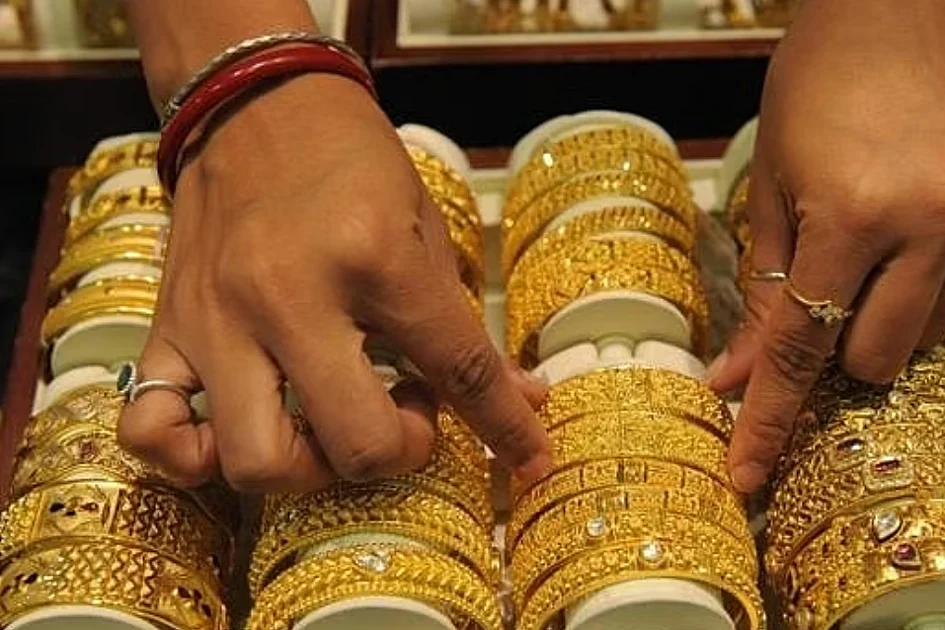
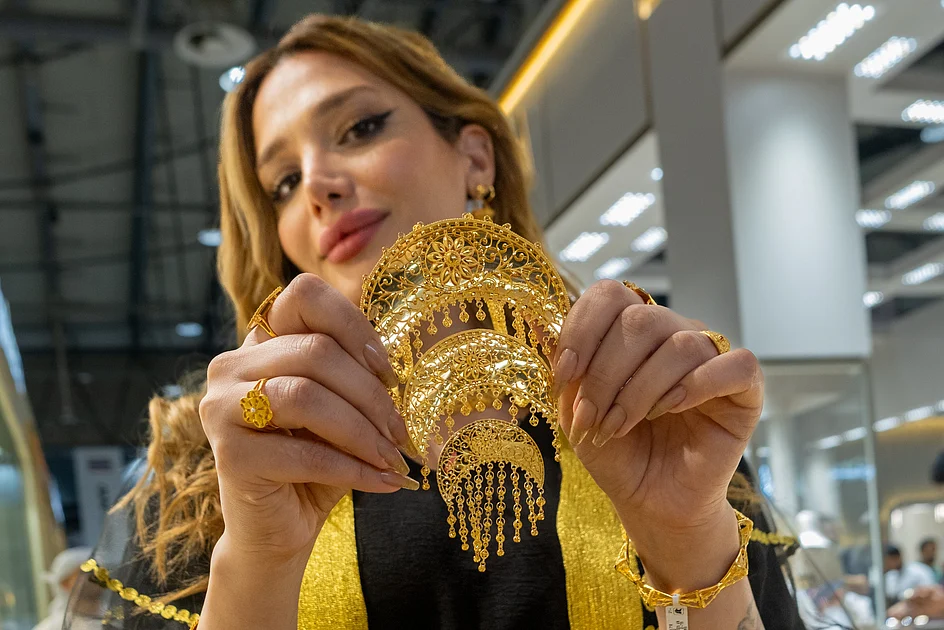
UAE: After hitting a 5-year low, gold jewellery sales pick up as prices ease
Gold jewellery sales in the UAE have experienced a resurgence following a significant drop in prices after reaching a peak in October 2025. According to data from the World Gold Council, demand for gold jewellery in the UAE plummeted to a five-year low of 6.3 tonnes in the third quarter of 2025, marking a 10% year-on-year decline and an 18% quarter-on-quarter drop. This was the lowest quarterly figure since the third quarter of 2020, when sales stood at 3.8 tonnes. The decline was attributed to record-high gold prices, which deterred buyers during the summer months. However, as prices began to ease, consumer interest in gold jewellery has gradually returned. Jewellers in Dubai report a noticeable uptick in sales, with customers strategically opting for lighter and more affordable pieces. Chirag Vora, Managing Director of Bafleh Jewellers, noted that the dip in prices has attracted bargain hunters, while Anil Dhanak of Kanz Jewels highlighted the seasonal boost from increased tourism and festive demand. In October, 24K gold prices in Dubai peaked at Dh525 per gram but have since dropped to Dh482 per gram. Spot gold closed at $4,001.21 per ounce over the weekend. Despite the recovery in jewellery sales, demand for gold coins and bars also declined, albeit at a slower pace, as investors anticipated further price rallies. Overall, UAE gold demand fell 9% year-on-year to 9.7 tonnes in the third quarter of 2025, the lowest since the second quarter of 2021.
-
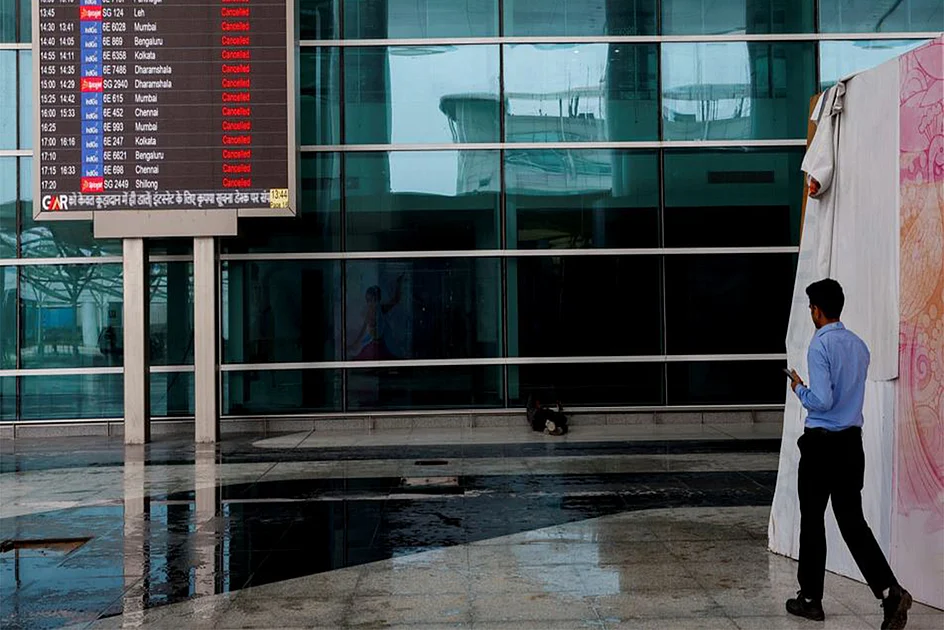
Delhi airport operator says all flight operations back to normal after glitch
Delhi International Airport has announced the full restoration of normal flight operations following a significant technical malfunction that disrupted services over the past two days. The issue stemmed from a failure in the Automatic Message Switching System (AMSS), a critical component used for generating flight plans, which caused delays affecting hundreds of flights at one of the world’s busiest aviation hubs. The system was reportedly restored to automatic functionality by Saturday afternoon, as confirmed by the Indian government. In response to the incident, Civil Aviation Minister Ram Mohan Naidu has directed officials to implement system upgrades, including the addition of fallback servers to enhance the resilience of air traffic operations. This move aims to prevent similar disruptions in the future and ensure smoother operations at the airport. The incident highlights the increasing reliance on advanced technological systems in managing complex aviation networks and underscores the need for robust contingency planning in the face of technical failures.
-
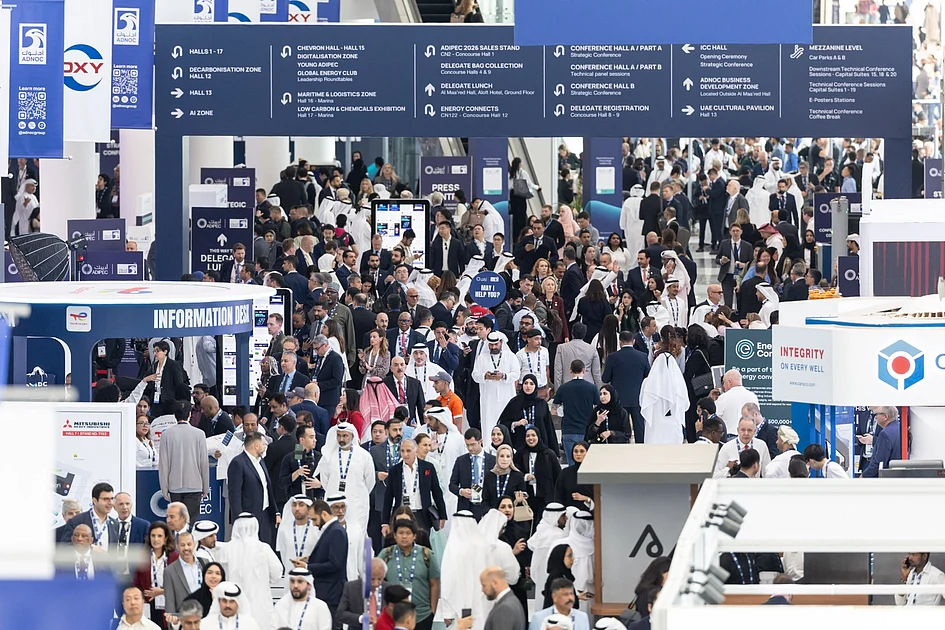
Abu Dhabi launches Unified Gas Code in line with UAE’s Net Zero 2050 targets
In a landmark move to bolster the UAE’s sustainability goals, the Abu Dhabi Department of Energy (DoE) unveiled the Unified Gas Code during ADIPEC 2025. This pioneering regulatory framework, the first of its kind in the region, establishes standardized protocols for the gas industry, encompassing natural gas, LPG, and industrial gases. Designed to enhance safety, efficiency, and sustainability, the code aligns with global best practices and the UAE’s ambitious Net Zero 2050 targets. By fostering a transparent and consistent regulatory environment, the initiative aims to attract investor confidence and strengthen public-private collaboration. The DoE also showcased its integration of artificial intelligence and advanced technologies to refine regulatory frameworks, improve governance, and ensure compliance. These efforts are part of the broader Energy and Water Efficiency Strategy 2030, which seeks to optimize Abu Dhabi’s energy system. Abdulla Al Jarwan, Chairman of the DoE, emphasized that the Unified Gas Code represents a transformative step in Abu Dhabi’s energy sector, reinforcing its role as a global leader in clean energy innovation. The code is expected to drive significant environmental and economic benefits, including annual savings of over AED100 million for residential customers and a reduction of 200,000 tonnes of CO₂ emissions by 2050. This initiative underscores Abu Dhabi’s commitment to achieving a sustainable energy future and solidifies its position as a hub for energy innovation.
-

3 Taiwanese airlines ban Bluetooth earphones in checked baggage
In a significant move to enhance aviation safety, three major Taiwanese airlines—Uni Air, Tiger Air, and Eva Air—have imposed a ban on Bluetooth earphones in checked baggage. The decision stems from concerns over the lithium-ion batteries embedded in these devices, which pose risks of short-circuiting and potential fire hazards. According to Uni Air, Bluetooth earphones and their charging cases are classified as portable electronic devices (PEDs) that remain in ‘standby mode’ due to their automatic charging feature. This violates the requirement that PEDs must be entirely powered off when stored in checked luggage. Tiger Air has also restricted the transport of earphone charging cases, permitting them only in hand-carried baggage. Eva Air has echoed similar guidelines, reinforcing the industry-wide focus on safety. The dangers of lithium batteries were highlighted in a recent incident aboard an Air China flight, where a fire erupted in an overhead compartment due to these batteries, causing panic among passengers. This incident underscores the necessity of such precautions. Additionally, Emirates, the UAE’s flagship carrier, recently banned the use of power banks onboard, aligning with broader regional safety measures. These restrictions reflect the aviation industry’s proactive approach to mitigating risks associated with lithium battery-powered devices.
-
Fujian county’s rural development becomes a big draw for Taiwan investors
Sanming, a city in Fujian province renowned for its verdant landscapes and impressive 78 percent forest coverage, has become a focal point for cross-Strait collaboration in rural development. This has drawn significant attention from Taiwanese investors, who are increasingly investing in the region. From Thursday to Sunday, Sanming hosted a major cross-Strait rural development forum, attracting over 400 participants from Taiwan. This event, part of the annual Strait Forum, underscored Sanming’s dedication to strengthening economic and cultural ties between mainland China and Taiwan. In recent years, Sanming has made substantial strides in integrating Taiwanese expertise with local resources. The city has welcomed 106 new Taiwan-invested enterprises, with total investments amounting to 801 million yuan ($112 million). Additionally, 12 bases for Fujian-Taiwan agricultural integration have been established. Furthermore, 30 Taiwan countryside development teams and more than 80 professionals in architecture and cultural creativity have been involved in 72 rural projects in Sanming. In Jianning county, Taiwan entrepreneur Lin Hsiu-ying established an oil tea camellia cooperative, leveraging Taiwanese techniques and employing local workers. This initiative has boosted the income of 112 local households by over 4,000 yuan per person. Lin expressed that the mainland’s supportive policies have significantly enhanced his confidence and motivation to expand his business ventures in Sanming.