分类: business

  • Pakistan denies reports of cancelled Islamabad International Airport deal with UAE

    Pakistan denies reports of cancelled Islamabad International Airport deal with UAE

    Pakistan’s Privatisation Commission has issued a formal rebuttal to circulating rumors suggesting the cancellation of a proposed airport management agreement with the United Arab Emirates. Contrary to speculative reports, the Commission clarified that no formal lease agreement had ever been executed between Pakistan and the UAE regarding Islamabad International Airport’s operations.

    The government has been evaluating multiple strategic options for outsourcing operations at three key aviation facilities: Islamabad International Airport (IIAP), Karachi’s Jinnah International Airport, and Lahore’s Allama Iqbal International Airport. Initially, authorities had approved in August the potential transfer of Islamabad Airport’s management to UAE entities through a government-to-government framework arrangement.

    This proposed arrangement contemplated comprehensive management contracts and extended commercial concessions aimed at modernizing airport infrastructure. However, in a significant policy shift last November, Pakistani officials transitioned from exclusive government-to-government negotiations to an open competitive bidding process for all three airports.

    The decision emerged following substantial investor interest from multiple international parties beyond the UAE, including entities from Turkey and Saudi Arabia. This competitive approach ensures equal participation opportunities for both domestic and foreign investors while prioritizing transparency and optimal economic outcomes for Pakistan.

    Authorities emphasized that this procedural modification stems exclusively from economic considerations rather than diplomatic or political factors. The competitive tender process aims to enhance operational efficiency, upgrade service quality, maximize revenue generation, and attract substantial private investment into Pakistan’s aviation infrastructure.

    Islamabad International Airport, inaugurated in 2018, has encountered various operational and financial challenges that the outsourcing initiative seeks to address. Involving globally experienced airport operators promises to significantly improve performance standards at Pakistan’s premier aviation facilities.

  • German firms’ investments in China boomed in 2025 on US trade war worries

    German firms’ investments in China boomed in 2025 on US trade war worries

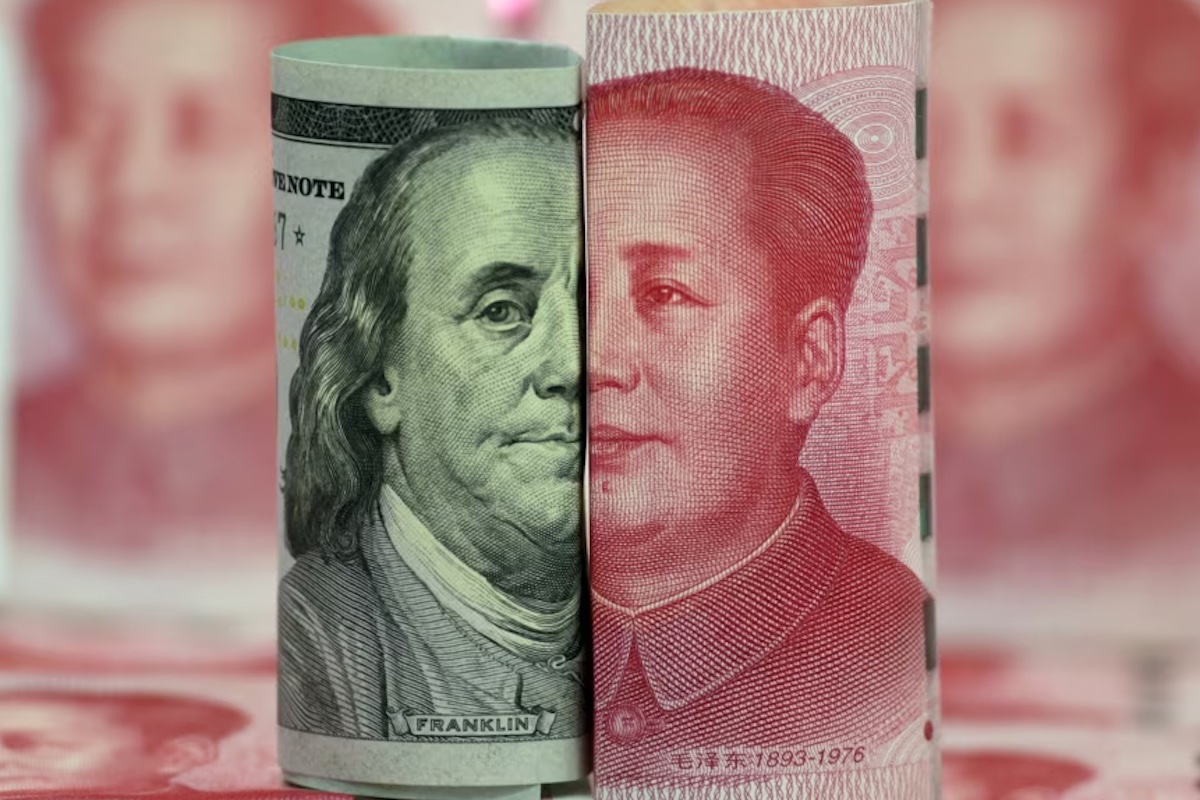
    German corporate investments in China reached a four-year peak in 2025, soaring to over €7 billion ($8 billion) during January-November—a striking 55.5% increase from the €4.5 billion recorded in both 2023 and 2024. This substantial growth, documented by the IW German Economic Institute in previously unreported data compiled for Reuters, highlights how Donald Trump’s aggressive trade policies have redirected European business focus toward China as a strategic alternative.

    The investment surge coincides with heightened U.S. tariffs on EU imports during Trump’s first year back in office, prompting Germany’s top enterprises to strengthen supply chains and localize production within China. According to Juergen Matthes, head of international economic policy at IW, companies are accelerating Chinese operations to mitigate risks from geopolitical conflicts and potential trade disruptions. ‘Many companies conclude that producing in China for China reduces exposure to tariffs and export restrictions,’ Matthes noted.

    Major German corporations—including BASF, Volkswagen, Infineon, and Mercedes-Benz—remain deeply embedded in the Chinese market, which dominates global sales for automobiles and chemicals. For instance, ebm-papst, a leading manufacturer of fans and motors, invested €30 million in expanding its Chinese operations, representing over one-fifth of its total investments last year. The company described this approach as ‘an important anchor of stability’ during times of economic uncertainty.

    Concurrently, China reclaimed its position as Germany’s primary trading partner in 2025, after being temporarily surpassed by the United States in 2024. The shift underscores a broader realignment in global trade dynamics, as European governments and businesses seek to balance economic cooperation with geopolitical caution.

  • One-day bank strikes in India over 5-day workweek demand

    One-day bank strikes in India over 5-day workweek demand

    India’s banking sector witnessed widespread operational disruptions on Tuesday as employee unions orchestrated a coordinated one-day strike across the nation. The industrial action primarily sought to amplify long-standing demands for implementing a standardized five-day working week within the banking industry.

    Financial institutions nationwide proactively communicated with customers regarding anticipated service interruptions, ensuring minimal public inconvenience through maintained operational efficiency of ATMs, digital banking platforms, and mobile banking applications. While physical branch operations experienced suspensions affecting traditional counter services like cash withdrawals and deposits, electronic banking channels remained fully functional throughout the strike duration.

    Union representatives emphasized the peaceful nature of their demonstrations. Sanjay Kuthe, General Secretary of the Indian Bank Officers Association for Maharashtra and Goa, confirmed to ANI that the demand for reduced working days has remained unresolved for over two years despite repeated appeals to governmental authorities. ‘We demand the government implement five-day working days for employees in a week—a long-pending matter that has been delayed excessively,’ Kuthe stated.

    Echoing these sentiments, Wilbur Anton, General Secretary of the National Confederation for Bank Employees in Maharashtra, characterized the protest as a disciplined demonstration seeking improved working conditions. Banking unions argue that transitioning to a five-day workweek would enhance employee work-life balance while aligning operational standards with other financial sector segments.

    The unions have indicated potential escalation of industrial actions should their demands continue to be overlooked by policymakers. This strategic work stoppage highlights ongoing tensions between banking sector employees and administrative bodies regarding labor reforms and working condition enhancements within India’s rapidly modernizing financial ecosystem.

  • Mukaab: Saudi Arabia suspends construction of controversial cube structure

    Mukaab: Saudi Arabia suspends construction of controversial cube structure

    Saudi Arabia has officially suspended construction on the Mukaab, a monumental cube-shaped megastructure that was planned as the centerpiece of downtown Riyadh’s New Murabba development. According to a Reuters report citing four sources with knowledge of the decision, the project is being paused while Saudi authorities conduct a comprehensive review of its financial viability and feasibility.

    The Mukaab, initially conceived as an architectural marvel with each side spanning 400 meters, was designed to be large enough to contain 20 Empire State buildings within its volume. The structure was planned to feature an immense internal dome displaying advanced holographic AI imagery from a 300-meter-tall terrace, positioning it to become the world’s largest built structure.

    This suspension represents the latest in a series of scaling back of Saudi Arabia’s ambitious Vision 2030 projects amid financial constraints and shifting priorities. Three sources confirmed that work beyond initial soil excavation and pilings has been halted, though surrounding real estate developments in the New Murabba area will continue according to five informed sources.

    The project had previously drawn significant criticism for its visual resemblance to the Kaaba in Mecca, Islam’s holiest site. While Saudi commentators defended the design as inspired by the Najd region and a contemporary reinterpretation of Riyadh’s Murabba Palace, the controversy added complexity to the project’s development.

    The New Murabba development, originally scheduled for completion by 2030, has now been extended to 2040 and was estimated by Knight Frank real estate consultancy to cost approximately $50 billion – comparable to Jordan’s entire GDP.

    This decision coincides with broader reassessments of Saudi megaprojects, including significant downsizing of the NEOM megacity project and its 170-kilometer linear city component. The Financial Times recently reported that NEOM is being repositioned to focus on industrial sectors, particularly data centers as part of Crown Prince Mohammed bin Salman’s push into artificial intelligence. Additionally, the Trojena ski resort within NEOM has been downsized and will no longer host the 2029 Asian Winter Games.

    These strategic shifts are partially attributed to stagnating oil prices and refocused efforts toward hard deadlines for the 2030 Expo international trade fair and the 2034 World Cup. Saudi Economy Minister Faisal al-Ibrahim acknowledged the transparent reassessment process, stating that the kingdom is not shying away from admitting necessary project delays and rescoping as part of its comprehensive Vision 2030 strategy review.

  • Mortgage holders warned ‘make or break’ inflation figure could trigger multiple interest rate rises

    Mortgage holders warned ‘make or break’ inflation figure could trigger multiple interest rate rises

    Australian homeowners face an anxious wait for Wednesday’s crucial inflation data, with economists warning this single release could determine whether the Reserve Bank imposes further interest rate pain. The Australian Bureau of Statistics will unveil the December quarterly consumer price index at 11:30 AM, providing critical insight into the nation’s inflationary trajectory ahead of the RBA’s first 2024 policy meeting next week.

    Financial experts have identified a precise threshold that could force the central bank’s hand. Judo Bank chief economist Warren Hogan cautioned that should quarterly inflation reach or exceed 0.8%, the RBA would likely announce a rate hike when it meets on February 4. ‘Current interest levels remain insufficient to restore price stability to target parameters,’ Hogan stated during a Sky News interview, suggesting multiple increases might be necessary.

    The economic landscape presents conflicting signals for policymakers. While headline annual inflation moderated to 3.4% in November from the previous 3.8%, the more significant trimmed mean inflation—which excludes volatile price movements—stood at 3.2%. Oxford Economics Australia’s Harry Murphy Cruise identified this trimmed mean figure as the decisive ‘magic number,’ noting that results exceeding 3.2% would likely warrant immediate monetary tightening.

    Compounding the pressure on borrowers, December’s unemployment rate unexpectedly dropped to 4.1% from November’s 4.3%, with 65,000 new workers entering employment. This robust labor market performance potentially fuels consumer spending capacity, creating conditions where businesses might more easily transfer rising costs to customers—a development that could sustain inflationary pressures.

    Despite recent methodological changes incorporating full monthly inflation data, the ABS continues producing quarterly figures that remain the RBA’s primary reference. With the central bank balancing dual mandates of full employment and price stability, Wednesday’s release represents what Betashares economist David Bassanese characterized as a ‘make-or-break’ moment for February’s rate decision.

  • Pakistani bank praises Urumqi court for mediation in labor dispute

    Pakistani bank praises Urumqi court for mediation in labor dispute

    In a significant endorsement of China’s judicial system, a Pakistani financial institution has formally commended the Xinshi District People’s Court in Urumqi for its expert mediation in resolving a complex labor dispute. The bank’s letter of appreciation highlighted the court’s professional handling of a case involving its former Urumqi branch head, underscoring the effectiveness of China’s legal framework for foreign enterprises operating within the Belt and Road Initiative corridor.

    The dispute originated when the employee, identified only as Mr. Zhao, declined a mandatory position rotation required under Chinese financial regulations in 2024. Zhao, who had held an open-ended contract since 2016, cited health considerations, family obligations, and language barriers as reasons for refusing the transfer. Following unsuccessful negotiations, the bank terminated his contract with standard compensation, which Zhao refused to accept while simultaneously failing to perform his duties, thereby disrupting branch operations.

    After labor arbitration ruled in Zhao’s favor, the bank pursued litigation in the Xinshi District Court. Recognizing the case’s sensitivity concerning both foreign investment protection and employee rights, the court initiated a meticulous mediation process. Judicial authorities educated Zhao about labor contract stipulations and potential legal consequences of his online criticisms against the bank, while simultaneously advising the financial institution about reputational risks associated with the dismissal.

    The breakthrough came when both parties agreed to revised terms: Zhao removed his online posts and the bank enhanced its compensation package. The resolution allowed the bank to maintain operational continuity while protecting the employee’s legitimate rights.

    The Pakistani bank specifically noted that the court’s intervention created ‘a stable, fair, transparent, and predictable legal environment’ that strengthens foreign investor confidence. This case has now become a benchmark for how Chinese judicial services support international economic cooperation, particularly within the China-Pakistan Economic Corridor framework.

  • Indian rupee crosses Rs25 against UAE dirham: Factors of decline, what it means

    Indian rupee crosses Rs25 against UAE dirham: Factors of decline, what it means

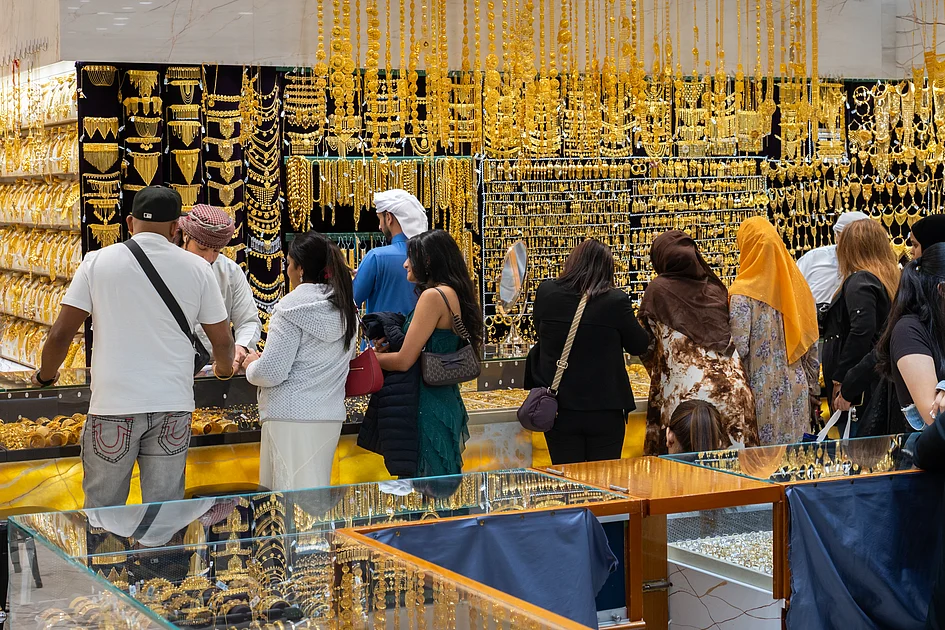
    The Indian rupee has breached the psychologically significant threshold of 25 against the UAE dirham, reflecting its persistent weakness against the US dollar which recently approached record lows of 92 rupees. This depreciation, impacting millions of UAE-based Indians through remittances, education costs, and import expenses, stems from multiple converging factors rather than a single catalytic event.

    Currency markets witnessed heightened volatility on January 27, 2026, with the rupee experiencing slight firming as the dollar softened and trade-deal optimism provided temporary relief. However, this minor recovery followed fresh historic lows, underscoring the currency’s underlying vulnerability.

    Three primary drivers are propelling the rupee’s decline. First, elevated US interest rates and Federal Reserve policy signals have strengthened the dollar, drawing global capital away from emerging markets like India. Second, sustained foreign portfolio outflows have created tangible dollar demand as international investors exit Indian assets. Third, importers’ anticipatory dollar buying—particularly for crude oil, electronics, and gold—has created self-fulfilling downward pressure, while exporters withhold dollar conversions hoping for further rupee depreciation.

    The UAE dirham’s peg to the dollar means the rupee-dirham exchange rate directly mirrors rupee-dollar movements, making Gulf transactions more expensive for Indian expatriates. Despite market anxieties, Reserve Bank of India Governor Sanjay Malhotra has clarified that the central bank focuses on maintaining orderly market conditions rather than defending specific exchange rate levels, emphasizing that currency strength shouldn’t be judged solely by exchange rates but by broader economic fundamentals.

    Potential stabilizers include moderating dollar strength, progress on India-EU trade agreements, and the RBI’s smoothing interventions. For households, the weak rupee presents a dual reality: enhanced remittance value for those sending money to India, but increased costs for imported goods, international education, and travel.

    The rupee’s trajectory remains contingent on global dollar dynamics, foreign investment flows, and trade imbalances, with the RBI positioned to prevent disorderly movements rather than reverse the currency’s broader trend.

  • Foreign trade fuels Xinjiang’s regional GDP growth during 14th Five-Year Plan

    Foreign trade fuels Xinjiang’s regional GDP growth during 14th Five-Year Plan

    Xinjiang Uygur Autonomous Region has demonstrated remarkable economic performance throughout China’s 14th Five-Year Plan period (2021-2025), with foreign trade emerging as a primary growth engine. Regional Chairman Erkin Tuniyaz revealed these findings during his government work report presented at the annual legislative session in Urumqi this week.

    The northwestern region achieved an impressive 5.9% average annual GDP growth, significantly propelled by a staggering 28.5% yearly expansion in foreign trade volume. By 2025, Xinjiang’s total economic output reached 2.15 trillion yuan ($309.03 billion), representing a 5.5% year-on-year increase.

    Notably, disposable income growth showed robust performance across urban and rural communities. Urban per capita disposable income rose by 5.3%, while rural residents experienced a more substantial 7% increase. For the first time in the region’s history, rural disposable income surpassed the 20,000 yuan threshold, reaching 20,793 yuan.

    Strategic industrial development played a crucial role in this economic transformation. Xinjiang has successfully cultivated characteristic and competitive industries, with major clusters emerging in multiple sectors including oil and gas production and processing, clean coal utilization, innovative power systems, environmentally conscious mining, and strategic emerging industries.

    The region maintained its national leadership in oil and gas equivalent output throughout the five-year period, achieving a cumulative production of 320 million metric tons. Simultaneously, Xinjiang’s energy transition advanced significantly with installed new-energy capacity growing to 167 million kilowatts—accounting for nearly two-thirds of the region’s total power capacity. Outbound electricity transmission increased at an average annual rate of 3.6%, with green electricity constituting over 30% of total exports.

  • EU says India to slash tariffs on import of autos, wine and pasta

    EU says India to slash tariffs on import of autos, wine and pasta

    In a landmark move set to redefine bilateral trade, India and the European Union have officially unveiled a comprehensive free trade agreement. The pact, announced on Tuesday, January 27, 2026, will dramatically reduce or eliminate import duties on an unprecedented 97 percent of goods exported from the EU to India, creating an estimated annual duty savings of up to €4 billion ($4.75 billion).

    The agreement specifically targets several high-tariff sectors, signaling a new era of market access for European producers. The automotive industry will witness a profound transformation, with India’s notoriously high import duties on cars being systematically reduced from a peak of 110 percent down to a new low of 10 percent. Similarly, the wine sector is poised for a breakthrough as tariffs, previously as high as 150 percent, will be progressively lowered to a base rate of 20 percent.

    Furthermore, the EU confirmed that India will completely eliminate its current 50 percent tariff on a range of processed food products. This elimination will apply to key European exports including pasta, chocolate, and other gourmet food items, granting them unprecedented price competitiveness in the vast Indian consumer market.

    This agreement is widely regarded as one of the most significant trade deals negotiated by the EU, marking a decisive step in strengthening economic ties between the world’s largest trading bloc and one of its fastest-growing major economies. The tariff reductions are structured to be implemented progressively, allowing industries in both regions to adapt to the new competitive landscape.

  • Digipos crosses Dh20 billion in transactions in 8 years as founder Sunil Rangwani advances multi-sector expansion

    Digipos crosses Dh20 billion in transactions in 8 years as founder Sunil Rangwani advances multi-sector expansion

    Dubai-based digital payments provider Digipos has achieved a remarkable financial milestone, processing over Dh20 billion ($5.45 billion) in cumulative transactions since its establishment in 2016. This achievement underscores the company’s evolution from a specialized payment solution to a comprehensive digital infrastructure partner within the UAE’s rapidly transforming economy.

    The company’s growth trajectory has accelerated significantly, with 2025 alone accounting for Dh5 billion ($1.36 billion) in processed transactions. This performance demonstrates robust merchant confidence and consistent platform reliability across more than 15,000 Point of Sale terminals deployed throughout the UAE.

    Founder and CEO Sunil Rangwani attributes this success to strategic execution and operational discipline rather than short-term market opportunism. “Expanding to over 15,000 terminals across the UAE represents a defining moment for our organization,” Rangwani stated. “This achievement reflects the collective efforts of our entire team and our commitment to ongoing pursuit of excellence.”

    Rangwani specifically acknowledged the contributions of Co-Founder and Business Director Mirza Hussain, whose operational expertise has been instrumental in strengthening platform reliability and scaling capabilities within the competitive fintech landscape.

    Building upon this success, Digipos has initiated a structured multi-sector expansion strategy across the UAE and India. The company has launched five new ventures in 2025, applying the same principles of governance and scalability that defined its payment solutions success.

    The expansion portfolio includes Henox IT and Datacenters LLC in Dubai and India, focusing on scalable digital infrastructure; La Opulence Real Estate LLC for premium property development; and Henox Insurance Broker Services along with Henox Capital and Finserv Pvt Ltd for financial services. Across all ventures, Rangwani maintains founder-level and board leadership roles, guiding strategic direction and governance frameworks.

    “Each venture is being built with the scale, structure, and discipline required to compete at an institutional level,” Rangwani emphasized. “Our objective is to create durable, category-defining businesses that deliver long-term value across infrastructure, finance, and real assets.”

    This expansion aligns with the UAE’s national digital transformation agenda, positioning Digipos as a dependable partner for merchants seeking payment solutions that combine reliability, scalability, and operational continuity in an increasingly cashless economic environment.