分类: business

  • The Trump Organization eyes real estate deal in Saudi government development: Report

    The Trump Organization eyes real estate deal in Saudi government development: Report

    The Trump Organization is reportedly in advanced negotiations to establish a branded property within one of Saudi Arabia’s most ambitious government-owned real estate developments. Jerry Inzerillo, CEO of the Saudi company spearheading the Diriyah project, hinted to The New York Times that an official announcement is imminent. ‘Nothing announced yet, but soon to be,’ Inzerillo stated, emphasizing that a deal is ‘just a matter of time.’

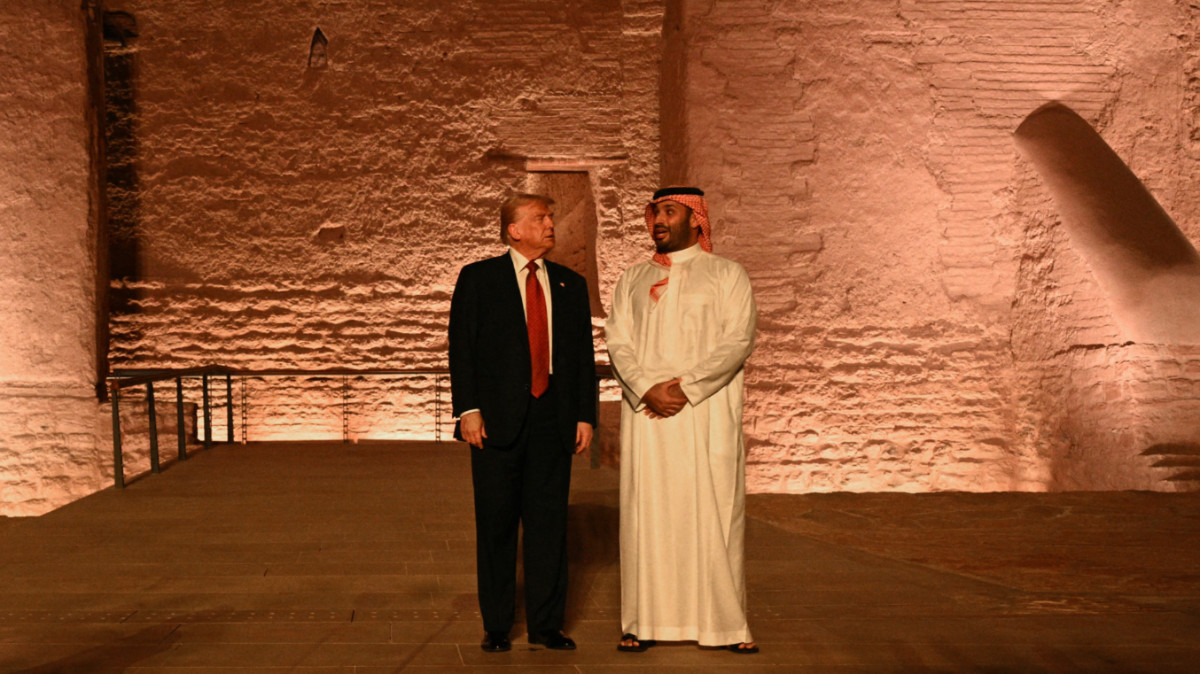
    Diriyah, the ancestral home of the Al-Saud ruling family and a UNESCO World Heritage site, is undergoing a $63 billion transformation into a luxury destination featuring hotels, restaurants, shops, and museums. During his May visit to Saudi Arabia, former U.S. President Donald Trump toured the site, which Inzerillo described as a strategic move to appeal to Trump’s developer instincts. ‘It turned out to be a good stroke of luck and maybe a little bit clever of us to say, ‘OK, let’s appeal to him as a developer’ – and he loved it,’ Inzerillo remarked.

    This potential deal aligns with the Trump Organization’s expanding footprint in the Gulf region. The company, managed by Trump’s sons Eric and Donald Jr., has secured numerous high-profile projects across Saudi Arabia, the UAE, Qatar, Oman, and the Maldives. These ventures often involve licensing the Trump brand to foreign developers, a lucrative strategy that generated $21.9 million in revenue last year alone, according to The New York Times.

    The Trump Organization’s Gulf expansion has not been without controversy, raising questions about potential conflicts of interest and favoritism during Trump’s presidency. Despite these allegations, the organization continues to forge partnerships with influential regional firms like Saudi Arabia’s Dar Global, which recently announced a new luxury hotel project in the Maldives under the Trump International brand.

    As the Trump family business thrives abroad, its reliance on foreign partnerships underscores the global appeal of the Trump name, even as it navigates ongoing scrutiny.
  • Aster DM Healthcare secures Dh265m in financing from Emirates Development Bank

    Aster DM Healthcare secures Dh265m in financing from Emirates Development Bank

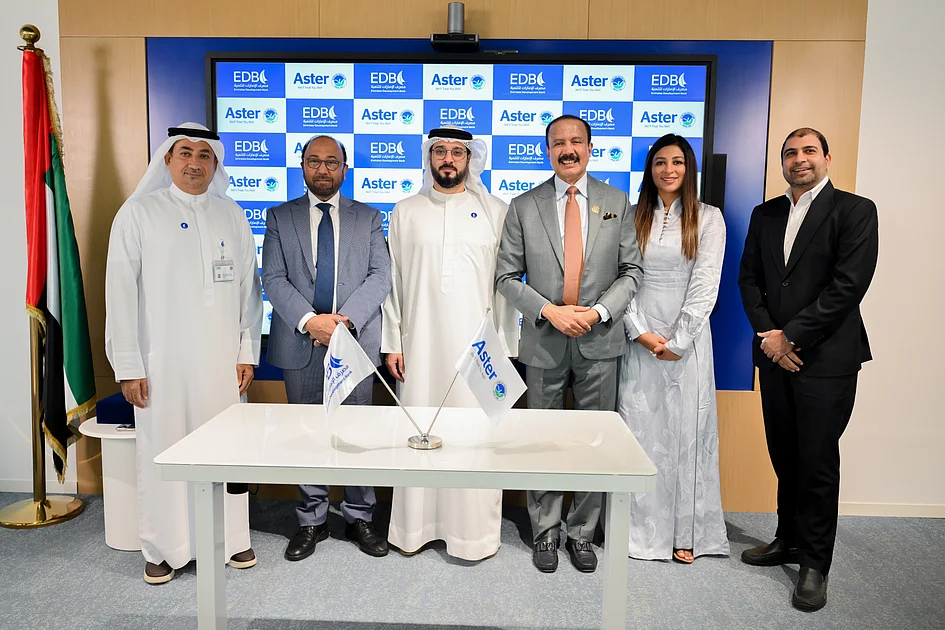
    Aster DM Healthcare, a prominent integrated healthcare provider in the UAE and GCC, has announced a strategic partnership with Emirates Development Bank (EDB) to secure Dh265 million ($72 million) in financing. This funding will support the development of two new multi-specialty hospitals in Dubai, aimed at addressing the growing demand for quality healthcare services in the region. The agreement, signed by Dr. Azad Moopen, Founder Chairman of Aster DM Healthcare, and Ahmed Mohamed Al Naqbi, CEO of EDB, marks a significant step in expanding healthcare infrastructure in the UAE. The new facilities will add over 250 beds to Aster’s existing capacity of approximately 920 beds, enabling the treatment of more than 560,000 patients annually. Once operational, the hospitals will employ over 675 doctors, nurses, and allied health professionals, bolstering the local healthcare workforce. Emirates Development Bank, a key driver of economic growth in the UAE, focuses on priority sectors such as healthcare, manufacturing, and renewable energy. This partnership aligns with the Dubai Economic Agenda D33, which aims to position Dubai as a global leader in healthcare. Alisha Moopen, Managing Director and Group CEO of Aster DM Healthcare, emphasized the alignment of this expansion with the UAE’s broader economic goals. Iqbal Khan, CEO of Fajr Capital and Board Member of Aster DM Healthcare, highlighted the shared vision of building a regional healthcare champion dedicated to delivering accessible, high-quality care across the GCC.

  • Will Trump’s tariff rollback lower food prices?

    Will Trump’s tariff rollback lower food prices?

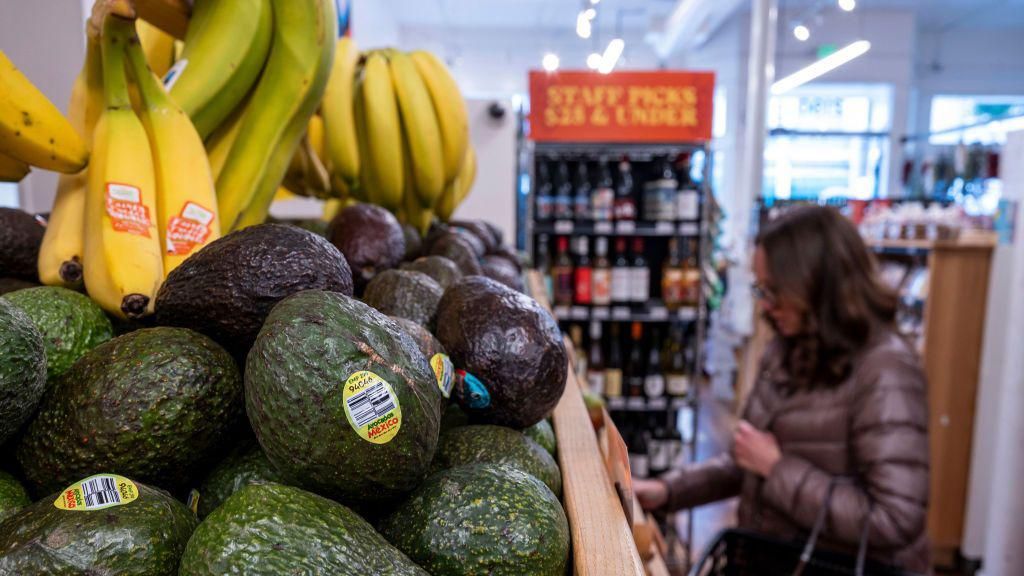
    In a significant policy shift, former President Donald Trump recently announced the removal of tariffs on over 200 products, including staples like bananas and coffee. This decision, seen as a political concession, aims to address rising cost-of-living concerns that have been impacting White House approval ratings and Republican electoral prospects. The Food Industry Association (FMI) lauded the move as a ‘critical step’ toward affordability, echoing sentiments from various business groups. However, the practical economic relief may not match the political significance of the gesture. According to Yale’s Budget Lab, Trump’s tariffs, which include a 10% baseline tax on imports and additional levies on many trading partners, were projected to increase food prices by 1.9% in the short term. Historically, U.S. grocery prices have been relatively stable, rising an average of only 2% annually between 2013 and 2021. While the tariff removal targets items with negligible domestic production, such as coffee, spices, and tropical fruits, its overall impact on household grocery budgets is expected to be modest. Economists note that imports account for less than 20% of total U.S. food and beverage purchases, with many imports from Mexico already exempt due to trade agreements. Additionally, factors like rising labor costs and droughts continue to drive food prices upward. Despite the tariff rollback, food companies still face higher costs from tariffs on materials like aluminum, used in canned foods, and items like wine, cheese, and palm oil remain unaffected. The Trump administration has framed high food prices as a legacy issue from the Biden era, cautioning that significant price reductions will take time. While some price relief is anticipated, experts warn that the psychological impact of high prices may persist, influencing future industry decisions.

  • China’s digital finance pivot: from clearing ground to rebuilding

    China’s digital finance pivot: from clearing ground to rebuilding

    China’s central bank, the People’s Bank of China (PBOC), has unveiled a comprehensive strategy for the future of digital finance, signaling a significant shift away from stablecoins towards a sovereign digital currency. The strategy, articulated by PBOC Governor Pan Gongsheng and Vice Governor Lu Lei, emphasizes a structural reset rather than regulatory tightening.

  • Traders Hub strengthens UAE’s trading ecosystem with focus on client experience and market expansion

    Traders Hub strengthens UAE’s trading ecosystem with focus on client experience and market expansion

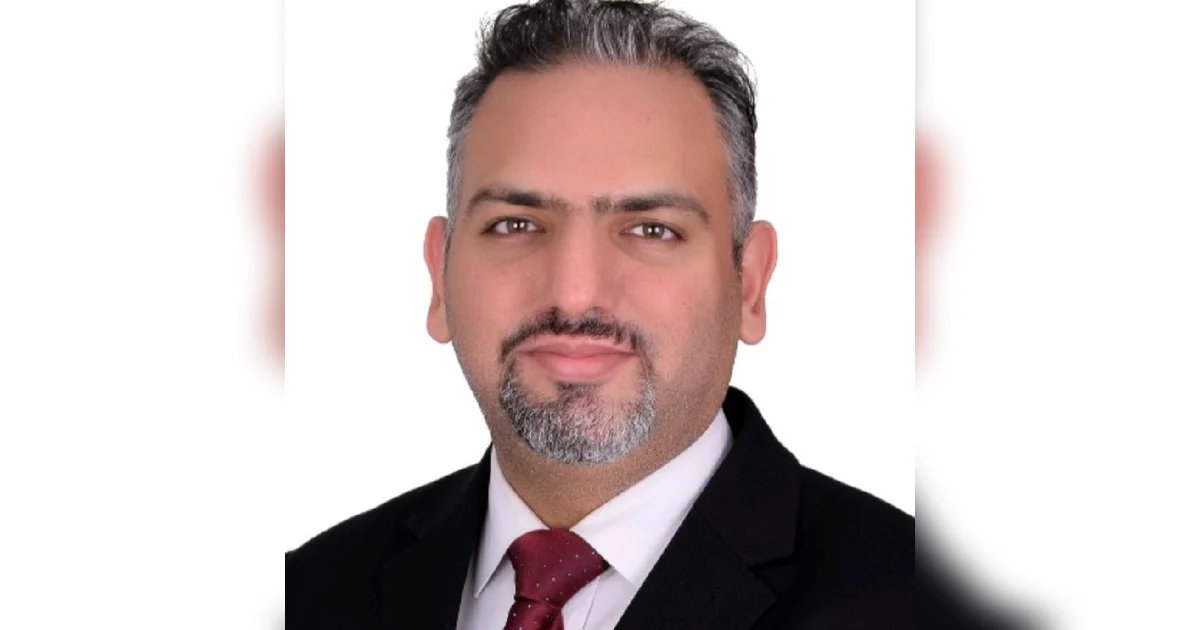
    The United Arab Emirates (UAE) is witnessing a significant transformation in its financial landscape, driven by the rapid adoption of digital trading and a shift toward diversified, technology-driven investment portfolios. Industry experts highlight a surge in online trading activity, fueled by fintech advancements, enhanced accessibility, and growing trust in the nation’s regulatory frameworks. Technological innovations, such as the UAE Pass digital identity system and efficient payment gateways, are simplifying access to global markets and accelerating trade execution, reshaping the trading experience for both retail and institutional investors. The Securities and Commodities Authority (SCA) plays a pivotal role in this evolution, ensuring robust regulatory frameworks and strengthening investor protection. This regulatory maturity has attracted both local and international firms to expand their offerings, solidifying the UAE’s position as a leading financial hub in the region. Among the key players is Traders Hub, a UAE-regulated brokerage that emphasizes digital efficiency and accessibility. Hafez Baker, COO of Traders Hub, notes that modern investors demand transparency, diversification, and seamless access to global markets. Brokerages across the UAE are responding by expanding their product suites, offering over 5,000 global instruments, including forex, equities, ETFs, indices, and commodities. This diversification enables investors to strategically manage risk and capitalize on global opportunities in real time. Market analysts believe that this shift toward technology-enabled diversification and client-centric infrastructure is enhancing the UAE’s competitiveness in global finance. With regulatory stability, innovative platforms, and broader market access, the UAE’s trading ecosystem is poised for sustained growth and deeper investor engagement.

  • IATF 2025 opens in Dubai, marking 20 years as the Gulf’s leading fashion sourcing fair

    IATF 2025 opens in Dubai, marking 20 years as the Gulf’s leading fashion sourcing fair

    The International Apparel & Textile Fair (IATF) 2025 has officially commenced at the Dubai World Trade Centre, marking its 20th anniversary as the Gulf’s leading B2B fashion sourcing event. Running from November 17 to 19, the fair features over 400 exhibitors from more than 30 countries, including the UK, USA, Italy, China, India, France, Germany, Russia, Spain, and Portugal. This milestone edition highlights the event’s pivotal role in shaping the region’s apparel and textile industry over the past two decades.

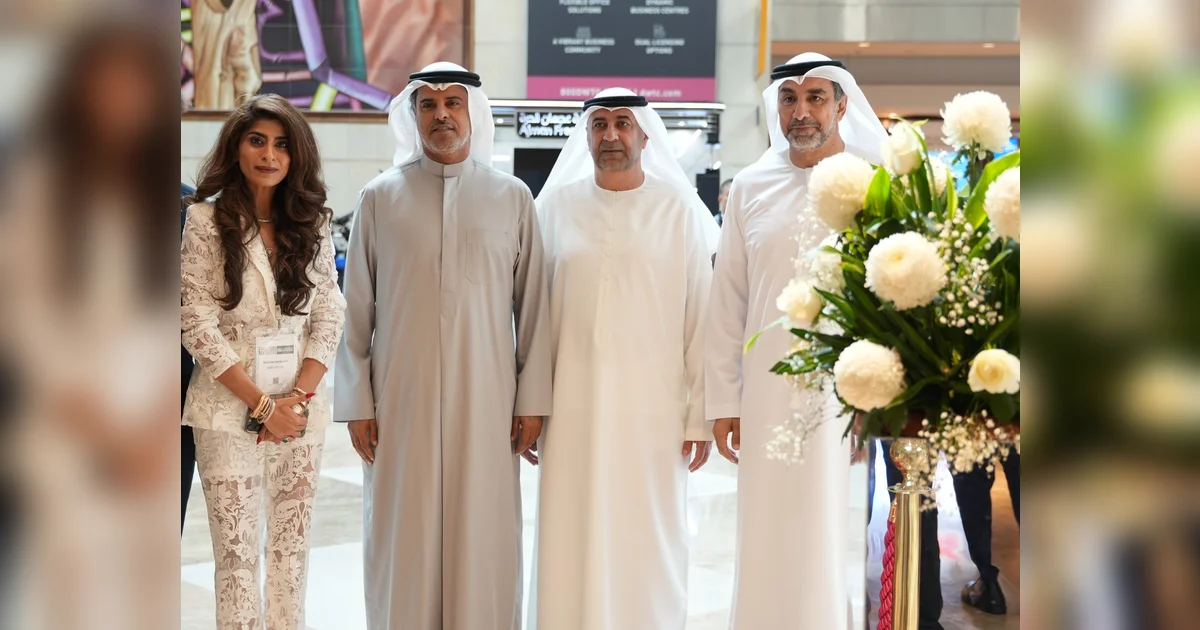
    The inauguration ceremony was graced by Butti Saeed Al Ghandi, Vice Chairman of Dubai World Trade Centre, and Mahir Julfar, Executive Vice President, emphasizing Dubai’s growing prominence as a global fashion trade hub. The fair spans Halls 6 and 7, attracting thousands of sourcing professionals, industry buyers, and decision-makers from the GCC, Europe, and beyond.

    This year’s edition introduces ‘Moda Sole & Accessories,’ a dedicated showcase featuring over 70 curated booths for footwear, handbags, laces, trims, and premium accessories. The event also emphasizes sustainability, ethical production, and circular design, aligning with global industry trends.

    Bhavna Nihalani, Founder and Show Director of IATF, remarked, ‘IATF has become a dynamic platform that unites the entire fashion sourcing cycle, fostering creativity, responsibility, and innovation.’ The fair’s Hosted Buyers Program facilitates thousands of pre-scheduled meetings, driving meaningful business connections and long-term partnerships.

    Visitor registration is now open for November 18 and 19, welcoming designers, manufacturers, suppliers, retailers, and wholesalers to explore the future of fashion sourcing.

  • Dubai Airshow 2025: Flydubai orders 60 GE engines for Boeing aircraft

    Dubai Airshow 2025: Flydubai orders 60 GE engines for Boeing aircraft

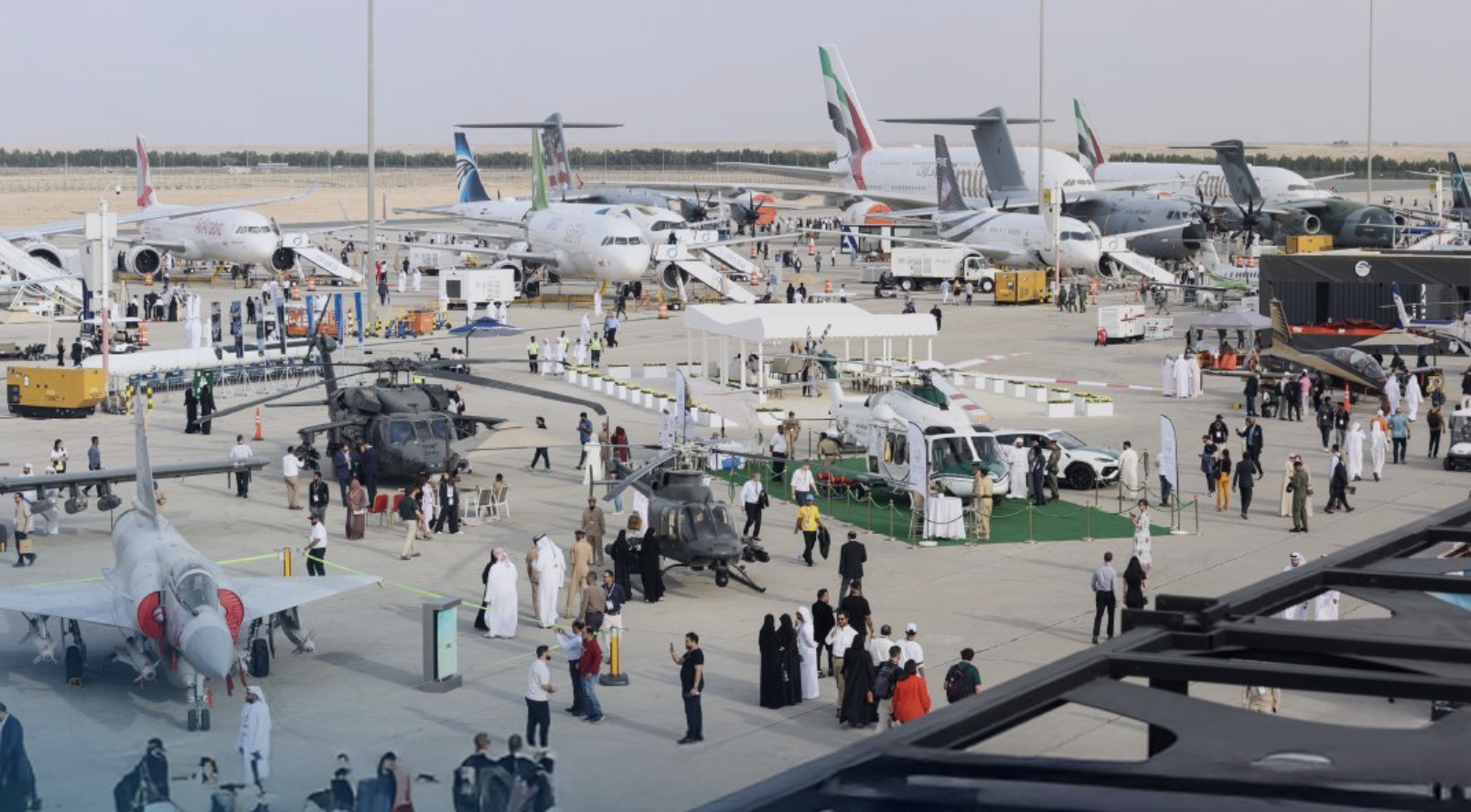
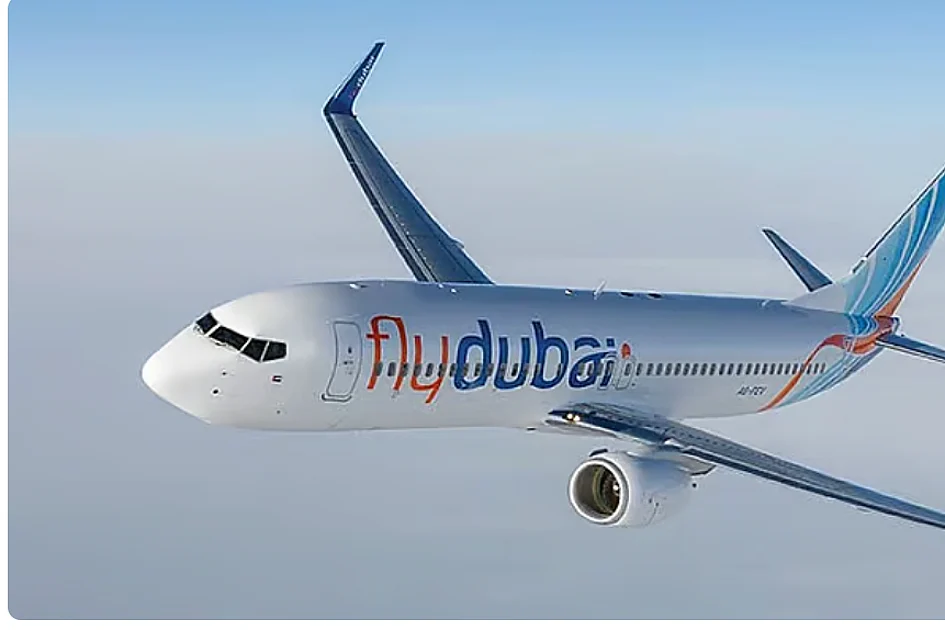
    Flydubai, Dubai’s second-largest carrier, has announced a significant agreement with GE Aerospace to acquire 60 GEnx-1B engines for its new fleet of 30 Boeing 787-9 aircraft. The deal, unveiled on the opening day of the Dubai Airshow 2025, also includes spare engines and a long-term services agreement to support the airline’s ambitious entry into long-haul operations. While the financial details remain undisclosed, the partnership underscores flydubai’s strategic shift from its all-Boeing 737 fleet to diversify its offerings and meet evolving market demands. The Boeing 787 Dreamliner, known for its fuel efficiency, will enable flydubai to expand its global reach and enhance its competitive edge. Ghaith Al Ghaith, CEO of flydubai, emphasized the critical role of engine performance and durability in the airline’s expansion plans, particularly as it prepares to integrate the 787 aircraft into its fleet. The announcement comes amid challenges posed by Boeing’s delivery delays, which have impacted flydubai’s growth trajectory. Russell Stokes, President and CEO of Commercial Engines and Services at GE Aerospace, expressed enthusiasm about supporting flydubai’s expansion, highlighting the GEnx engine’s proven reliability and efficiency. Since its introduction in 2011, the GEnx engine family has logged over 62 million flight hours, cementing its reputation as a trusted powerplant for modern aircraft.

  • Appinventiv expands Middle East presence with new Dubai office to support GCC clients

    Appinventiv expands Middle East presence with new Dubai office to support GCC clients

    Appinventiv, a leading technology solutions provider, has unveiled its new regional office in Dubai, solidifying its commitment to the Gulf Cooperation Council (GCC) market. Situated on the 6th floor of Meydan Grand Stand in Nad Al Sheba, the office will serve as a hub for delivering cutting-edge mobile development, digital transformation, and emerging technology services to public and private sector clients across the Middle East and North Africa (MENA).

    The expansion comes in response to growing demand for localized technology expertise in the GCC, where businesses face unique challenges such as Arabic-first design, right-to-left interfaces, and cultural nuances often overlooked by Western providers. Saurabh Singh, CEO and Director of Appinventiv, emphasized the importance of establishing a physical presence to better understand and address client needs. ‘Being on the ground allows us to respond with greater speed and precision,’ he stated.

    Singh also highlighted the necessity of integrating local payment systems like Telr and Network International, as well as adhering to region-specific compliance standards such as the UAE’s NESA requirements, Saudi Arabia’s SAMA cybersecurity guidelines, and Qatar’s data sovereignty regulations. These factors underscore the complexity of digital transformation in the GCC.

    Prior to the launch, Appinventiv conducted extensive research across GCC industries, identifying three critical areas of focus: accurate bilingual experiences, local collaboration, and data governance. Companies in the region demand culturally relevant user interfaces, in-region partnerships, and expert guidance to navigate evolving data protection laws.

    The Dubai office will function as both a delivery and innovation center, aligning with the region’s digital acceleration initiatives, including Saudi Vision 2030 and the UAE’s innovation agenda. ‘Our goal is to ensure that digital platforms not only meet global standards but also reflect local requirements,’ Singh added.

    With a proven track record in global projects, Appinventiv aims to empower GCC businesses to scale their digital capabilities effectively.

  • Dubai: Rolex sells for record-breaking $4.7 million; 9th most expensive in history

    Dubai: Rolex sells for record-breaking $4.7 million; 9th most expensive in history

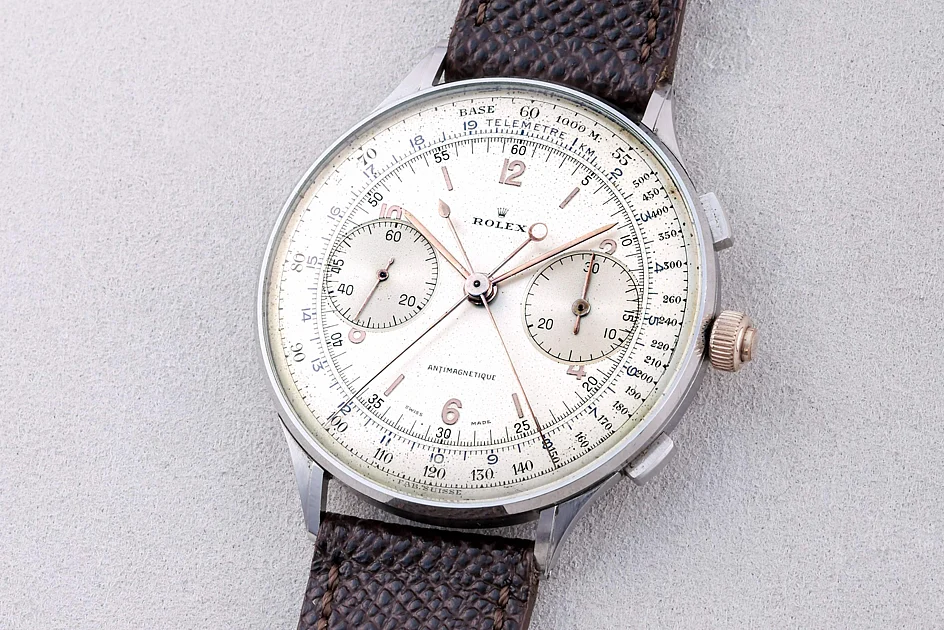
    A historic Rolex Reference 4113, one of the rarest timepieces ever produced, has been sold for a staggering $4.7 million at an auction hosted by FutureGrail at the Bvlgari Yacht Club in Dubai. This sale marks the watch as the ninth most expensive Rolex in history, surpassing the previous record for the same model by over $1.2 million. Crafted in the 1940s, only 12 units of the Rolex Reference 4113 were ever made, with just nine known to have survived to this day. It is the only ‘split-seconds’ vintage chronograph ever produced by Rolex, adding to its exclusivity and allure. The watch has a strong connection to motor racing, having been owned by drivers and team owners over the decades. FutureGrail, a Singapore-based luxury auction house, organized the sale and is expanding its operations to the UAE in 2026 to meet growing demand in the Middle East. Ali Nael, CEO of FutureGrail, described the sale as a landmark event in auction history, highlighting the global appetite for rare luxury watches. Arnaud Tellier, Head of Curation at FutureGrail, emphasized the increasing interest from collectors and investors who view such items as valuable additions to their portfolios. This record-breaking sale underscores Dubai’s position as a hub for high-end auctions and luxury markets.

  • Airbus to win bulk of major flydubai jet order, sources say

    Airbus to win bulk of major flydubai jet order, sources say

    In a significant shift in the aviation industry, Airbus is on track to secure the majority of a major jet order from flydubai at the Dubai Airshow 2025, according to sources familiar with the matter. This development marks a pivotal moment as it breaks Boeing’s longstanding dominance over the fast-growing budget carrier. Airbus is reportedly nearing a deal to sell approximately 100 A321neo jets to flydubai, while Boeing is in discussions for a smaller order of several dozen 737 MAX aircraft. The final allocation of the order, however, remains contingent on ongoing negotiations, which are expected to intensify as the industry gathers for its annual summit from November 17-21. Airbus and Boeing have both declined to comment on the matter, and flydubai has not yet responded to requests for clarification. This potential deal would represent a significant milestone for Airbus, as it seeks to penetrate a market that has historically been dominated by Boeing. Flydubai, which currently operates a fleet of 175 MAX jets and has 30 larger Boeing 787s on order, has previously indicated its intention to place its largest-ever aircraft order. The airline’s move to diversify its fleet with Airbus jets could provide it with access to hundreds of new aircraft, further enhancing its operational capabilities. The Dubai Airshow has historically been a platform for major aviation announcements, and this year’s event is no exception. Airbus has also projected that the Middle East’s aircraft fleet will more than double to 3,700 planes by 2044, underscoring the region’s growing importance in the global aviation market.