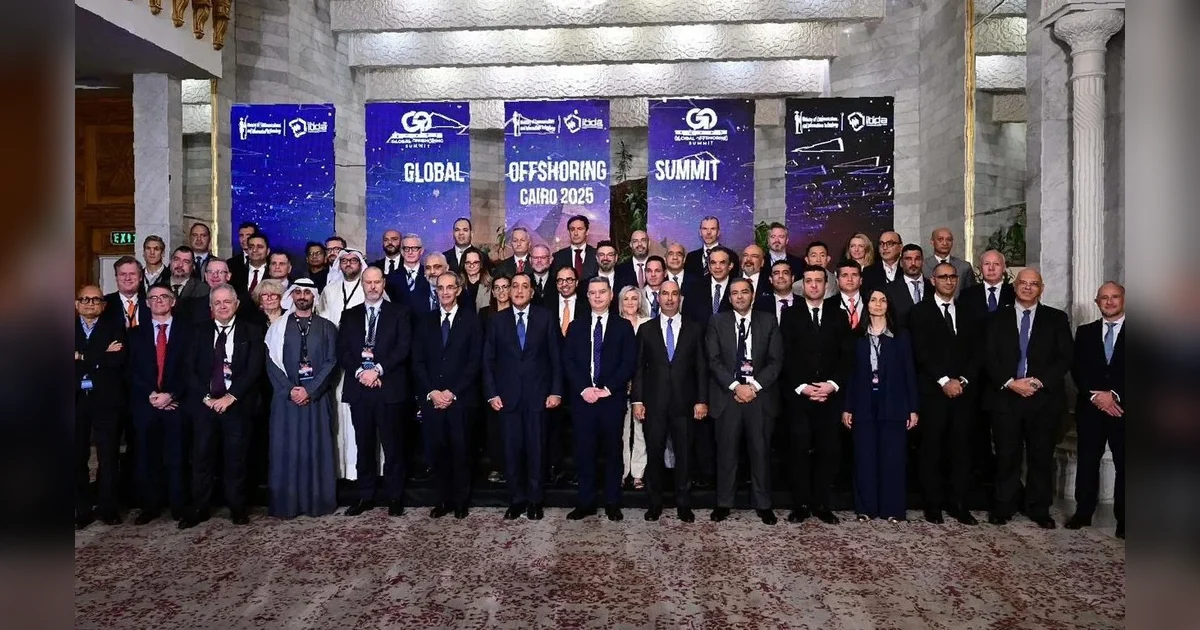
In a landmark move to strengthen its position in the global offshoring industry, Egypt has inked 55 strategic agreements with leading multinational and local technology firms. The signing ceremony, held under the patronage of Prime Minister Dr. Mostafa Madbouly and attended by Dr. Amr Talaat, Minister of Communications and Information Technology, marks a significant milestone in Egypt’s journey to becoming a global delivery powerhouse. The partnerships include major players such as Teleperformance, Accenture, Deloitte, VOIS, Luxoft, RSA, and Capgemini, underscoring Egypt’s growing appeal as a hub for digital and business services. These agreements are expected to create over 70,000 high-value jobs, particularly in business process outsourcing (BPO), IT, engineering, and high-end technology services. This initiative aligns with the Information Technology Industry Development Agency’s (ITIDA) strategic goals to attract foreign investment, generate sustainable employment, and position Egypt as a trusted partner for global enterprises. Dr. Talaat highlighted Egypt’s RISE framework—Reliable talent, Infrastructure readiness, Strategic proximity, and Efficient cost structure—as key drivers of the country’s success. Eng. Ahmed Elzaher, CEO of ITIDA, emphasized the significance of these partnerships in advancing Egypt’s digital economy and expressed confidence in the nation’s ability to meet global market demands. The agreements not only reflect strong investor confidence but also demonstrate Egypt’s commitment to empowering its workforce with future-ready skills and fostering a knowledge-based economy.
分类: business
-
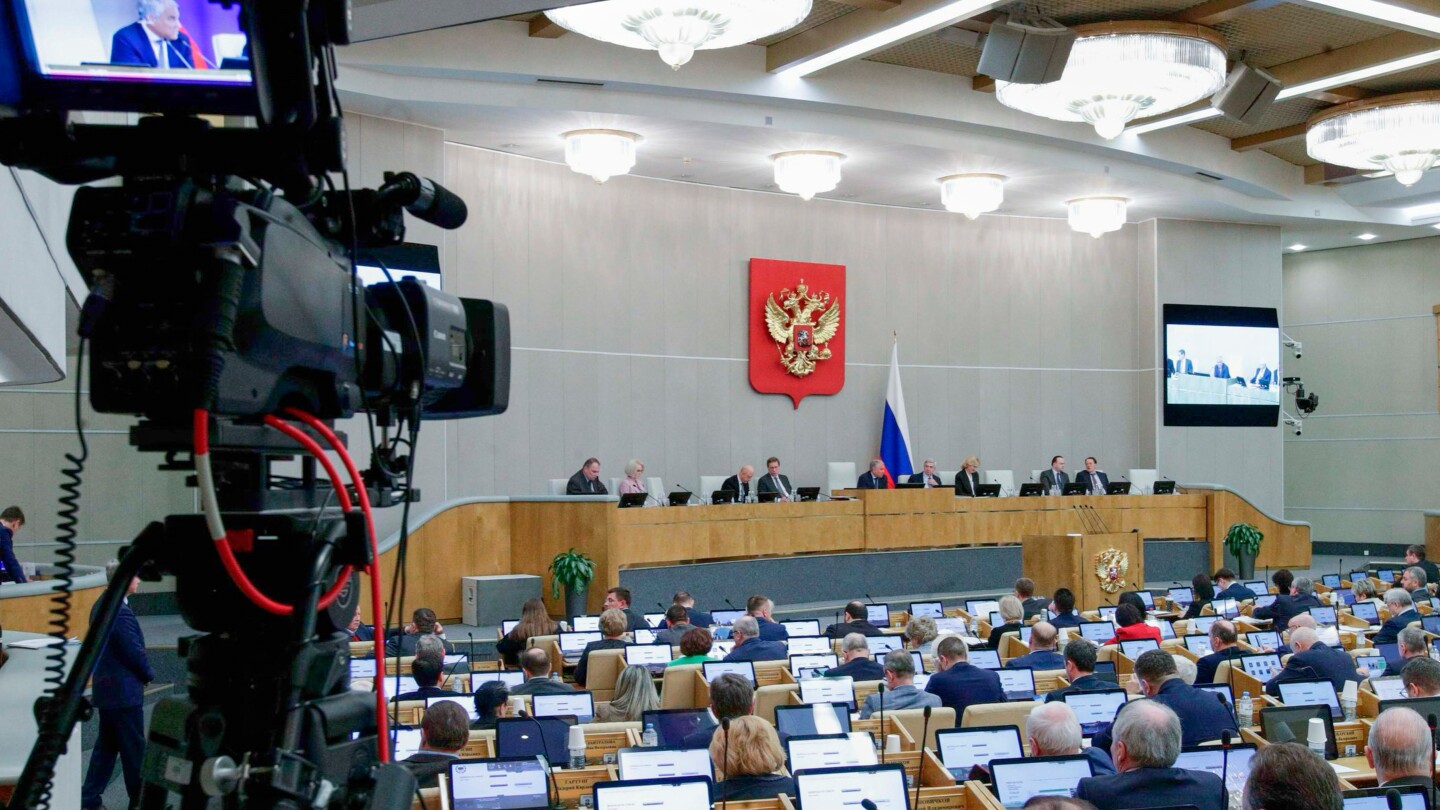
Russian lawmakers approve tax hike bill to boost economy as the war with Ukraine nears 4 years
In a significant move to address economic challenges exacerbated by its ongoing conflict with Ukraine, Russian lawmakers have approved a series of tax increases aimed at boosting state revenue. On Tuesday, the State Duma, the lower house of parliament, passed the second reading of a bill that will raise the value-added tax (VAT) from 20% to 22%. This adjustment is projected to generate an additional 1 trillion rubles (approximately $12.3 billion) for the national budget. Additionally, the legislation lowers the annual sales revenue threshold for businesses required to collect VAT from 60 million rubles (about $739,000) to 10 million rubles (around $123,000). This measure, to be phased in by 2028, aims to curb tax evasion by preventing firms from splitting operations but is expected to burden many small businesses previously exempt from VAT. The tax hikes are part of a broader fiscal strategy by the Kremlin to revive Russia’s sluggish economy, which has been strained by high inflation and interest rates. Other proposed measures include eliminating preferential rates on car recycling fees, targeting high-end imported vehicles, and increasing taxes on alcohol, tobacco, and technology products like smartphones and laptops. These changes come as Russia’s economy, after two years of military-driven growth, contracted in early 2025 and is forecast to grow by only 1% this year. The government’s 2026 draft budget, also approved on Tuesday, allocates 12.93 trillion rubles ($159 billion) for military spending, reflecting the ongoing prioritization of defense amid the protracted war. The bills now await final approval by the State Duma, the upper house, and President Vladimir Putin’s signature to become law.
-
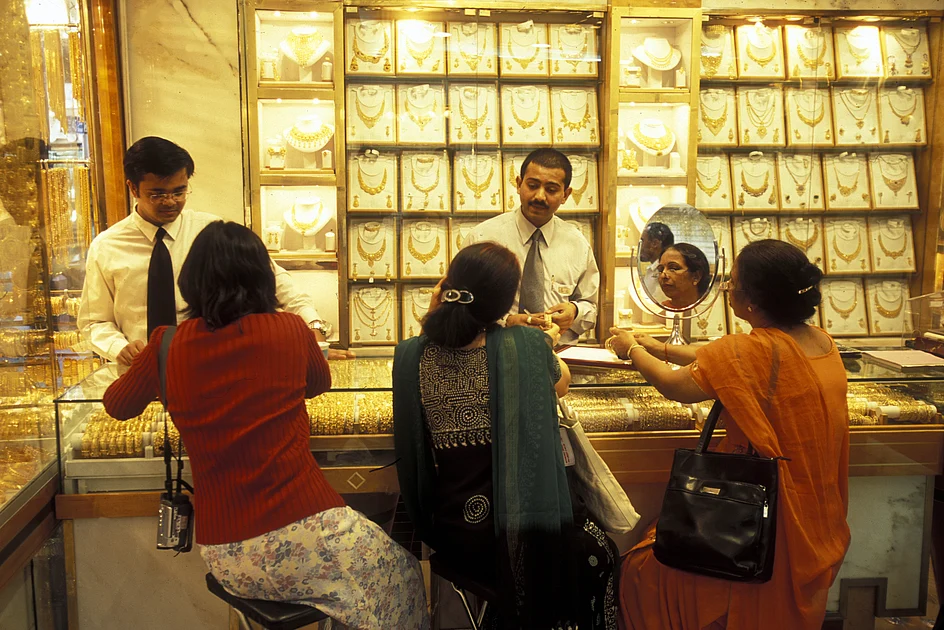
Dubai: Gold prices plunge nearly Dh5 as 22K slips below Dh450 per gram
Gold prices in Dubai experienced a significant decline on Tuesday, with 22K gold slipping below Dh450 per gram, marking a drop of nearly Dh5. The global spot gold price also fell by 1.5% to $4,011.8 per ounce, driven by a stronger US dollar and diminishing expectations of US interest rate cuts. In Dubai, 24K gold opened at Dh483.5 per gram, down from Dh485.75 on Monday, while 22K gold decreased to Dh447.5 per gram from Dh449.75. Other variants, including 21K and 18K, opened at Dh429.25 and Dh368.0 per gram, respectively. The decline in gold prices reflects broader market uncertainty, exacerbated by delayed US economic data releases following a government shutdown. Analysts, including Fadi Al Kurdi of FFA Kings, noted that missing economic indicators have heightened market sensitivity, with potential weaknesses in upcoming reports possibly bolstering the case for Federal Reserve rate cuts. However, cautious remarks from Fed officials, such as San Francisco Fed President Mary Daly and Minneapolis Fed President Neel Kashkari, have tempered expectations of further easing. Persistent geopolitical tensions in Eastern Europe and the Middle East continue to support gold demand, providing some stability amidst the volatility.
-

Former steel town purrs ahead on tail of ‘pet economy’
Once synonymous with the steel industry, Anshan, a city in Northeast China’s Liaoning province, is now forging a new identity as the nation’s pet breeding capital. This transformation is driven by the booming ‘pet economy,’ which has reshaped the city’s economic landscape and provided new opportunities for its residents. As China prepares for the 15th Five-Year Plan (2026-30), Anshan is positioning itself as a leader in the pet industry, leaving behind its industrial past. The city’s shift began in the 1980s when the steel industry faced overcapacity, declining demand, and fierce competition, leading to widespread layoffs. Many displaced workers, like Han Zongli, turned to alternative livelihoods. Han, a former steelworker, ventured into pet breeding after a chance encounter with a customer’s dog. His success inspired others, and soon, a thriving pet-related industry emerged, offering a lifeline to thousands of unemployed workers. Today, Anshan’s pet breeding sector is a major economic force, with over 30,000 residents involved in breeding, trade, and services for purebred dogs and cats. The city supplies approximately 70% of China’s pet dogs, with an annual output of 1.5 million animals in 2024, expected to rise to 2 million this year. The industry has also expanded to other cities in Liaoning, creating a comprehensive ecosystem that includes breeding, pet products, healthcare, and cultural activities. Employing over 150,000 people and generating more than 30 billion yuan annually, Anshan’s pet industry is a testament to the city’s resilience and adaptability.
-
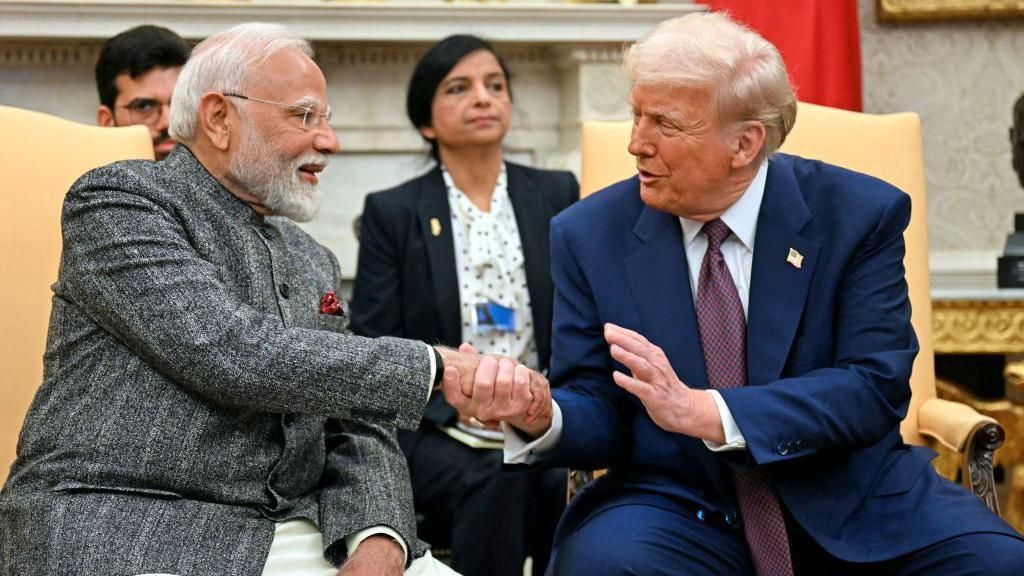
India’s US exports jump despite 50% tariffs as trade tensions ease
India’s exports to the United States experienced a significant rebound in October, rising to $6.3 billion, a 14.5% increase from September’s $5.5 billion. This marks the first uptick in five months, despite the continued imposition of steep tariffs by the Trump administration, including a 25% penalty on Indian purchases of Russian oil. The resurgence in trade comes as Indian state-run oil companies agreed to import more liquefied petroleum gas (LPG) from the US, and the Trump administration exempted several agricultural products from reciprocal tariffs, benefiting Indian exporters. Trade negotiations between the two nations are progressing, with key aspects of the deal nearing closure, according to an Indian official. However, India’s overall goods exports fell by 11.8% year-on-year in October, with 15 of its top 20 markets witnessing declines. Analysts suggest that tariff-exempt sectors like smartphones and pharmaceuticals may have contributed to the improved performance. Despite the October rebound, India’s exports to the US have dropped by 28.4% between May and October, erasing over $2.5 billion in monthly export value. Trade tensions appear to be easing, with India finalizing a major deal to source 10% of its annual LPG needs from the US. The Trump administration has been pushing India to reduce its reliance on Russian oil, which has become a significant market for India amid Western sanctions. While India has not officially confirmed plans to cut Russian oil imports, trade talks are advancing rapidly. Additionally, the US’s decision to roll back reciprocal tariffs on certain agricultural products is expected to benefit India’s exports by exempting approximately $1 billion worth of goods from duties.
-
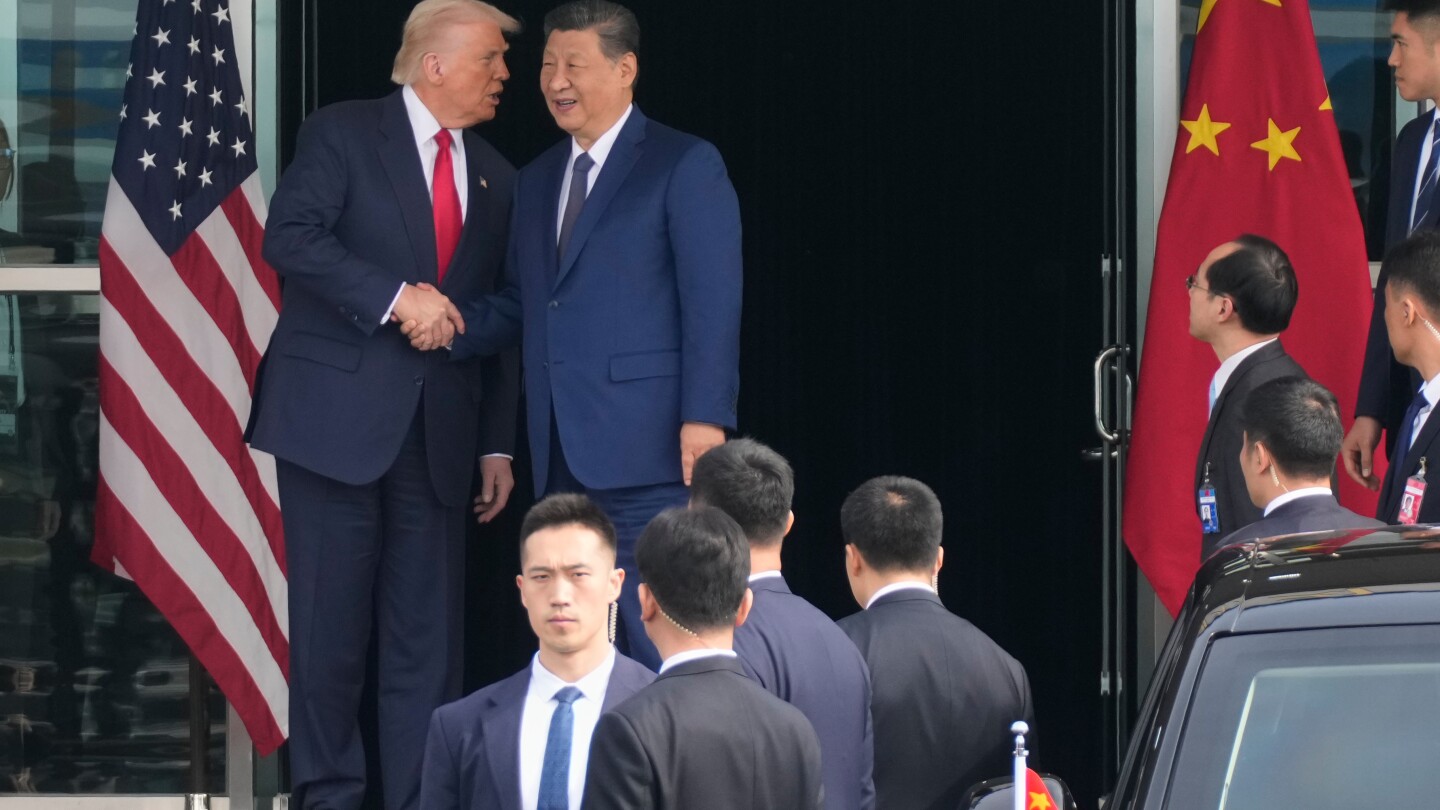
US has warned others to avoid loans from Chinese state banks. But it’s the biggest recipient of all
In a surprising revelation, a new report by AidData, a research lab at the College of William & Mary, has uncovered that the United States is the largest beneficiary of loans from Chinese state banks, despite Washington’s longstanding warnings against such financial ties. Over the past 25 years, China’s state lenders have channeled approximately $200 billion into U.S. businesses, often through opaque routes involving shell companies in jurisdictions like the Cayman Islands, Bermuda, and Delaware. This secrecy has obscured the origins of the funds, raising alarms about the implications for U.S. national security and critical technologies. Much of the lending has facilitated Chinese companies in acquiring stakes in U.S. firms tied to robotics, semiconductors, and biotechnology—sectors vital to both economic and military strength. The report highlights a sophisticated and far-reaching lending network that extends beyond developing nations to wealthy countries, including the U.K., Germany, Australia, and the Netherlands. Former White House investment adviser William Henagan described the situation as a strategic game where China has gained a significant advantage, stating, ‘Wars will be won or lost based on whether you can control products critical to running an economy.’ The U.S. has historically welcomed foreign investment, but Chinese financing has drawn heightened scrutiny due to its alignment with Beijing’s strategic goals. The AidData report found that China has lent over $2 trillion globally since 2000, with a significant portion targeting critical minerals and high-tech assets in advanced economies. The lack of transparency in these transactions, often masked by Western-sounding shell companies and confidentiality agreements, has made it challenging to fully assess the extent of China’s influence. While U.S. screening mechanisms, such as the Committee on Foreign Investment in the U.S., have been strengthened in recent years, China has adapted by establishing over 100 overseas banks and branches to further obscure its financial activities. The report underscores a shift in China’s use of state credit from promoting economic development to securing geo-economic advantages, raising global concerns about its intentions to control critical economic and technological sectors.
-
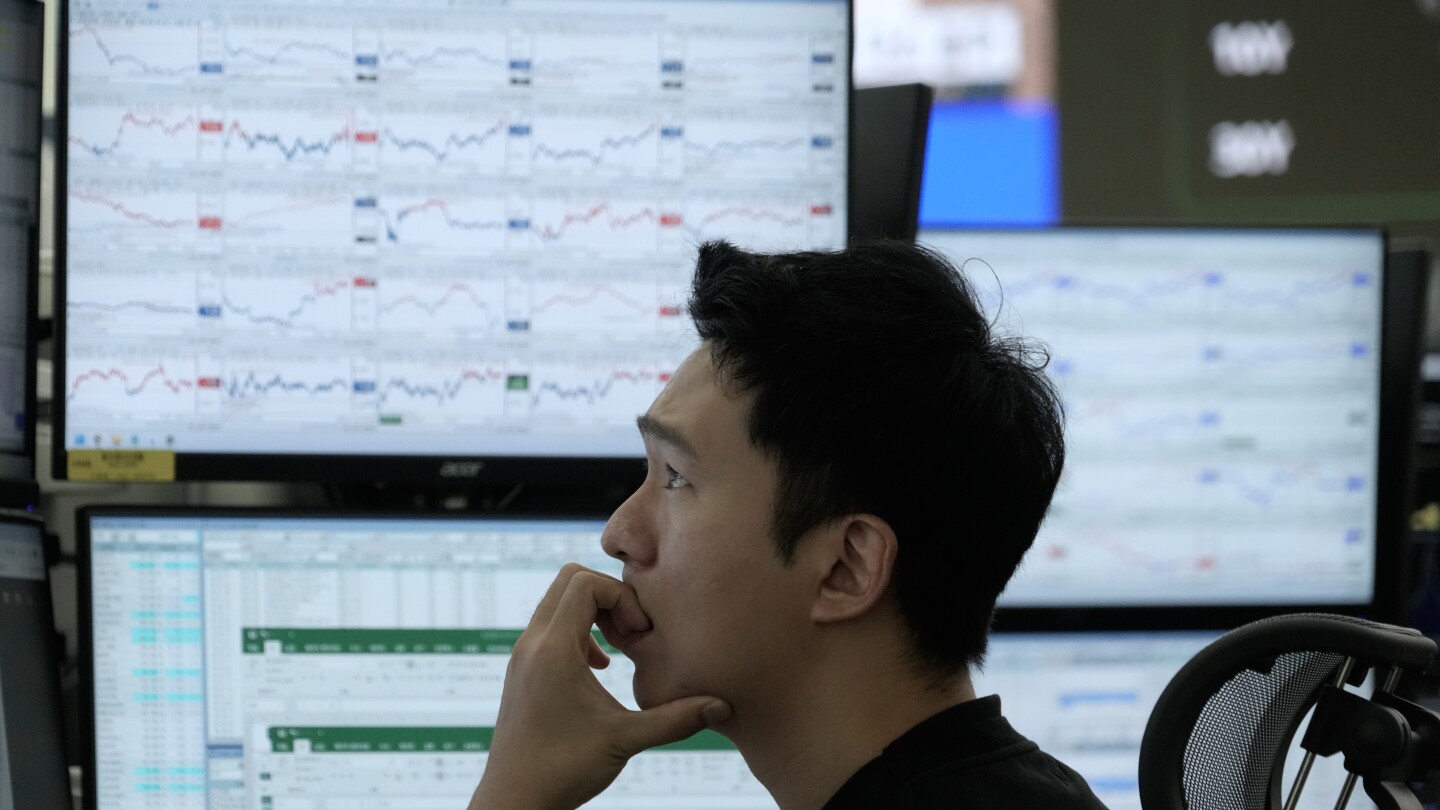
Asian shares sink, tracking a tech-led sell-off on Wall Street
Asian stock markets experienced significant declines on Tuesday, with major indices in Tokyo and Seoul plummeting over 3%, mirroring a broader sell-off in U.S. markets driven by artificial intelligence (AI)-related stocks. The downturn was fueled by concerns over inflated valuations of tech companies, particularly Nvidia, which is set to release its earnings report on Wednesday. U.S. futures also dipped, with the S&P 500 contract down 0.6% and the Dow Jones Industrial Average futures falling 0.4%.
-
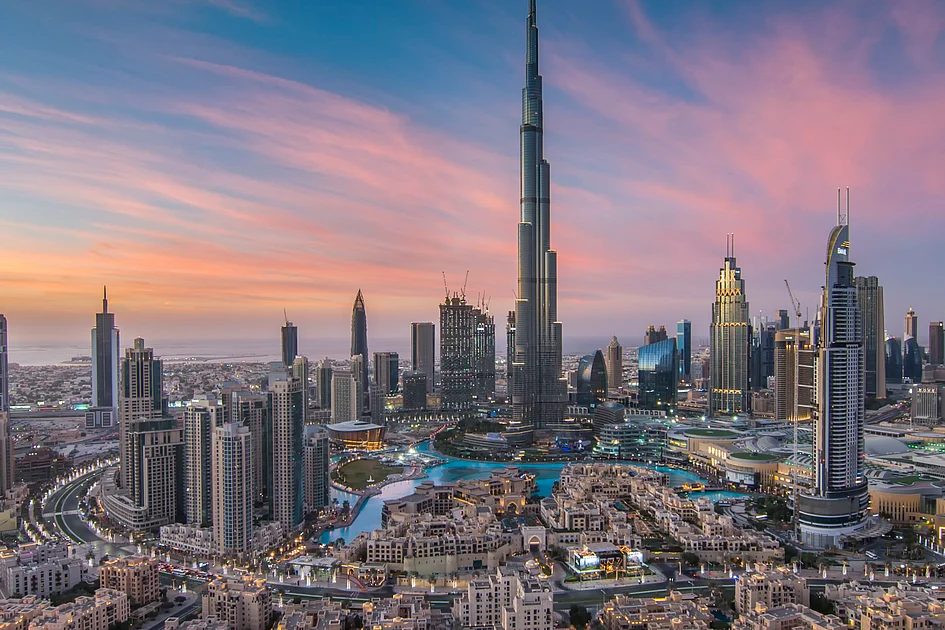
Dubai’s land market skyrockets 403% as strategic planning redefines urban growth
Dubai’s real estate sector has undergone a transformative surge, with land transaction values skyrocketing by 403.6% between 2019 and 2024, according to JLL’s latest report, *Beyond the Skyline: Dubai’s Land Market Transformation Story*. This unprecedented growth, driven by strategic urban planning, infrastructure investment, and regulatory reforms, has positioned Dubai as a global model for sustainable urban development. From Dh13.7 billion in 2019, land transaction values soared to Dh68.8 billion in 2024, with volumes nearly tripling from 691 to 1,991 deals. The momentum continued into 2025, with Dh43 billion worth of transactions in the first half alone, marking a 42.9% year-on-year increase. Freehold areas have emerged as the standout performers, with transaction volumes growing by 495.8%, compared to 240.7% in non-freehold zones. This trend reflects investor preference for unrestricted ownership rights and validates Dubai’s strategic expansion of freehold zones, including recent conversions along Sheikh Zayed Road and Al Jaddaf. Tim Millard, Head of Value and Risk Advisory – Mena at JLL, emphasized that Dubai’s real estate transformation has global implications, offering a blueprint for markets seeking international investment. Dubai’s population has surged from 2.3 million in 2014 to over 4 million in 2025, with projections reaching 5.8 million by 2040. This demographic growth has been leveraged through strategic urban planning, with large-scale projects such as Dubai South and communities along Dubai-Al Ain Road activating peripheral zones. Prime districts like Business Bay, Downtown Dubai, and Dubai Marina continue to command premium valuations. Infrastructure spending remains a cornerstone of Dubai’s growth, with Dh39 billion allocated in 2025—nearly 46% of its annual budget—to infrastructure and construction. Regulatory innovations, including mandatory escrow accounts, blockchain-enabled property transactions, and Transit-Oriented Development rezoning, have enhanced transparency and investor confidence. Residential prices have soared, with apartments up 63.5% and villas up 116.3% since 2019, supported by a 518.5% rise in transaction activity. Commercial real estate is equally buoyant, with prime office rents jumping 76.8% and Grade A rents rising 69.9%. Mixed-use developments dominate investor interest, accounting for 27.6% of total land transaction value (Dh70.3 billion). Geographically, Business Bay (Dh11.6 billion) and Dubai Islands (Dh11.4 billion) lead the pack, while emerging corridors like Reem and Dubai South show growing traction. Premium pricing is evident in Dubai Marina (Dh1,092 per sq. ft.) and Business Bay (Dh687 per sq. ft.), while up-and-coming areas such as Arjan and Dubai Creek Harbour have seen land values surge by 379.6% and 81.4% respectively since 2019. JLL analysts assert that Dubai’s real estate boom is not cyclical but the result of deliberate, forward-looking strategies, offering both immediate opportunities and long-term lessons in value creation through integrated urban planning.
-

Oil prices steady after loadings resume at Russian export hub
Oil prices remained relatively stable on Monday following the resumption of loadings at Russia’s Novorossiysk export hub, which had been temporarily halted due to a Ukrainian attack. Brent crude saw a marginal decline of 8 cents, settling at $64.31 per barrel, while U.S. West Texas Intermediate (WTI) crude dipped by 10 cents to $59.99. The Novorossiysk port, a critical Black Sea facility, resumed operations on Sunday after a two-day suspension that disrupted approximately 2% of global oil supply. The pause had initially caused a 2% surge in oil prices on Friday, but the market quickly adjusted as operations normalized. However, concerns persist over Ukraine’s continued targeting of Russian oil infrastructure, including recent strikes on the Ryazan and Novokuibyshevsk refineries. Analysts are closely monitoring the long-term impact of these attacks on Russia’s crude exports, alongside the effects of Western sanctions. The U.S. has imposed sanctions on Russian oil companies Lukoil and Rosneft, effective November 21, aiming to pressure Moscow into peace negotiations. Additionally, OPEC+ has maintained its December output target increase of 137,000 barrels per day, consistent with October and November levels, while pausing further increases in the first quarter of 2026. Despite these developments, the oil market faces ongoing volatility due to geopolitical risks and fluctuating global supply. Speculators have increased net long positions in ICE Brent, reflecting cautious optimism amid supply uncertainties. Analysts predict that oil prices will remain supported, with potential dips in the near term but a more positive outlook for the latter half of 2026.
-
Alphabet shares hit record after Berkshire makes rare tech bet with $4.9 billion stake
Alphabet Inc., the parent company of Google, saw its shares surge nearly 6% to a record high on Monday following Berkshire Hathaway’s announcement of a $4.93 billion stake in the tech giant. This investment, comprising 17.85 million shares, marks a rare foray into the technology sector by Berkshire, a conglomerate historically cautious about tech investments. The move is seen as a significant endorsement of Alphabet’s artificial intelligence (AI) initiatives amidst growing concerns of a potential tech bubble. Warren Buffett, Berkshire’s legendary investor, has long favored consumer-focused companies like Apple, making this investment a notable shift in strategy. Analysts suggest that Alphabet’s strong fundamentals, including its robust AI infrastructure, early adoption of AI search tools, and massive advertising revenue, align with Berkshire’s value-investing philosophy. The purchase also addresses Buffett’s regret over missing early opportunities in Google. Alphabet’s shares have risen nearly 14% in the December quarter, making it the best-performing member of the ‘Magnificent Seven’ tech stocks this year. The company’s valuation, at 25 times forward earnings, is lower than peers like Microsoft and Nvidia, further enhancing its appeal. Berkshire’s investment has sparked renewed interest in Alphabet among retail investors, with the stock trending highly on platforms like Stocktwits. Despite this move, Berkshire remains a net seller of equities, with its cash reserves reaching a record $381.7 billion, signaling Buffett’s cautious stance on current market valuations.