
Latifa Elnour, a Sudanese pharmacist and the founder of Ashri Skin, is revolutionizing the skincare industry by combining ancestral wisdom, scientific rigor, and Korean innovation. Her journey began in the UK, where she moved at 15 and later earned a Master’s in Pharmacy from the University of Manchester. With extensive experience in pharmaceutical science, Elnour’s passion for skincare led her to create a brand that simplifies self-care in an increasingly complex world. Ashri Skin, launched a year ago, offers a streamlined, three-step routine featuring toner, ampoule, and moisturizer, designed to cater to diverse skin types and needs. Manufactured in Korea, a global leader in cosmetics technology, the products incorporate scientifically proven ingredients while paying homage to Elnour’s Sudanese heritage. The brand name, ‘Ashri,’ meaning ‘beauty’ in Nubian, reflects this cultural connection. Elnour emphasizes the importance of self-care in Sudanese culture, viewing Ashri Skin as a celebration of identity and a meaningful contribution to daily life. Recently, she participated in the KT+150 networking event and is set to join the KT+150 Summit, where she will connect with mentors, investors, and fellow innovators. For Elnour, Ashri Skin is more than a beauty brand—it’s a fusion of heritage, science, and simplicity, proving that culture and care can lead the way forward.
分类: business
-
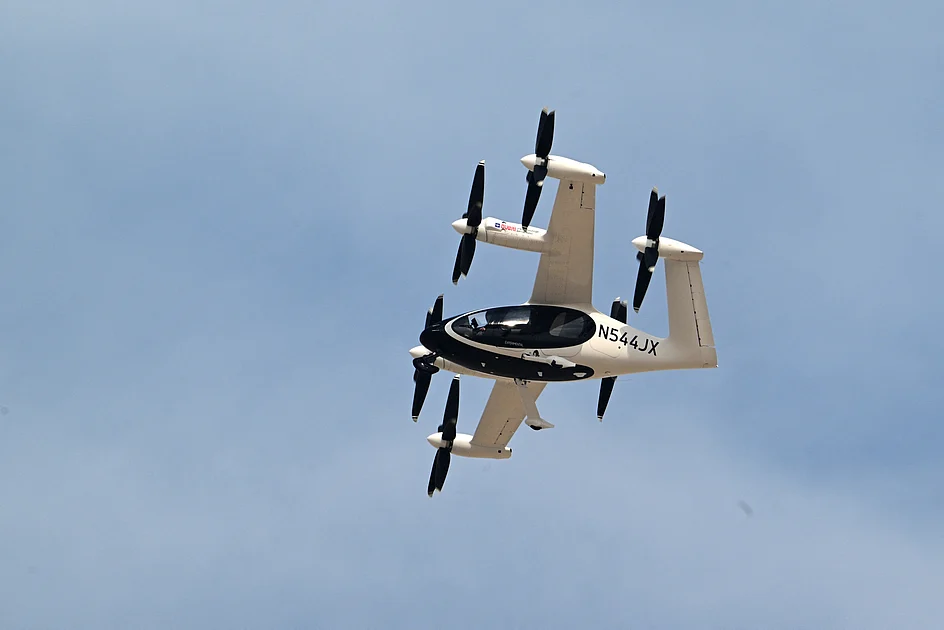
Joby Aviation sues air-taxi rival Archer over ‘stolen’ trade secrets
In a high-stakes legal confrontation, Joby Aviation has filed a lawsuit against its competitor, Archer Aviation, alleging the theft of trade secrets. The complaint, made public on Thursday, was lodged in a California state court in Santa Cruz. Joby claims that Archer hired a former Joby employee, George Kivork, who allegedly took confidential information regarding business strategies, partnership terms, and aircraft specifications to his new employer. Joby asserts that this information was used by Archer in an attempt to undermine a contract with a real-estate developer. Archer has denied these allegations, stating that no such deal with the developer exists and that Kivork did not bring any confidential information from Joby. Eric Lentell, Archer’s chief legal and strategy officer, criticized the lawsuit as an attempt to gain a competitive edge through litigation rather than fair competition. Joby, backed by Toyota, is a prominent player in the electric vertical takeoff and landing (eVTOL) aircraft market, aiming to revolutionize urban transportation with sustainable solutions. The lawsuit seeks unspecified monetary damages and a court order to prevent Archer from misusing Joby’s trade secrets. This legal battle underscores the intense competition in the burgeoning eVTOL industry as companies race to bring their innovative vehicles to market.
-
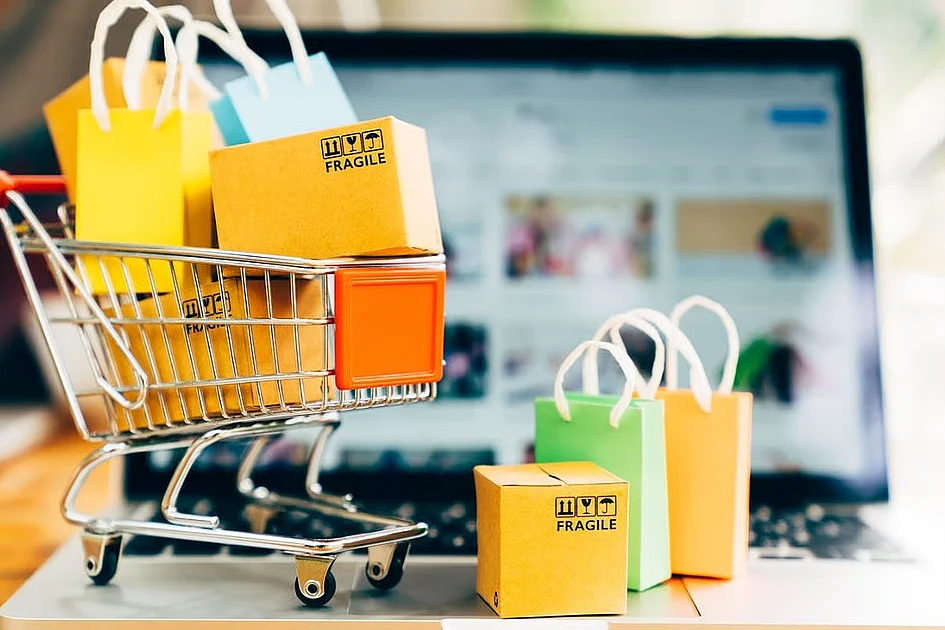
Dh1 items to 90% discount: UAE’s Black, White, Yellow, Green Friday Sales explained
As November draws to a close, the UAE transforms into a shopper’s haven with its much-anticipated Black, White, Yellow, and Green Friday Sales. These sales, offering discounts of up to 90%, span a wide range of products, from homeware and groceries to electronics, beauty, and fashion. Both online retail platforms and physical stores participate in this annual shopping extravaganza, making it the perfect time for residents and tourists to snag the best deals ahead of the festive season and the new year.
The Yellow Friday Sale, named after Noon’s vibrant yellow logo, is one of the most significant events of the year. Running from November 20 to 30, it offers up to 80% off on a variety of items, including home services, skincare, health and nutrition products, electronics, and fashion. Shoppers can also find grocery items starting at just Dh1, making it an ideal opportunity to stock up on essentials.
The Black Friday Sale, originating from the US, has become a staple in the UAE. It begins in the last week of November, coinciding with the Thanksgiving holiday, and offers massive discounts on fashion, electronics, home appliances, and beauty products. The term ‘Black Friday’ was coined by the Philadelphia Police Department due to the heavy traffic on the day, and it also signifies the positive earnings retailers experience during this period.
The White Friday Sale, often confused with Black Friday, is essentially the Middle Eastern version of the same event. It takes place on November 28, 2025, and offers discounts of up to 90%. The name ‘White Friday’ was chosen to align with the region’s cultural and religious significance of Friday as a day of worship and family gatherings.
Lastly, the Green Friday Sale, introduced by e& in 2019, focuses on eco-friendly products such as e-scooters, bikes, and vegan items. This sale typically runs from late November to early December, offering discounts on environmentally conscious products.
Major brands and platforms like Amazon, Noon, Sharaf DG, and Sephora UAE are among the key players in these sales, providing shoppers with a wide array of discounted items. Whether you’re looking to upgrade your electronics, refresh your wardrobe, or stock up on groceries, the UAE’s Black, White, Yellow, and Green Friday Sales offer something for everyone.
-
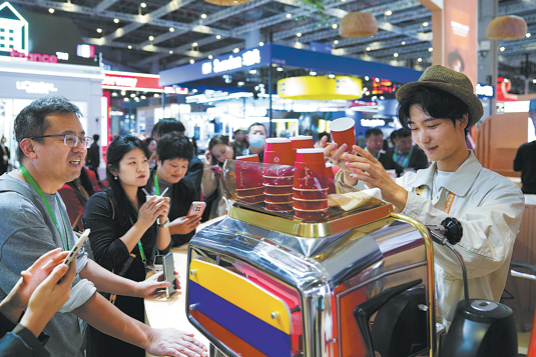
Colombian coffee brews up a buzz in China’s market
Colombian coffee is making significant inroads into China’s burgeoning specialty coffee market, driven by increasing demand and a growing appreciation for high-quality Arabica beans. Sebastian Ortiz, a renowned Colombian barista and roaster known as ‘Bozo,’ has observed a notable shift in the industry, with China emerging as a key destination for Colombia’s premium coffee exports. This trend is supported by one of the best coffee crops in recent years, which has boosted production and export volumes. China, which ranked as Colombia’s 18th export destination in 2019, surged to become the sixth-largest by 2023, importing approximately 540,000 60-kilogram bags. In the first quarter of 2024, China climbed to the second-largest importer of Colombian coffee, reflecting its rapidly expanding market. According to a report by iiMedia, China’s coffee imports grew by 130,800 tons between 2020 and 2024, a 6.5-fold increase, with the market projected to reach 1 trillion yuan ($141 billion) this year. Domestic coffee chains like Luckin Coffee and Cotti have played a pivotal role in this growth, competing with global giants like Starbucks. Ortiz attributes this success to China’s vast population and its openness to new coffee customs, particularly the preference for softer, nuanced flavors found in Colombian Arabica beans. Chinese consumers favor medium or light roasts, which highlight delicate floral notes rather than intense flavors. Juan Esteban Cardona Yepes, commercial director of Mantagro, a coffee producer and exporter, noted that China’s demand is primarily for green coffee beans, which are locally roasted by coffee chains. Additionally, the trade relationship between Colombia and China has expanded beyond coffee, with affordable brewing equipment from China gaining popularity among both professionals and home brewers. Colombia, the world’s third-largest coffee producer, is experiencing a strong production year, with output rising 17% to 14.87 million 60-kg bags between October 2024 and September 2025, driven by favorable weather and crop renovation. Export values have also surged, fueled by high international prices and robust demand from China. Ortiz emphasized the growing importance of China’s specialty coffee market, attracting increasing interest from Asian buyers.
-
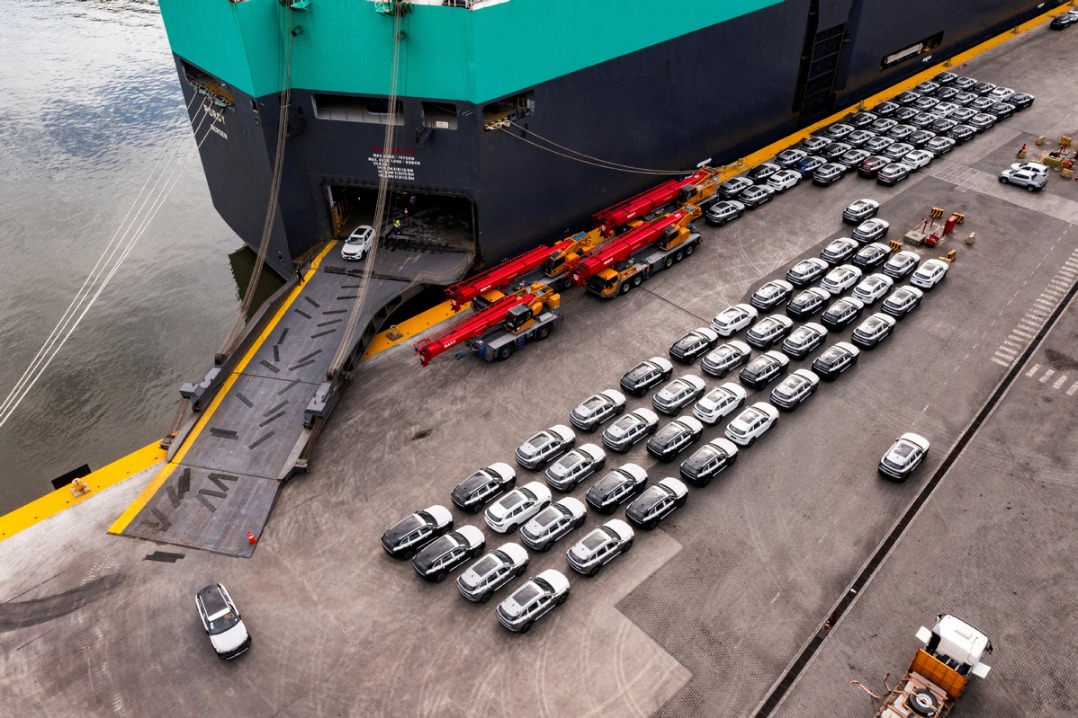
Brazil hit by tariff uncertainty
Brazil, a key player in South American trade, is facing significant economic uncertainties due to the unpredictable tariff policies of the United States. Despite recent efforts to ease trade tensions between China and the US, the lingering effects of the US-initiated trade war continue to disrupt global markets and undermine investor confidence. Raquel Nadal, Deputy Secretary for Macroeconomic Policy at Brazil’s Ministry of Finance, emphasized the lack of predictability in trade conditions, which is stifling investment and growth. ‘If you cannot foresee the terms and conditions of your exports, you hesitate to invest. These tariffs are highly detrimental,’ Nadal stated. She highlighted the risks posed to Brazil’s trade surplus with China, particularly concerning soybean exports, which could suffer if China leverages soybean sales in negotiations with the US. Vivian Fraga, a regulatory affairs expert at TozziniFreire, noted that the US tariffs have far-reaching consequences, reshaping global supply chains and increasing costs across industries. Even companies not directly involved with the US are affected as the ripple effects spread worldwide. Evandro Menezes de Carvalho, an international law professor at Fluminense Federal University, criticized the US trade war for contradicting the principles of the World Trade Organization, which promotes tariff reduction to boost international trade. Carvalho pointed out China’s resilience in handling the tariff wars, forcing the US to reckon with the economic costs of its policies. He also predicted ongoing fluctuations in US-China relations, driven by competition for technological dominance and contrasting approaches to globalization. ‘We are witnessing a US-driven deglobalization and a China-led re-globalization through multilateralism,’ Carvalho remarked. As Brazil navigates these challenges, the broader implications for global trade and economic stability remain a pressing concern.
-
Retailer lauded for ‘moral-damage’ compensation
Pangdonglai, a prominent supermarket chain in Henan Province, China, has garnered widespread acclaim for its innovative approach to employee welfare by introducing a moral-damage compensation system. The company recently disclosed detailed records of payments made to employees whose personal dignity was compromised at work, highlighting its commitment to fostering a respectful and fair workplace environment.
-
Japan OKs $135 billion stimulus package to help revive its sluggish economy
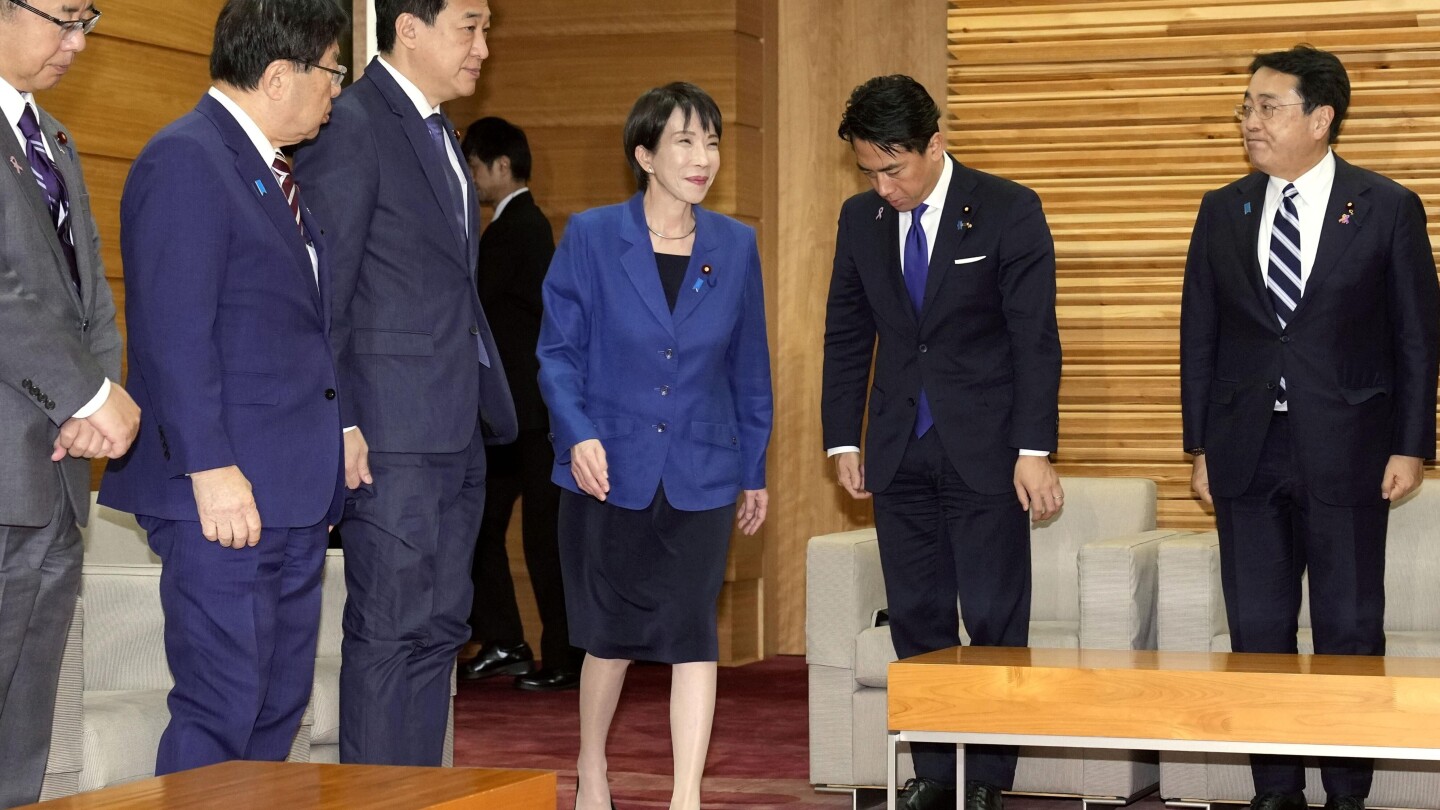
The Japanese Cabinet has greenlit a substantial 21.3 trillion yen ($135.4 billion) stimulus package aimed at revitalizing the nation’s economy and mitigating the effects of rising prices. Announced on Friday, this expansive fiscal measure underscores Prime Minister Sanae Takaichi’s commitment to aggressive government spending, despite concerns over its potential to exacerbate Japan’s already substantial national debt, which stands at approximately three times the size of its economy.
-
World stocks track Wall Street’s drop, erasing previous day’s gains
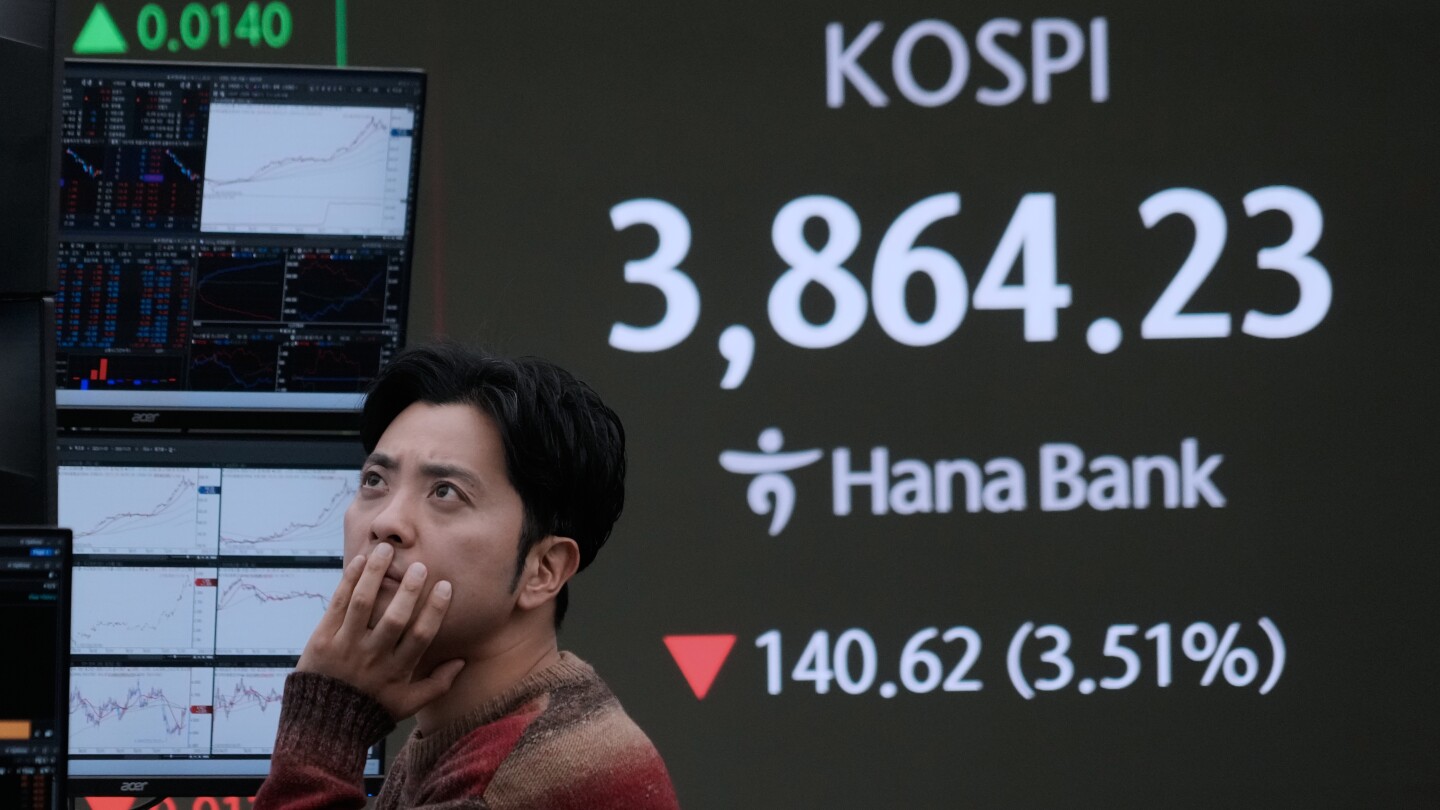
Global stock markets experienced significant volatility on Friday, mirroring Wall Street’s sharp decline, as investors grappled with concerns over a potential bubble in artificial intelligence (AI)-related shares and mixed economic signals. Major benchmarks across Asia, Europe, and the U.S. erased previous gains, reflecting heightened market skittishness. The U.S. Federal Reserve’s reluctance to cut interest rates in December, fueled by stronger-than-expected jobs data, further dampened investor sentiment.
-
Frida Kahlo self-portrait sells for record-breaking $55m
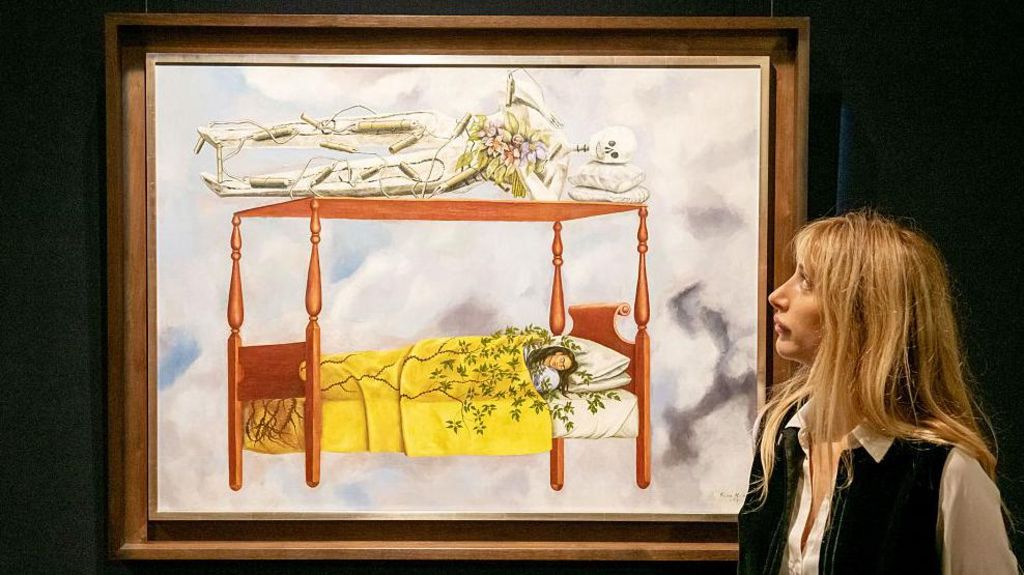
A surrealist painting by the iconic Mexican artist Frida Kahlo, titled *El sueño (La cama)*, has achieved a historic milestone in the art world, selling for $54.7 million (£41.8 million) at auction. This staggering sum not only sets a new record for the highest price paid for a work by a female artist but also surpasses the previous record for a Kahlo portrait, which stood at $34.9 million in 2021. The painting, created in the 1940s, depicts Kahlo asleep in a canopy bed beneath a skeleton entwined with dynamite, reflecting her deeply personal and psychologically charged artistic style. The artwork was sold after an intense bidding war between two collectors at Sotheby’s, marking a monumental moment in the recognition of women artists in the global art market. Anna Di Stasi, Sotheby’s head of Latin American art, emphasized the significance of this sale, stating, ‘This record-breaking result shows just how far we have come in appreciating Frida Kahlo’s genius and in recognizing women artists at the highest level of the market.’ *El sueño (La cama)* was initially auctioned in 1980 for $51,000, making its recent sale price over 1,000 times its original value. Kahlo, who passed away in 1954, is celebrated for her evocative self-portraits that often explore themes of pain, identity, and resilience. Her life and work continue to captivate audiences, as evidenced by the 2002 biographical film starring Salma Hayek. The painting’s sale also highlights the rarity of Kahlo’s works in the public market, as most of her pieces were declared artistic monuments by Mexican authorities in the 1980s, restricting their export.
-
Japan’s exports to the world rise but drop to the US due to tariffs
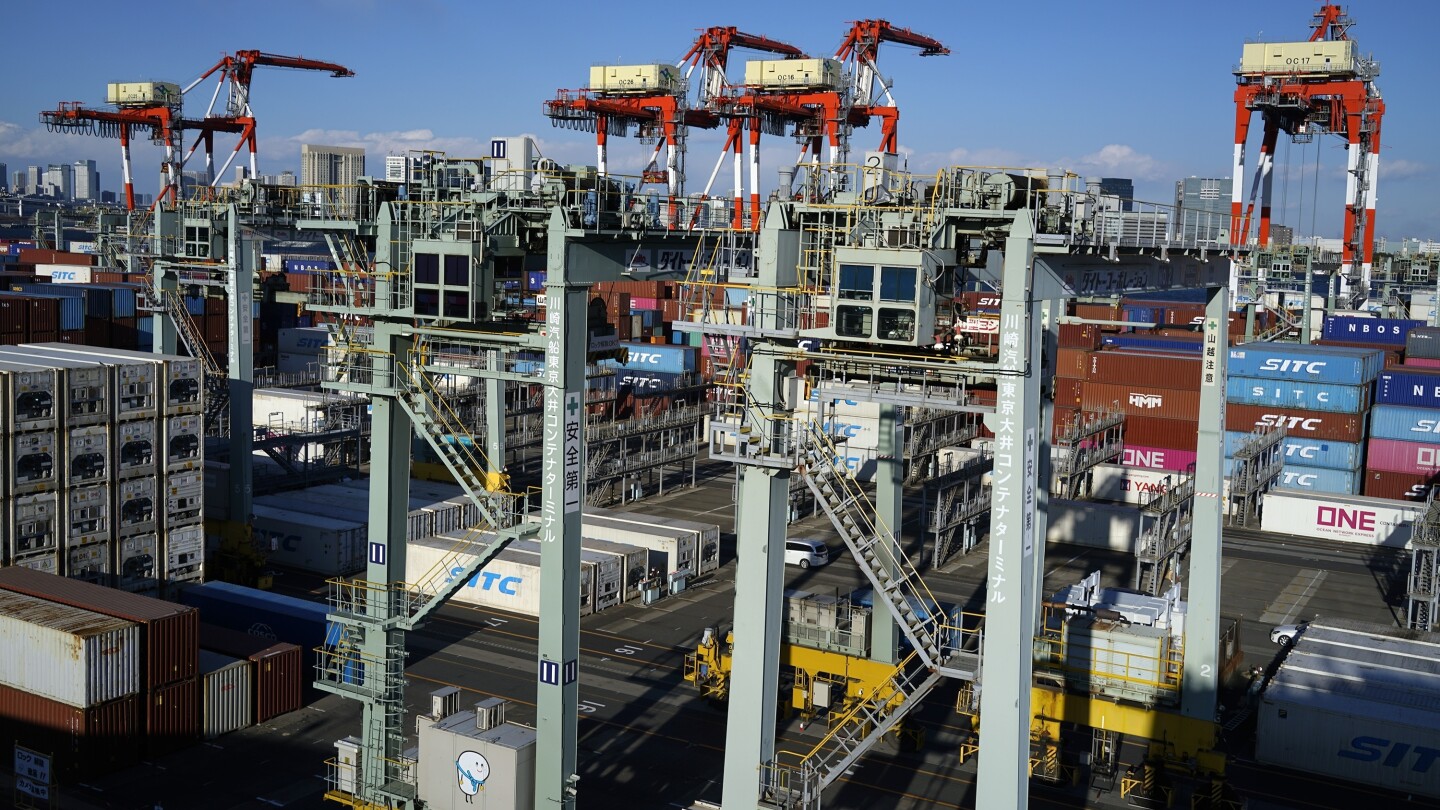
Japan’s trade landscape in October revealed a nuanced picture, with global exports rising by 3.7% year-on-year, while imports saw a modest 0.6% increase, according to the latest government data. However, exports to the United States declined by 3.1%, marking the seventh consecutive month of year-on-year drops. This downturn is attributed to ongoing concerns over U.S. tariffs, which have reshaped trade dynamics between the two nations. In July, President Donald Trump introduced a trade framework imposing a 15% tariff on Japanese goods, a reduction from the initially proposed 25%. Previously, tariffs on most goods stood at 2.5%. Despite these challenges, Japan’s trade deficit narrowed significantly to 231.77 billion yen ($1.5 billion) in October, down from 499.95 billion yen ($3.2 billion) a year earlier. Notably, soybean imports surged by 37.3%, while iron and steel products dipped by 17.1%. Imports from the U.S. jumped 20.9%, driven by food items like cereals and petroleum. Meanwhile, Japan’s exports to Asia showed resilience, with a 2.1% increase to China, a 19.2% surge to Hong Kong, and a 17.7% rise to Taiwan. However, new tensions with China emerged after Prime Minister Sanae Takaichi’s comments on Taiwan, prompting Beijing to issue a travel advisory against Japan. Analysts suggest Japan may increasingly pivot towards other Asian markets to sustain economic growth, reducing its reliance on U.S. exports.