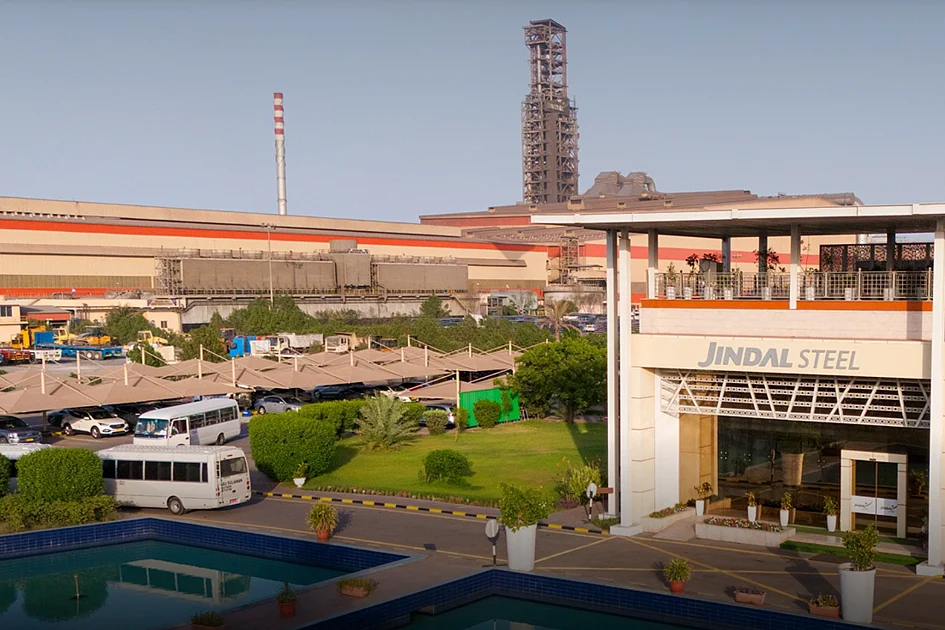
The Gulf steel industry is undergoing a significant transformation, driven by decarbonization efforts, rising infrastructure demands, and the strategic integration of mining and manufacturing value chains. As global iron ore flows and pricing trends evolve, regional producers are leveraging advanced technology, renewable energy, and backward integration to establish themselves as leaders in low-carbon steel production. In 2025, global seaborne iron ore loadings reached 1.247 billion metric tonnes, remaining virtually unchanged year-on-year, with Australia and Brazil accounting for nearly 78% of the total volume. China continues to dominate as the primary importer, receiving 74% of global shipments. This concentration highlights the need for Gulf producers to diversify sourcing and secure raw materials amidst volatility caused by carbon-adjusted costs and trade measures like the EU’s Carbon Border Adjustment Mechanism (CBAM). The global iron ore market is projected to grow from $290 billion in 2024 to $397 billion by 2032, reflecting a 4% compound annual growth rate (CAGR), though price fluctuations are expected to persist. Gulf steelmakers are capitalizing on competitive access to raw materials, the region’s energy cost advantages, and modern Direct Reduced Iron (DRI) and Electric Arc Furnace (EAF) technologies to produce low-carbon steel at scale. Major projects, such as Oman’s Vulcan Green Steel and Saudi Arabia’s Essar Group facility at Ras Al-Khair, exemplify this strategic shift. Producers are also recalibrating operations to meet sustainability goals without compromising competitiveness. Mineral Technologies Group (MTG) is pioneering hydrogen-fueled direct ore-to-metal routes and cost-effective solutions for processing lower-grade ores. Jindal Steel Oman is embedding sustainability into its strategy through efficiency, technology, and community engagement, with significant investments in renewable energy and hydrogen-ready steel complexes. The Gulf’s push to integrate mining and downstream metallurgical value chains is reshaping its industrial landscape, supported by policy frameworks like Saudi Arabia’s Vision 2030, which allocates $186.5 billion for renewables. Digital transformation is further enhancing competitiveness, with predictive analytics and AI-driven maintenance improving equipment uptime by 20–25%. With $2.5 trillion in GCC infrastructure investments planned by 2030, the Gulf steel industry is poised to become a global hub for sustainable industrial production, turning the green challenge into a competitive advantage.
分类: business
-

Malawi debuts world’s first AI-Enabled Paris Agreement integrated platform at COP30
At COP30’s Finance Day, Malawi unveiled the world’s first AI-enabled Paris Agreement Implementation Platform (PAIP), marking a significant milestone in climate finance innovation. This blockchain-verified platform integrates artificial intelligence, smart contracts, satellite imagery, and machine learning to monitor carbon emissions and verify climate projects. Designed to create a transparent, investor-ready marketplace for climate finance, PAIP links every stage of the emissions value chain—from inventory to project validation, auctioning, and retirement—into a unified digital ecosystem. Developed by the Green Economy Partnership (GEP) and TRST01, the platform is tailored to Malawi’s needs and will be offered free of charge to other Global South nations to accelerate their Article 6 projects. Richard Perekamoyo, Principal Secretary of Malawi’s Ministry of Natural Resources and Climate Change, emphasized the platform’s ability to track CO₂ emissions, restored hectares, and investment returns with scientific precision, bolstering trust in national data. Ivano Iannelli, GEP’s Chief Sustainability Officer, highlighted the platform’s role as the world’s first Environmental Treasury, setting a benchmark for transparency and accountability. Malawi’s Minister of Natural Resources and Climate Change, Hon. Jean Mathanga, noted that the initiative demonstrates Africa’s leadership in climate innovation. GEP plans to expand PAIP through its Digital Climate Transformation Program across Africa, Asia, and Latin America, aiming to unlock Article 6 projects and ensure transparent climate finance flows to developing nations.
-

Air India announces more Canada routes as codeshare agreement reinstated
Air India has officially reinstated its codeshare agreement with Air Canada, significantly enhancing travel options between India and Canada. Effective December 2, 2025, this partnership will enable passengers to book seamless journeys to multiple Canadian destinations on a single ticket. Travellers can now connect from Air India flights to ongoing Air Canada services, including routes from Vancouver to Calgary, Edmonton, Winnipeg, Montréal, and Halifax, as well as from London Heathrow (LHR) to Vancouver and Calgary. Additionally, passengers from Canada can access Indian cities such as Amritsar, Ahmedabad, Mumbai, Hyderabad, and Kochi via Delhi, or Delhi and Mumbai via LHR. The agreement also offers benefits for loyalty program members, allowing them to earn points and miles on both airlines. Elite members of Air India’s Maharaja Club will enjoy priority services, extra baggage allowances, and complimentary airport lounge access on Air Canada-operated flights. Subject to regulatory approvals, the codeshare flights will be progressively made available for sale, further solidifying the strategic partnership between the two airlines.
-
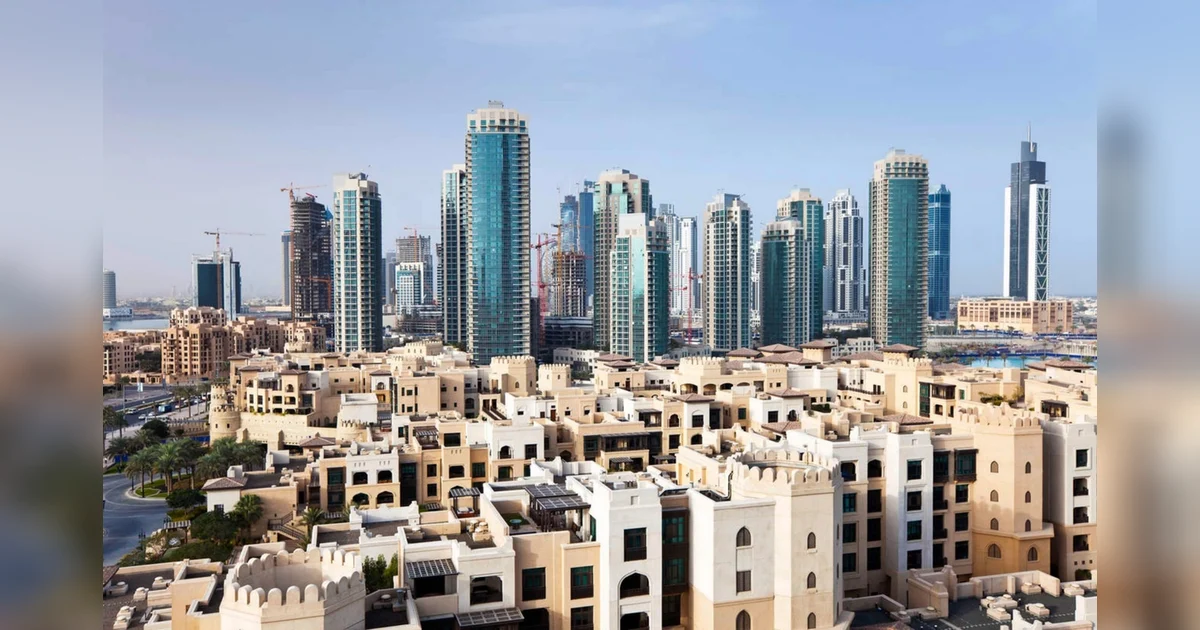
UAE economy to see ‘smaller’ impact from global slowdown
The United Arab Emirates (UAE) is poised to experience a ‘smaller’ impact from the global economic slowdown compared to other nations, according to a recent report by the World Bank. The UAE’s relatively limited exposure to major global markets such as the US, the European Union, and China has insulated its economy from the broader downturn affecting the Middle East, North Africa, Afghanistan, and Pakistan (Menaap) region. While countries like Tunisia and Morocco, which rely heavily on EU exports, face significant challenges, the UAE’s diversified trade relationships, particularly with Asia (excluding China), have mitigated adverse effects. The World Bank projects the UAE’s economy to grow by 4.8% in 2025, outpacing the 3.5% growth forecast for the GCC region. This growth is driven by robust contributions from financial services, construction, transport, and real estate sectors. In contrast, developing oil exporters like Algeria, Iran, Iraq, and Libya are expected to see a sharp slowdown, with growth forecasts dropping to just 0.5% in 2025. The International Monetary Fund (IMF) aligns with the World Bank’s optimistic outlook, projecting a 5% growth for the UAE in 2026. Despite global uncertainties, the UAE’s economic resilience underscores its strategic diversification and strong non-oil sector performance.
-
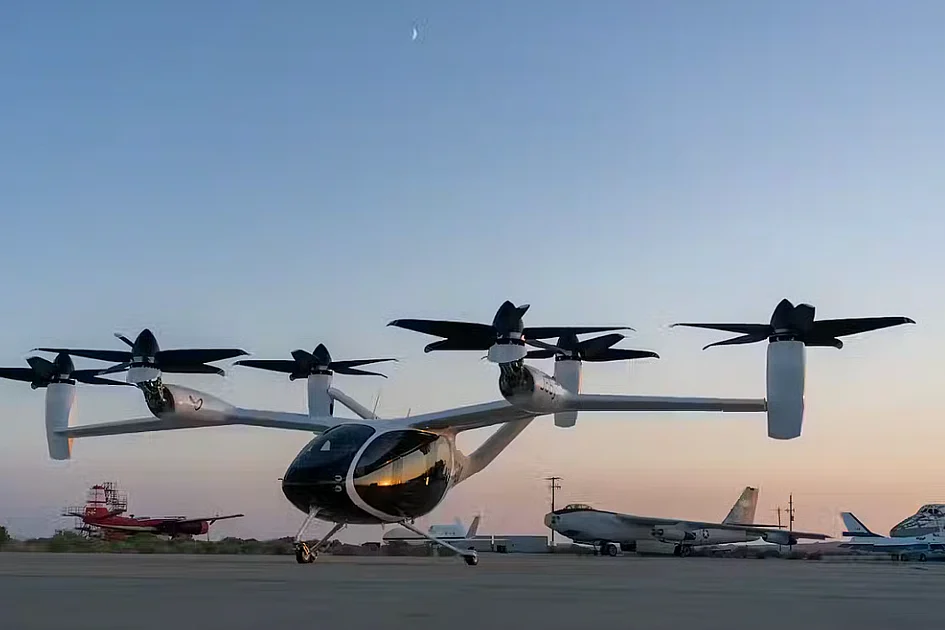
Explainer: Why Joby filed case against air taxi rival Archer in US
In a high-stakes legal battle, Joby Aviation has filed a lawsuit against its competitor, Archer Aviation, accusing the latter of corporate espionage and the theft of trade secrets. The case, lodged in a Santa Cruz, California court, revolves around allegations that Archer utilized confidential information obtained from a former Joby employee to secure a partnership with a U.S. real estate developer. Both companies are in the advanced stages of testing their electric vertical take-off and landing (eVTOL) aircraft, with plans to launch commercial aerial taxi services in Dubai and Abu Dhabi next year.
Joby Aviation claims that George Kivork, its former U.S. state and local policy lead, unlawfully transferred sensitive company files to a personal email account and altered security permissions to access hundreds of documents after leaving the company. Joby alleges that Archer used this stolen information to undercut a contract bid in August 2025. According to the complaint, the developer informed Joby that Archer had knowledge of confidential details from their agreement, implicating Kivork in the alleged espionage.
Archer Aviation has vehemently denied the accusations. Eric Lentell, Archer’s chief legal and strategy officer, dismissed the lawsuit as ‘bad faith litigation,’ asserting that Archer has no deal with the developer in question and that Kivork did not bring any Joby confidential information to the company. Lentell emphasized Archer’s commitment to advancing aviation technology and accused Joby of resorting to litigation to stifle competition.
The case, scheduled for a hearing on March 20, 2026, highlights the intense rivalry in the emerging eVTOL market. Joby is seeking unspecified monetary damages and a court order to prevent Archer from using its trade secrets. This legal dispute underscores the challenges of protecting intellectual property in a rapidly evolving industry, where innovation and competition are fiercely contested.
-
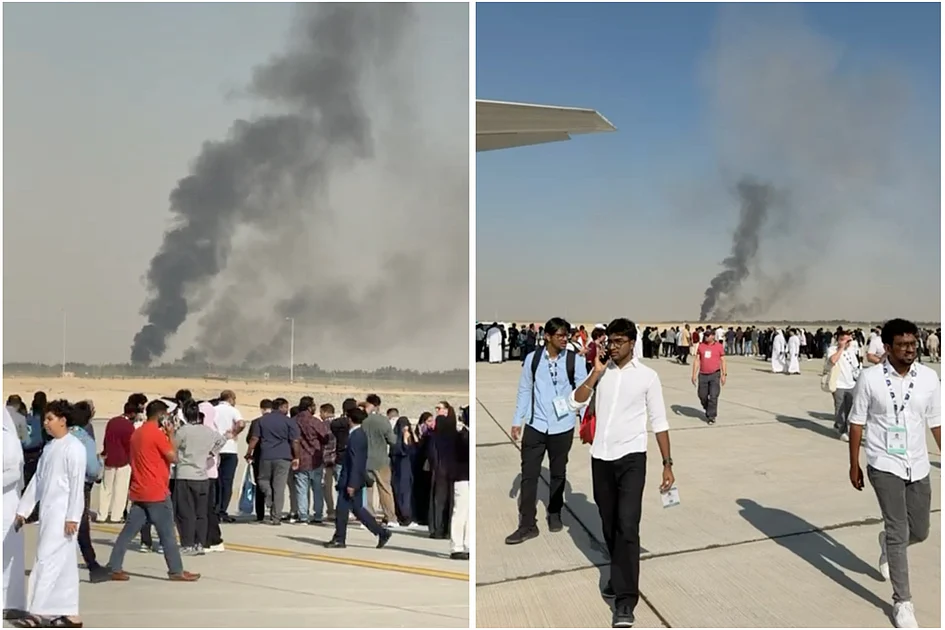
Joy turns to shock at Dubai Airshow as crowds witness fatal Tejas jet crash
What began as a day of exhilaration at the Dubai Airshow on Friday, November 21, 2025, swiftly turned into a scene of tragedy when an Indian Tejas fighter jet crashed during a performance, leaving spectators in disbelief. The incident, which occurred during a high-energy display, marked a grim first for many longtime attendees of the event. Crowds, initially cheering and recording the jets’ breathtaking stunts, were left stunned as the Tejas jet lost altitude, erupted into flames, and crashed with a deafening explosion. Security personnel acted swiftly, cordoning off the area and ensuring the crowd remained calm. Emergency vehicles, including fire trucks and ambulances, rushed to the scene. Witnesses described the moment as surreal, with many initially mistaking the crash for part of the routine. ‘We were just praying for the pilot to be safe,’ said Ashiq K, a seasoned airshow enthusiast. Unfortunately, officials later confirmed the pilot’s death, casting a pall over the event. Despite the tragedy, the airshow resumed, though the atmosphere was markedly subdued. Attendees expressed their grief and admiration for the pilot, who had been ‘doing his job… entertaining all of us.’ The incident has left a lasting impact on the aviation community and spectators alike, serving as a somber reminder of the risks inherent in such displays.
-
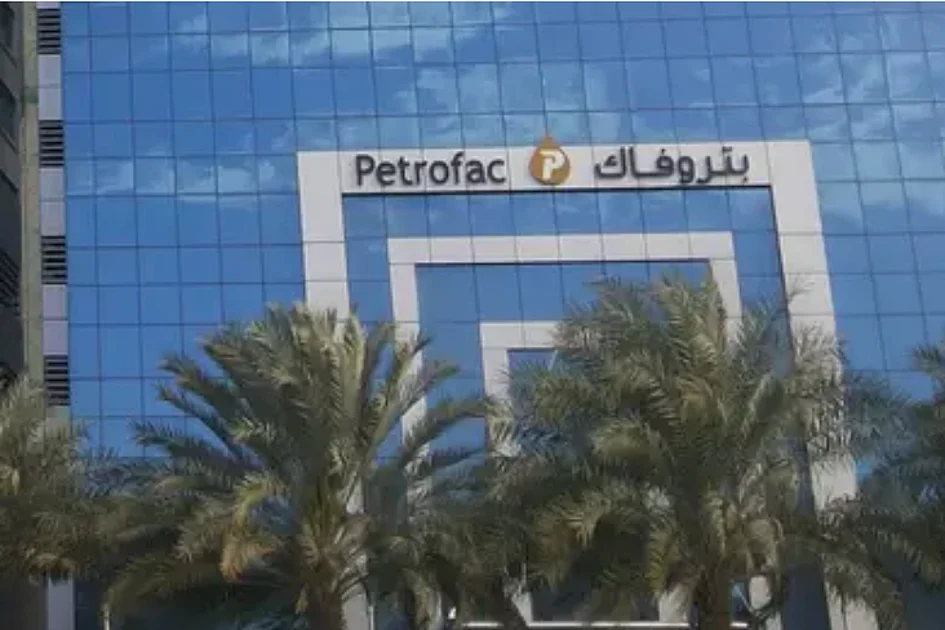
‘Where is our gratuity?’: UAE Petrofac staff say unpaid dues could exceed Dh27 million
Nearly 200 employees of Petrofac in the UAE are facing uncertainty and financial distress as the company has failed to provide clarity on their end-of-service benefits following a sudden wave of layoffs. The employees, many of whom have served the company for over a decade, estimate that the total unpaid gratuity could exceed Dh27 million. The layoffs were announced during a town hall meeting on November 18, where workers were informed their positions were no longer needed and were asked to leave immediately without serving their notice period. This abrupt decision has left employees feeling abandoned, especially as many are burdened with significant financial responsibilities such as loans, EMIs, and medical costs. A senior manager, who has been with the company for 13 years, revealed that Petrofac had been showing signs of financial strain for months, with some employees resigning in anticipation of the layoffs. However, the lack of communication and transparency regarding gratuity payments has exacerbated the situation. Employees have repeatedly sought clarity from management, but the only response they receive is that the company is ‘looking into it.’ While Petrofac has extended employee visas for an additional two months to allow them to search for new jobs, this gesture does little to alleviate their concerns about unpaid dues. The company’s financial troubles worsened after Dutch grid operator TenneT canceled a major offshore wind contract in the Netherlands, which was central to Petrofac’s debt-restructuring plan. In a statement, Petrofac assured that its UAE operations are continuing as normal, but employees remain skeptical about receiving their rightful benefits.
-
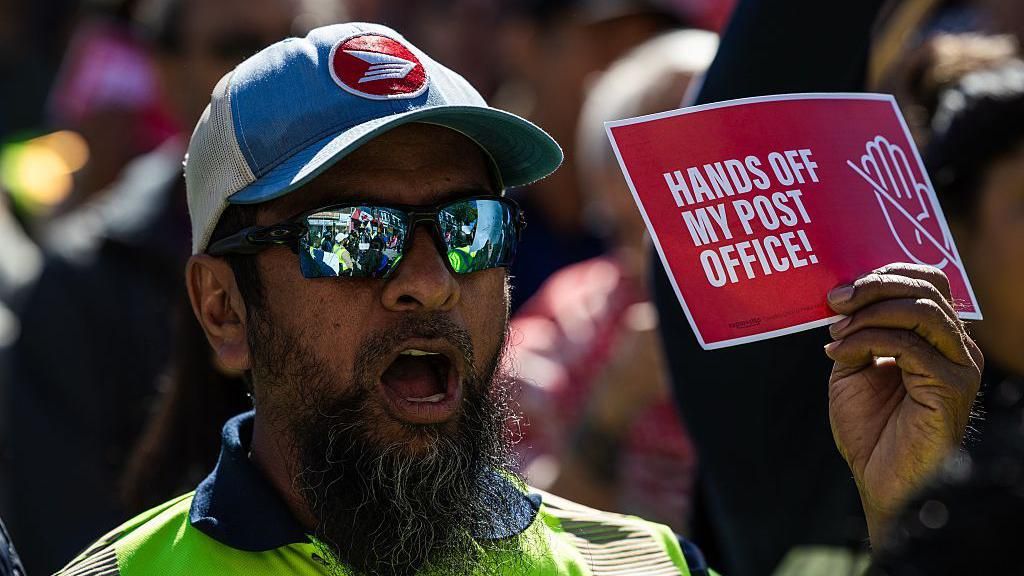
Canada Post and union reach deal in principle to end strike
Canada Post and the Canadian Union of Postal Workers (CUPW), representing approximately 55,000 employees, have reached a preliminary agreement to halt a nationwide strike that has severely disrupted mail services across the country. While specific details of the deal remain undisclosed, both parties confirmed that the main points of contention have been resolved, and strike activities have been suspended pending a union vote. The union emphasized that it retains the right to strike if the final collective agreement fails to meet member approval. The strike, which began on September 25, escalated into a rolling strike due to unresolved disputes over wages and benefits. Negotiations between Canada Post and CUPW have been ongoing for nearly two years, with the federal government recently authorizing significant operational changes to address the postal service’s financial struggles. These proposed measures include ending door-to-door delivery for four million households, shifting non-urgent mail to ground transportation, closing rural post offices, and granting flexibility in pricing. Canada Post reported a staggering loss of C$1 billion in 2023, with projections indicating a further loss of C$1.5 billion this year. The decline in letter mail, direct-marketing mail, and parcel mail revenues, coupled with fierce competition from private couriers, has exacerbated the financial crisis. This strike follows a similar labor dispute in November 2024, highlighting ongoing tensions between postal workers and management.
-
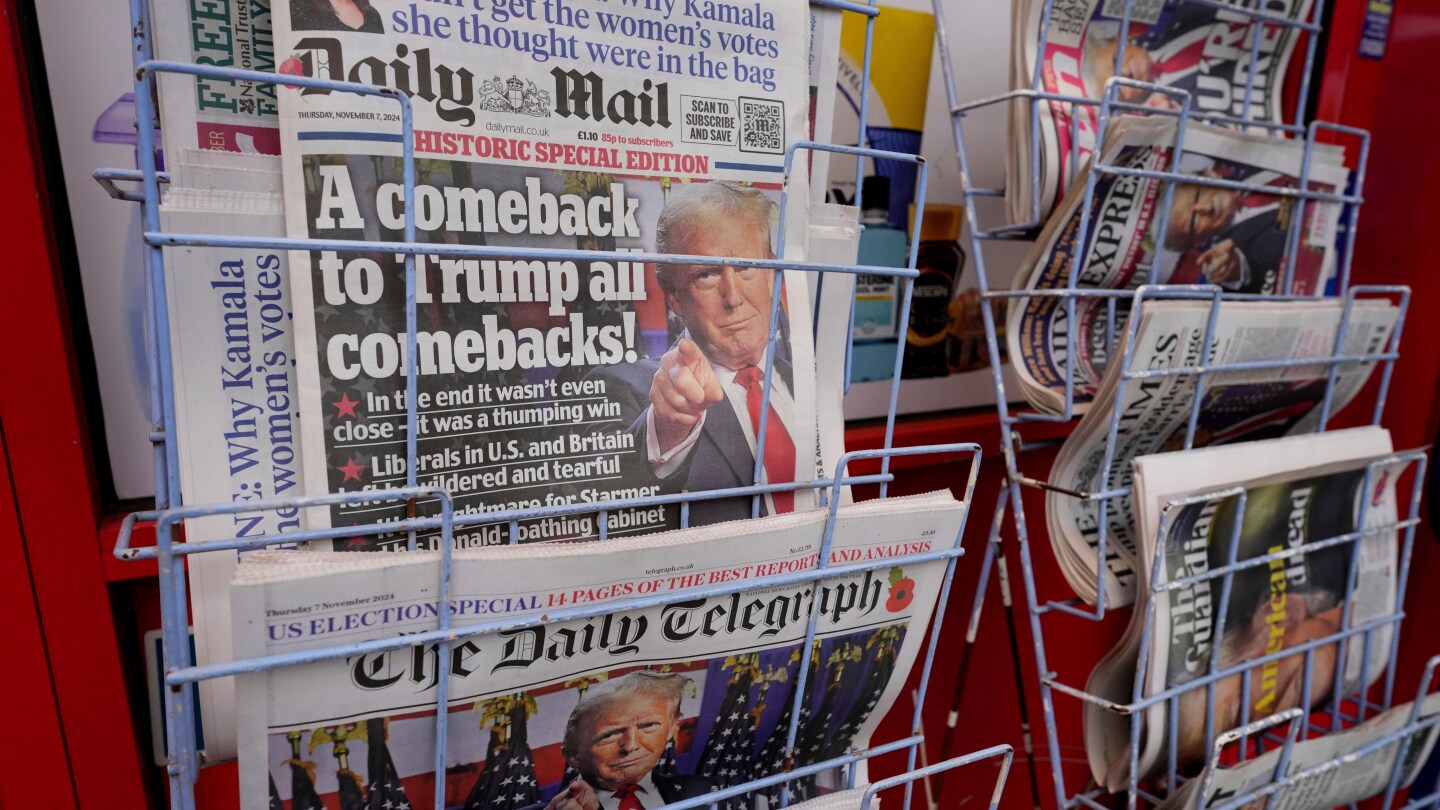
Britain’s Daily Mail publisher enters exclusive talks to buy Telegraph Media Group for $654 million
The publisher of Britain’s Daily Mail, Daily Mail and General Trust plc (DMGT), has initiated exclusive negotiations to acquire Telegraph Media Group in a landmark deal valued at approximately £500 million ($654 million). This potential acquisition would unite two prominent British news organizations, both historically aligned with the right-leaning Conservative Party. The talks aim to finalize the terms of the purchase from Redbird IMI, an Abu Dhabi-backed venture, which had previously sought to acquire the Telegraph but faced scrutiny over foreign ownership concerns. The proposed transaction has reignited debates about foreign influence in British media, prompting Culture Secretary Lisa Nandy to pledge a thorough review to safeguard public interest and compliance with media merger legislation. DMGT Chairman Jonathan Harmsworth, also known as Lord Rothermere, expressed confidence in the deal, envisioning the Daily Telegraph as a global brand akin to the Daily Mail. The ownership battle for the Telegraph, a cornerstone of British media since 1855, began in 2023 when the Barclay family relinquished control amid disputes with lenders. In November 2023, RedBird Capital and Abu Dhabi’s International Media Investments had agreed to acquire the Telegraph to settle the Barclays’ debts, sparking parliamentary debates about foreign state influence in national media. The previous Conservative government, led by Prime Minister Rishi Sunak, swiftly announced plans to review the deal, emphasizing the importance of preserving editorial independence and freedom of expression in British newspapers.
-

How Dubai Airshow ensures spectators’ safety during high-flying aerial displays
The Dubai Airshow 2025, a premier aviation event showcasing cutting-edge aircraft and high-octane aerial displays, faced a somber moment when an Indian Tejas fighter jet crashed during a stunt, resulting in the tragic death of the pilot. Despite this incident, the organizers emphasized the rigorous safety measures in place to protect spectators and ensure the event’s overall security. The airshow, held at Al Maktoum International Airport (DWC), operates within a controlled airspace, with display planes performing aerobatics away from the spectator area. Pilots are required to adhere to strict regulations, including obtaining Display Authorisation, maintaining safe separation from the crowd, and submitting detailed flight plans. The Flying Control Committee (FCC) oversees all aspects of the event, from pilot briefings to practice sessions, ensuring compliance with UAE Civil Aviation Regulations. Emergency response teams were quick to act during the crash, evacuating the crowd efficiently. The event’s safety protocols, including height restrictions, pre-approved manoeuvres, and standby search and rescue operations, highlight the organizers’ commitment to balancing thrilling displays with spectator safety.