分类: business

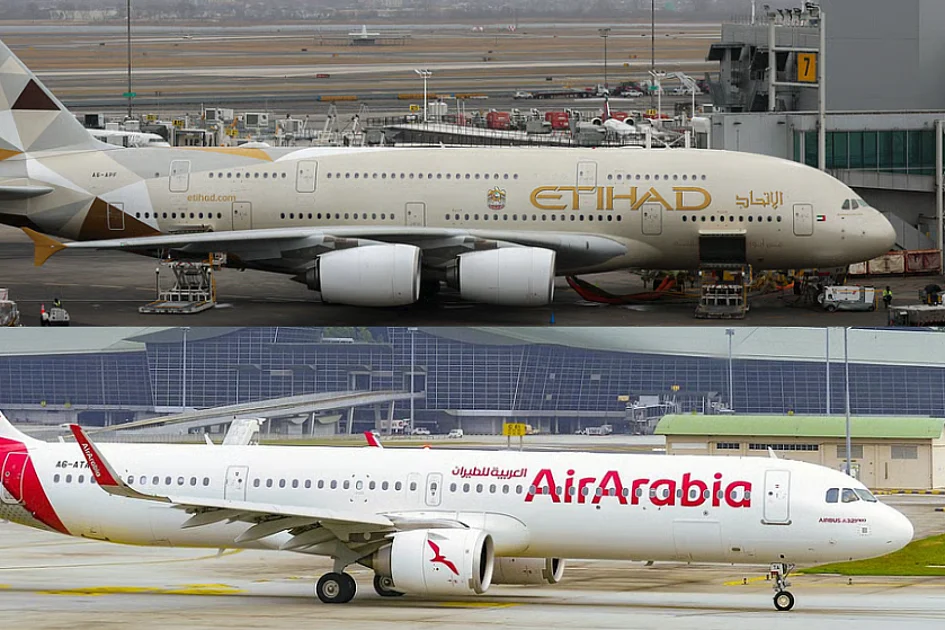
  • UAE airlines Etihad, Air Arabia issue statements amid Airbus A320 recall

    UAE airlines Etihad, Air Arabia issue statements amid Airbus A320 recall

    In response to an unprecedented global recall initiated by Airbus, UAE carriers Etihad Airways and Air Arabia have swiftly implemented mandatory software updates across their A320 family aircraft fleets. The European manufacturer’s directive, affecting approximately 6,000 aircraft worldwide, follows a reported flight control anomaly linked to intense solar radiation exposure.

    Air Arabia confirmed immediate compliance with the technical advisory, with a spokesperson stating: “We have begun implementing the required measures across the impacted aircraft in our fleet and expect to complete all updates by the end of today. Our teams have worked diligently to ensure minimal impact on our customers.” The Sharjah-based low-cost carrier operates 67 A320 family aircraft according to Cirium data.

    Etihad Airways similarly reported successful completion of the software installation across its 39 A320 family aircraft. The Abu Dhabi-based carrier emphasized that normal operations had resumed despite the challenge occurring during one of the busiest travel periods at Zayed International Airport ahead of the long weekend.

    Saj Ahmad, chief analyst at London-based StrategicAero Research, characterized the situation as “rather unprecedented,” noting that the recall stems from a JetBlue A320 incident involving rapid descent and passenger injuries. Ahmad warned that while software updates require few hours, potential hardware modifications could ground aircraft for several days awaiting replacement parts, potentially disrupting flight schedules across the Middle East’s 376 operational A320 family aircraft.

    The proactive response from UAE carriers demonstrates the aviation industry’s commitment to safety-first protocols while minimizing traveler inconvenience during critical holiday periods.

  • Airbus A320 recall disrupts Asian travel as carriers scramble to patch software

    Airbus A320 recall disrupts Asian travel as carriers scramble to patch software

    A sweeping software recall affecting approximately 6,000 Airbus A320 family aircraft has triggered significant travel disruption across Asia and beyond, forcing airlines to scramble for solutions during one of the year’s busiest travel periods. The unprecedented recall, issued to 350 operators worldwide, represents one of the largest in Airbus’s 55-year history and impacts more than half of the global A320 fleet.

    The technical directive mandates carriers to address a software glitch affecting elevator and aileron control systems on A319, A320, and A321 models before returning aircraft to service. While the fix primarily involves reverting to earlier software versions and is considered relatively straightforward, the sheer scale of affected aircraft has created operational chaos for airlines.

    Asian carriers have been particularly hard hit given the A320’s dominance as the backbone of regional short-haul aviation. India’s aviation regulator confirmed 338 Airbus aircraft required attention, with IndiGo completing resets on 143 of its 200 affected jets and Air India addressing 42 of its 113 impacted aircraft. Both carriers warned passengers of potential delays and rescheduled flights.

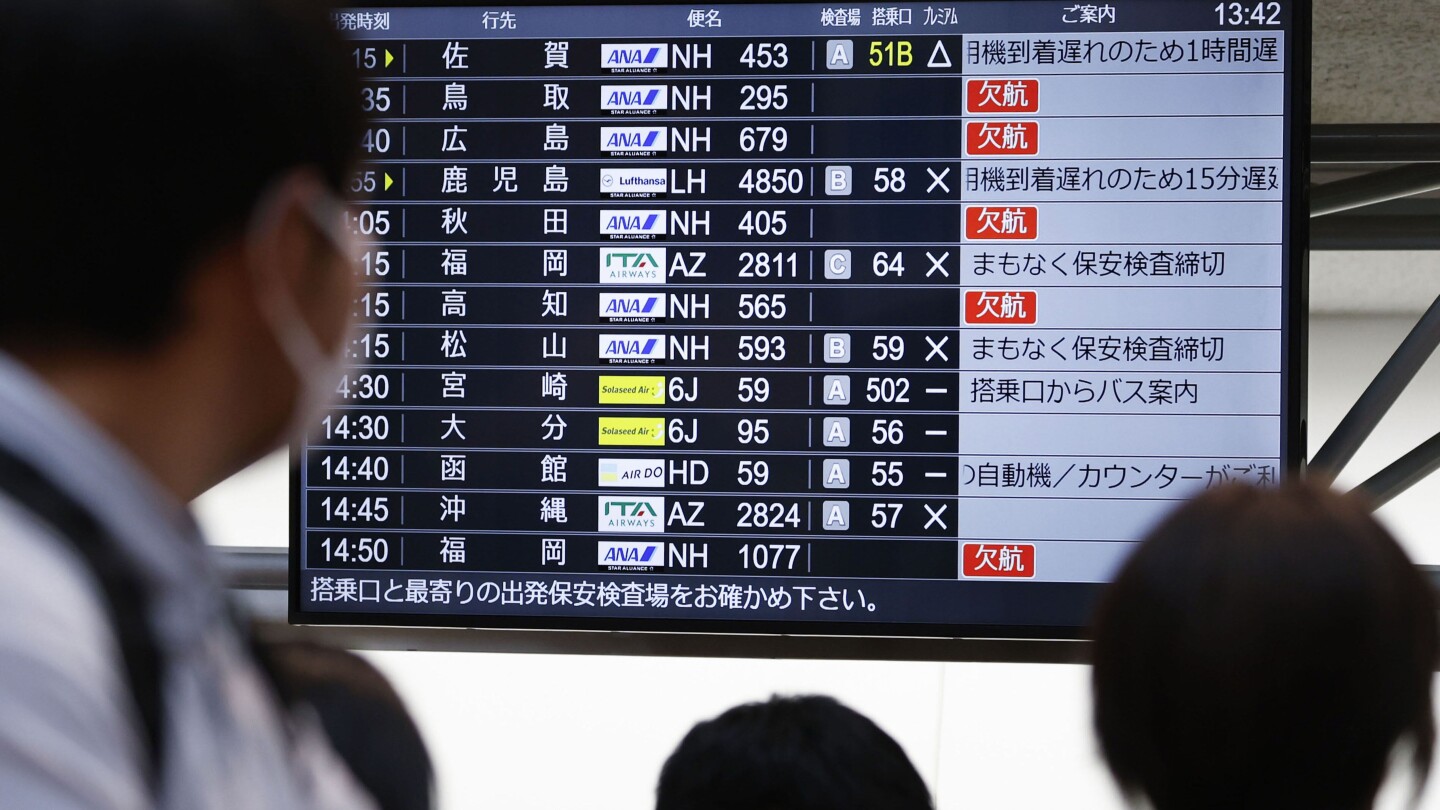
    Japanese aviation faced substantial disruption with ANA Holdings canceling 65 flights on Saturday and anticipating further Sunday disruptions. Nationwide, 95 flights were canceled according to NHK broadcasts. Taiwan’s Civil Aviation Administration estimated two-thirds of the island’s 67 A320 and A321 aircraft required inspections.

    The recall’s ripple effects extended globally with American Airlines reporting 340 of its 480 A320 aircraft needed remediation. Colombian carrier Avianca took the drastic step of suspending ticket sales through December 8 as the recall affected over 70% of its fleet. Australian, European, and South Korean carriers also reported varying levels of impact.

    Industry sources indicate the recall was triggered by an October 30 incident involving a JetBlue flight from Cancun to Newark that experienced a sharp altitude loss, resulting in passenger injuries. Aviation regulators worldwide have followed the European Union Aviation Safety Agency’s directive mandating corrections before resumed operations.

  • Hong Kong is China’s most underestimated strategic asset

    Hong Kong is China’s most underestimated strategic asset

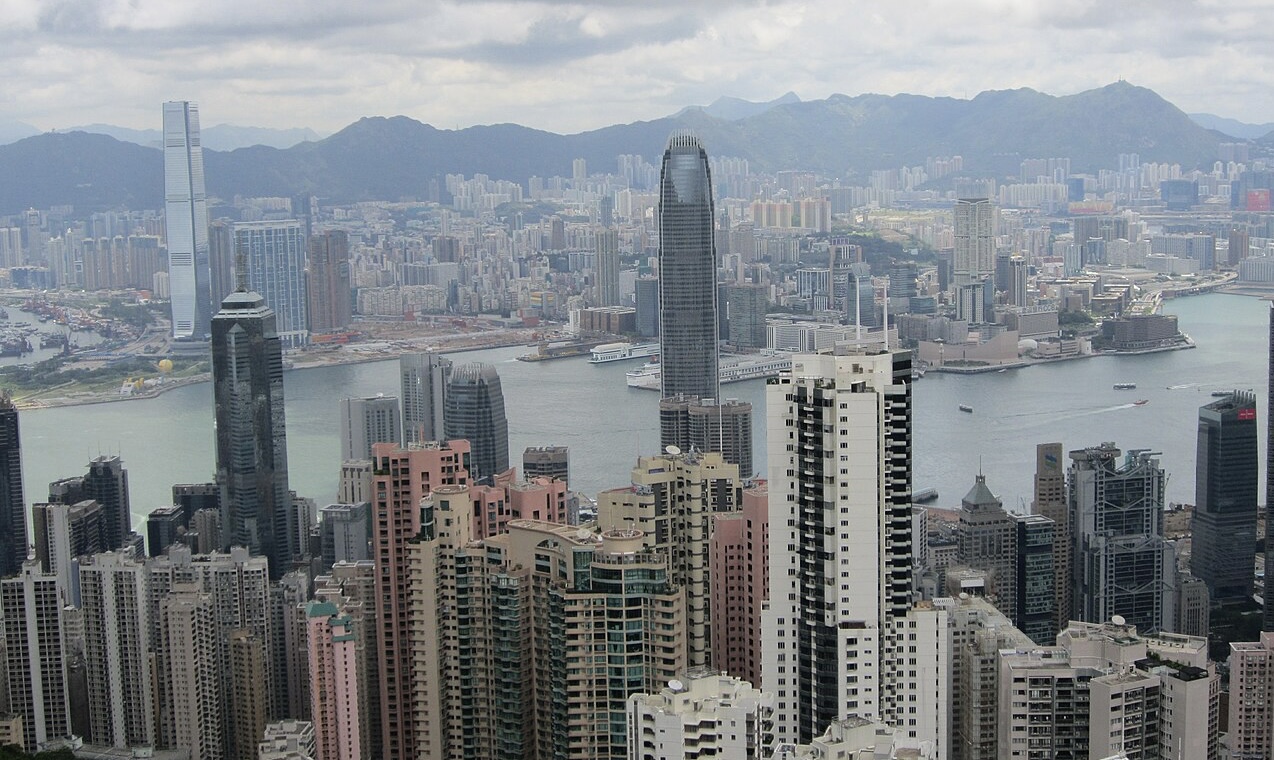
    Amid widespread narratives predicting Hong Kong’s decline due to geopolitical tensions and regional competition, a more profound transformation is underway. Rather than fading into irrelevance, the city is being strategically repurposed as the central platform for China’s global financial ambitions. This structural shift positions Hong Kong with greater strategic importance to Beijing than at any point in recent decades.

    Hong Kong’s evolution into China’s offshore financial command center represents a deliberate, consequential transformation that transcends conventional discussions about economic recovery. The city is being systematically integrated into the architecture of China’s ascent as a financial power, functioning not as a nostalgic relic but as a forward-facing operational platform.

    The renminbi’s internationalization strategy demonstrates Hong Kong’s critical role. As Beijing pursues currency globalization, it requires a trusted global marketplace operating under international norms—a role neither Shanghai nor Shenzhen can fulfill. Hong Kong’s dominance in offshore RMB liquidity, hosting the world’s largest pool, provides China with a controlled environment that maintains global credibility. The city facilitates accelerating RMB bond issuance, swap programs, and cross-border settlement mechanisms that determine the currency’s international future through market functionality rather than political declarations.

    While some observers focus on declining IPO volumes, they overlook deeper structural reforms transforming how international capital engages with China. Listing reforms, cross-border fund distribution, and enhanced market infrastructure establish Hong Kong as the most credible offshore venue for raising Chinese capital globally. China is not merely preserving Hong Kong’s status but reengineering it to channel global capital without exposing the onshore system to destabilizing flows.

    This dual-track structure—onshore for scale, offshore for global reach—forms the backbone of China’s financial strategy. Hong Kong’s value now resides in strategic function rather than speculative cycles.

    The wealth management sector reveals even more significant developments. As China’s affluent class expands, Hong Kong emerges as the exclusive offshore hub capable of handling Chinese wealth at global standards. Family-office incentives, tax clarity, and internationally-aligned regulatory frameworks make the city uniquely suited to manage China’s growing private capital—capital that Beijing increasingly wants deployed globally rather than domestically.

    In financial innovation, Hong Kong’s new identity becomes unmistakable. While other financial centers debate digital assets and fintech regulation, Hong Kong actively builds frameworks to integrate these emerging sectors. Through virtual-asset licensing, green-finance taxonomy, and cross-border fintech pilots, the city positions itself at the frontier of financial experimentation.

    This transformation extends beyond local implications, strengthening China’s capacity to influence global financial rules through participation rather than demands. Hong Kong provides unparalleled leverage in shaping capital standards, payment systems, and digital-finance architecture.

    The actual risk facing Hong Kong is not irrelevance but complacency. Maintaining its comparative advantage requires moving faster than both rivals and diminishing geopolitical narratives. The city’s unique power derives from being simultaneously deeply Chinese and institutionally global—a duality that represents strength rather than vulnerability.

    Hong Kong is evolving into the operational center of China’s financial modernization and the offshore engine of its global financial projection. If China emerges as a financial powerhouse in coming decades, Hong Kong will have served as the pivotal platform enabling that transformation—not as a fading star but as a quietly rising one essential to China’s global financial strategy.

  • UAE’s ‘nature emirate’: How RAK combines 7,000-year history, new hotels to draw tourists

    UAE’s ‘nature emirate’: How RAK combines 7,000-year history, new hotels to draw tourists

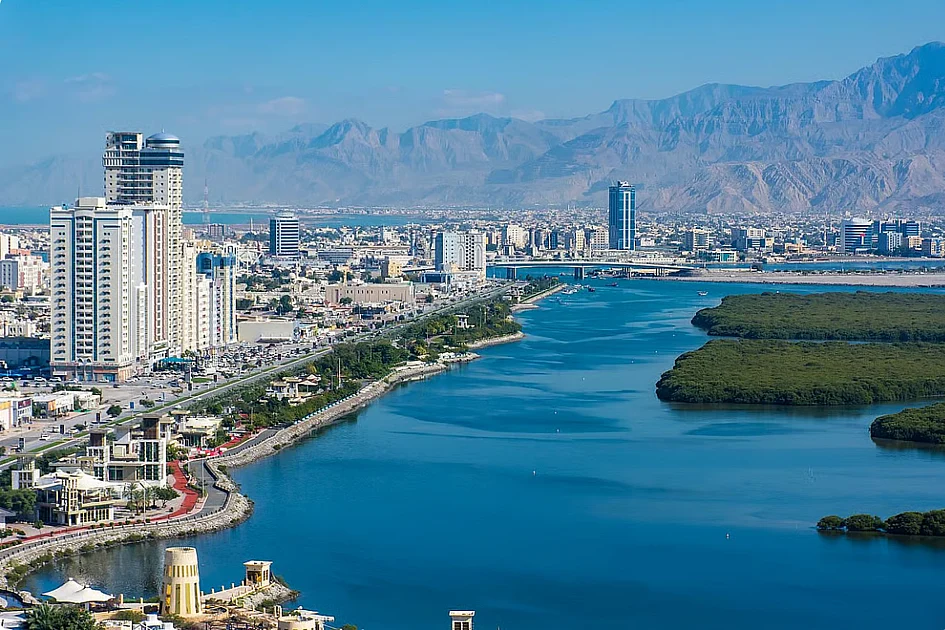
    Ras Al Khaimah is embarking on an ambitious tourism expansion strategy that strategically merges its 7,000-year historical legacy with contemporary luxury developments to establish itself as a distinctive global destination. Under the leadership of newly appointed Ras Al Khaimah Tourism Development Authority (RAKTDA) CEO Phillipa Harrison, the emirate is implementing a comprehensive growth blueprint targeting a threefold increase in visitor numbers over the next five years.

    The emirate’s remarkable visitor surge—recording 650,000 arrivals in the first half of 2025 alone—demonstrates the effectiveness of its current approach. This growth is propelled by strategic enhancements including new hotel openings, strengthened international partnerships, and significantly improved air connectivity with eleven new routes established. Current projections indicate the destination will reach 1.4 million visitors by year’s end, with accelerated growth anticipated as major developments come online.

    Harrison, drawing from her extensive experience leading Tourism Australia, emphasizes the critical importance of distinctive branding and authentic experiences in global tourism success. “We must be choiceful in how we market ourselves and develop strong points of connection with diverse global audiences,” Harrison stated during an exclusive interview. While maintaining its successful all-inclusive sun-and-sand offerings from traditional markets like the UK, the emirate is simultaneously expanding into luxury tourism and fully independent traveler segments.

    The strategic vision extends beyond conventional tourism parameters, with plans to enhance guest experiences across mountain, desert, coastal, and mangrove environments. Cultural tourism represents another key growth pillar, leveraging historical assets including Al Jazeera Al Hamra and the emirate’s significant position along ancient trade routes.

    A pivotal milestone in this transformation will be the opening of the Wynn Integrated Resort on Al Marjan Island, anticipated to serve as a regional game-changer that will focus unprecedented global attention on Ras Al Khaimah. Harrison identifies this development as an opportunity to comprehensively showcase the emirate’s diverse offerings and unique identity to an international audience.

    The tourism strategy incorporates a strong emphasis on sustainability and community engagement, ensuring that growth benefits both visitors and residents while maintaining the natural and cultural integrity that defines the ‘Nature Emirate.’ Harrison and her team are working to present Ras Al Khaimah as a cohesive destination where visitors can reconnect with nature, discover authentic culture, and experience a genuine sense of escape, all while complementing rather than competing with neighboring emirates.

  • Mass flight disruptions expected as Airbus recalls 6,000 A320 jets

    Mass flight disruptions expected as Airbus recalls 6,000 A320 jets

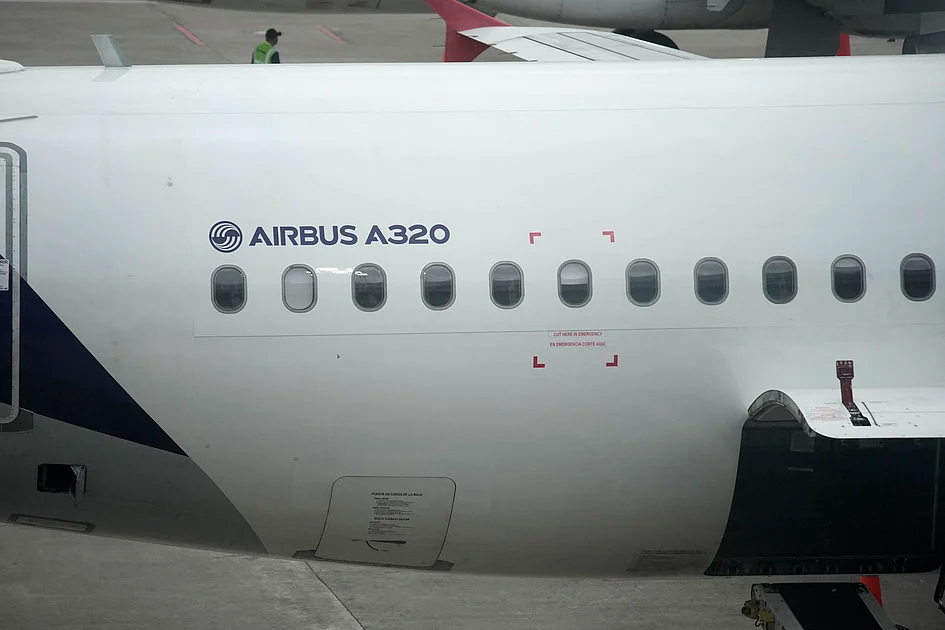
    In an unprecedented move that threatens to disrupt global air travel, Airbus has mandated immediate safety inspections and software modifications for approximately 6,000 of its A320-family aircraft. The emergency recall, affecting over half of the worldwide fleet, comes in response to a recently identified vulnerability where intense solar radiation can corrupt critical flight control data.

    The European plane manufacturer announced the sweeping directive on Friday, acknowledging that the necessary maintenance would inevitably cause significant operational disruptions for airlines and passengers worldwide. The European Union Aviation Safety Agency is preparing to issue an emergency airworthiness directive to formalize the requirements.

    Industry analysts indicate the recall will have varying impacts across the fleet. Approximately two-thirds of affected aircraft will undergo relatively brief software downgrades to a previous stable version, while the remaining jets—numbering in the hundreds—will require extensive hardware replacements that could ground them for several weeks.

    The timing compounds the logistical challenge, coinciding with one of the busiest travel weekends of the year in the United States. Major carriers including Wizz Air and Air India have already confirmed their fleets are impacted and warned passengers of potential delays and cancellations.

    Air India issued an official advisory stating: ‘This will result in a software/hardware realignment on a part of our fleet, leading to longer turnaround time and delays to our scheduled operations.’ The airline urged customers to verify flight status before heading to airports.

    The urgent safety action was triggered by an October 30 incident involving a JetBlue flight from Cancun to Newark, which experienced an uncommanded altitude drop and made an emergency landing in Tampa. Several passengers required hospitalization following the terrifying incident.

    With approximately 11,300 A320-family aircraft currently in service worldwide—including 6,440 of the core A320 model—this recall represents one of the most extensive safety actions in modern aviation history, testing the resilience of global air travel infrastructure during peak holiday season.

  • Airbus A320 major recall: Which airlines will be affected ahead of holiday season?

    Airbus A320 major recall: Which airlines will be affected ahead of holiday season?

    In an unprecedented move that threatens global air travel during the peak holiday season, European aerospace giant Airbus has issued an immediate recall directive affecting approximately 6,000 of its A320 series aircraft. This sweeping safety mandate impacts more than half of the worldwide A320 fleet, compelling airlines to perform urgent software modifications before these aircraft can resume flight operations.

    The recall, which requires reverting to previous software versions according to an internal bulletin reviewed by Reuters, has triggered widespread operational disruptions across international aviation networks. The timing coincides with the busiest travel weekend of the year in the United States, amplifying potential passenger inconvenience.

    American Airlines, operating the world’s largest A320 fleet, confirmed that 340 of its 480 A320 aircraft require remediation. The carrier anticipates completing most updates by Saturday, with each plane requiring approximately two hours of maintenance.

    Global carriers have reported varying levels of impact. Colombian carrier Avianca faces particularly severe challenges, with over 70% of its fleet affected. The airline has suspended ticket sales for travel through December 8, anticipating significant operational disruptions. Similarly, Air New Zealand expects multiple Saturday cancellations as it updates its A320neo fleet.

    European operators including Lufthansa, Wizz Air, and Air France have reported anticipated delays and cancellations, with Air France having already cancelled 35 flights on Friday. British Airways and Aer Lingus expect minimal disruption, citing limited affected aircraft.

    Indian carriers Air India and IndiGo anticipate operational delays due to extended turnaround times, while Mexican airlines Volaris and Viva expect cancellations within the next 72 hours. Turkish Airlines reported eight aircraft requiring updates but maintained normal operations.

    Several carriers, including United Airlines, Delta Airlines, and Brazil’s Azul SA, indicated minimal or no impact from the recall directive. The disparity in effects stems from variations in aircraft configurations and previous software installations across the global A320 fleet.

    Aviation authorities worldwide are monitoring the situation as airlines race to implement mandatory software changes while minimizing holiday travel disruption.

  • Airlines work to fix software glitch on A320 aircraft and some flights are disrupted

    Airlines work to fix software glitch on A320 aircraft and some flights are disrupted

    Airlines worldwide experienced operational disruptions over the weekend as carriers implemented emergency software updates for Airbus A320 family aircraft, following an investigation that linked solar radiation to potential flight control anomalies. The coordinated global action came after aviation authorities identified that intense solar activity could corrupt critical flight data, prompting both the FAA and European Union Aviation Safety Agency to mandate immediate corrective measures.

    The software vulnerability first came to light following a October 30th JetBlue incident where an aircraft suddenly lost altitude during a flight from Cancun to Newark, resulting in 15 passenger injuries and an emergency diversion to Tampa. Subsequent analysis revealed that cosmic radiation interference could affect the aircraft’s angle of attack sensors, creating potential safety concerns.

    Airbus confirmed Friday that the issue specifically affected its A320 series, the world’s bestselling single-aisle aircraft family and primary competitor to Boeing’s 737. The European manufacturer developed a software patch requiring approximately two hours per aircraft to install, with airlines worldwide scrambling to implement the fix during peak Thanksgiving travel period in the United States.

    American Airlines, operating 209 affected aircraft among its 480 A320-family planes, reported completing most updates by Friday with remaining installations scheduled for Saturday. Delta Air Lines anticipated fewer than 50 affected aircraft, while United Airlines reported six planes requiring updates. Hawaiian Airlines reported no impact, and Air India confirmed completing updates on 40% of its affected fleet without cancellations.

    International carriers including Japan’s All Nippon Airways canceled 65 domestic flights Saturday, with potential additional Sunday cancellations. European operators reported minimal disruptions, with France’s transport ministry noting an “almost complete return to normal” at French airports following overnight software installations. British Airways, Lufthansa, and SAS all reported successful updates with minimal schedule impacts.

    Aviation experts noted the particular challenge of addressing the issue during peak travel season but emphasized the relative simplicity of the software fix. Mike Stengel of AeroDynamic Advisory commented: “While certainly not ideal for this to occur on such a ubiquitous aircraft during a busy holiday weekend, the silver lining is that the update requires only a few hours per plane.”

  • Namibia aims to attract investors: Envoy

    Namibia aims to attract investors: Envoy

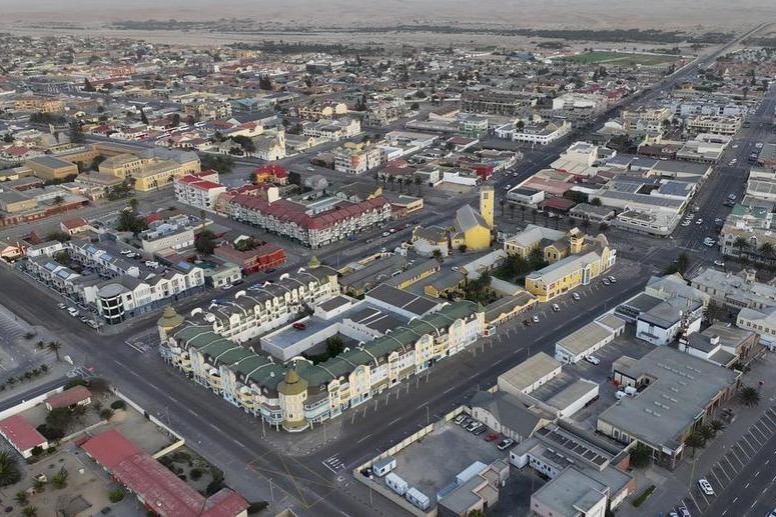
    Namibia is actively courting Chinese investment across multiple strategic sectors, positioning itself as China’s premier cooperation partner in southern Africa. The African nation’s newly appointed ambassador to China, Tonata Itenge-Emvula, has articulated a clear vision for bilateral economic collaboration rooted in mutual benefit and sustainable development.

    With China already established as Namibia’s largest source of foreign direct investment—accounting for approximately 30% of total inflows—and its second-largest trading partner after South Africa, the foundation for expanded cooperation is firmly established. More than 50 Chinese enterprises currently operate within Namibian borders, including major stakeholders in significant mining operations such as the Husab Mine and Rossing Uranium Mine.

    The investment priorities identified by Namibia align strategically with China’s global leadership areas, particularly renewable energy technologies, agricultural modernization, and large-scale industrial processing. Namibia is rapidly emerging as a green energy frontier, with its southern coastline hosting one of Africa’s most advanced large-scale green hydrogen initiatives. The country’s abundant wind and solar resources position it to produce clean fuels, green ammonia, and sustainable industrial products for global markets, including China’s expanding clean energy sector.

    Recent offshore oil discoveries exceeding 3 billion barrels have further elevated Namibia’s status as an emerging petroleum region. Ambassador Itenge-Emvula specifically encouraged Chinese investors to participate in refining and downstream processing operations, moving beyond raw material exports to build industrial capacity that generates employment and develops local expertise.

    Agriculture and food processing represent another priority sector for enhanced cooperation. Through targeted investments in irrigation infrastructure, cold chain technology, and modern agro-processing facilities, Namibia aims to transform into a reliable supplier of premium food products to Asian markets while supporting China’s food security objectives.

    As the world’s third-largest uranium producer with significant deposits of lithium, cobalt, nickel, manganese, and copper, Namibia serves as a crucial supplier of minerals essential to new energy industries. The ambassador emphasized the importance of developing local value chains and mineral processing capabilities rather than continuing the export of unprocessed ore.

    These opportunities are strengthened through Namibia’s active participation in the Forum on China-Africa Cooperation and the Belt and Road Initiative, which provide favorable financing arrangements, trade facilitation measures, and technology exchange mechanisms for enterprises from both nations.

  • Natl capacity to recycle now exceeds supply

    Natl capacity to recycle now exceeds supply

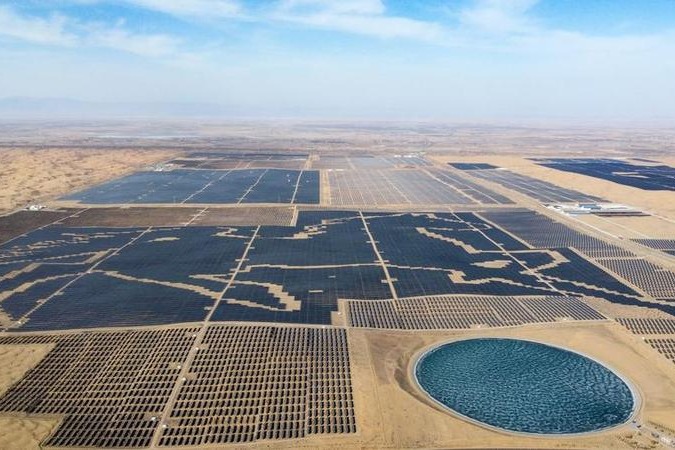
    China has developed substantial recycling capabilities for retired renewable energy equipment that now significantly exceed the nation’s current waste volumes, leaving specialized recycling plants operating below capacity. This revelation came from Guo Yijun, Director-General of the Ministry of Ecology and Environment’s Department of Solid Wastes and Chemicals, during a recent press conference.

    According to official projections, China anticipates processing approximately 1.5 to 2 million metric tons of decommissioned photovoltaic modules, 500,000 tons of wind turbine blades, and 1 million tons of power batteries by 2030. These estimates, however, are based on product lifespans and may not fully reflect actual disposal levels as some equipment will find secondary markets for reuse.

    The nation’s recycling infrastructure has expanded rapidly, with current annual capacity reaching approximately 2 million tons for solar panels and about 1 million tons for wind turbine components. Additionally, 148 Ministry of Industry and Information Technology-certified companies now possess a combined annual capacity of 2.5 million tons for processing discarded power batteries.

    Guo addressed concerns that China’s rapidly expanding renewable energy sector might generate unmanageable waste streams, noting that the current reality demonstrates the opposite situation—recycling capacity outstrips supply. He described the phenomenon using the Chinese expression “cannot eat their fill,” indicating recycling facilities are operating below their potential.

    The official also highlighted China’s robust capacity for recycling conventional discarded products, including home appliances and vehicles. More than 90 qualified enterprises with a combined annual capacity of 180 million units recycled approximately 95 million home appliances in 2024, generating nearly 2 million tons of recycled materials. Similarly, China’s network of over 1,900 certified end-of-life vehicle recycling facilities processed 8.46 million vehicles in 2024, representing a 64 percent year-on-year increase.

    Despite these advancements, Guo cautioned about emerging overcapacity risks in vehicle dismantling, noting that regional commerce authorities have repeatedly warned market participants to make rational investment decisions to prevent resource waste and disorderly competition.

  • This African nation built its development on diamonds. Now it’s crashing down

    This African nation built its development on diamonds. Now it’s crashing down

    GABORONE, Botswana — Botswana’s diamond-dependent economy, once celebrated as Africa’s remarkable success story, now confronts an existential threat from the rapid ascent of laboratory-grown diamonds. This seismic shift in the global gem market has triggered widespread job losses, economic contraction, and urgent calls for diversification in a nation where diamonds fundamentally shaped national development.

    For Keorapetse Koko, a 17-year veteran diamond polisher recently laid off from her position, the crisis manifests as personal financial devastation. “I have debts and I don’t know how I am going to pay them,” lamented the mother of two, who previously earned approximately $300 monthly with medical benefits—a respectable income in a country where the average monthly salary hovers around $500. Her specialized skills, honed over nearly two decades, now render her unemployable in a contracting industry.

    Botswana’s diamond narrative began with a transformative 1967 discovery, just one year post-independence, catapulting the nation from profound poverty to becoming the world’s foremost diamond producer by value. The gems financed critical national infrastructure, healthcare systems, and educational institutions, deftly avoiding the ‘resource curse’ that plagued many mineral-rich African counterparts.

    However, the industry now faces compounded challenges. Lab-grown diamonds, primarily mass-produced in China and India, now command nearly 20% of global market share—a dramatic surge from merely 1% in 2015. These synthetics, marketed as ethical, eco-friendly alternatives priced up to 80% lower than natural stones, have particularly captured younger consumers through sophisticated social media campaigns and celebrity endorsements from figures like Billie Eilish and Pamela Anderson.

    The economic repercussions are severe: Diamond exports, constituting approximately 80% of Botswana’s foreign earnings and one-third of government revenue, have plummeted. Debswana, the dominant local producer jointly owned by the government and De Beers, witnessed revenues halve in the past year. Second-quarter diamond production crashed by 43%—the steepest decline in Botswana’s modern mining history—with the World Bank projecting a 3% economic contraction for 2024.

    Southern African nations are mounting a coordinated response. Botswana, Angola, Namibia, South Africa, and Congo have agreed to allocate 1% of annual diamond revenues toward a global marketing initiative led by the Natural Diamond Council. This effort promotes natural diamonds as “Real. Rare. Responsible” through campaigns featuring actress Lily James, attempting to reestablish their unique value proposition.

    Botswana’s government has initiated a sovereign wealth fund to pursue economic diversification beyond mining, though details remain vague. The nation’s substantial tourism sector—featuring elephant-based attractions—and other mineral resources including gold, silver, and uranium now assume heightened importance.

    Yet for displaced workers like Koko, these strategic shifts arrive too late. “I was the breadwinner in a big family,” she reflected. “Now I don’t even know how to feed my own.” Her poignant reality underscores the human dimension of an industry in transformation: despite dedicating her career to diamonds, she never owned one herself, as even the smallest stone remained an unaffordable luxury.