分类: business

  • Costco sues US govt for refund if tariffs ruled illegal

    Costco sues US govt for refund if tariffs ruled illegal

    Retail giant Costco Wholesale Corporation has initiated legal proceedings against the United States government, joining a coalition of major corporations seeking reimbursement for tariffs paid under the Trump administration’s emergency measures. The lawsuit, filed in federal court, contends that these levies were imposed unlawfully and seeks refunds contingent upon a Supreme Court ruling against their legality.

    The legal challenge centers on former President Donald Trump’s utilization of the Emergency Powers Act to implement sweeping tariffs beginning in April. These measures initially imposed minimum 10 percent duties on most nations, with additional tariffs reaching up to 145 percent specifically targeting China, Canada, and Mexico—justified under the declaration of a “fentanyl emergency.”

    During Supreme Court oral arguments last month, justices expressed skepticism regarding the constitutional basis for presidential tariff imposition. Justice Sonia Sotomayor notably questioned the bypassing of Congressional authority, stating: “The Constitution is structured so that if I’m going to be asked to pay for something as a citizen, that it’s through a bill that is generated through Congress.”

    Costco’s filing argues that while the Emergency Powers Act permits the president to regulate foreign transactions during national emergencies, it contains no specific provision for tariff implementation—a power explicitly delegated to Congress by the Constitution. The company joins dozens of retailers including Revlon, Kawasaki Motors, Ray-Ban, Bumble Bee Foods, and Yokohama Tires in similar litigation.

    Although Costco has not specified the exact refund amount sought, customs data estimates approximately $90 billion in tariffs collected under the emergency measures. The company acknowledges the business impact of these tariffs, with CFO Gary Millerchip noting in a September conference call that mitigation strategies included increased reliance on local sourcing and the Kirkland brand, plus production relocation where feasible.

    The Supreme Court is now hearing the case on an accelerated basis following contrary rulings from both the U.S. Court of International Trade and the U.S. Court of Appeals. No timeline has been announced for the final decision that will determine the legality of the tariff implementation method.
  • China’s Xinjiang hosts regional forum to boost Central Asia links, trade

    China’s Xinjiang hosts regional forum to boost Central Asia links, trade

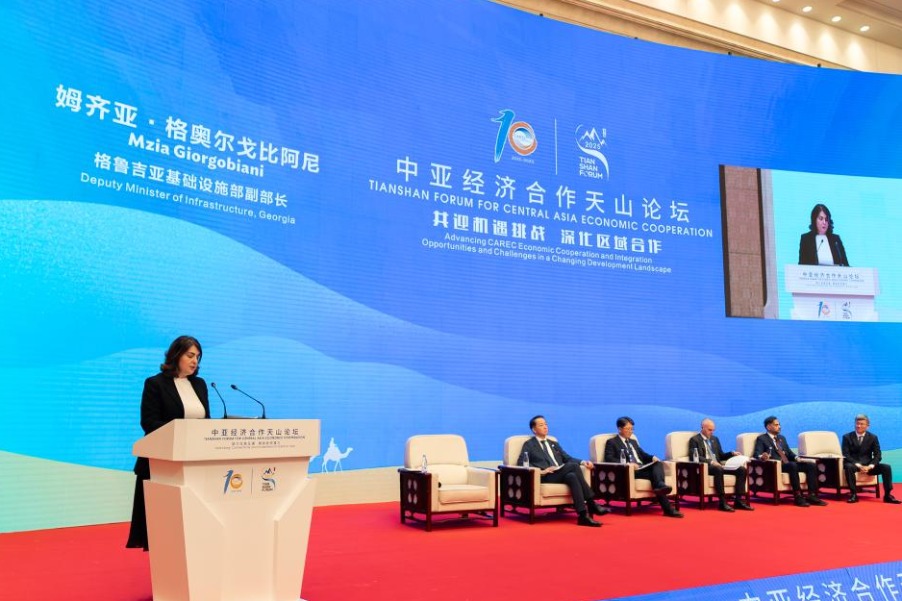
    URUMQI – The Tianshan Forum for Central Asia Economic Cooperation commenced on December 2, 2025, in Urumqi, Xinjiang Uygur Autonomous Region, marking a significant stride toward regional economic integration. This high-level gathering attracted more than 300 participants, including senior government officials, financial experts, private sector leaders, and policy researchers from Central Asia Regional Economic Cooperation (CAREC) member nations.

    The two-day conference, themed ‘Unlocking Connectivity and Investment in Central Asia,’ served as a strategic platform for addressing critical development challenges. Key discussion areas encompassed enhancing regional trade corridors, modernizing transport infrastructure, advancing energy cooperation, and accelerating digital connectivity initiatives.

    Chinese Finance Minister Lan Fo’an inaugurated the forum by highlighting CAREC’s substantial achievements while advocating for expanded cooperation to deliver greater benefits to member states. ‘We must continue to deepen our collaborative efforts to foster sustainable regional prosperity,’ Minister Lan stated.

    Charymuhammet Shallyyev, Director of the CAREC Institute which organized the forum, emphasized the event’s role as a bridge connecting policymakers, development partners, and researchers. Since establishing its headquarters in Urumqi in 2015, the Institute has produced over 180 research studies and trained more than 2,000 government officials through 150 capacity-building programs.

    Pakistan’s Federal Minister for Planning, Development & Special Initiatives Ahsan Iqbal addressed the transformative global economic landscape, identifying Central and South Asia as emerging growth engines. Minister Iqbal pointed to successful Pakistan-China collaborations as models for future cooperation in industrial development, agricultural technology, and cultural exchange.

    The forum witnessed the inauguration of the Central Asia Fiscal Cooperation Research Center, a joint initiative by the CAREC Institute and Xinjiang’s Department of Finance. This establishment reinforces Xinjiang’s strategic position as a core Belt and Road hub, leveraging its geographical adjacency to multiple Central Asian nations.

    Regional trade dynamics have shown remarkable growth since the inaugural China-Central Asia Summit in May 2023, with bilateral trade reaching $94.8 billion in 2024, underscoring the region’s increasing economic interdependence.

  • China’s zero-tariff policy opens new doors for Ugandan coffee exports: entrepreneur

    China’s zero-tariff policy opens new doors for Ugandan coffee exports: entrepreneur

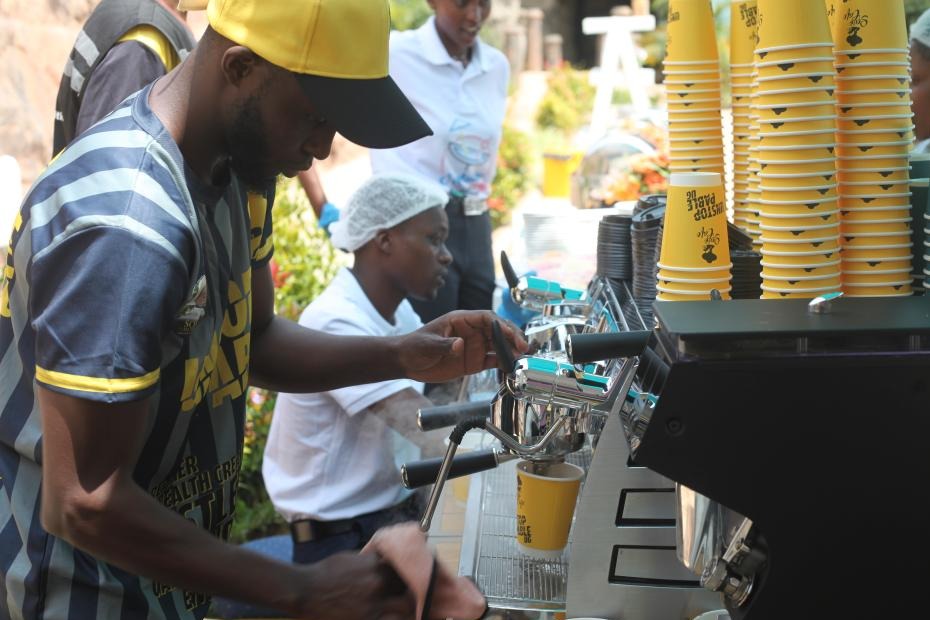
    Uganda’s coffee industry stands to gain substantial economic benefits from China’s expanded zero-tariff initiative for African goods, according to prominent Ugandan entrepreneur Nelson Tugume. The CEO of Inspire Africa Group, which operates the African Coffee Park in Ntungamo district, emphasized that China’s policy creates a significantly more favorable trade environment compared to markets maintaining high tariffs on African products.

    Effective since December 1, 2024, China’s comprehensive tariff exemption applies to all least developed nations maintaining diplomatic relations with Beijing, encompassing 33 African countries across 100% of their products. This policy was subsequently expanded to include all 53 African nations with diplomatic ties to China, covering all tariff lines without exception.

    Tugume identified a unique convergence of factors creating optimal conditions for Ugandan coffee exporters: China’s growing coffee consumption patterns, production uncertainties in traditional coffee-growing regions, and the newly implemented tariff-free access to Chinese markets. This combination presents Ugandan farmers with unprecedented opportunities to access stable, high-demand markets previously constrained by trade barriers.

    “Strategic business expansion naturally gravitates toward environments offering conducive conditions for growth,” Tugume stated during preparations for shipping a major consignment of locally sourced and processed coffee to China. The African Coffee Park represents Uganda’s evolving coffee sector, which has traditionally focused on European markets but now increasingly looks toward Asian economic partnerships.

    The policy shift occurs within broader context of China-Africa trade relations, reflecting Beijing’s commitment to enhancing economic cooperation through tangible trade facilitation measures. For Uganda specifically, this development promises not only increased export volumes but also potential elevation of household incomes through expanded market access and improved trade terms.

  • Italian fashion giant Prada buys Versace – at a discount

    Italian fashion giant Prada buys Versace – at a discount

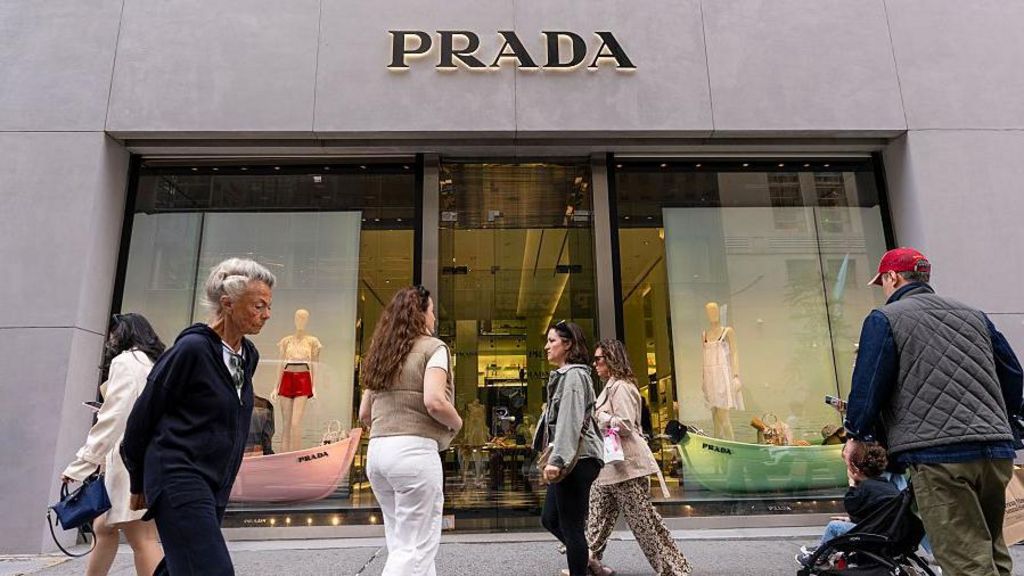
    In a landmark transaction reshaping the global luxury landscape, Italian fashion powerhouse Prada Group has finalized its acquisition of rival Versace for $1.38 billion. The deal, announced Tuesday, unites two of Italy’s most iconic fashion houses under single ownership, creating a strengthened competitor against French luxury conglomerates like LVMH.

    The purchase price represents a significant discount from the approximately $2 billion that former parent company Capri Holdings paid for Versace in 2018. The reduced valuation follows slowed sales across Capri’s portfolio, which also includes Michael Kors and Jimmy Choo, and reflects Versace’s $700 million loss under Capri’s ownership.

    This strategic move expands Prada’s brand portfolio beyond its namesake label and youth-focused Miu Miu line. The acquisition comes during a period of transformation for Versace, which saw creative leadership change hands in March when longtime creative chief Donatella Versace stepped down after 27 years. She was succeeded by Dario Vitale, previously a design director at Miu Miu.

    Under Capri’s stewardship, Versace underwent notable strategic shifts, moving away from its signature ornate designs toward minimalist trends while simultaneously implementing price increases. Prada CEO Andrea Guerra expressed confidence in Versace’s future, noting earlier this year that the brand possesses ‘huge potential’ while acknowledging that realizing it would ‘require disciplined execution and patience.’

    For Capri Holdings, the sale proceeds will primarily service outstanding debt, significantly strengthening the company’s balance sheet according to CEO John D. Idol. The transaction received all necessary regulatory approvals before Tuesday’s announcement.

  • Air India reports delays after check-in systems disruption at multiple airports

    Air India reports delays after check-in systems disruption at multiple airports

    Air India has confirmed significant operational disruptions affecting its check-in systems at multiple airports nationwide. The airline attributed the technical failure to a third-party service provider, resulting in substantial delays across its flight network.

    In an official statement released Tuesday evening, the carrier acknowledged the system-wide outage while withholding specific details regarding the root cause. The airline confirmed that restoration efforts are currently underway but warned passengers that flight delays would persist until full operational normalization is achieved.

    Travelers were advised to verify their flight status before heading to airports and allocate additional time for check-in procedures. Air India’s ground teams are implementing manual processing protocols to mitigate the impact on passenger travel experience.

    The technical disruption represents one of the most significant system failures affecting Indian aviation infrastructure recently, highlighting the industry’s dependence on third-party technological solutions. Aviation experts note that such system-wide outages can create cascading effects throughout airline operations, potentially affecting aircraft rotations and crew scheduling.

    Air India’s communication emphasized their commitment to resolving the situation promptly while maintaining transparency with affected passengers. The airline has not provided an estimated timeline for complete system restoration but assured travelers that alternative measures are being implemented to minimize inconvenience.

  • BNI Early Birds marks 20 years

    BNI Early Birds marks 20 years

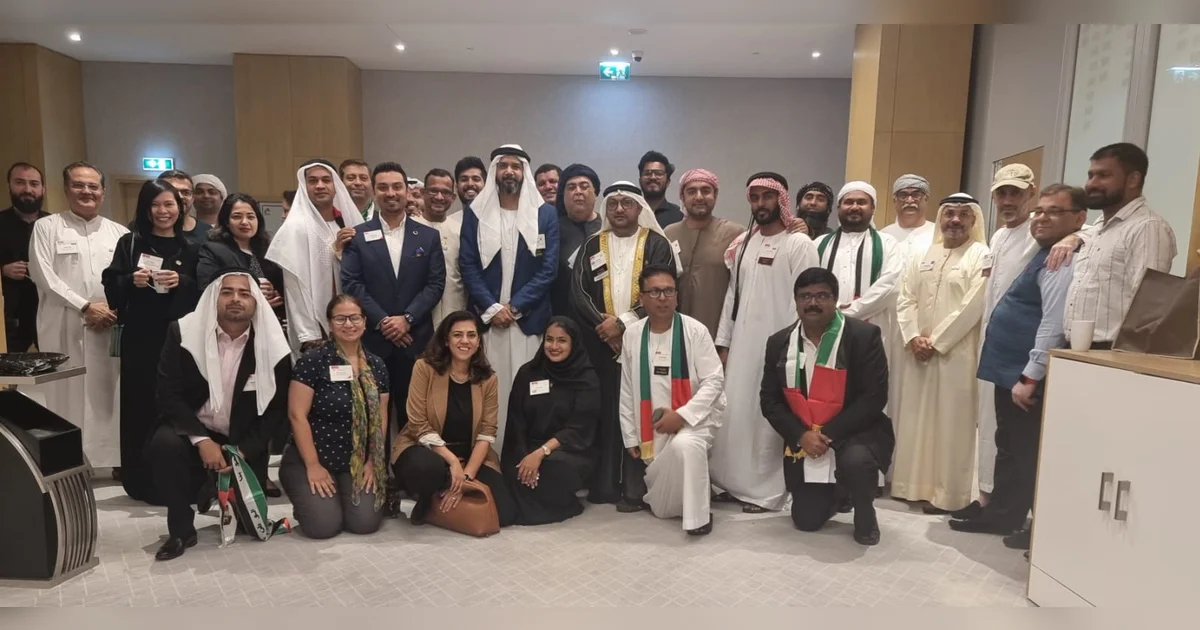
    DUBAI – The UAE’s renowned BNI Early Birds business chapter, celebrated as the nation’s ‘Happiest Chapter’ and holder of the region’s highest seat value exceeding Dh1 million, is poised to commemorate its 20th anniversary with a grand gala on December 6, 2025, at Radisson Red Dubai.

    The milestone event will gather distinguished international diplomats including Norberto Carlos, Ambassador of Cuba, who will serve as chief guest. The diplomatic contingent will feature Dr. Annalee Cecelia Babb (Barbados), Tony S. Joudi (Bahamas), Ziya Rahaman (Grenada), and Avondale Paul (Commonwealth of Dominica), alongside prominent business leaders and alumni who have contributed to the chapter’s two-decade evolution.

    Under the strategic direction of President Dr. Sijo C Mathews, a Navy veteran, alongside leadership team members Dr. Faisal Shaikh and Hawas Mohammed, the chapter has consistently突破ed boundaries in professional collaboration and commercial expansion. “This anniversary embodies the core philosophy of ‘Givers Gain’ and the profound connections that characterize our community,” Dr. Mathews stated.

    Originating from Dr. Ivan Misner’s global vision and established in the UAE by pioneers Bijay Shah and Anuradha, BNI has expanded into a dynamic network boasting over 1,600 members across the Emirates. The anniversary gala will include recognition ceremonies for top contributors, sponsor exhibitions, an alumni reunion, and cultural performances, highlighting twenty years of entrepreneurial achievement and economic impact.

  • Eid Al Etihad: 220,000 new companies entered the UAE market this year

    Eid Al Etihad: 220,000 new companies entered the UAE market this year

    The United Arab Emirates is experiencing an unprecedented period of economic expansion, with comprehensive data revealing extraordinary growth across both its commercial and tourism sectors throughout 2025. According to official statistics from the Ministry of Economy and Tourism, the UAE market welcomed an impressive 220,186 new companies between January and November 2025, demonstrating the nation’s powerful appeal to global investors and entrepreneurs.

    The country’s business environment has shown remarkable dynamism, with trademark registrations surging by 48.2 percent compared to the previous year, totaling over 36,000 national and international trademarks. This substantial increase underscores the UAE’s position as a premier destination for business establishment and intellectual property protection.

    Concurrently, the tourism sector has achieved extraordinary milestones, receiving international recognition through multiple prestigious awards. The hospitality industry maintained its robust growth trajectory during the first three quarters of 2025, welcoming 23.27 million hotel guests—a 4.9 percent increase from the same period in 2024. This influx resulted in more than 79.3 million booked room nights, with hotel revenues climbing 7.2 percent to exceed Dh35.9 billion.

    Performance metrics across the hospitality sector showed significant improvement, with hotel occupancy rates reaching 79.2 percent (a 1.8 percent increase) and the average length of stay extending from 3.38 to 3.41 nights. The Average Daily Rate rose by 4.2 percent to Dh557, while occupied room numbers increased by 3.5 percent to 46.17 million. The country’s tourism infrastructure now encompasses 1,246 hotel establishments offering 216,248 rooms nationwide.

    In a testament to its global tourism leadership, the UAE secured placement among the world’s top seven destinations for international tourist spending. The prestigious appointment of Sheikha Nasser Al Nowais as Secretary-General of UN Tourism and Masfout Village’s recognition as World’s Best Tourism Village 2025 further cement the nation’s international standing.

    Abdulla bin Touq Al Marri, Minister of Economy and Tourism, emphasized that these achievements coincide with the 54th Eid Al Etihad celebrations, reflecting the visionary leadership that has transformed the UAE into a model of growth and development. The minister highlighted the country’s exceptional economic performance, with real GDP growing by 4.2 percent and non-oil GDP expanding by 5.7 percent during the first half of 2025. Non-oil activities now constitute 77.5 percent of real GDP, demonstrating successful economic diversification.

    The Ministry’s regulatory efforts have been equally substantial, contributing to the issuance of 11 economic laws and 8 regulatory policies covering critical areas including consumer protection, ecotourism, food security, and sustainability. This comprehensive legislative framework supports the nation’s strategic objectives under the ‘We the UAE 2031’ vision, which aims to double the national economy to Dh3 trillion and establish the country as a global hub for the new economy.

  • Tariffs, AI boom could test global growth’s resilience, OECD says

    Tariffs, AI boom could test global growth’s resilience, OECD says

    The Organisation for Economic Cooperation and Development (OECD) released its latest Economic Outlook on Tuesday, presenting a complex global economic landscape where artificial intelligence investments are counterbalancing the disruptive effects of U.S. tariff policies. While maintaining cautious optimism, the Paris-based intergovernmental organization highlighted the delicate equilibrium that could be easily disrupted by renewed trade conflicts or unmet AI expectations.

    The comprehensive report maintains its previous global growth projections, forecasting a gradual deceleration from 3.2% in 2025 to 2.9% in 2026, followed by a modest recovery to 3.1% in 2027. This stability masks significant regional variations and underlying vulnerabilities that could test the resilience of worldwide economic expansion.

    United States economic prospects appear strengthened, with the OECD revising upward its 2025 growth forecast to 2.0% (from 1.8%) and 2026 projection to 1.7% (from 1.5%). This improved outlook stems from substantial AI sector investments, continued fiscal support, and anticipated Federal Reserve rate reductions, which collectively mitigate the negative impacts of import tariffs, reduced immigration, and federal employment cuts.

    China’s economic trajectory shows initial resilience with a upgraded 2025 forecast of 5.0% growth (from 4.9%), though analysts expect a slowdown to 4.4% in 2026 as fiscal measures diminish and new U.S. tariffs take full effect. The eurozone demonstrates modest improvement with 2025 growth revised to 1.3% (from 1.2%), primarily driven by Germany’s robust labor market and increased public expenditure. However, fiscal tightening in France and Italy is projected to constrain 2026 expansion to 1.2%.

    Japan’s economic performance exceeded expectations with a 2025 growth upgrade to 1.3% (from 1.1%), supported by strong corporate profitability and investment, though a slowdown to 0.9% is anticipated in 2026.

    The report highlights concerning trade dynamics, with global trade growth expected to decline significantly from 4.2% in 2025 to 2.3% in 2026 as tariff implementations dampen investment and consumer activity. Persistent trade policy uncertainty continues to hinder prospects for substantial recovery.

    Inflation projections indicate a gradual return to central bank targets across most major economies by mid-2027. The United States may experience a mid-2026 inflation peak due to tariff effects before subsequent easing, while China and select emerging markets could see modest inflation increases as production capacity normalizes.

    Monetary policy is expected to remain accommodative, with most central banks maintaining or reducing borrowing costs throughout the coming year. The Federal Reserve is projected to implement moderate rate cuts by late 2026, assuming no unexpected inflation surges from trade measures.

    The OECD concludes that while current economic resilience is noteworthy, the coexistence of AI-driven optimism and trade policy uncertainties creates a fragile balance that requires careful monitoring and international cooperation to sustain global growth.

  • Trump vowed fewer regulations and lots more oil. He’s delivered on one.

    Trump vowed fewer regulations and lots more oil. He’s delivered on one.

    Despite sweeping campaign pledges to dramatically expand U.S. fossil fuel production, President Donald Trump’s first year in office has yielded mixed results for the energy sector. While the administration has successfully dismantled numerous environmental regulations and delivered substantial tax benefits to oil companies, actual production increases have remained modest and failed to generate promised job growth or consumer price reductions.

    Energy economists report that current oil output of approximately 13.9 million barrels per day represents only a slight increase from the record 13.4 million barrels achieved during the Biden administration. This incremental growth stems primarily from improved operational efficiency rather than new drilling initiatives. Meanwhile, crude prices have declined from $75 to below $60 per barrel since Trump took office.

    The administration’s policy approach has produced significant contradictions. While implementing tariffs that raised costs for essential drilling materials like steel and aluminum, Trump simultaneously signed legislation delivering nearly $6 billion in annual tax breaks to major fossil fuel companies. His administration has opened millions of acres in Alaska’s Arctic National Wildlife Refuge to drilling and moved to strike down pollution controls on power plants and industrial facilities.

    Consumer energy costs have moved contrary to Trump’s campaign promises. Gasoline prices averaged $3.069 per gallon—virtually unchanged from year-ago levels—while household electricity bills have increased 11% nationally. Environmental groups estimate the repeal of climate regulations could add 22-32 billion metric tons of greenhouse gases to the atmosphere by 2055, with associated health and economic consequences.

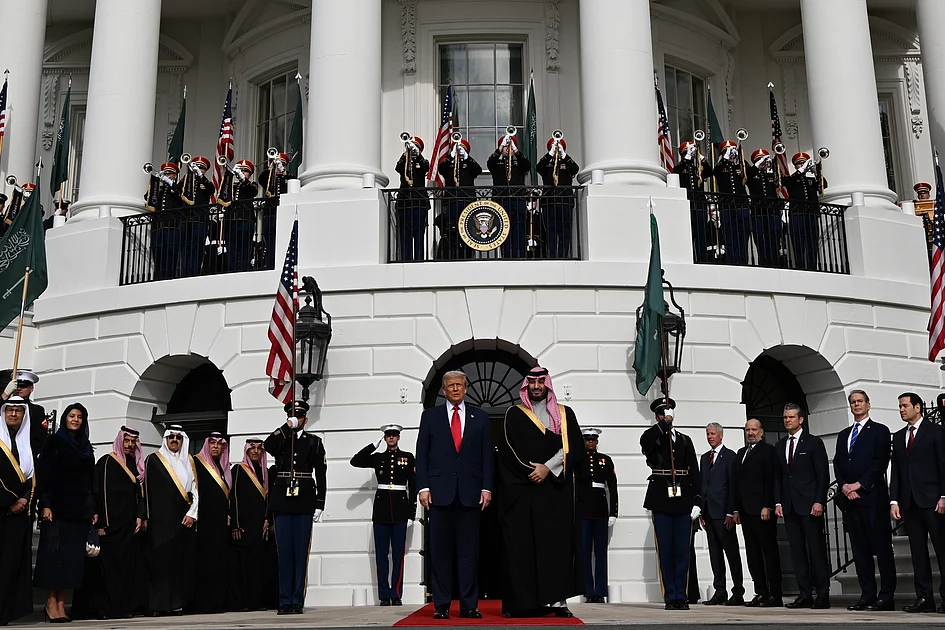
    The international dimension reveals further complexity. While hosting Saudi Arabia’s Crown Prince Mohammed bin Salman and striking deals for foreign purchases of U.S. liquefied natural gas, the administration has simultaneously worked to thwart global climate agreements. This occurs even as Saudi Arabia pursues its own economic diversification away from oil.

    Energy analysts characterize the investment climate as uncertain and confusing for industry players. While acknowledging the administration’s rhetorical support for energy dominance, experts note that tangible benefits for both industry and consumers have remained marginal at best, with the most significant impact being the systematic dismantling of previous climate policies.

  • Dell family to seed Trump accounts for kids with $250

    Dell family to seed Trump accounts for kids with $250

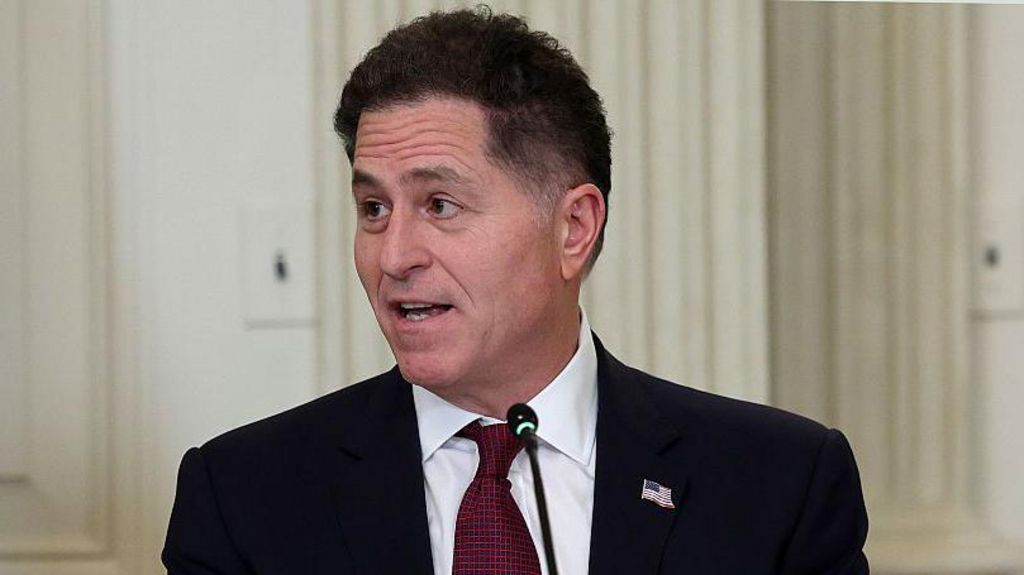
    In an unprecedented move within American philanthropy, technology magnate Michael Dell and his spouse Susan have pledged a monumental $6.25 billion donation. This initiative will directly benefit approximately 250 million children across the United States by providing seed funding for newly created investment accounts.