分类: business

  • China, US business communities urged to strengthen ties

    China, US business communities urged to strengthen ties

    In a significant address to bilateral business leaders, Chinese Ambassador to the United States Xie Feng has called for strengthened economic cooperation between the world’s two largest economies. Speaking at the China-US Business Cooperation Forum in Washington on Thursday, the ambassador outlined a strategic vision for navigating current challenges while capitalizing on emerging opportunities.

    The forum, jointly organized by the China Council for the Promotion of International Trade and the Meridian International Center, provided a platform for discussing the complex economic relationship that has experienced both advancements and setbacks throughout the year. Ambassador Xie emphasized that executive leadership from both nations have been actively seeking clarity on how to interpret and advance this crucial relationship in what he termed a ‘new era.’

    Central to the ambassador’s optimistic outlook was the stabilizing influence of head-of-state diplomacy. ‘The personal commitment of President Xi Jinping and President Trump to stabilizing bilateral relations has injected precious certainty into our economic cooperation,’ Xie stated, noting this development has been particularly reassuring to business communities unsettled by recent tensions.

    The diplomatic calendar appears promising, with President Trump scheduled to visit China in April next year and having extended an invitation for President Xi to visit the United States. This continued high-level engagement is expected to serve as ‘the anchor of China-US relations’ moving forward.

    Xie also highlighted China’s forthcoming 15th Five-Year Plan (2026-30), which emphasizes high-quality development, enhanced innovation capabilities, and cultivation of new productive forces. The plan advances China’s commitment to high-standard institutional opening and creates expanded space for two-way investment. By 2035, projections indicate China’s middle-income population will grow to 700-800 million people, presenting substantial market opportunities.

    The year 2026 promises unprecedented cooperative potential, with China hosting the APEC Economic Leaders’ Meeting in Shenzhen while the United States convenes the G20 Summit during the same period.

    Ambassador Xie proposed a practical framework centered on ‘three lists’ to guide business engagement: expanding dialogue through existing consultation mechanisms and platforms like the China International Import Expo; identifying new cooperation areas in emerging sectors such as renewable energy, advanced materials, aviation, aerospace, and low-altitude economy; and constructively addressing problems based on facts rather than ideological framing.

    The ambassador concluded by urging US business leaders to help counter misinformation and prevent disruptions that could undermine confidence in the bilateral economic partnership, while simultaneously calling on the US government to provide ‘a fair, just and non-discriminatory environment’ for Chinese enterprises operating in America.

  • IndiGo asked to clear refunds for cancelled flights by December 7

    IndiGo asked to clear refunds for cancelled flights by December 7

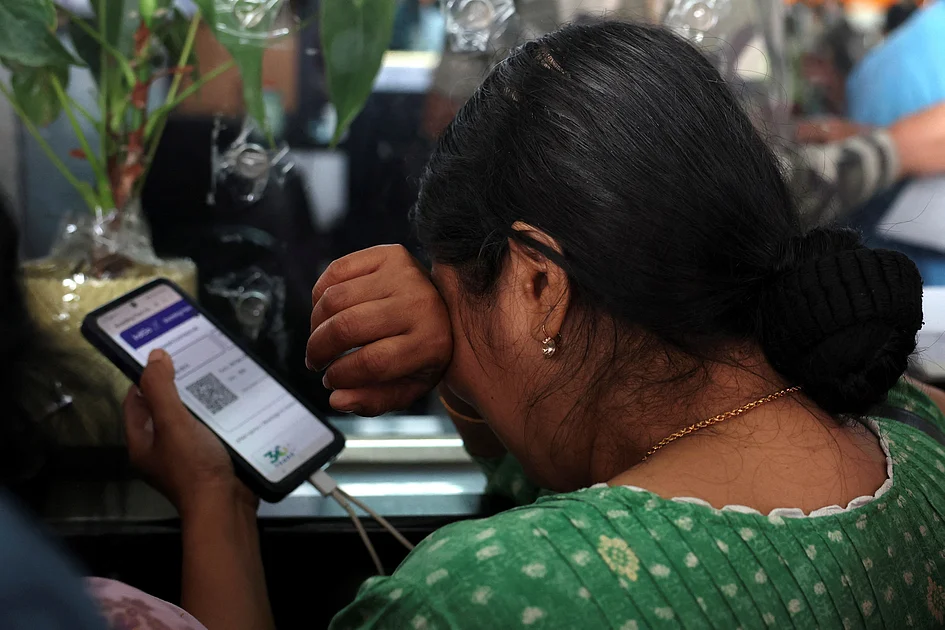
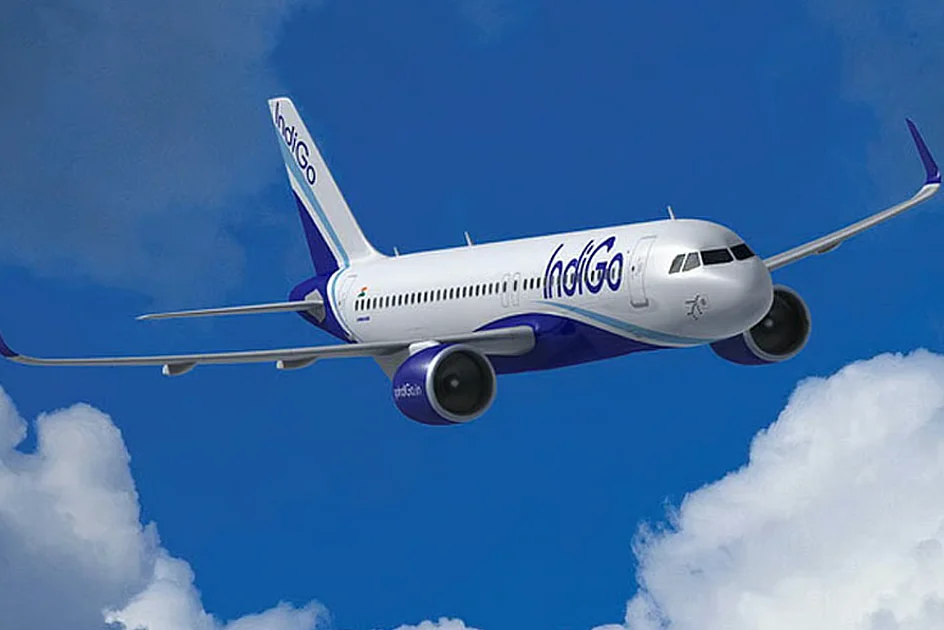
    India’s Ministry of Civil Aviation has issued a strict directive to IndiGo Airlines, requiring the carrier to process all outstanding passenger refunds for canceled or disrupted flights by 8:00 PM on December 7, 2025. The regulatory mandate comes as part of comprehensive measures addressing recent operational challenges that have significantly impacted air travelers.

    The ministry has explicitly prohibited airlines from imposing rescheduling charges on affected passengers, with non-compliance triggering potential regulatory actions. Authorities have instructed IndiGo to establish specialized passenger support and refund processing units, implement proactive customer outreach initiatives, and maintain automated refund systems until normal operations resume.

    Additional requirements include expedited baggage reconciliation services, with directives mandating home delivery of separated luggage within 48 hours of identification. The ministry emphasized enhanced oversight mechanisms to prevent passenger inconveniences, particularly prioritizing vulnerable groups including senior citizens, differently-abled travelers, and passengers with urgent travel requirements.

    In response to the governmental directive, IndiGo has committed to processing automatic refunds for all cancellations made between December 5 and December 15, 2025, directly to customers’ original payment methods. The airline has implemented a full waiver policy for cancellation and rescheduling requests during this period.

    IndiGo CEO Pieter Elbers previously issued a video apology to customers on Friday evening, outlining a three-pronged strategy to address the ongoing operational crisis. Concurrently, the Ministry of Civil Aviation has imposed fare caps on competing airlines to prevent price gouging amid reduced flight availability, after reports emerged of exorbitant last-minute booking charges during the disruption period.

  • Dubai residents save up to Dh1,600 by timing purchases as DSF deals kick off

    Dubai residents save up to Dh1,600 by timing purchases as DSF deals kick off

    Dubai consumers are demonstrating remarkable financial acumen by strategically timing their purchases to maximize savings during the ongoing Dubai Shopping Festival (DSF). With the festival extending through January, residents have adopted a calculated approach to shopping, deliberately postponing acquisitions for months in anticipation of substantial discounts.

    At Deira City Centre, early festival activity reveals sophisticated consumer behavior. Ahmed El Sayed, an Egyptian sales executive, exemplifies this trend, having deferred perfume purchases since September. His planned acquisition of twelve fragrance bottles demonstrates the financial wisdom of waiting—projected savings exceed Dh1,500, reducing his total expenditure from approximately Dh3,600 to Dh2,000.

    The pattern continues with Asif Sheikh, an Indian accountant from Al Qusais, who meticulously tracked winter apparel prices since autumn. His patience yields approximately Dh400 in savings on jackets originally priced at Dh260, now available for Dh140. Similarly, businessman Shaver Hussain anticipates 50% reductions on athletic footwear, expecting prices to drop from Dh480 to Dh240 during the festival period.

    Retail staff report increasing inquiries about upcoming promotions and item reservations, indicating heightened consumer awareness despite the festival’s early stage. Many shoppers are synchronizing their purchasing strategies with winter travel plans, intending to distribute acquisitions across the festival’s duration while preparing for international visits and family gift-giving.

    The demonstrated savings range from hundreds to over Dh1,600 dirhams per shopper, highlighting how strategic purchasing during DSF provides substantial financial benefits for Dubai residents.

  • Watch: Widow with husband’s casket among passengers stranded amid IndiGo cancellations

    Watch: Widow with husband’s casket among passengers stranded amid IndiGo cancellations

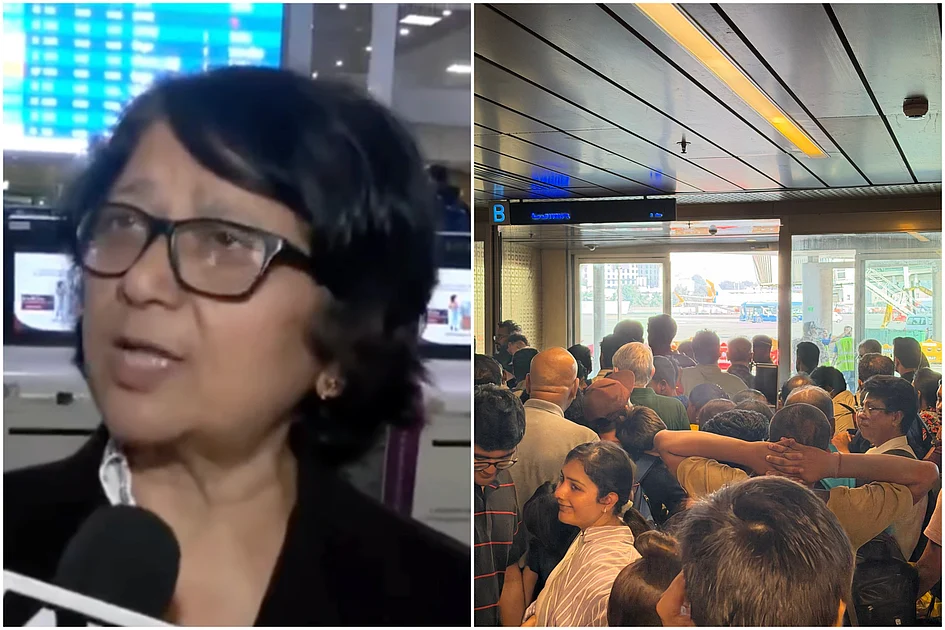
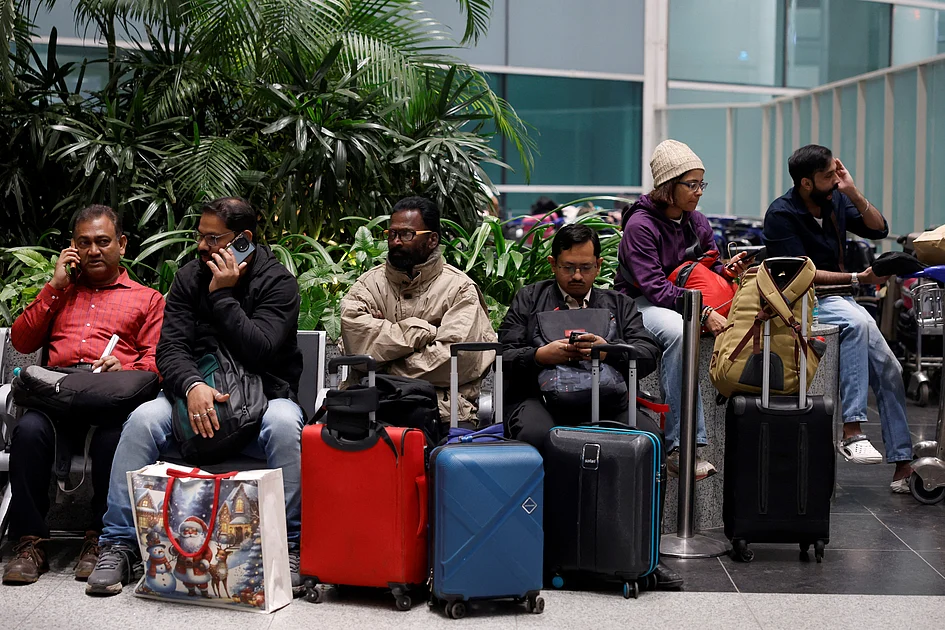
    India’s aviation sector faces mounting criticism as IndiGo’s operational crisis enters its fifth day, culminating in over 400 flight cancellations that have stranded thousands of passengers across major airports. The situation has escalated from mere travel inconvenience to profound human tragedy, with one particularly heartbreaking case emerging from Guwahati’s Lokpriya Gopinath Bordoloi International Airport.

    A widow from Shillong found herself trapped in the travel chaos while transporting her husband’s embalmed body to Kolkata for burial. Speaking with measured composure that barely concealed her distress, she revealed the critical time sensitivity of her situation: “I have come all the way from Shillong to transport my husband’s body. Until now, we have no information whether their flight is going to take off or not.” The embalmed body has a 48-hour window set to expire on Sunday at 4pm, raising urgent questions about responsibility and accountability.

    Social media platforms have become the primary documentation channel for the widespread disruption. Viral videos from multiple airports show chaotic scenes with frustrated passengers demanding answers from severely understaffed airport personnel. At Hyderabad Airport, travelers noted that proactive communication could have mitigated the situation, while at Mumbai Airport, passengers reported being shuffled between gates with conflicting information and repeated false boarding announcements.

    One Reddit user detailed their experience on a New Delhi to Mumbai flight delayed over three hours: “The delay itself wasn’t even the main problem. The issue was how badly they handled it. They shifted us from Gate 23 to Gate 40, made us wait for almost an hour at both places, and kept displaying the wrong information. Every 20 minutes there was the same announcement ‘We are about to board.’ They were so understaffed… literally one employee was handling everything.”

    The crisis has sparked outrage on social media platforms, with users directly tagging India’s Ministry of Civil Aviation and Directorate General of Civil Aviation demanding accountability. Critics highlight the airline’s apparent disregard for passenger welfare and the absence of effective contingency planning. IndiGo has indicated that normal operations might resume by February 10, though this offers little consolation to those currently affected by what has become both an operational failure and a human rights concern.

  • India caps flight fares after other airlines quote sky-high prices amid IndiGo crisis

    India caps flight fares after other airlines quote sky-high prices amid IndiGo crisis

    The Indian aviation sector faced unprecedented turmoil this week as the country’s civil aviation ministry implemented emergency fare caps following widespread price gouging by airlines capitalizing on IndiGo’s operational crisis. With IndiGo canceling over 1,000 flights on Friday alone—marking the most severe disruption in the carrier’s 20-year history—competing airlines responded by implementing exorbitant fare increases that reached nearly ten times normal pricing levels.

    The Ministry of Civil Aviation invoked its regulatory authority to establish price ceilings on all affected routes, stating: “To protect passengers from opportunistic pricing, we have mandated strict adherence to prescribed fare caps until market stability returns. Our ministry will maintain continuous monitoring through real-time data coordination with all airlines.”

    Data from travel platform MakeMyTrip revealed shocking price disparities: SpiceJet economy fares from New Delhi to Bengaluru surged to Rs84,000 (approximately Dh3,429), while Air India’s one-stop flights to Hyderabad reached Rs62,000—both representing nearly tenfold increases over regular weekday fares. The Mumbai-Delhi route, typically priced at Rs6,000-8,000, skyrocketed to Rs25,000-40,000.

    The crisis triggered outrage among passengers and public figures alike. Bollywood actor Sonu Sood condemned the practice, stating: “Crisis isn’t a licence to profiteer. We need strict fare caps—no more than 1.5-2x—to protect common travelers.” Singer Rahul Vaidya disclosed paying Rs420,000 for last-minute Goa-Mumbai tickets, while actress Nia Sharma reported a Rs54,000 domestic fare.

    Air India clarified that since December 4th, it had proactively capped non-stop domestic economy fares, attributing the extreme pricing to complex multi-stop itineraries and cabin class combinations that evade technical capping mechanisms. The airline committed to adding capacity and working with third-party platforms to enhance oversight.

    Aviation authorities indicated the fare restrictions would remain until IndiGo恢复正常运营 between December 10-15, with additional train services being deployed to alleviate passenger backlogs across major Indian airports.

  • Economic Watch: Takaichi’s bold fiscal push hard to resolve Japan’s economic woes

    Economic Watch: Takaichi’s bold fiscal push hard to resolve Japan’s economic woes

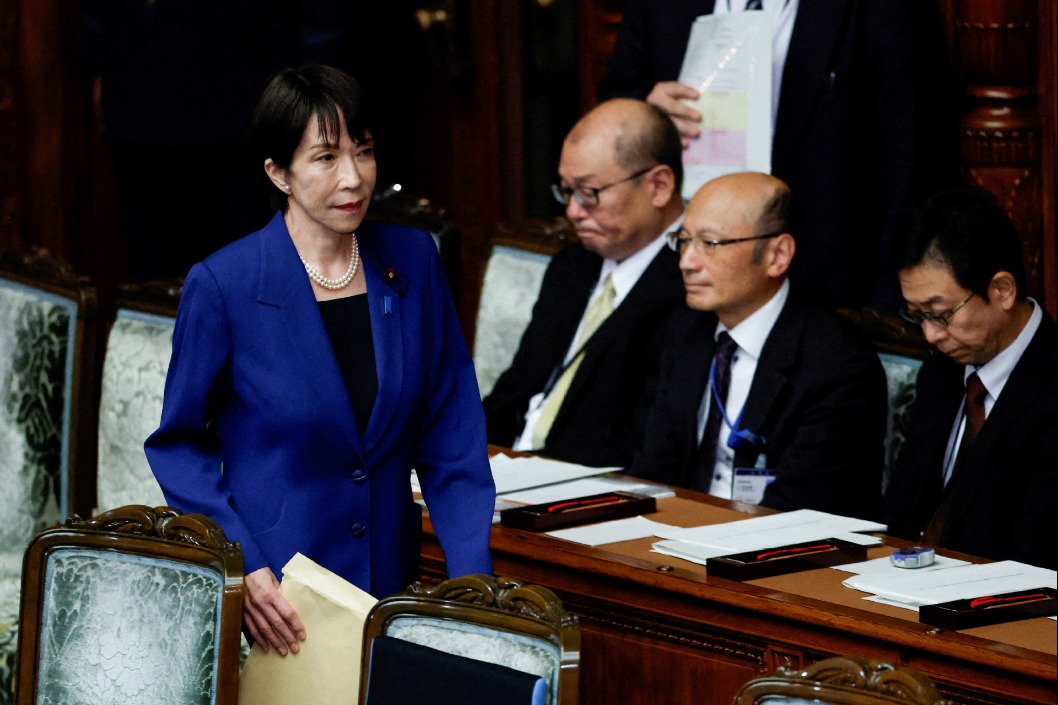
    Japanese Prime Minister Sanae Takaichi’s aggressive fiscal strategy is encountering intensified scrutiny as economic indicators signal persistent structural challenges. The Cabinet’s recent approval of an 18.3 trillion yen ($117 billion) supplementary budget for fiscal 2025, designed to fund extensive economic stimulus measures, has failed to alleviate concerns about the nation’s deepening economic vulnerabilities.

    Japan’s economic landscape continues to deteriorate with third-quarter 2025 data revealing an annualized contraction of 1.8 percent—the first negative growth in six quarters. This downturn coincides with mounting pressures from currency depreciation, with the yen sliding to approximately 157 against the U.S. dollar in November, representing its weakest valuation in ten months. Concurrently, inflationary pressures persist as October’s core consumer price index (excluding fresh food) climbed 3.0 percent year-on-year, exacerbating household financial strain.

    Analysts highlight the fundamental mismatch between Takaichi’s fiscal approach and current economic realities. While the Prime Minister advocates continuing the Abenomics framework of aggressive fiscal expansion and monetary easing, economists note that Japan’s economic environment has transformed significantly since the deflationary period that originally justified such policies. The Asahi Shimbun’s commentator Makoto Hara characterizes ‘Takaichinomics’ as ‘truly out of date’ in the current context of inflation and yen weakness.

    The stimulus package includes temporary relief measures such as gasoline tax elimination, expanded energy subsidies, child-focused cash transfers, and adjusted tax thresholds. However, critics argue these measures provide superficial relief without addressing underlying price dynamics, potentially exacerbating inflationary trends. Private research firm Teikoku Databank reports approximately 20,609 food items experienced price increases in 2025—a 65 percent surge from the previous year—with persistent inflation expected through 2026.

    Most alarmingly, Japan’s sovereign debt burden approaches 240 percent of GDP—the highest among advanced economies—with the new budget financing 11.7 trillion yen through additional bond issuance. This fiscal expansion has triggered bond market turbulence, with 10-year government bond yields reaching 1.95 percent on December 5, the highest level since July 2007. Market strategists predict further yield increases toward 2.0 percent, reflecting growing investor apprehension about fiscal sustainability.

    Financial experts warn that the administration’s reliance on debt financing creates vulnerability to interest rate fluctuations, while potentially triggering broader financial market instability. The continued decline in bond prices has already generated significant losses for institutional investors, underscoring the risks associated with the current fiscal trajectory.

  • Vice president of China’s PICC under probe

    Vice president of China’s PICC under probe

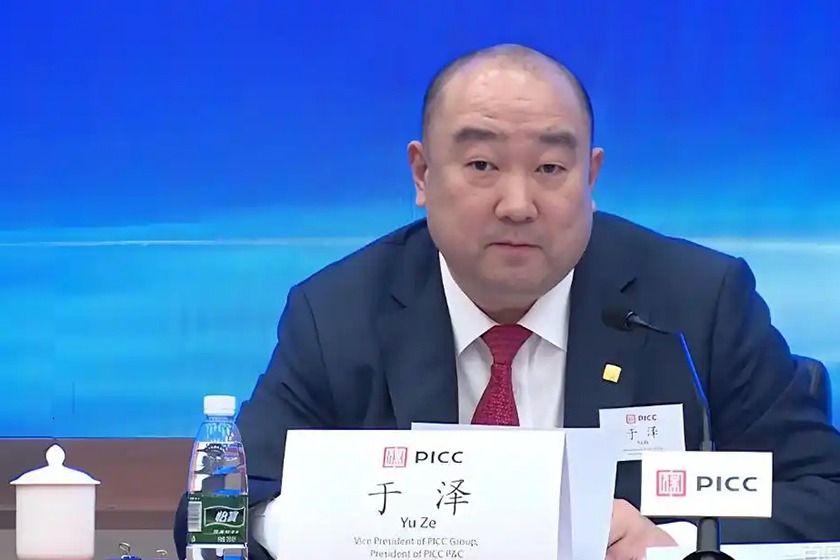
    China’s financial sector faces another integrity test as Yu Ze, vice president of state-owned insurance conglomerate People’s Insurance Company (Group) of China Limited (PICC), has been placed under formal investigation for suspected serious legal and disciplinary violations.

    The investigation, jointly conducted by the Communist Party of China Central Commission for Discipline Inspection and the National Commission of Supervision, was announced through an official statement released on Saturday, December 6, 2025. The probe targets alleged breaches of discipline regulations and laws, though specific details regarding the nature of the violations remain undisclosed.

    Yu’s investigation represents the latest development in China’s ongoing anti-corruption campaign that has consistently targeted high-ranking executives within state-owned enterprises. PICC, as one of China’s largest insurance providers with significant government backing, plays a crucial role in the country’s financial services ecosystem.

    The timing of this announcement coincides with increased regulatory scrutiny across China’s financial industry, where authorities have been emphasizing compliance and governance standards. Such investigations typically involve comprehensive reviews of the subject’s professional conduct, financial dealings, and adherence to party discipline requirements.

    This development may potentially impact investor confidence in Chinese financial institutions and could signal broader enforcement actions within the insurance sector. The case continues to unfold under the supervision of China’s top disciplinary bodies.

  • IndiGo cancels over 200 flights across Delhi, Mumbai as disruptions enter Day 5

    IndiGo cancels over 200 flights across Delhi, Mumbai as disruptions enter Day 5

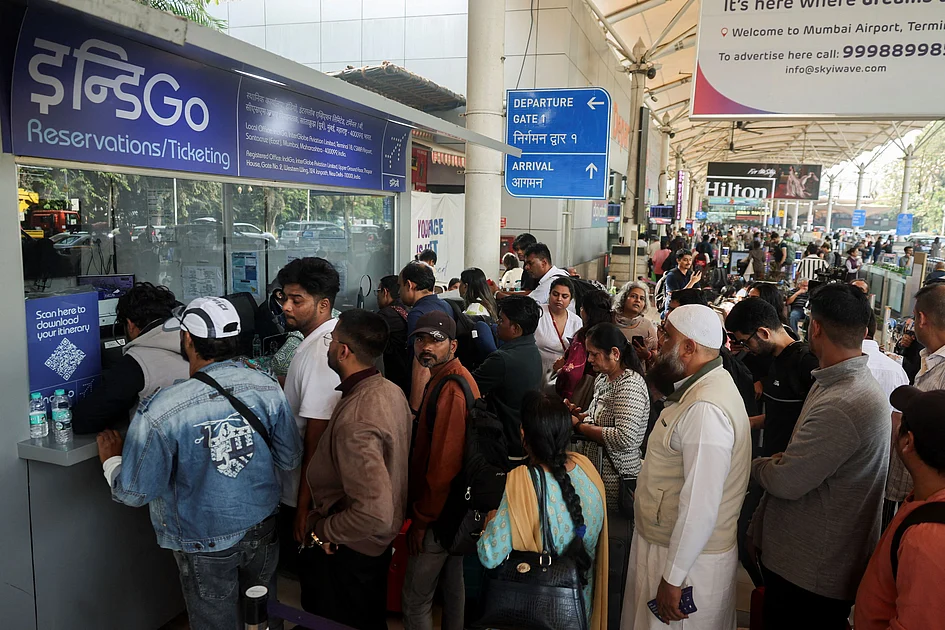
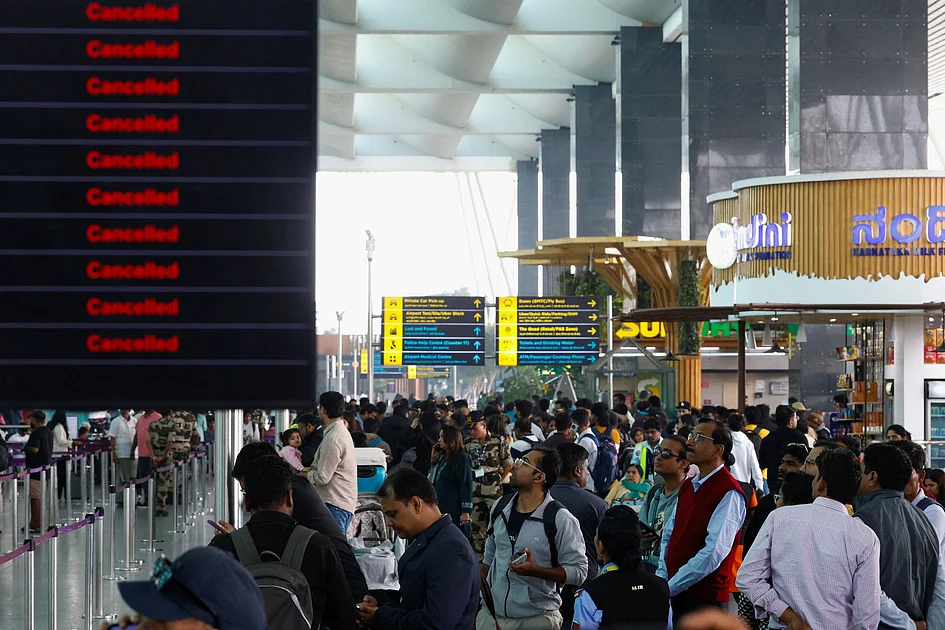
    India’s aviation sector faces mounting operational challenges as IndiGo, the nation’s largest carrier, entered its fifth consecutive day of severe flight disruptions. Major aviation hubs including Delhi, Mumbai, and Hyderabad reported extensive cancellations totaling hundreds of flights, creating widespread travel chaos and passenger inconvenience.

    Delhi’s Indira Gandhi International Airport witnessed 106 cancelled IndiGo operations—comprising 54 departures and 52 arrivals—according to official advisories released early Saturday. Mumbai’s Chhatrapati Shivaji Maharaj International Airport reported even more significant disruptions, with 109 flights (51 arrivals and 58 departures) cancelled by 9:00 AM local time.

    The southern hub of Hyderabad experienced substantial ripple effects, with GMR Hyderabad International Airport confirming 69 IndiGo cancellations involving 26 incoming and 43 outgoing flights. This operational meltdown persists despite the airline’s earlier assurances that services were ‘steadily resuming’ following what industry analysts identify as an acute pilot shortage crisis.

    Aviation authorities have issued updated advisories urging passengers to verify flight statuses before proceeding to airports. While Delhi Airport officials noted that IndiGo’s operations are ‘getting back to normal,’ the continued scale of disruptions suggests deeper systemic challenges within the carrier’s operational framework. The situation highlights the fragile nature of airline operations and their vulnerability to staffing crises, affecting both domestic connectivity and potentially international travel circuits.

  • IndiGo passengers left in tears as massive flight cancellations cost some their jobs

    IndiGo passengers left in tears as massive flight cancellations cost some their jobs

    Ahmedabad’s Sardar Vallabhbhai Patel International Airport descended into chaos on December 6, 2025, as IndiGo’s nationwide operational collapse triggered emotional scenes among stranded passengers. The airline cancelled 19 flights between midnight and 6 AM alone, creating unprecedented congestion and despair among travelers facing irreversible professional consequences.

    The human impact became starkly evident through Mahrishi Jani’s devastating account. His six-member team, selected for the prestigious Smart India Hackathon 2025 after months of preparation, saw their opportunity vanish due to flight cancellations. ‘Our hard work of 6-7 months is now wasted,’ Jani lamented to reporters, highlighting the absence of alternative transportation to reach Guwahati in time for the competition.

    International traveler Ikhlaq Hussain echoed the frustration, stranded for two days despite having completed his journey from Jeddah. The crisis extended across multiple airports, with Bengaluru-bound passengers from Jodhpur reporting complete communication breakdowns with the airline. One distressed traveler noted, ‘No one from IndiGo is providing any answers. I have been standing here since morning.’

    The regulatory landscape complicated matters as India’s Directorate General of Civil Aviation (DGCA) suspended its Flight Duty Time Limitations (FDTL) orders indefinitely. This unprecedented move followed days of escalating disruptions within IndiGo’s operations.

    In response, the Ministry of Civil Aviation issued urgent directives mandating immediate stabilization measures. Airlines must now guarantee automatic refunds for cancelled flights, provide hotel accommodations for stranded passengers, and ensure special provisions for elderly travelers. A 24/7 government control room has been established to monitor the situation, with officials promising full normalization within coming days.

    The ministry emphasized that ‘the Central Government is fully alert to the woes of air passengers,’ implementing rule exemptions and constant stakeholder consultations to resolve the crisis.

  • IndiGo flights ‘steadily resuming’ after over 1,000 cancellations

    IndiGo flights ‘steadily resuming’ after over 1,000 cancellations

    Aviation operations for India’s largest carrier IndiGo are progressively returning to normalcy after experiencing one of its most severe operational crises in recent history. The airline confirmed Friday, December 5th, 2025, marked its worst disruption day with well over 1,000 flight cancellations, creating widespread travel chaos across Indian airports.

    Delhi International Airport issued an official advisory confirming that IndiGo’s services are ‘steadily resuming’ and ‘getting back to normal.’ The airport authority strongly recommended that passengers verify their flight status through official channels before proceeding to airport terminals. Real-time flight updates remain accessible via the airport’s website and direct communication with airlines.

    The unprecedented cancellations prompted intervention from India’s Civil Aviation Ministry, with Minister Ram Mohan Naidu identifying the root cause as IndiGo’s inadequate handling of crew scheduling during the implementation of new Flight Duty Time Limitations (FDTL) regulations. Notably, competing carriers including Air India and SpiceJet had successfully adapted to the revised aviation guidelines issued by the Directorate General of Civil Aviation (DGCA).

    In response to the crisis, IndiGo CEO Peter Elbers issued a video apology acknowledging the severe inconvenience caused to passengers. Elbers projected a full operational normalization timeline between December 10-15, indicating several more days of residual disruption might affect travel plans. The ministry has granted IndiGo temporary regulatory flexibility regarding FDTL compliance to facilitate smoother recovery operations.

    The massive disruption highlighted systemic vulnerabilities in airline crew management and regulatory adaptation processes, raising questions about operational preparedness within India’s rapidly expanding aviation sector.