分类: business

  • Beijing’s Daxing airport sets a new record in passenger trips

    Beijing’s Daxing airport sets a new record in passenger trips

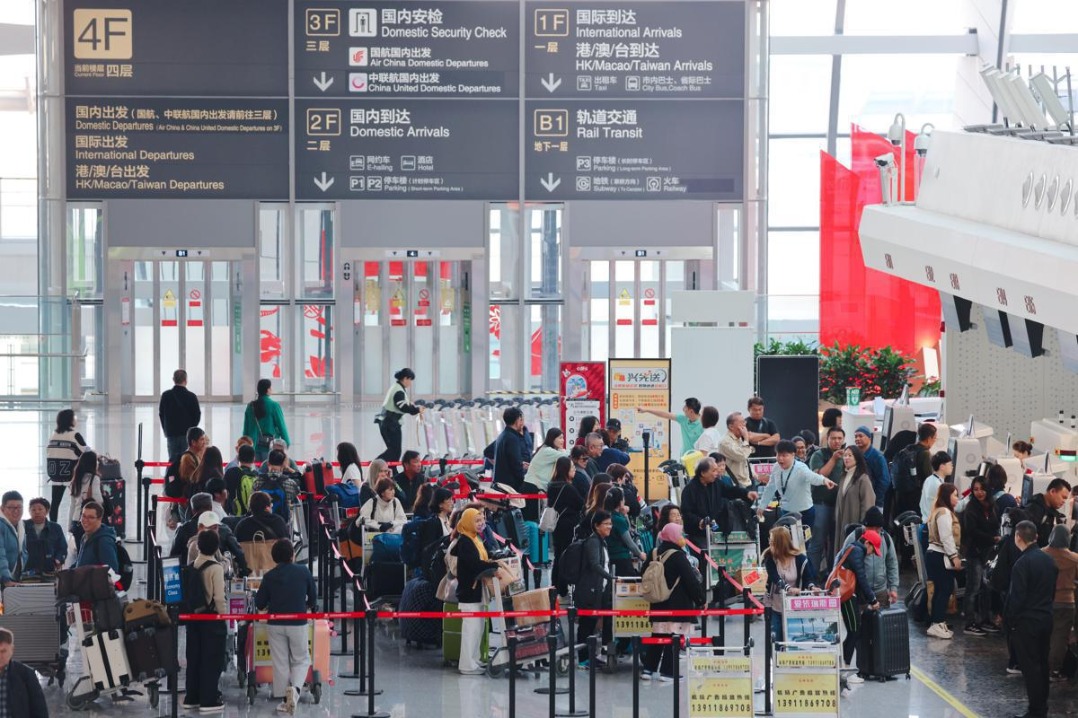
    Beijing Daxing International Airport has achieved a significant aviation milestone, recording over 50 million passenger trips in a single year for the first time since its inauguration in 2019. The airport announced on Sunday that as of December 6, 2025, it had handled 50.08 million passengers with 322,500 flight operations throughout the year, representing an 8.41% increase compared to the same period in 2024.

    The aviation hub demonstrated particularly strong growth in international traffic, with nearly 5.5 million international and regional passengers representing a substantial 25.39% year-on-year increase. This performance marks a remarkable achievement for the six-year-old facility, which has now facilitated over 193 million passenger journeys and more than 1.41 million flights since operations commenced.

    The airport’s expanding connectivity has been instrumental in driving this growth. Currently hosting 70 domestic and international airlines, Daxing offers nearly 190 routes connecting to approximately 180 destinations across 25 countries throughout Asia, Europe, and Africa. This year witnessed the launch and resumption of several key international routes, including services to Casablanca, Bandar Seri Begawan, Ho Chi Minh City, Dushanbe, and Muscat.

    Chinese carriers including China Southern, China Eastern, Xiamen Air, and China United have initiated over 30 international through-flight services from Daxing. The airport has enhanced passenger convenience through inter-airline through-check services for international routes, enabling seamless baggage transfer and single-ticket journeys. From January to November, international transfer passengers exceeded 840,000, with 78% utilizing these streamlined through-check services.

    To support the increasing passenger volume, the airport has implemented several traveler-focused improvements including expedited security screening lanes, expanded flight options, and enhanced transportation connections to urban centers. Additional passenger services such as specialized assistance for elderly travelers and cultural exhibitions have further enriched the travel experience.

    The management has committed to continuing these enhancements, focusing on maintaining the airport’s trajectory of growth while improving service quality for all passengers.
  • UAE-India airfares surge up to Dh700 due to IndiGo cancellations, peak travel demand

    UAE-India airfares surge up to Dh700 due to IndiGo cancellations, peak travel demand

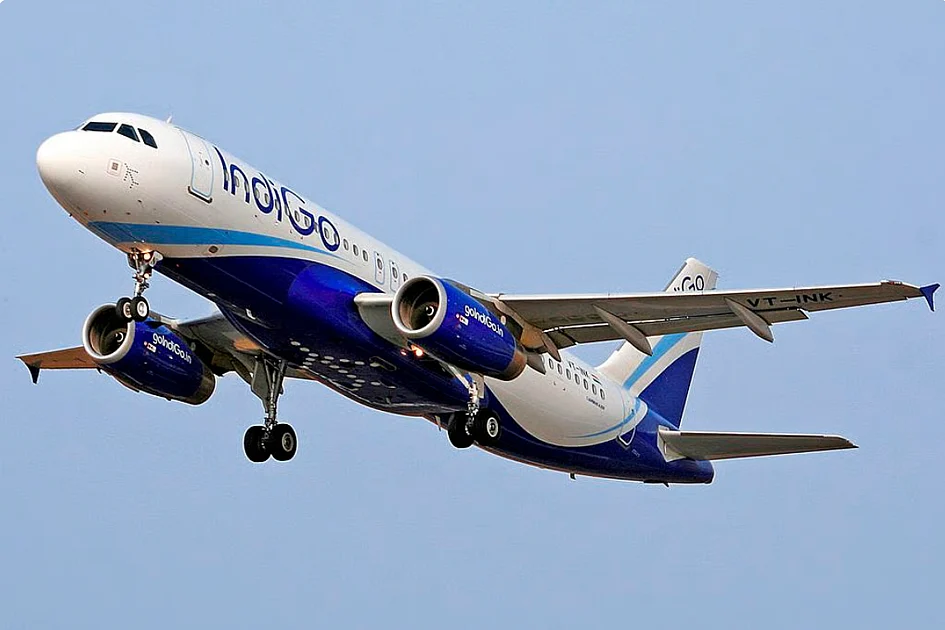
    A perfect storm of operational disruptions and seasonal demand has created a severe airfare crisis on the vital UAE-India travel corridor, with ticket prices skyrocketing by up to 25% and adding approximately Dh700 to travel costs. The situation has been primarily triggered by widespread flight cancellations and scheduling irregularities from IndiGo, India’s largest carrier, which normally operates over 220 weekly flights between the two countries and commands the dominant market share on this route.

    The convergence of these operational challenges with the peak winter travel season—coinciding with school holidays and increased tourism activity—has created unprecedented pressure on available seat capacity. Industry executives confirm that fares have surged dramatically across all major routes, with the Dubai-Delhi sector experiencing particularly severe increases, reaching as high as Dh2,880 for upcoming weekend travel.

    According to Avinash Adnani, Managing Director of Neo Travels and Tourism, the uncertainty surrounding IndiGo’s schedule has compelled passengers to seek alternatives on other carriers, consequently driving up prices across the board. ‘Travellers are demonstrating willingness to pay premium fares to ensure timely arrivals, creating a demand-supply imbalance that carriers are capitalizing on,’ Adnani explained.

    The crisis has disproportionately affected travel to Tier-2 Indian cities, where IndiGo maintains approximately 60% market share. Destinations such as Kochi and Thiruvananthapuram have witnessed fare increases exceeding 30% during peak travel windows, as fewer alternative carriers service these routes. The disruption has created a domino effect, complicating domestic connections that typically begin with international arrivals into major hubs like Delhi and Mumbai.

    Industry analysts project varying timelines for normalization. Adil Tanrıverdi, CEO of Tripventura Tourism, anticipates that if IndiGo resolves its aircraft availability issues within 4-6 weeks, fares could stabilize by late January. However, extended operational challenges might push meaningful recovery to February or March, as competing carriers would require 60-90 days to materially increase capacity and impact pricing structures.

    Travel experts advise passengers to maintain flexibility in their plans, consistently monitor flight status updates, and consider rescheduling non-urgent travel to avoid the current price peaks. The situation remains fluid, with industry stakeholders closely monitoring IndiGo’s progress in restoring regular operations.

  • IndiGo restores 95% of flights after week of cancellations

    IndiGo restores 95% of flights after week of cancellations

    India’s aviation sector witnesses operational stabilization as budget carrier IndiGo announces restoration of 95% flight connectivity following severe network disruptions that plagued the first week of December. The airline confirmed operating approximately 700 flights across 113 destinations on December 5th, characterizing the measure as a strategic ‘network reboot’ to reset systems and crew rosters.

    By December 6th, the carrier progressed toward operating over 1,500 daily flights, successfully reinstating services to 135 of its 138 destinations. The operational crisis had previously stranded tens of thousands of passengers nationwide, creating airport chaos and exhausting frontline personnel.

    In an official statement released via social media platform X, the airline acknowledged the substantial trust deficit created among travelers while expressing commitment to rebuilding passenger confidence. Management extended gratitude to governmental authorities, aviation partners, and ground staff for their support during the critical operational recalibration.

    The airline’s communication emphasized early signs of system improvement while recognizing the ongoing journey toward complete operational normalization. Industry analysts monitor the situation closely given IndiGo’s dominant market share in India’s rapidly expanding aviation sector, where operational reliability directly impacts national economic activity and passenger mobility.

  • India aviation regulator issues show-cause notice to IndiGo CEO over flight disruptions

    India aviation regulator issues show-cause notice to IndiGo CEO over flight disruptions

    India’s aviation authority has taken formal action against the country’s largest carrier following days of operational chaos that stranded thousands of passengers nationwide. The Directorate General of Civil Aviation (DGCA) issued a show-cause notice to IndiGo CEO Pieter Elbers on December 6, demanding an explanation within 24 hours regarding widespread flight cancellations and delays.

    The regulatory body identified systemic failures in the airline’s preparedness for newly implemented Flight Duty Time Limitations (FDTL) requirements as the primary cause of the disruptions. According to the DGCA’s findings, IndiGo demonstrated ‘significant lapses in planning, oversight and resource management’ that constitute apparent violations of Aircraft Rules (Rule 42A) and Civil Aviation Requirements governing crew duty periods and rest provisions.

    Beyond operational shortcomings, the regulator cited passenger care deficiencies, noting the airline failed to provide mandated information and facilities to affected travelers following cancellations and delays. The notice specifically references violations of passenger rights regulations under CAR provisions.

    The aviation crisis emerged following the implementation of revised FDTL norms established by DGCA last year, which triggered an unexpected shortage of available pilots and cabin crew. Operational data from major airports reveals the scale of disruptions: Hyderabad recorded 69 cancellations, Delhi’s GMR-operated facility saw 86 IndiGo flights canceled, while Ahmedabad and Kolkata airports reported 59 and 41 cancellations respectively.

    In response to the mounting crisis, IndiGo issued a public apology on Sunday, acknowledging operational challenges while emphasizing recovery efforts. The airline stated it had operated approximately 700 flights connecting 113 destinations recently and was progressing toward operating over 1,500 daily flights. The carrier claims to have restored 95% of network connectivity, serving 135 of its 138 destinations.

  • India aviation watchdog sends notice to IndiGo, demands explanation in 24 hours

    India aviation watchdog sends notice to IndiGo, demands explanation in 24 hours

    India’s aviation authority has issued a stringent 24-hour ultimatum to budget carrier IndiGo, demanding comprehensive explanations for widespread operational failures that triggered massive flight cancellations affecting thousands of passengers. The Directorate General of Civil Aviation (DGCA) escalated regulatory pressure by establishing a specialized four-member investigative committee to conduct urgent review proceedings.

    The newly formed committee will scrutinize multiple operational aspects including crew management protocols, systemic preparedness, and adherence to recently implemented Flight Duty Time Limitations (FDTL) regulations. This regulatory intervention follows the Indian Civil Aviation Ministry’s earlier announcement initiating high-level inquiries into the airline’s service collapse.

    Government authorities emphasized the investigation will pinpoint operational deficiencies, establish accountability structures, and implement preventive mechanisms to safeguard against future disruptions. The ministry’s statement highlighted passenger protection as paramount, vowing to ensure travelers avoid similar operational hardships moving forward.

    The aviation crisis represents one of India’s most significant domestic airline operational failures in recent years, drawing intensified scrutiny toward the country’s largest carrier by market share. Industry analysts note the developments underscore growing regulatory concerns regarding operational reliability in India’s rapidly expanding aviation sector.

  • Photos: Passengers stranded as Indigo cancels hundreds of flights

    Photos: Passengers stranded as Indigo cancels hundreds of flights

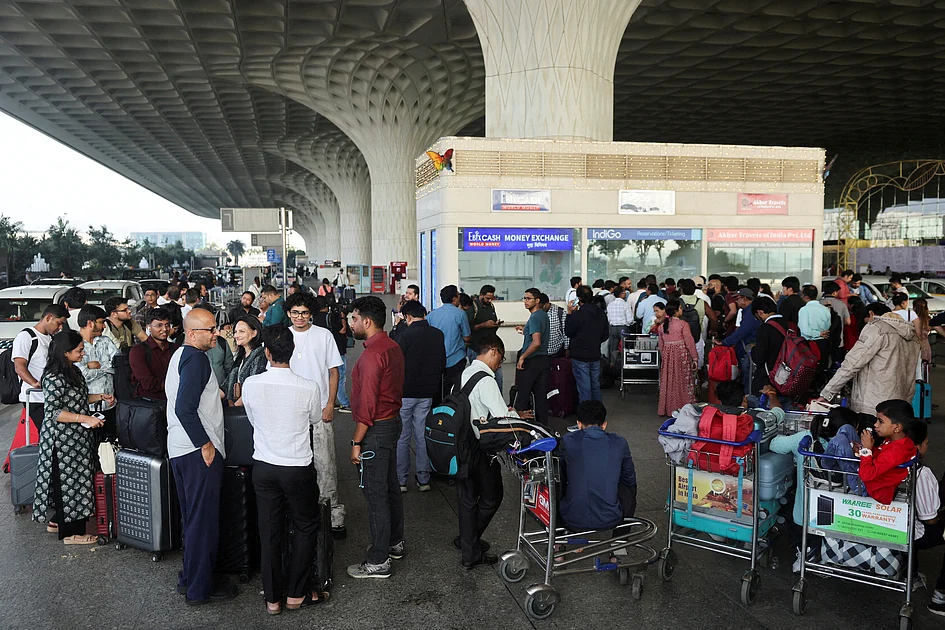
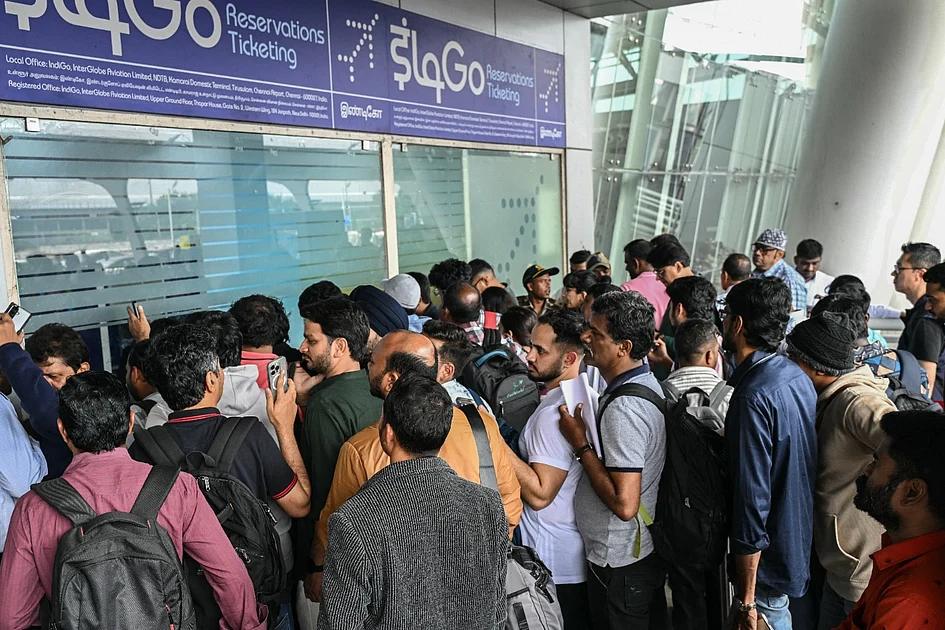
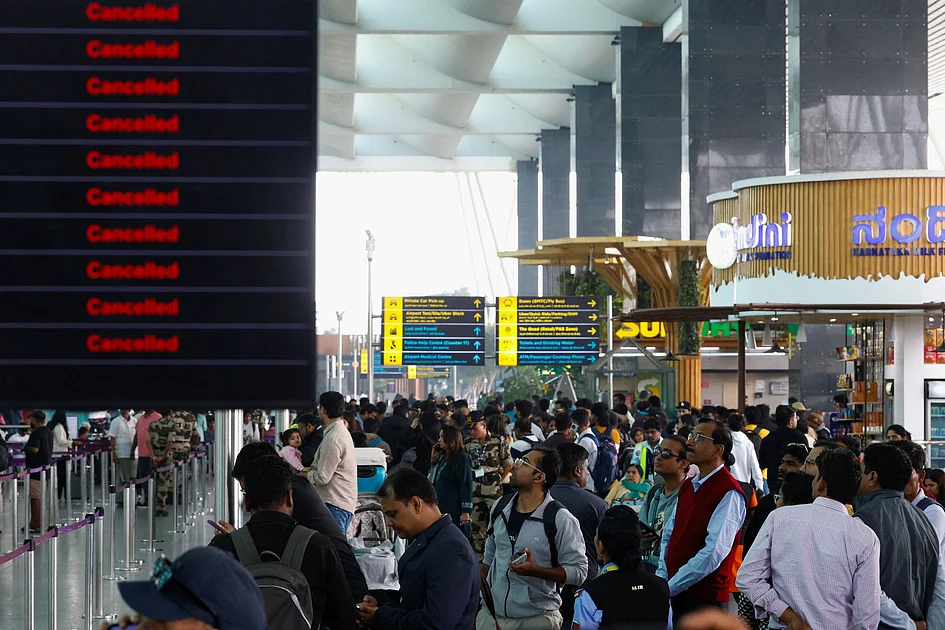
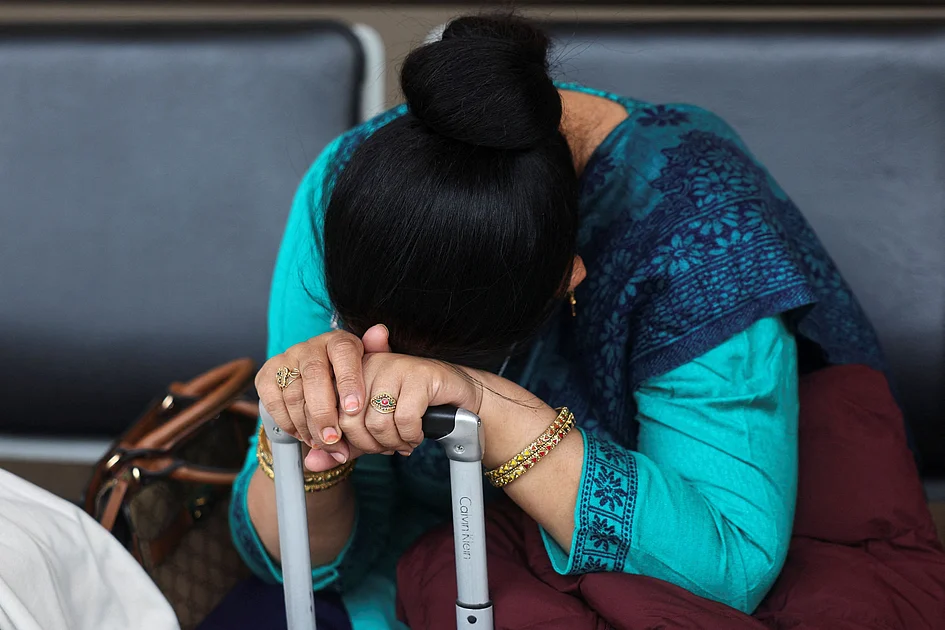
    India’s aviation sector faced significant disruption on December 6, 2025, as budget carrier IndiGo canceled hundreds of flights nationwide, leaving thousands of passengers stranded at airports. The mass cancellations created chaotic scenes at major aviation hubs including Delhi, Mumbai, and Bangalore, with travelers reporting minimal communication from airline staff regarding alternative arrangements.

    The unprecedented operational crisis emerged following what industry sources describe as a combination of technical issues and crew scheduling challenges. While the airline has not released an official statement detailing the root cause, aviation analysts suggest the cancellations may be linked to systemic operational vulnerabilities within India’s largest carrier by market share.

    Affected passengers took to social media to express frustration over the lack of timely information and inadequate support services. Many reported being unable to reach customer service representatives through official channels, while others complained about extended wait times at airport counters with limited resolution options.

    The disruption comes during a peak travel period, exacerbating the impact on both business and leisure travelers. Aviation authorities have reportedly stepped in to monitor the situation, with the Directorate General of Civil Aviation seeking a detailed report from the airline regarding the widespread cancellations and contingency measures being implemented.

    Industry experts note that such large-scale disruptions highlight the fragile nature of India’s aviation infrastructure and raise questions about operational preparedness among major carriers. The incident is expected to trigger renewed discussions about passenger rights and compensation frameworks within the country’s rapidly expanding aviation market.

  • California, Chinese businesses seek new partnerships

    California, Chinese businesses seek new partnerships

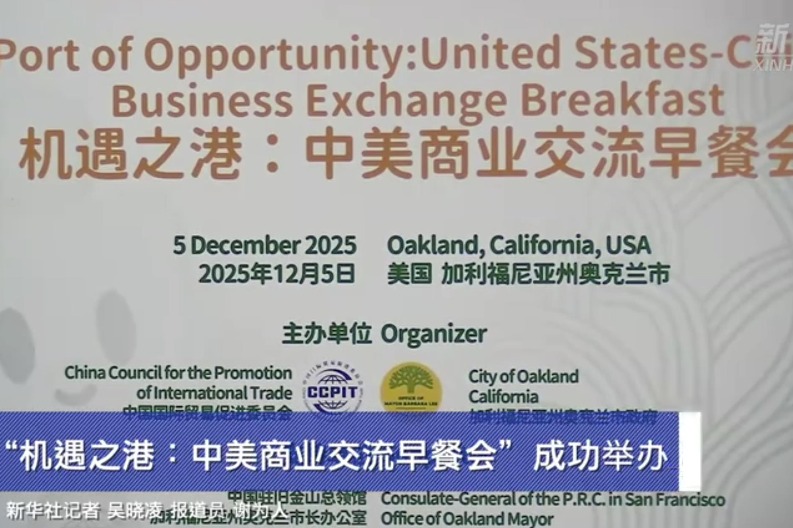
    Business leaders from China and California convened in Berkeley on Friday to explore strengthened trade relationships, focusing particularly on emerging economic sectors despite ongoing international diplomatic strains. The gathering, titled “Port of Opportunity: US-China Business Exchange Breakfast,” brought together a 25-company Chinese delegation representing finance, manufacturing, agriculture, logistics, aviation, healthcare, new energy and cultural industries with approximately 100 local business representatives and elected officials.

    Ren Hongbin, chairman of the China Council for the Promotion of International Trade, who led the Chinese delegation, pointed to recent diplomatic developments as grounds for optimism. He referenced the successful meeting between President Xi Jinping and President Trump in Busan, which he said “steered the cause of China-US relations at a critical juncture, providing reassurance to the business communities of both nations.” Ren emphasized that business communities should translate the important consensus reached by the two leaders into concrete actions and outcomes.

    Oakland Mayor Barbara Lee highlighted the significant economic implications for California, revealing that approximately three-quarters of all trade through the port last year was with Asia, with China accounting for 29 percent of the Port of Oakland’s total trade volume, maintaining its position as the port’s largest import partner. “Regardless of challenges and what’s happening in Washington DC, we have to stay very focused on who we are and what drives Oakland and what drives our economy and what drives the friendship between our two countries,” Lee stated.

    The mayor emphasized Oakland’s longstanding connections with China, including a decades-old sister city relationship with Dalian, and positioned the East Bay as a strategic partner for Chinese investment, particularly in agriculture, advanced manufacturing, logistics, technology and life sciences. She specifically highlighted opportunities in building the green economy as both China and the United States invest in clean energy, zero emission vehicles and port decarbonization.

    John Grubb, interim president and CEO of the Bay Area Council, noted that his member companies strongly believe in expanding global trade ties, with many being significant trading partners with China. He revealed that approximately a quarter of all trade between the United States and China actually occurs between California and China. Grubb characterized the relationship as experiencing “many tides”—some incredible and some challenging—but emphasized the importance of maintaining “the vessel and the bridges.”

    Ren identified strategic emerging industries as pivotal areas for collaboration, predicting that sectors including new energy, new materials, aerospace, biopharmacy and the low-altitude economy “will generate trillion-yuan level or even larger markets.” He cited the San Francisco Bay Area’s role as a global innovation hub, noting that companies like Apple, Intel and Nvidia have “actively expanded their business in China, contributing to China’s reform and opening up while reaping substantial rewards.”

    Chinese Consul General in San Francisco Zhang Jianmin emphasized that economic interdependence remains a “global reality,” noting that approximately two-thirds of all exports worldwide contain imported components and global supply chains account for about 70 percent of global trade. Zhang highlighted the China International Supply Chain Expo as a platform where Bay Area companies, including Apple and Nvidia, have been “active participants and direct beneficiaries,” enabling businesses to showcase products, match supply with demand and achieve greater synergy across global supply chains.

    Against the backdrop of slowing global economic growth, Zhang stressed that innovation and cooperation are more crucial than ever, noting that China’s substantial market and comprehensive industrial system complement the Bay Area’s innovation ecosystem, creating “tremendous potential for mutually beneficial cooperation.”

  • IndiGo flight cancellations: What caused disruption; timeline of events

    IndiGo flight cancellations: What caused disruption; timeline of events

    India’s aviation sector experienced unprecedented disruption during the first week of December 2025 as IndiGo, the nation’s largest carrier, canceled thousands of flights, creating nationwide travel chaos and prompting urgent regulatory response.

    The crisis began unfolding on December 2-3 with approximately 150 cancellations across major hubs including Delhi, Bengaluru, Hyderabad, and Mumbai. The situation reached critical levels on December 5 when over 1,000 flights—representing half of IndiGo’s operational capacity—were grounded in what CEO Pieter Elbers described as a necessary ‘reboot’ to realign crew and aircraft.

    IndiGo’s initial statement cited a perfect storm of contributing factors: minor technology glitches, winter schedule adjustments, adverse weather conditions, aviation system congestion, and newly implemented Flight Duty Time Limitations (FDTL) regulations. The airline acknowledged these elements created a ‘negative compounding impact’ that exceeded operational forecasting capabilities.

    The Directorate General of Civil Aviation (DGCA) intervened decisively, mandating fare stability measures and demanding comprehensive recovery plans. Regulatory scrutiny revealed insufficient staffing to manage disruption-related passenger volumes, prompting requirements for detailed crew recruitment strategies, training programs, and biweekly progress reports.

    Industry associations expressed sharp criticism, with the Airline Pilots’ Association of India questioning whether cancellations represented a ‘calculated strategy’ rather than operational necessity. The Federation of Indian Pilots highlighted inadequate roster planning ahead of the November 1 FDTL implementation, which included reduced night landing allowances and extended weekly rest periods.

    Government escalation resulted in the Ministry of Civil Aviation establishing a 24/7 control room and initiating high-level inquiry proceedings to determine accountability and prevent future occurrences. Regulatory directives required full refund processing by December 7 and prohibited rescheduling fees for affected passengers through December 15.

    Consumer protection measures expanded to include fare capping on alternate routes after reports of predatory pricing by competing carriers. IndiGo implemented extensive passenger support including automated refunds, fee waivers, hotel accommodations, ground transportation, and complimentary airport services.

    As operations gradually stabilized, Delhi Airport authorities confirmed services were ‘steadily resuming,’ with full normalization expected between December 10-15. The episode represents one of India’s most significant aviation disruptions, highlighting systemic vulnerabilities in crew management, regulatory implementation, and crisis response protocols.

  • China, US business communities urged to strengthen ties

    China, US business communities urged to strengthen ties

    In a significant address to bilateral business leaders, Chinese Ambassador to the United States Xie Feng has called for strengthened economic cooperation between the world’s two largest economies. Speaking at the China-US Business Cooperation Forum in Washington on Thursday, the ambassador outlined a strategic vision for navigating current challenges while capitalizing on emerging opportunities.

    The forum, jointly organized by the China Council for the Promotion of International Trade and the Meridian International Center, provided a platform for discussing the complex economic relationship that has experienced both advancements and setbacks throughout the year. Ambassador Xie emphasized that executive leadership from both nations have been actively seeking clarity on how to interpret and advance this crucial relationship in what he termed a ‘new era.’

    Central to the ambassador’s optimistic outlook was the stabilizing influence of head-of-state diplomacy. ‘The personal commitment of President Xi Jinping and President Trump to stabilizing bilateral relations has injected precious certainty into our economic cooperation,’ Xie stated, noting this development has been particularly reassuring to business communities unsettled by recent tensions.

    The diplomatic calendar appears promising, with President Trump scheduled to visit China in April next year and having extended an invitation for President Xi to visit the United States. This continued high-level engagement is expected to serve as ‘the anchor of China-US relations’ moving forward.

    Xie also highlighted China’s forthcoming 15th Five-Year Plan (2026-30), which emphasizes high-quality development, enhanced innovation capabilities, and cultivation of new productive forces. The plan advances China’s commitment to high-standard institutional opening and creates expanded space for two-way investment. By 2035, projections indicate China’s middle-income population will grow to 700-800 million people, presenting substantial market opportunities.

    The year 2026 promises unprecedented cooperative potential, with China hosting the APEC Economic Leaders’ Meeting in Shenzhen while the United States convenes the G20 Summit during the same period.

    Ambassador Xie proposed a practical framework centered on ‘three lists’ to guide business engagement: expanding dialogue through existing consultation mechanisms and platforms like the China International Import Expo; identifying new cooperation areas in emerging sectors such as renewable energy, advanced materials, aviation, aerospace, and low-altitude economy; and constructively addressing problems based on facts rather than ideological framing.

    The ambassador concluded by urging US business leaders to help counter misinformation and prevent disruptions that could undermine confidence in the bilateral economic partnership, while simultaneously calling on the US government to provide ‘a fair, just and non-discriminatory environment’ for Chinese enterprises operating in America.

  • IndiGo asked to clear refunds for cancelled flights by December 7

    IndiGo asked to clear refunds for cancelled flights by December 7

    India’s Ministry of Civil Aviation has issued a strict directive to IndiGo Airlines, requiring the carrier to process all outstanding passenger refunds for canceled or disrupted flights by 8:00 PM on December 7, 2025. The regulatory mandate comes as part of comprehensive measures addressing recent operational challenges that have significantly impacted air travelers.

    The ministry has explicitly prohibited airlines from imposing rescheduling charges on affected passengers, with non-compliance triggering potential regulatory actions. Authorities have instructed IndiGo to establish specialized passenger support and refund processing units, implement proactive customer outreach initiatives, and maintain automated refund systems until normal operations resume.

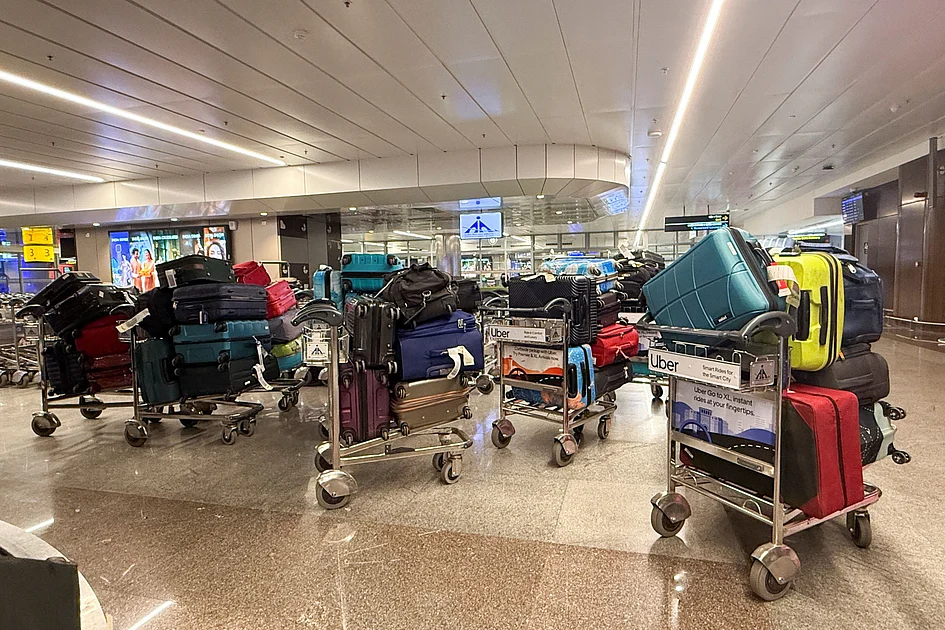
    Additional requirements include expedited baggage reconciliation services, with directives mandating home delivery of separated luggage within 48 hours of identification. The ministry emphasized enhanced oversight mechanisms to prevent passenger inconveniences, particularly prioritizing vulnerable groups including senior citizens, differently-abled travelers, and passengers with urgent travel requirements.

    In response to the governmental directive, IndiGo has committed to processing automatic refunds for all cancellations made between December 5 and December 15, 2025, directly to customers’ original payment methods. The airline has implemented a full waiver policy for cancellation and rescheduling requests during this period.

    IndiGo CEO Pieter Elbers previously issued a video apology to customers on Friday evening, outlining a three-pronged strategy to address the ongoing operational crisis. Concurrently, the Ministry of Civil Aviation has imposed fare caps on competing airlines to prevent price gouging amid reduced flight availability, after reports emerged of exorbitant last-minute booking charges during the disruption period.