分类: business

  • Japan revises economic data to show bigger contraction in July-September period

    Japan revises economic data to show bigger contraction in July-September period

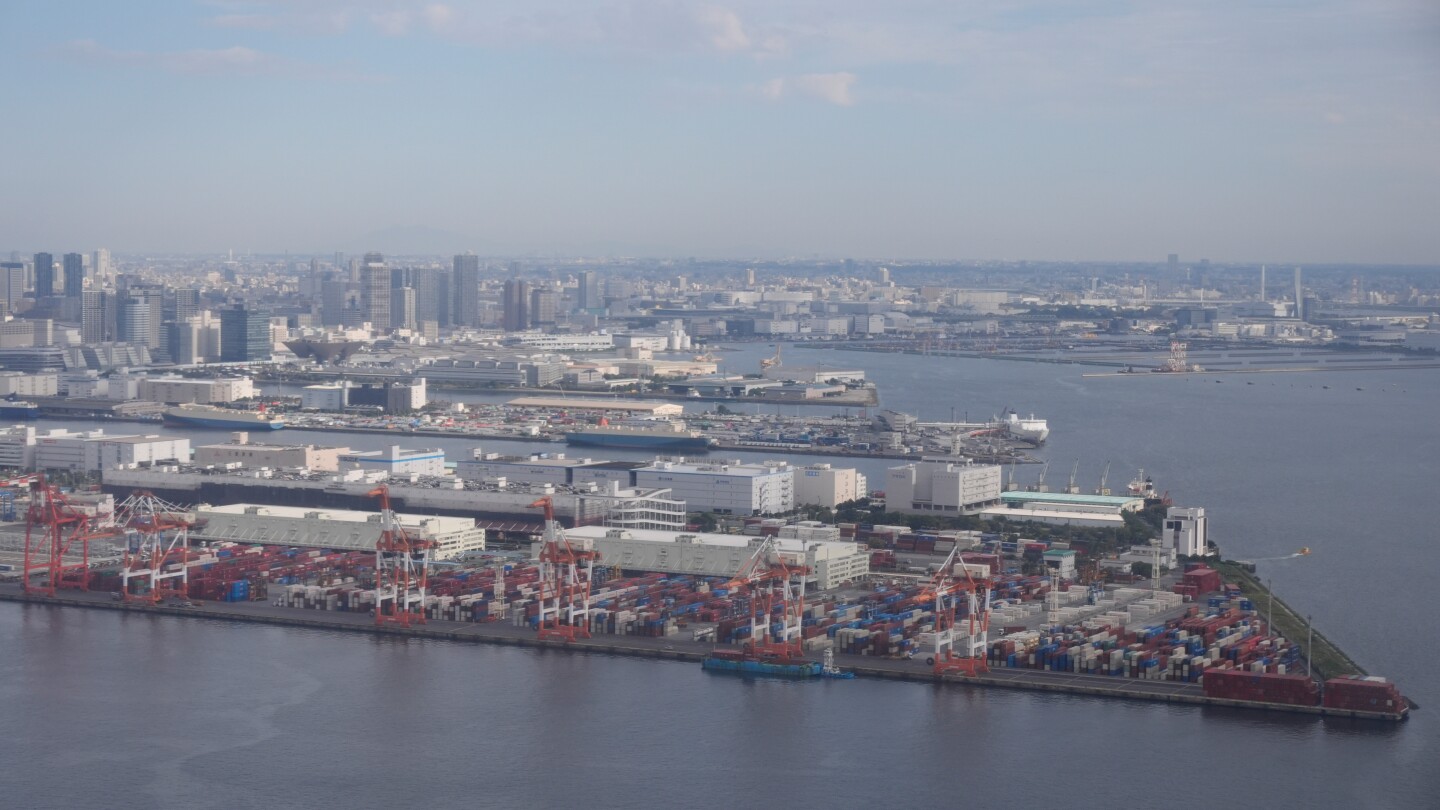
    TOKYO — Japan’s economic performance deteriorated more severely than initially projected during the third quarter, with revised data revealing an annualized contraction of 2.3% between July and September. This downward revision from the previously reported 1.8% decline underscores the mounting challenges facing the world’s third-largest economy.

    The Cabinet Office’s updated figures indicate a quarter-on-quarter GDP reduction of 0.6%, exceeding preliminary estimates. The economic downturn has been primarily driven by declining exports, which fell by 1.2% during the quarter, and a significant 8.2% plunge in private residential investment.

    Trade tensions initiated by the Trump administration have substantially impacted Japan’s export sector. Although the United States subsequently reduced planned tariff increases on Japanese imports from 25% to 15% in September, the automotive sector—a cornerstone of Japan’s economy—continues to face considerable pressure.

    In response to these economic headwinds, Japan has committed to a substantial $550 billion investment package in the United States, a strategic move announced during bilateral tariff negotiations. This commitment reflects the complex economic diplomacy between the two nations amid strained trade relations.

    The residential investment decline has been attributed primarily to regulatory changes in Japan’s building code, which triggered a significant reduction in housing starts earlier this year. Meanwhile, modest positive trends emerged in consumer spending, with private consumption edging up 0.2%, while imports decreased by 0.4%.

    Political leadership under Prime Minister Sanae Takaichi, Japan’s first female premier, faces mounting pressure to stimulate economic recovery. Despite maintaining popularity through assertive nationalist rhetoric, the administration’s ability to engineer a robust economic turnaround remains uncertain amid these challenging macroeconomic conditions.


  • Trump raises potential concerns over $72bn Netflix-Warner Bros deal

    Trump raises potential concerns over $72bn Netflix-Warner Bros deal

    Former President Donald Trump has raised significant antitrust concerns regarding Netflix’s monumental $72 billion proposal to acquire Warner Bros Discovery’s studio assets and HBO streaming services. Speaking at a Washington DC event on Sunday, Trump emphasized that Netflix already commands a “very big market share” that would expand substantially through this consolidation, potentially creating competitive issues.

    The landmark agreement, announced Friday, would merge Warner Bros’ iconic franchises including Harry Potter and Game of Thrones with Netflix’s dominant streaming platform, potentially reshaping the media landscape. The deal requires approval from U.S. competition authorities, with the Justice Department’s antitrust division evaluating whether the combined entity would control an excessive portion of the streaming market.

    Trump revealed his personal involvement in the approval process, noting that Netflix co-CEO Ted Sarandos recently visited the Oval Office. The former president expressed admiration for Sarandos, stating, “I have a lot of respect for him. He’s a great person who’s done one of the greatest jobs in the history of movies.”

    The proposed acquisition has generated industry-wide concerns about market concentration, with regulators examining potential violations of antitrust legislation. The combination would create an unprecedented media conglomerate with extensive control over both content production and distribution channels.

  • UAE-India IndiGo flights returning to normal after weekend disruptions

    UAE-India IndiGo flights returning to normal after weekend disruptions

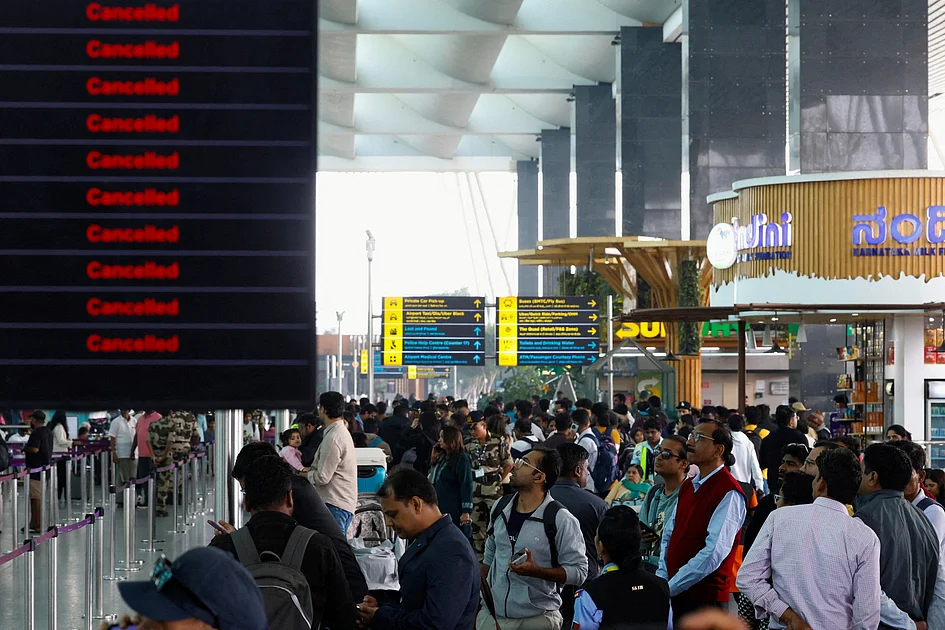
    IndiGo’s flight operations between the UAE and India showed significant signs of recovery on Sunday following a weekend of severe disruptions that had left passengers facing delays exceeding 10 hours. The airline’s performance improved markedly with many flights departing and arriving on schedule, while others experienced manageable delays ranging from 15 to 90 minutes.

    Key routes demonstrated this stabilization: the Ras Al Khaimah to Hyderabad flight departed precisely at its scheduled 2:30 AM time, while the Sharjah-Lucknow service took off as planned at 2:00 AM. The Dubai-Chennai route also operated according to its timetable. Minor delays affected some services, including the Dubai-Mumbai flight (15 minutes late) and the Delhi-Dubai route (17 minutes behind schedule). However, one notable exception was the Dubai-Kozhikode flight, which departed nearly ten hours late at 12:44 PM instead of its original 3:20 AM scheduled time.

    Domestically within India, the situation showed progressive improvement. On the sixth day of operational challenges, IndiGo canceled 500 domestic flights—a substantial reduction from Saturday’s 700 cancellations and Friday’s 1,000 grounded flights. The airline announced it was operating approximately 1,650 flights on Sunday, up from 1,500 the previous day. Most impressively, on-time performance surged from 30% to 75% within a single day.

    The crisis originated when India’s Directorate General of Civil Aviation implemented new Flight Duty Time Limitations (FDTL) on Tuesday, mandating 48 hours of weekly rest for pilots and limiting night landings to two per week instead of the previous six. These regulations, initially introduced in 2024 to address pilot fatigue concerns, created immediate staffing challenges.

    In response to the escalating situation, India’s Ministry of Civil Aviation suspended the new FDTL directives on Friday while emphasizing that safety standards would remain uncompromised. The government additionally imposed airfare caps to protect consumers from price gouging during the disruption period.

    The widespread cancellations had generated significant public outrage throughout the week, with numerous passengers missing critical events including weddings, funerals, and professional opportunities. One entrepreneur publicly shared her distress after relatives couldn’t attend her father’s funeral due to the cancellations.

    Accountability measures are now underway, with a committee formed to investigate the root causes of the disruptions. A parliamentary panel is scheduled to question IndiGo’s senior management about the operational crisis. The airline has committed to full waivers for cancellation and rescheduling requests for bookings through December 15 as it processes approximately Rs6,100 million in passenger refunds.

  • Canadian airline to start cancelling flights ahead of planned strike

    Canadian airline to start cancelling flights ahead of planned strike

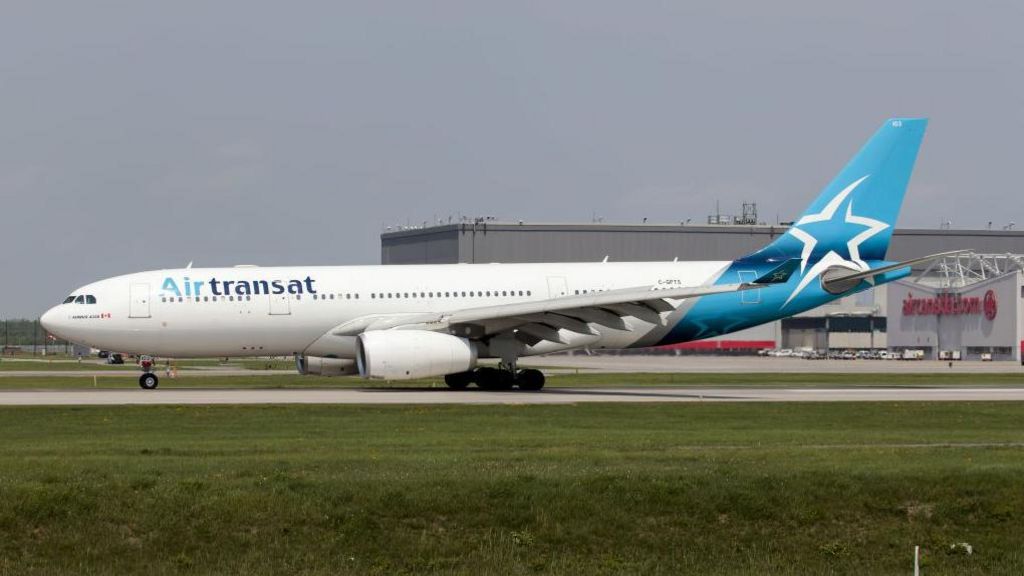
    Canadian carrier Air Transat has initiated a phased suspension of its flight operations in anticipation of an imminent pilot strike scheduled to commence Wednesday. This preventive measure follows a 72-hour strike notice issued Sunday by the Air Line Pilots Association (ALPA), representing approximately 750 pilots employed by the airline.

    The conflict stems from prolonged contract negotiations that have persisted for nearly a year, with pilots seeking substantial improvements to their 2015 agreement. Key demands include industry-standard compensation packages, enhanced benefits, revised work regulations, and strengthened job security provisions. The union reported an overwhelming 99% authorization vote among its members supporting potential strike action.

    Air Transat management has characterized the strike notice as premature, citing recent progress in negotiations and what they describe as generous offers presented to pilots. Julie Lamontagne, the airline’s human resources officer, expressed disappointment with the union’s decision, accusing them of demonstrating indifference toward the company through what she termed a reckless authorization that misrepresents the current state of discussions.

    In contrast, union representative Captain Bradley Small asserted that management had left pilots with no alternative after months of unproductive bargaining. He emphasized that no pilot desires to strike but maintained that airline executives would bear responsibility for any resulting flight cancellations and passenger disruptions should an agreement remain elusive.

    This labor dispute represents the second significant confrontation between Air Transat and its workforce in recent years, following a narrowly averted strike by flight dispatchers in 2024 under similar circumstances. The airline’s proactive cancellation strategy aims to prevent crews, aircraft, and passengers from becoming stranded internationally should the strike proceed as threatened.

  • IndiGo processes Rs6,100 million in refunds amid flight cancellations

    IndiGo processes Rs6,100 million in refunds amid flight cancellations

    India’s aviation sector is implementing aggressive recovery measures following massive flight disruptions from budget carrier IndiGo. The Ministry of Civil Aviation confirmed the airline has processed refunds totaling ₹6,100 million (approximately $73 million) while instituting critical consumer protection policies.

    Regulatory intervention has been substantial, with authorities mandating that passengers rescheduling affected flights cannot be subjected to additional charges. In response to widespread reports of predatory pricing by competing carriers capitalizing on the disruption, the ministry implemented emergency fare caps to prevent price gouging on alternate routes.

    Operational recovery shows significant progress, with IndiGo’s flight operations dramatically improving from approximately 700 flights on December 5 to over 1,500 flights by December 6. The airline has established dedicated support cells to facilitate rebooking and refund processing for affected passengers.

    Logistical reconciliation efforts include the delivery of over 3,000 pieces of luggage to passengers, with authorities committing to return all misplaced baggage within 48 hours from December 7. A centralized control room remains operational to monitor airport conditions and provide passenger assistance.

    ‘The aviation network is moving swiftly toward full normalcy, and all corrective measures will remain in place until operations stabilize entirely,’ the ministry stated, emphasizing ongoing monitoring until operations completely stabilize.

  • Supply squeeze is reshaping bitcoin market, says industry expert

    Supply squeeze is reshaping bitcoin market, says industry expert

    The Bitcoin market is undergoing a fundamental transformation characterized by unprecedented supply constraints that are reshaping the cryptocurrency’s economic landscape, according to industry analysis. Abdumalik Mirakhmedov, Founder and Executive President of global mining firm GDA, reveals that available Bitcoin for immediate trading has dwindled to critically low levels, creating what may become one of the most significant supply squeezes in the asset’s history.

    With nearly 20 million of Bitcoin’s fixed 21 million coin cap already mined, the convergence of institutional accumulation, long-term holding strategies, and permanently lost coins has created structural scarcity. Mirakhmedov estimates that accounting for coins held by steadfast investors and approximately 18% lost in inaccessible wallets, the truly liquid supply may have contracted to just six million coins.

    This scarcity dynamic is being accelerated by three pivotal developments: the emergence of spot Bitcoin ETFs that physically custody vast quantities of Bitcoin, institutional and governmental adoption treating Bitcoin as a reserve asset, and the permanent loss of early coins through discarded hardware or misplaced private keys.

    Unlike traditional currencies or commodities, Bitcoin’s decentralized nature prevents any central authority from increasing supply or manipulating availability. This immutable scarcity framework, combined with growing institutional participation from banks, pension funds, and sovereign wealth managers, is transforming Bitcoin from a speculative instrument into a digital store of value.

    Mirakhmedov, who will address these developments at the Bitcoin MENA conference in Abu Dhabi, emphasizes that this supply contraction represents a permanent market structure shift rather than temporary cyclical patterns. As more Bitcoin becomes locked in long-term custody solutions and institutional portfolios, the actively traded supply continues to diminish, potentially creating sustained upward pressure on valuations.

    The conference will feature further discussion on Bitcoin mining’s role in global energy transitions, highlighting the evolving narrative around cryptocurrency’s place in institutional portfolios and global financial infrastructure.

  • Qatar Airways names former airport COO Hamad al-Khater as group CEO

    Qatar Airways names former airport COO Hamad al-Khater as group CEO

    Qatar Airways Group announced a significant leadership transition on Sunday, December 7th, 2025, appointing Hamad al-Khater as its new Group Chief Executive Officer. This executive change marks a strategic shift for the Gulf carrier following the brief tenure of predecessor Badr Mohammed Al-Meer.

    The appointment concludes Al-Meer’s leadership period which began in October 2023 when he assumed the role from industry veteran Akbar Al Baker. Al Baker’s retirement concluded an influential 27-year tenure during which he established himself as one of aviation’s most prominent and outspoken executives.

    Al-Khater brings substantial operational expertise to the role, having most recently served as Chief Operating Officer at Hamad International Airport, Qatar’s premier aviation hub. His professional background also includes significant roles within QatarEnergy, the state-owned petroleum company, providing him with diverse experience across both aviation and energy sectors critical to Qatar’s economy.

    The leadership transition occurs as global aviation continues to navigate post-pandemic recovery challenges, evolving sustainability mandates, and increasing competition in the luxury travel segment where Qatar Airways has established its market position. Industry analysts will be monitoring how al-Khater’s operational background from managing one of the world’s premier airports might influence the airline’s strategic direction.

    The announcement did not specify reasons for the relatively brief CEO tenure of Al-Meer, who had been positioned to continue Al Baker’s legacy of expansion and excellence that established Qatar Airways as a leading global carrier renowned for its service quality and fleet modernization.

  • Boeing tackles quality problems with a ‘war on defects’

    Boeing tackles quality problems with a ‘war on defects’

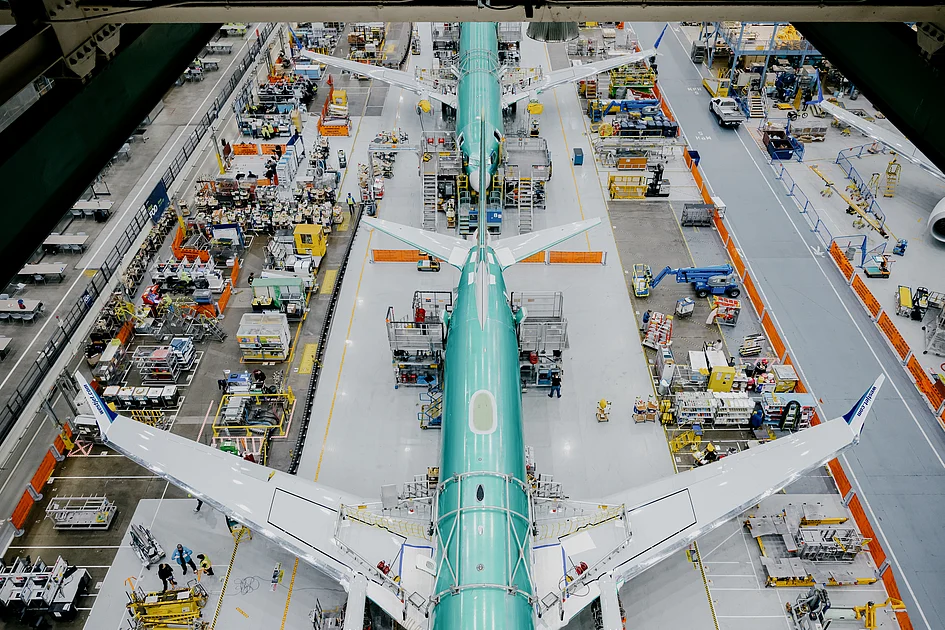
    Boeing has launched a comprehensive manufacturing transformation at its 737 Max production facility near Seattle, implementing rigorous new quality control protocols in response to recent safety incidents. The initiative follows the January 2024 Alaska Airlines emergency when a door plug detached at 15,000 feet, exposing passengers to extreme conditions.

    The aerospace giant has fundamentally restructured its production processes at the Renton, Washington factory, addressing long-standing concerns about quality versus speed priorities. Key changes include enhanced inspection procedures where workers now utilize photographic guides instead of engineering drawings, reduced ‘travelled work’ (tasks performed out of sequence) by approximately 75% since February 2024, and implementation of daily and weekly quality reviews.

    According to Katie Ringgold, Vice President and General Manager of Boeing’s 737 program, the company is ‘right in the middle of the field’ with substantial progress still required. The transformation includes standardized processes across 40 critical manufacturing stations, simplified documentation that has cut instruction pages by half, and experimental tool-tracking technology to prevent oversights like the missing bolts in the door plug incident.

    The reforms are showing tangible results: Airlines report quality improvements, and the Federal Aviation Administration has eased some restrictions imposed after the 2024 incident and earlier 737 Max crashes that killed 346 people. However, employee surveys reveal declining pride in the company—from 91% in 2013 to 67% currently—with mixed opinions among workers about the pace of cultural change.

    As Boeing prepares to increase production to 42 monthly 737 Max jets and introduce a fourth production line next year, the company faces ongoing challenges in maintaining safety standards while competing with Airbus’s higher output rates. Union representatives acknowledge progress while emphasizing the need for sustained commitment to quality improvements.

  • Hope to optimize HK’s future as global aviation hub

    Hope to optimize HK’s future as global aviation hub

    Patrick Healy, Chairman of Cathay Pacific Airways, has issued a compelling appeal to Hong Kong’s newly elected legislators, emphasizing the critical need to reinforce the city’s position as a premier global aviation center. His statements came alongside commendations for the government’s handling of the recent Tai Po fire incident.

    Healy articulated that maintaining Hong Kong’s competitive edge in international aviation requires proactive legislative measures and strategic infrastructure investments. The aviation executive highlighted how the city’s geographic advantages and existing aviation infrastructure provide a solid foundation for enhanced global connectivity.

    Beyond aviation matters, Healy acknowledged the Hong Kong government’s effective response to the Tai Po fire tragedy, while simultaneously stressing the importance of implementing robust preventive measures to avoid similar incidents in the future. This dual focus on both economic development and public safety underscores the comprehensive approach needed for Hong Kong’s continued growth.

    The chairman’s comments arrive at a pivotal moment as Hong Kong continues to rebuild its aviation capacity following pandemic-related challenges. Healy’s perspective carries significant weight given Cathay Pacific’s role as Hong Kong’s flag carrier and a major employer in the region.

    Industry analysts suggest that legislative support for aviation development could have far-reaching implications for Hong Kong’s economic recovery, job creation, and international trade relationships. The city’s status as an aviation hub has long been a cornerstone of its economic success and global competitiveness.

  • New China-Vietnam air route boosts links with ASEAN

    New China-Vietnam air route boosts links with ASEAN

    China’s regional connectivity with Southeast Asian nations receives significant enhancement through the inauguration of a new air corridor. Colorful Guizhou Airlines has officially commenced direct flight operations between Guiyang, the provincial capital of Southwest China’s Guizhou, and Ho Chi Minh City, Vietnam’s economic hub.

    The new service, designated as flights GY703 and GY704, establishes critical aerial connectivity between the two urban centers. According to the published schedule, the outbound journey departs Guiyang at 22:50 Beijing Time, arriving in Vietnam at 01:30 local time. The return flight takes off from Ho Chi Minh at 02:30 local time, reaching Guiyang at 07:10 Beijing Time.

    This route expansion complements the carrier’s existing Guiyang-Hanoi service, creating comprehensive air access between China’s mountainous southwestern region and Vietnam’s two primary metropolitan areas. Aviation authorities indicate this strategic network development will facilitate commercial exchange, tourism flows, and business travel between China’s southwestern provinces and ASEAN member states.

    The Guiyang-Ho Chi Minh connection represents the latest advancement in China-ASEAN aviation integration. Recent months have witnessed accelerated aerial connectivity, including November’s launch of passenger services between Haikou and Vietnam’s Nha Trang, alongside new cargo operations linking Nanjing with Malaysia’s Kuala Lumpur.

    This aviation expansion occurs against the backdrop of robust economic relations. Bilateral merchandise trade between China and ASEAN nations has consistently surpassed $900 billion annually since 2022, reaching a record $982.1 billion in 2024. The growth trajectory continues in 2025, with trade values recording an 8.2 percent year-on-year increase during the first ten months.