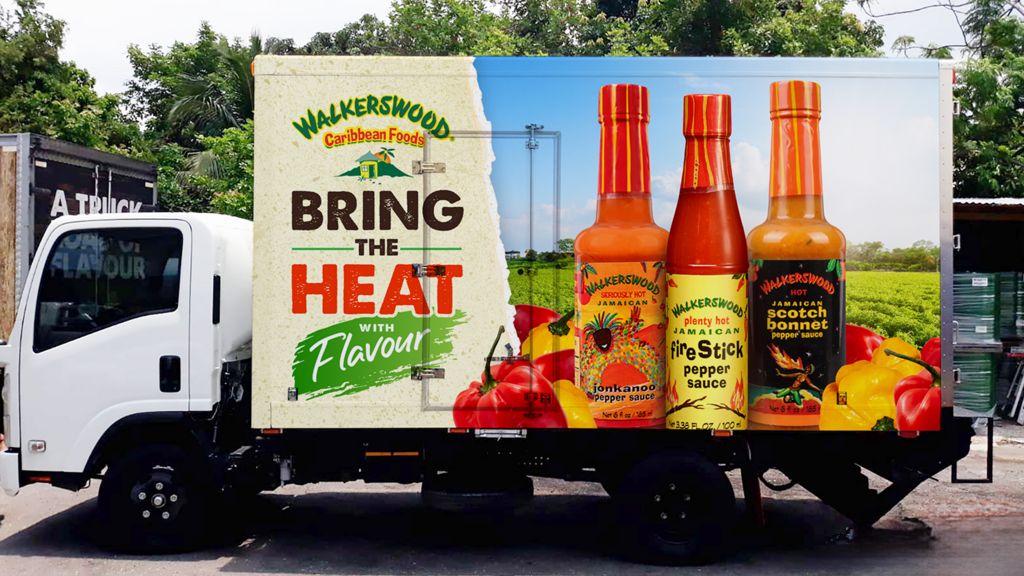
For Caribbean communities, hot pepper sauce is as ubiquitous as ketchup is in American households. This bold, fiery condiment sits on nearly every dining table across the region, paired with everything from iconic rice and peas to rich curries and slow-simmered stews. In recent years, global demand for the unique, pungent flavor of Caribbean hot sauce has skyrocketed, with dozens of regional brands now stocked on the shelves of major supermarket chains across North America, Europe, and Australia, from Walmart to Tesco and Woolworths. But today, the entire industry faces an unprecedented crisis: a crippling shortage of the iconic Scotch bonnet pepper, the core ingredient that gives Caribbean hot sauce its signature taste, is squeezing supply and sending production costs soaring for local producers.
Manufacturers who spoke with the BBC point to a perfect storm of overlapping challenges that have gutted Scotch bonnet harvests across the Caribbean, particularly in Jamaica, the world’s leading producer of the variety. These small, temperamental yellow peppers are inherently vulnerable to heavy rainfall, fungal disease, and viral infections, making them notoriously difficult to cultivate consistently. The situation has been made far worse by back-to-back devastating hurricanes that have swept through Jamaica in recent years, wiping out thousands of acres of agricultural land.
In October 2024, Hurricane Melissa, the strongest storm ever recorded to hit Jamaica, delivered a catastrophic blow to the island’s agricultural sector, which was still struggling to recover from Hurricane Beryl just 12 months earlier. For major producers like Associated Manufacturers, the company behind Jamaica’s world-famous Walkerswood line of sauces and seasonings, the shortage has forced difficult business decisions.
“We were hugely limited, and we did have to cancel orders,” said Sean Garbutt, a senior executive at Walkerswood. The brand exports more than 95% of its output, with two-thirds of all products shipped to the United States. Last year alone, the company exported the equivalent of 500 standard 20-foot cargo containers of hot sauce and seasonings. Garbutt notes that access to consistent, high-quality Scotch bonnet produce has always been the biggest barrier to the company’s growth.
After Hurricane Beryl, many Jamaican smallholder farmers abandoned growing Scotch bonnets entirely, switching to hardier, more profitable crops like sweet potato that generate more consistent revenue and are far less vulnerable to extreme weather. For Walkerswood’s top-selling product, authentic Jamaican yellow Scotch bonnet pepper sauce, the shortage is particularly acute.
“It requires fresh peppers as we don’t add artificial colouring. We crush them and within a week we need to cook them to get that vibrant yellow colour that people love. The weather is always a challenge,” Garbutt explained. Extreme rainfall does not just reduce harvest volumes – it also alters the unique flavor profile that Walkerswood is known for. “We might get a call from someone who says they really enjoyed our pepper sauce, but it wasn’t as hot as it normally is. We have to explain it’s due to too much rain,” he added.
For Jamaicans, Scotch bonnet peppers are far more than just an ingredient – they are a cornerstone of national culinary culture, a source of fierce regional pride that sets Jamaican cuisine apart from the rest of the world. “We joke that other countries don’t know how to season their food,” said Drew Gray, whose family has owned and operated the popular local brand Gray’s Pepper for more than 50 years. “Hot sauce is on the table of every cook shop and every restaurant. It’s almost an affront if it’s not there. We definitely have a high heat tolerance, which I think makes our cuisine unique. We have a heavy hand when it comes to seasonings, especially Scotch bonnets, which we add to everything.”
As one of Jamaica’s largest bulk buyers of Scotch bonnet peppers, Gray’s Pepper has borne the full brunt of the ongoing shortage. “Climate change is affecting the Caribbean the hardest,” Gray said. “Back-to-back hurricanes wiped off most of the crop so product has been scarce, and farmers are increasingly hesitant to replant. Needless to say, prices rose. Right after Melissa, Scotch bonnets went up maybe 10-fold, which was crazy. Over the last two years, there’s been an overall increase of about 40-50%.”
To buffer against the volatility of pepper supplies, Gray has implemented a strategy of maintaining large year-round inventory stocks, a move that eases supply disruptions but puts significant strain on the company’s cash flow. “Going into Beryl we had around six months of inventory, and about the same for Melissa. It’s a strain on cashflow, but it allows us to weather the storms. If it’s not hurricanes, it’s adverse weather patterns. Scotch bonnets are very sensitive to overly wet weather as they get funguses,” he explained.
Two-thirds of Gray’s Pepper’s business comes from export, and the company’s own production facility sustained direct damage when Hurricane Melissa made landfall directly over its premises. Still, Gray says the team prioritized restoring operations as quickly as possible to meet export commitments. “But we were able to get back up and running with orders going out within two weeks. My motto is, we need to produce no matter what. Because we are able to carry inventory, our exports haven’t been affected. At the end of the day, the big chain stores don’t care if you have a hurricane, they just want the product,” he said.
The Jamaican government has stepped in to support struggling farmers and stabilize the supply chain, launching initiatives that include distributing free Scotch bonnet seeds to more than 650 local growers. “Peppers, particularly Scotch bonnets, are facing myriad challenges right across the Caribbean,” said Dwight Forrester of Jamaica’s Rural Agricultural Development Authority. “They’re highly susceptible to viruses and pests like gall midges. But they are one of our flagship products and are a household name in Caribbean stores and Caribbean restaurants worldwide. We export 40% of what we produce.”
The shortage is not limited to Jamaica. Producers across the Caribbean, from neighboring Antigua and Barbuda, are also grappling with limited supplies. For Homebrew Hot Sauce, a small Antiguan producer founded six years ago, the shortage has forced the company to adjust order volumes. “Sometimes we have to defer or reduce orders,” explained company owner Ensly Smith. “We might tell a supplier we can only give them two of the four cases they ordered, for example. When peppers are in abundance we stock up. When Hurricane Melissa hit, we had close to 600lbs [272kg] in storage so we were able to stay afloat.”
Smith’s small business started as a pandemic experiment that quickly grew into a profitable venture, with tourists often buying bulk cases of the sauce to take home. “People are definitely warming up to it. Caribbean sauce tends to be a little thicker and I think has more flavour than those from North America. We take a lot of pride in our spices and local seasoning,” he added. Another Antiguan producer, Novella Payne, who sells a range of sauces, syrups and jams under her Granma Aki brand, has adapted by blending Scotch bonnets with locally grown Moruga scorpion peppers, a heat-tolerant variety native to Trinidad, to offset high prices and supply gaps.
As the region enters the warmer months, which bring both peak Scotch bonnet growing season and the highest risk of Atlantic hurricanes, producers are monitoring weather forecasts closely while working to protect already thin profit margins. Some producers have found partial success switching to high-yield, disease-resistant hybrid red chili varieties that withstand extreme weather better than traditional Scotch bonnets. Walkerswood, which has partnered with the Jamaican government to launch its own dedicated farm to grow ingredients for its sauces, is also funding genetic research to develop a weather- and disease-resistant strain of the iconic yellow Scotch bonnet, to preserve the condiment’s authentic flavor for future generations.
“Lots of countries grow red chillis, but our yellow peppers are special,” Garbutt said. “I’m a purist at heart and I think our Scotch bonnets need to be properly protected.”