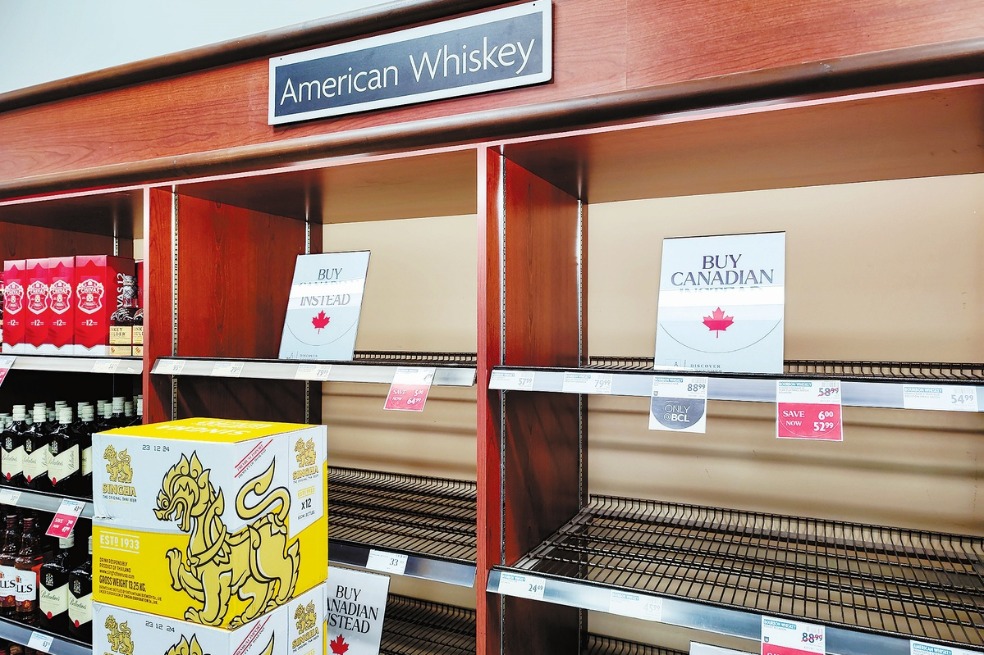
A year after Canadian provinces implemented sweeping restrictions on American wine imports, the trade policy has fundamentally altered North American wine market dynamics while dealing a severe blow to US producers. According to 2025 data released by the Wine Institute, US wine exports to Canada have collapsed by 78%, representing approximately $357 million in lost export revenue.
Rod Phillips, wine historian and professor at Carleton University, emphasized the significance of this market shift: “Canada previously stood as the largest export market for US wine, making this development particularly devastating for American producers, especially those based in California. The repercussions extend beyond Canada, as US government policies have triggered boycotts of American wine across multiple international markets.”
The challenges for US wineries are compounded by declining domestic wine consumption trends, limiting their ability to offset export losses through increased local sales. Phillips noted that American producers face particular difficulty in compensating for the vanished Canadian market share within the US, where consumer demand for wine continues to weaken.
While the restrictions have crippled US exports, the economic impact on Canada appears more contained. Wine importers and retailers specializing in American products have undoubtedly suffered, but consumers have simply shifted their purchasing patterns toward alternative options. “Sales of Canadian wine have risen considerably due to a surge in nationalist sentiment and a pronounced ‘buy Canadian’ trend,” Phillips observed.
Robert Eyler, Professor of Economics at Sonoma State University, highlighted additional dimensions of the trade disruption: “The broader consequences include reduced Canadian tourism to American wineries and diminished exposure to US wine brands. This affects not just bottle sales but also more profitable revenue streams such as tasting room visits, events, and long-term customer relationships.”
The path to market recovery remains uncertain and heavily dependent on political developments. Phillips suggested that “if the next US administration demonstrates a more Canada-friendly approach, some market share could potentially be recovered.” However, Eyler cautioned that re-entry into the Canadian market presents significant challenges due to intensified competition from European and domestic Canadian wines, combined with persistent “buy Canadian” campaigns.
Both experts agree that resolving the trade rift will require policy adjustments alongside substantial marketing efforts to rebuild connections with Canadian consumers. Eyler characterized the situation as “a classic issue with trade protections” that inevitably invites retaliation, noting that “the longer this rift exists, the more time it will take to mend the problem.”