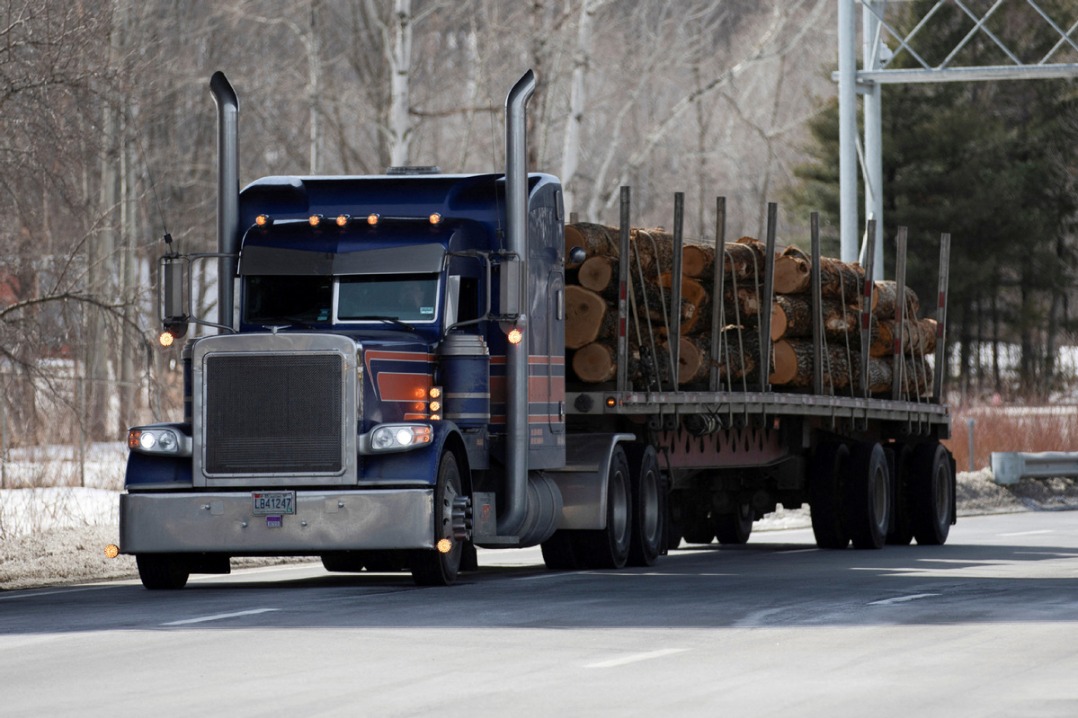
The Canadian lumber sector is facing heightened challenges as the United States imposes additional tariffs on timber and furniture imports, exacerbating an already strained trade relationship. On October 14, 2025, the US introduced a 10% tariff on imported timber and lumber, alongside a 25% duty on kitchen cabinets, supplementing the existing 35% duty on Canadian lumber. Harry Nelson, an associate professor of forestry at the University of British Columbia, described the new tariffs as creating ‘unprecedented levels’ of trade barriers, with little expectation of reduction in the near future. The tariffs are expected to widen the price gap between domestic and export markets, with Canadian lumber prices likely to fall relative to US prices. Nelson warned that the broader North American economy could also suffer, with potential declines in housing starts and increased economic uncertainty. Industry groups, including the British Columbia Lumber Trade Council, have expressed deep disappointment, arguing that the tariffs will not enhance US national security but will instead drive up lumber costs and undermine the integrated trade relationship. The Canadian government has announced C$1.2 billion in aid for softwood producers, but Nelson emphasized that the impact extends beyond sawmills to contractors, loggers, and other interconnected sectors. With the possibility of further tariff increases in January 2026, the pressure on Canada to reach a trade agreement with the US is mounting. Canadian Prime Minister Mark Carney indicated that a deal could be possible ahead of the Asia-Pacific Economic Cooperation forum in South Korea, though negotiations remain ongoing.