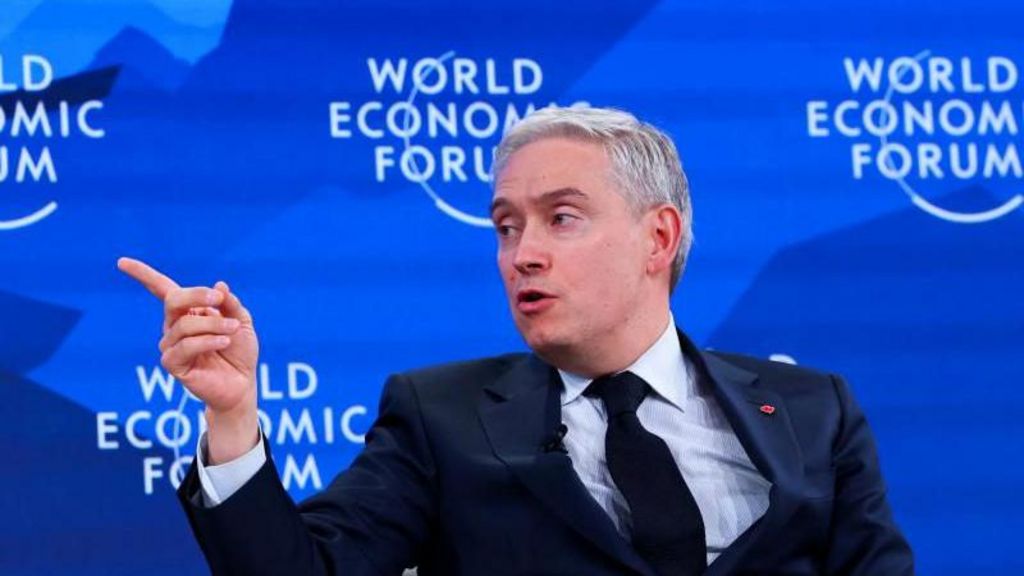
Canadian Finance Minister François-Philippe Champagne has framed a potential baseline tariff as the necessary cost for maintaining trade flows with the United States, signaling a strategic shift in response to America’s evolving trade policy. This acknowledgment follows President Donald Trump’s State of the Union declaration advocating tariffs as a primary revenue source to replace income taxes.
The comments align with recent statements from US trade chief Jamieson Greer, who asserted Canada must accept elevated tariff levels to retain business relations. This development comes amid renewed trade tensions triggered by Trump’s imposition of a universal 10% tariff under Section 122 of the 1974 Trade Act—a previously unused mechanism activated after the Supreme Court invalidated his earlier sweeping tariff policy.
‘It’s increasingly clear that the American administration expects market access to come at a price,’ Champagne told journalists in Ottawa. ‘Every nation I’m aware of is paying this price, and Canada currently pays the lowest.’
While Canada maintains exemptions under the USMCA continental trade agreement, it faces heightened tariffs on strategic commodities including steel, aluminum, and softwood lumber. The US trade representative suggested Canada could mitigate these increases by opening protected sectors like dairy to American competition.
In response to these tensions, Prime Minister Mark Carney has announced ambitions to double non-US exports within the next decade, particularly in automotive and metals industries. This diversification strategy emerges despite the United States remaining Canada’s dominant trading partner, accounting for approximately 75% of all exports.
The diplomatic recalibration follows Friday’s Supreme Court ruling that declared Trump’s April tariff policy unconstitutional due to presidential overreach. The administration promptly implemented replacement tariffs through Section 122, which authorizes temporary levies of up to 15% for 150 days before requiring congressional approval.
During his congressional address, Trump envisioned tariffs ‘paid by foreign nations’ eventually supplanting income taxes, potentially reshaping fundamental aspects of US fiscal policy and international trade dynamics.