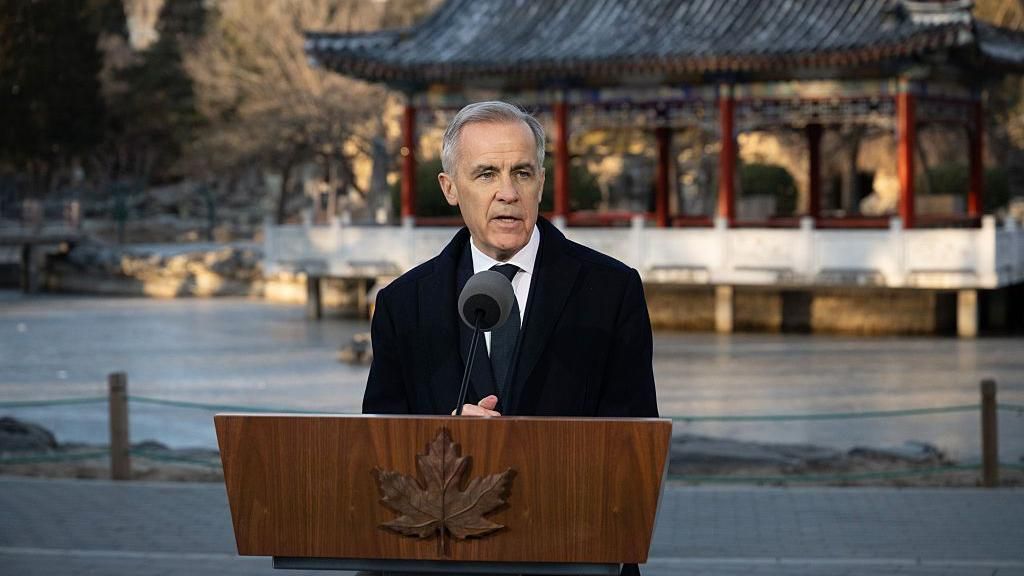
In a strategic pivot signaling Canada’s evolving foreign policy approach, Prime Minister Mark Carney has secured a significant trade agreement with China that reduces tariffs on electric vehicles and agricultural products. The deal, announced Friday, lowers Canada’s levies on Chinese EVs from 100% to 6.1% for the first 49,000 imported vehicles annually, with quotas potentially expanding to 70,000 within five years. In exchange, China will slash tariffs on Canadian canola seed from 84% to approximately 15% by March 1 and eliminate retaliatory tariffs on Canadian canola meal, lobsters, crabs, and peas until year-end.
This arrangement marks a notable departure from Carney’s previous characterization of China as “the biggest security threat” to Canada less than a year ago. The Prime Minister defended the policy shift by stating, “We take the world as it is, not as we wish it to be,” emphasizing that global circumstances have fundamentally changed. He described the agreement as positioning Canada advantageously for the “new world order” while making the relationship with Beijing “more predictable” than Canada’s ties with the United States under the Trump administration.
Domestic reactions revealed sharp regional divisions. Saskatchewan Premier Scott Moe welcomed the agricultural concessions as “very good news” for farmers devastated by Chinese tariffs, while Ontario Premier Doug Ford condemned the EV provisions as economically damaging to Canada’s auto sector. Experts projected Chinese automakers could capture up to 10% of Canada’s EV market, potentially pressuring US manufacturers like Tesla.
The agreement emerges against a backdrop of deteriorating US-Canada trade relations. Since returning to office, President Trump has imposed tariffs on Canadian metals and automotive sectors while threatening to abandon the USMCA trade agreement currently under mandatory review. Trade analyst Eric Miller noted the China deal reflects Canada’s recognition that North American trade stability remains uncertain, stating: “There’s a reasonable chance we could end up in 2026 without a meaningful, workable trade deal with the United States.”
The White House response appeared divided, with Trade Representative Jamieson Greer calling the arrangement “problematic” while President Trump endorsed bilateral deals with China. The agreement coincides with preparations for Trump’s April meeting with President Xi Jinping in Beijing, highlighting the complex interplay of global trade relationships. Prime Minister Carney characterized the agreement as the initial phase in a broader “strategic, pragmatic, and decisive” recalibration of Canada’s international trade posture.