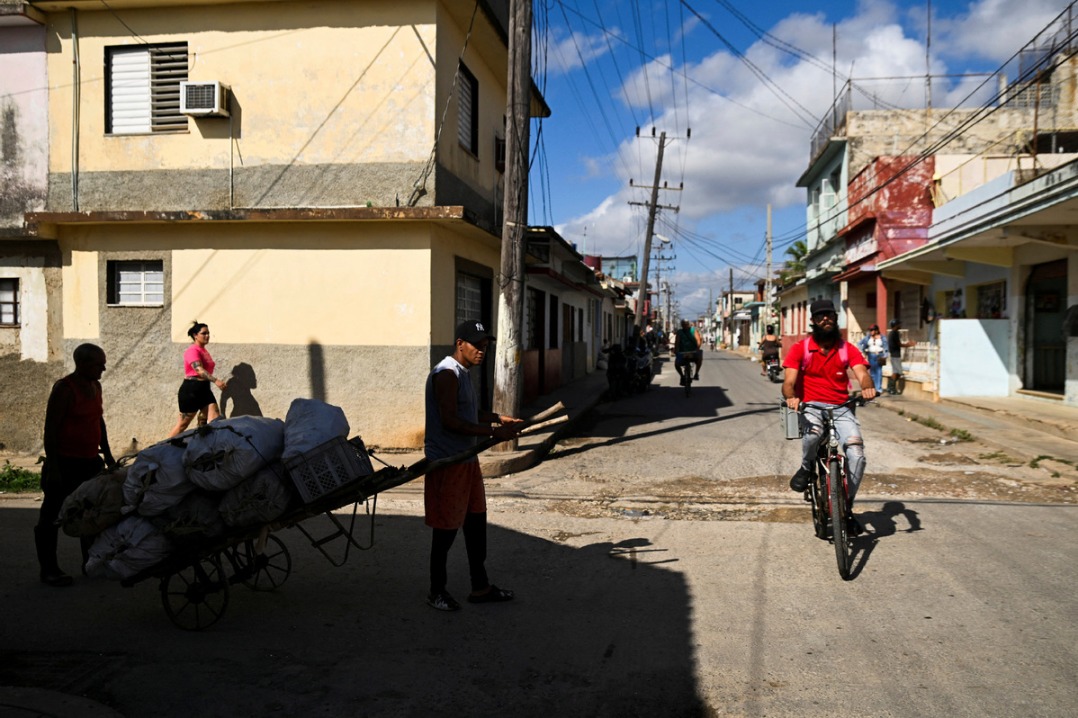
Canada’s recent commitment of CA$8 million in food assistance to Cuba underscores a persistent foreign policy schism with the United States that has endured for over six decades, according to historical analysis. The aid package, announced by Canadian Foreign Minister Anita Anand, aims to address “significant hardship” and “urgent needs” facing the Cuban population.
Ronald Stagg, history professor at Toronto Metropolitan University, contextualized this move within a longstanding pattern of Ottawa-Washington divergence on Cuban relations. The policy disconnect dates to the 1962 Cuban Missile Crisis when Prime Minister John Diefenbaker refused American requests to participate in the Cuban blockade. This established precedent continued through subsequent administrations, with Prime Minister Lester B. Pearson asserting Canadian jurisdiction over US subsidiaries operating in Canada despite American embargo extensions.
This latest humanitarian gesture coincides with broader caution among US allies regarding alignment with Washington’s international positions. Multiple European nations have demonstrated measured responses to recent Middle Eastern conflicts. Spain rejected US requests to launch attacks from its territory, with Prime Minister Pedro Sanchez condemning military interventions that “violate international law.” Britain provided limited support while explicitly avoiding offensive operations, and Germany committed only to defensive measures if attacked.
Canada itself has exhibited similar prudence, with Prime Minister Mark Carney initially supporting strikes before expressing regret over escalation. Professor Stagg notes that while Canadian-Cuban relations have experienced “ups and downs,” Ottawa has consistently maintained either “benign neglect or active support” toward Havana—a stance reflecting Canada’s historical orientation toward Britain and Europe rather than automatic alignment with American foreign policy objectives.