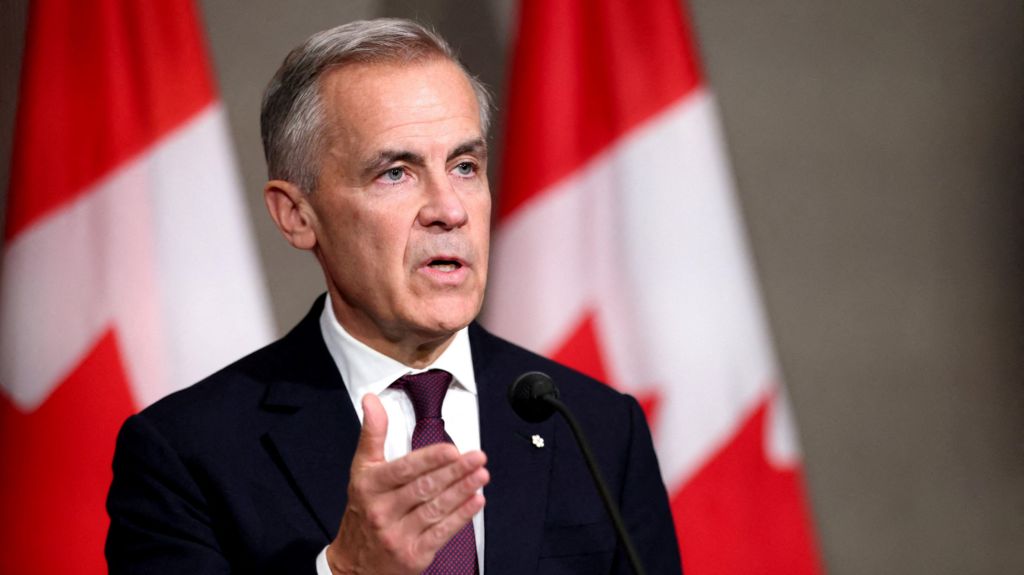
Canadian Prime Minister Mark Carney is navigating a pivotal moment in his political career as he seeks to pass his first federal budget. With his Liberal Party just two seats short of a majority, the defection of Conservative MP Chris d’Entremont to the Liberal camp has provided a significant boost. d’Entremont, representing Nova Scotia, announced his decision to switch parties shortly after Carney unveiled his fiscal plan, citing a lack of alignment with Conservative leader Pierre Poilievre’s leadership and policies. This move has brought the Liberals closer to securing a majority, a crucial step in ensuring the budget’s passage. d’Entremont expressed his support for the Liberal budget, stating it aligns with the priorities of his constituents and offers a ‘better path forward’ for Canada. The Conservative Party, however, criticized his defection, accusing him of abandoning his electoral promises and acting on ‘personal grievances.’ The political landscape in Ottawa remains tense as Carney appeals for broader support to avoid the risk of another election. The budget, dubbed an ‘investment budget,’ aims to attract capital to Canada and mitigate the impact of US tariffs. However, it has drawn criticism for increasing the deficit to C$78 billion, the second largest in Canadian history, while proposing cuts such as reducing the federal workforce by 10%. Opposition parties, including the Conservatives and the Bloc Québécois, have signaled their intent to oppose the budget, with Poilievre condemning it for prioritizing debt interest over healthcare. The New Democratic Party, holding seven seats, has yet to decide its stance. A vote on the budget is expected in mid-November, with Carney’s leadership and political strategy under intense scrutiny.