The Canadian province of Alberta, renowned for its vast oil reserves, has announced a staggering C$9.4 billion budget deficit, attributing the shortfall to a dual crisis of plummeting oil revenues and unprecedented population growth. Finance Minister Nate Horner presented the grim economic outlook, describing the fiscal reality as “a tough pill to swallow” that will compel the province to violate its own fiscal restraint legislation.
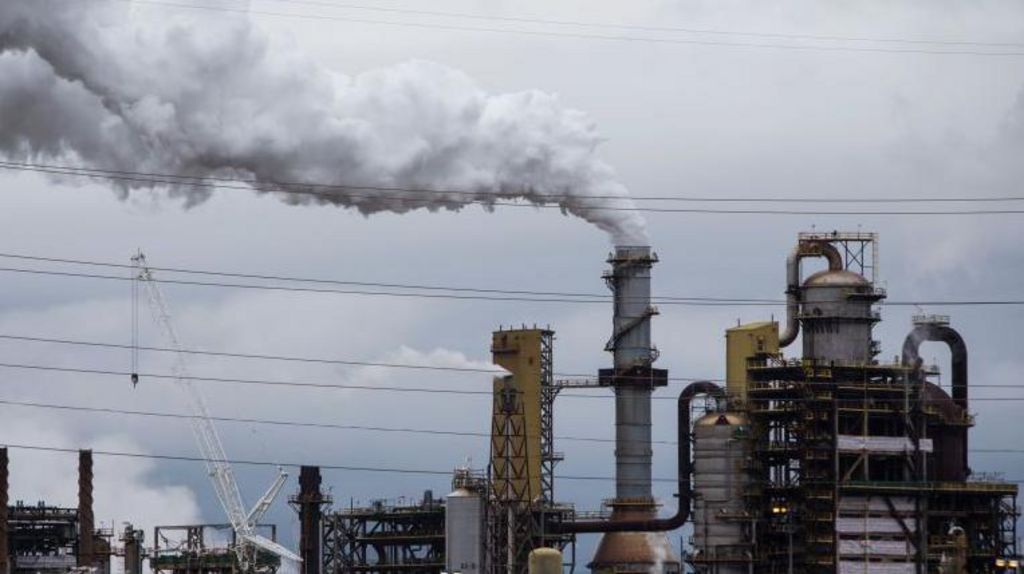
Alberta’s economic framework remains intrinsically linked to the volatile oil market, with the province housing the world’s third-largest oil reserves. The government projects West Texas Intermediate crude will average just $60.50 per barrel in the coming year, significantly below the $74-$77 per barrel required for budgetary equilibrium. This marks a substantial decline from the $74.34 average recorded two years prior.
Simultaneously, Alberta has experienced record population expansion, growing faster than any other Canadian province despite recent immigration tightening at the federal level. While Minister Horner declined to quantify the exact impact of demographic changes on the deficit, he acknowledged the influx has created substantial pressure on public services and housing infrastructure.
The fiscal crisis has triggered significant political developments. Premier Danielle Smith announced plans for multiple referendum questions, including controversial measures that would restrict access to healthcare and education services for certain newcomers through fee structures. These proposals have faced sharp criticism from opposition leaders who accuse the government of immigrant scapegoating to divert attention from fiscal mismanagement.
Adding to the political complexity, separatist movements are gathering signatures to force a referendum on Alberta’s potential secession from Canada. While support for independence remains limited, proponents aim to place the question before voters alongside the immigration measures on October 19th. The provincial government maintains its immigration proposals aim to assert greater autonomy over demographic policy, currently controlled by federal authorities in Ottawa.
Notably, Alberta remains Canada’s only province without a sales tax, though Minister Horner suggested this longstanding tax advantage might require reconsideration given the current fiscal challenges, signaling potential fundamental shifts in the province’s economic policy approach.