In a landmark announcement that reshapes the landscape of one of the world’s most-watched live music competitions, organizers of the Eurovision Song Contest have confirmed that Canada will make its official debut as a competing nation at the 2027 event, set to be hosted in Sofia, Bulgaria. This makes Canada the first new country to join the competition’s roster since Australia was invited to participate back in 2015, a development that comes on the heels of a turbulent 2026 contest marked by widespread withdrawals from long-standing participating nations over the EBU’s decision to include Israel.
The path for Canada’s entry was formally cleared just last week, when the country’s national public broadcaster CBC/Radio-Canada finalized its transition from associate status to full membership of the European Broadcasting Union (EBU), the governing body that produces and organizes the annual Eurovision competition. Under Eurovision’s long-standing rules, only active full member broadcasters from eligible territories are permitted to field competing entries, a requirement Canada had not met until this latest membership change.
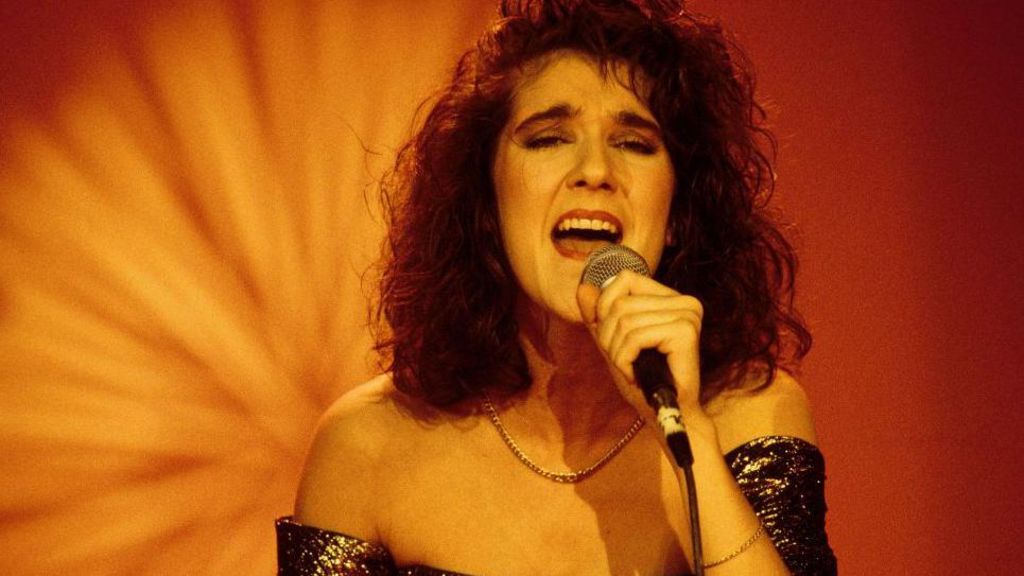
While this will mark Canada’s first time competing as an official national entrant, the country already holds a unique place in Eurovision history as the home nation of multiple past competitors. Quebec native Céline Dion, one of the best-selling recording artists of all time, famously claimed the contest’s top trophy for Switzerland in the 1988 Eurovision Song Contest with her iconic performance *Ne Partez Pas Sans Moi*. Since Dion’s historic win, other Canadian artists have competed for other European nations: Acadian singer Natasha St-Pier from New Brunswick represented France in 2001, and Montreal-based performer La Zarra competed for France at the 2023 contest.
Discussions around Canada’s Eurovision participation have been in motion for months. Back in November 2024, the Canadian government under Prime Minister Mark Carney confirmed it was working alongside CBC/Radio-Canada to explore the possibility of joining the competition, and included C$150 million (£80 million) in dedicated funding for the public broadcaster in its annual budget to support the initiative. CBC/Radio-Canada has announced that further details surrounding the selection process for Canada’s debut 2027 entry will be released to the public later this year.
Canada is not the first non-European nation to take part in Eurovision, which has long opened its doors to eligible non-European EBU members. Israel and Australia have been regular competitors for decades, and Morocco even fielded a single entry back in 1980.
As the 2027 contest preparations get underway, uncertainty still hangs over the return of several high-profile European nations that boycotted the 2026 contest held in Vienna. Ireland, Iceland, the Netherlands, Slovenia, and Spain all withdrew from this year’s competition in protest of the EBU’s decision to allow Israel to participate amid ongoing conflict in Gaza.
Speaking ahead of the 2026 final, Eurovision director Martin Oestergaard-Green noted that the competition’s organizing body remained open to dialogue with the boycotting broadcasters for 2027. “We’ve got 35 members of our family here, and that’s enough to have a big party,” he told BBC News. “But, you know, five [are absent] and we miss them. When this show is over, I know we’ll pick up the dialogue and we’ll see what comes.”
The 2026 Eurovision crown was ultimately claimed by Bulgarian pop artist Dara, who won top honors with her upbeat entry *Bangaranga*. By Eurovision tradition, the winning country hosts the following year’s contest, paving the way for the 2027 event to take place in Sofia, where Canada will make its first semi-final appearance.