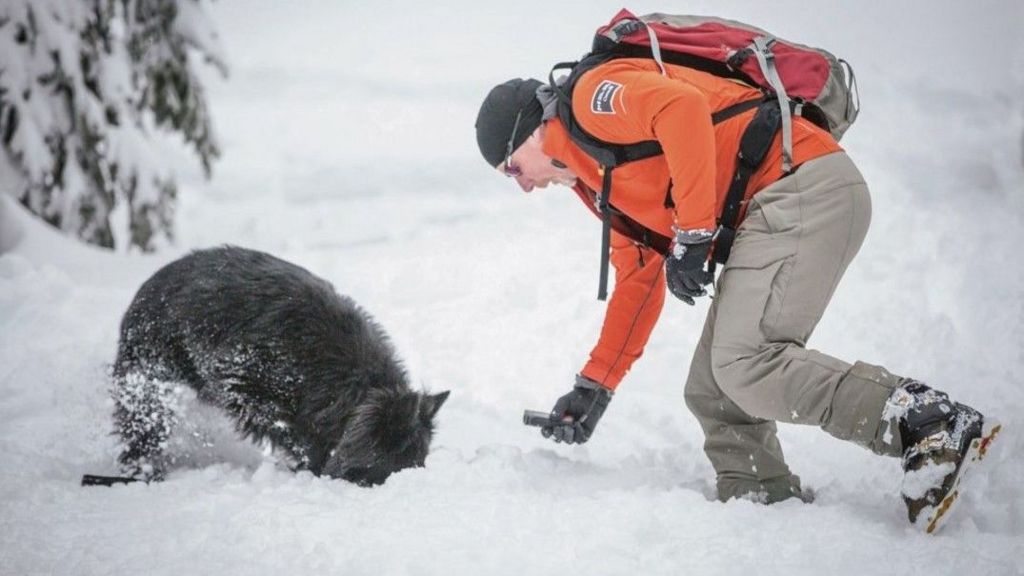
Veteran wilderness search and rescue handler Scott Ward still carries vivid, life-affirming memories from his 17 years working alongside highly trained canine partners across the rugged Canadian Rockies. He speaks of the tearful relief on parents’ faces when his team’s dog located their missing children deep in Banff National Park’s dense, sprawling old-growth forests, and a gruelling two-hour steep mountain trek where his four-legged colleague tracked a hiker with a fractured leg who was on the brink of fatal hypothermia. Now 73 and long retired, Ward calls that decades of frontline work the most gratifying of his career, but he was stunned to learn the 55-year-old Parks Canada canine rescue program he dedicated so much of his life to will be fully terminated at the end of the current month.
The shutdown is part of sweeping federal public service austerity measures rolled out under Prime Minister Mark Carney’s administration, which will see hundreds of Parks Canada employees laid off across the agency alongside a total C$145 million in budget cuts. A Parks Canada spokesperson confirmed the decision to the BBC, framing the elimination of the last remaining full-time Banff-based dog handler role as a “difficult decision” tied to efforts to modernize the agency’s law enforcement division, and insisting that all search and rescue response capabilities will be maintained via alternative operational pathways.
The move has sparked immediate and widespread public pushback: a petition launched just last Tuesday by Banff-area Conservative MP William Stevenson has already garnered more than 5,000 signatures from local residents, park visitors, and outdoor safety advocates. Stevenson, who says he broadly supports targeted government spending restraint, argues the cut is a reckless threat to public safety in a region that draws over four million annual international visitors to its unforgiving, high-altitude backcountry. “How could they possibly make such a bad choice in where to cut?” he told the BBC, noting he has already raised the issue during a late-night parliamentary sitting and is formally requesting a one-on-one meeting with Parks Canada’s chief executive to reverse the policy.
For more than half a century, the Parks Canada rescue canines were trained to detect an extraordinarily wide range of scents, ranging from tiny lost items like paper clips and shell casings to missing human beings. During frequent winter avalanche events across the Rockies, the dogs could cut hours, even days, off search timelines for buried skiers and hikers, eliminating the need for teams of rescuers to stand shoulder to shoulder probing unstable snow — a process that also exposed rescue staff to severe secondary avalanche risks. In summer months, the animals were regularly deployed to locate young children who wandered away from family campsites in the park’s vast, unmarked wilderness. The last active dog in the program, a German Shepherd named Leroy, retired in August after a seven-year career that saw him assist in tracking 156 people, successfully locating 57 lost backcountry travellers, and even supporting two murder investigations in the Banff region. Local outlet the Rocky Mountain Outlook reports that a fully trained new rescue dog was already certified and ready to take over operational duties when the termination announcement landed.
Liberal MP and parliamentary finance secretary Ryan Turnball defended the government’s broader budget priorities in parliamentary debate, stating the administration’s core focus remains on reducing the national deficit and directing public funds toward initiatives that drive long-term growth, community resilience, and widespread well-being for all Canadians. But Ward, echoing a decades-old mantra from the veteran park warden who first trained him in canine rescue operations, remains unshakable in his conviction that no technological or operational replacement can match the unique capabilities of these specialized working animals. “You can make an armpit smell like a lilac bush and you can put a man on the moon, but nothing can replace the nose of the avalanche dog,” he said, voicing hope that widespread public pressure will push the government to reverse course and reinstate the historic program.
Canada stops using ‘avalanche dogs’ for rescues in Rocky Mountains, stirring outrage