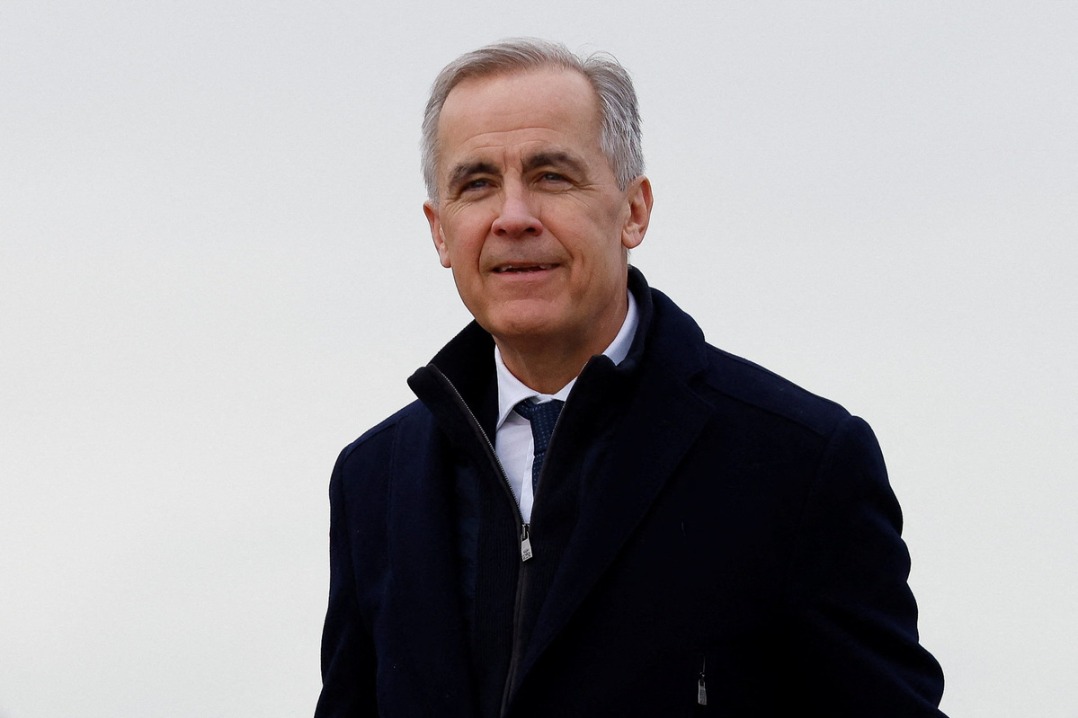
In a significant foreign policy shift, Canada is actively recalibrating its decades-long economic and security alignment with the United States. Prime Minister Mark Carney’s upcoming four-day diplomatic mission to China—marking the first Canadian prime ministerial visit since 2017—signals Ottawa’s determination to forge stronger international partnerships beyond its southern neighbor.
Recent trade data from Statistics Canada reveals a notable decline in Canadian exports to the US, hitting their lowest non-pandemic levels in decades. This downturn reflects growing bilateral tensions stemming from tariffs affecting key sectors including steel, aluminum, and automotive industries.
Professor Ronald Stagg of Toronto Metropolitan University contextualizes this development within historical patterns: “Since the economic integration accelerated during World War II and solidified through free trade agreements in the 1980s, Canadian trade with the United States has consistently expanded. The current reversal represents a fundamental break from this tradition.”
The reassessment extends beyond commerce into defense strategy. Professor Stagg highlights Washington’s “increasingly unpredictable posture toward traditional allies” and its assertion of hemispheric dominance as driving factors behind Canada’s European defense industry pact negotiations and Asian trade diversification efforts.
Former Global Affairs Canada official Jeff Mahon emphasizes that Carney’s China visit should establish “high-level consensus on the relationship’s direction,” noting that subsequent progress will require moving beyond symbolism to “tangible actions.” Mahon advocates for identifying key principles that acknowledge mutual sensitivities while pursuing “reasonable and plausible objectives.”
Concurrently, Canada is pursuing economic agreements in Southeast Asia, including ongoing regional free trade negotiations and a recently concluded bilateral pact with Indonesia, further illustrating its multilateral approach to reducing US-centric dependencies.