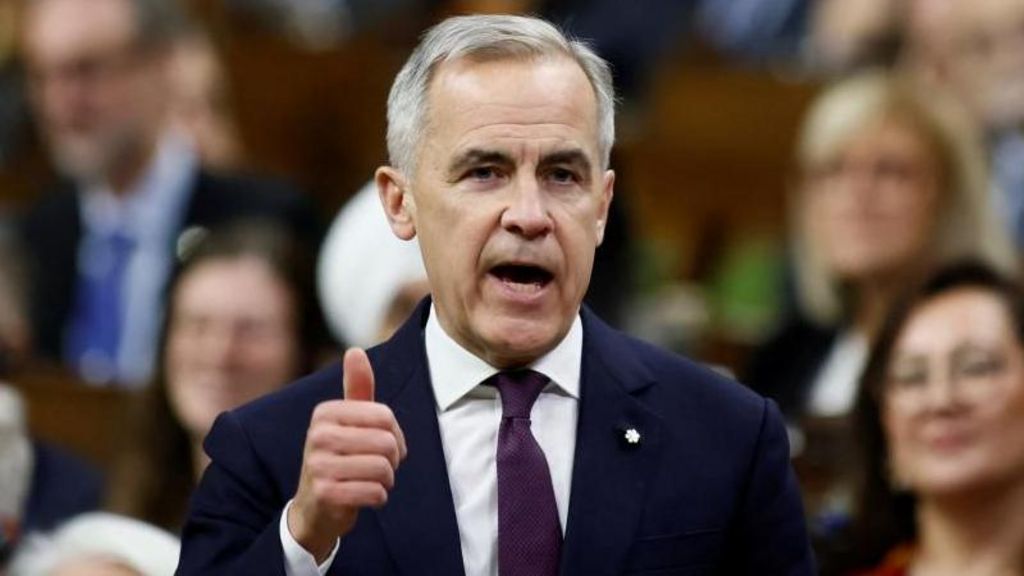
In a razor-thin vote, Canada’s Parliament has approved Prime Minister Mark Carney’s first federal budget, narrowly averting an early election for his minority Liberal government. The fiscal plan, which projects a record deficit of C$78 billion ($55.3 billion), passed with 170 votes in favor and 168 against, relying heavily on support from opposition MPs, including Green Party leader Elizabeth May. Despite widespread criticism from opposition lawmakers, Carney defended the budget as a “generational investment” aimed at bolstering Canada’s economy. The vote was pivotal for the Liberal government, which holds two seats short of a majority, necessitating support from at least two opposition MPs or abstentions from four. Two NDP MPs and House Speaker Francis Scarpaleggia abstained, while Conservative MPs Shannon Stubbs and Matt Jeneroux also refrained from voting. May’s support was secured after Carney committed to advancing Canada’s climate targets. The Conservative Party, led by Pierre Poilievre, and the Bloc Québécois opposed the budget, accusing the government of neglecting affordability concerns. Poilievre criticized the plan as a “credit card budget” that fails to address the cost-of-living crisis. Liberal MP Nathaniel Erskine-Smith expressed concerns about the budget’s shortcomings in tackling housing and climate issues. The budget proposes C$140 billion in new spending over five years to enhance productivity, competitiveness, and resilience, including investments in trade infrastructure and support for businesses affected by US tariffs. However, Carney’s plan to reduce the federal workforce by 10% has sparked backlash from public sector employees. The budget’s passage follows weeks of political drama, including the defection of Conservative MP Chris d’Entremont to the Liberals and the resignation of Matt Jeneroux, raising questions about Poilievre’s leadership.