When the upcoming FIFA World Cup kicks off this June, Group E will bring together one of the sport’s most decorated powerhouses and the smallest nation to ever qualify for the tournament, creating one of the most compelling narrative matchups of the entire group stage. Four-time champion Germany, tournament debutant Curacao, 2024 African Cup of Nations winner Ivory Coast, and South American contender Ecuador will all vie for two knockout stage spots, each carrying their own unique stakes and question marks into the competition.
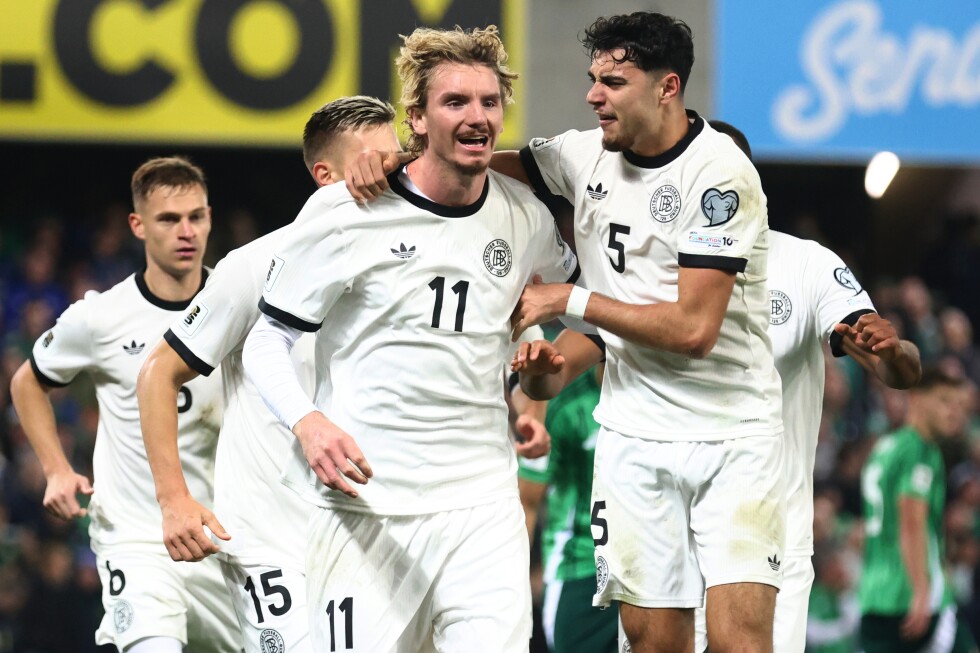
Leading the group is Germany, a nation that has defined international soccer success for decades but enters the tournament carrying heavy pressure to end a decade-long underperformance slump. Since lifting the World Cup trophy in 2014, Die Mannschaft has crashed out in the group stage in both the 2018 and 2022 tournaments, making an early exit this time around unthinkable for the historically dominant side. Under new manager Julian Nagelsmann, the team is building its attack around dynamic Liverpool playmaker Florian Wirtz, who has emerged as the creative hub of the side. Nagelsmann also has promising young talent to deploy: 1.98-meter striker Nick Woltemade, whose imposing frame creates constant problems for opposing defenses, and 18-year-old midfielder Lennart Karl, who many analysts tip as a potential breakout star of the entire tournament.
Still, major question marks hang over Germany ahead of kickoff. A tense 4-3 friendly win over Switzerland in March exposed persistent defensive vulnerabilities, rekindling criticism of Nagelsmann’s controversial decision to bench veteran Real Madrid center back Antonio Rüdiger. The side has not tested itself against top-tier global competition since dropping losses to France and Portugal in 2023, and the team has yet to find a proven, reliable successor to long-time starting goalkeeper Manuel Neuer. One interesting addition to the squad is defender Nathaniel Brown, who was eligible to represent the United States but ultimately elected to play for his country of birth, Germany.
For Curacao, just reaching the World Cup is a historic milestone that no other small nation has ever achieved. The Caribbean island nation, with a total population of just 156,000, will open its first ever World Cup campaign against the four-time champions, a matchup that ranks as one of the most daunting opening fixtures in modern tournament history. The side faced a major setback in pre-tournament preparations back in February, when veteran Dutch manager Dick Advocaat stepped down from his role to care for his daughter, who faces health issues. The federation moved quickly to replace Advocaat with Fred Rutten, a well-traveled coach with experience at top Dutch clubs including FC Twente, PSV, and Feyenoord, as well as German side Schalke 04. Like many former Dutch Caribbean territories, Curacao’s national squad relies heavily on players born and developed in the Netherlands, giving the side a level of talent that defies its small domestic player pool.
Ivory Coast returns to the World Cup for the first time in a decade, ending a long drought that followed the retirement of its iconic golden generation led by stars Didier Drogba and Yaya Touré. For years after that core retired, the Elephants struggled to rebuild, failing to qualify for three consecutive World Cup cycles. A stunning turnaround came earlier this year, when a new young generation of Ivorian talent stunned the continent by winning the 2024 African Cup of Nations on home soil, and sealed their World Cup spot by finishing top of their qualifying group. This will mark Ivory Coast’s fourth appearance at the tournament, and the side will be chasing its first ever knockout stage berth, having fallen in the group stage in all three of its previous runs. The team is led by manager Emerse Fae, who took the job midway through AFCON 2024 and steered the side all the way to the trophy, with Manchester United winger Amad Diallo standing out as the new generation’s biggest attacking star.
Completing the group is Ecuador, a South American side that will pin its hopes of a first knockout stage berth in 20 years on Premier League superstar Moises Caicedo. The powerhouse midfielder made British soccer transfer history in 2023, when he joined Chelsea from Brighton & Hove Albion for a $146 million fee, making him the most expensive British transfer acquisition ever. If Ecuador is to reach the knockout round for just the second time in its history, Caicedo’s form in the center of the park will be the deciding factor. The side overcame early adversity to qualify, finishing second in the South American standings behind defending World Cup champion Argentina even after opening the qualifying campaign with a three-point deduction for a document irregularity stemming from the 2022 qualifying cycle. Veteran forward Enner Valencia led the side’s qualifying effort, scoring six of Ecuador’s 14 total goals to secure the team’s spot in the tournament.
As all four sides finalize their preparations ahead of the June kickoff, Group E stands out as a microcosm of what makes the World Cup unique: a stage where underdogs can upset the odds, powerhouses fight to reclaim their legacy, and new generations of talent get their chance to shine on soccer’s biggest global stage.