After nearly four years of all-out conflict between Russia and Ukraine, stalled US mediation efforts and escalating Russian military aggression have pushed Kyiv to call on the European Union to step into the diplomatic void, launching a new push for negotiated peace that will top the agenda at this week’s informal gathering of EU foreign ministers in Cyprus.
Ukraine’s top diplomat Andrii Sybiha told the BBC that Kyiv is eager to inject fresh momentum into stalled peace talks, calling for a new negotiation format that includes far more active engagement from European powers. While names of potential European mediators have circulated in diplomatic circles – including former German Chancellor Angela Merkel and ex-Italian Prime Minister Mario Draghi – Sybiha declined to confirm any specific candidates. A spokesperson for Draghi declined to comment on the speculation when contacted by the outlet.
Finnish President Alexander Stubb, one figure who has been open to the possibility, said over the weekend that he would “probably not turn down” the mediation role if asked, though he stressed his participation would only come after Russia agrees to a much-needed ceasefire. To date, Russia has given no indication it is prepared to pause its military operations. Over the same weekend that Stubb made his remarks, Russian forces launched one of the most intensive missile and drone barrages on Kyiv of the entire war, and later threatened to carry out systematic strikes on the Ukrainian capital, urging foreign nationals to evacuate and warning residents to take shelter.
Russia has repeatedly rejected any role for the EU in talks, accusing the bloc of arming Kyiv and undermining Washington’s previous peace efforts. Moscow has long preferred to negotiate directly with the US, a preference driven in part by a desire for greater geopolitical status, and in part by the far softer approach taken by Donald Trump’s administration envoys, who have consistently placed far more pressure on Ukraine than on Russia to make concessions.
That US-led approach has ultimately failed to produce progress. Last week, US Secretary of State Marco Rubio said Washington was not willing to host “an endless cycle of meetings that lead to nothing”, though he later walked back the comment to confirm the US remains open to mediating if a viable opportunity arises. With US momentum drained, the EU is now moving to explore its own role, with the goal of ensuring any eventual peace deal protects both Ukraine’s sovereignty and European collective security.
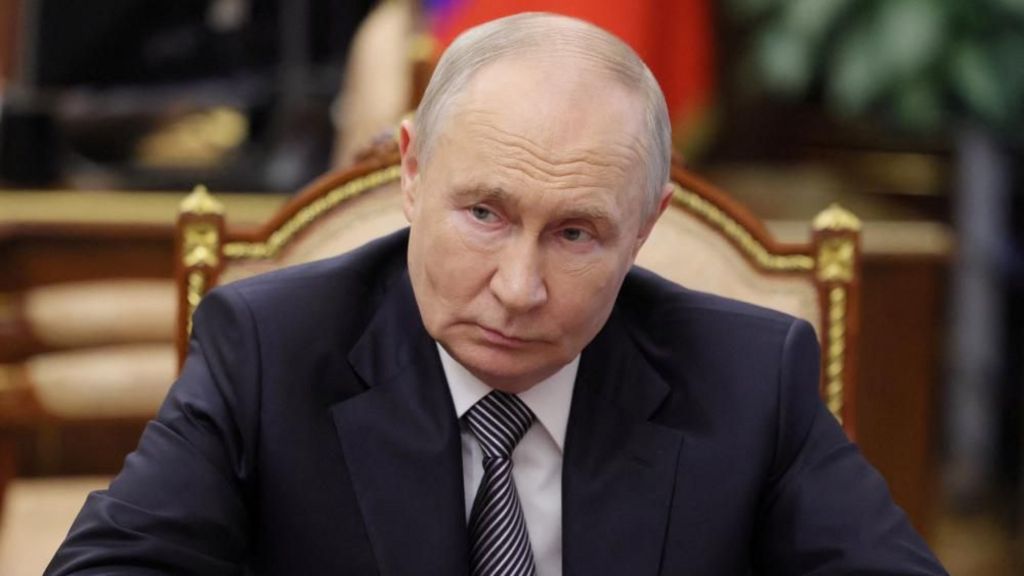
Russian President Vladimir Putin has claimed he is open to EU mediation as long as the appointed envoy has not previously made critical statements about Moscow. His only publicly suggested candidate is former German Chancellor Gerhard Schröder, a known close ally of the Kremlin and long-standing lobbyist for Russian energy interests. EU foreign policy chief Kaja Kallas immediately rejected the suggestion, arguing Schröder would effectively be “sitting on both sides of the negotiating table”.
The two-day informal meeting opening in Cyprus on Wednesday is designed to allow ministers to debate the proposal with far more flexibility than a formal EU summit, though deep divisions remain across the bloc. Since Russia launched its full-scale invasion in 2022, most EU member states have adopted a policy of diplomatic isolation and sweeping economic sanctions on Moscow, and not all capitals agree that reopening even limited contacts is a wise move. Nations like Sweden and Lithuania argue Russia is already strategically overstretched and that the bloc should increase, not ease, pressure on Moscow. Others, including Italy, contend that Europe can no longer afford to remain on the diplomatic sidelines.
Kallas first circulated preliminary discussion points back in March, which one senior EU official described as “food for thought” to guide early talks. Her goal is to agree a unified EU position on engagement with Russia and establish clear red lines before any formal contacts are opened. While the proposal of appointing an EU mediator – or even a group of mediators – will be discussed in Cyprus, any formal decision will be deferred to a meeting of EU heads of state scheduled for next month.
For Ukraine, the priority is breaking the diplomatic deadlock without getting bogged down in procedural delays. An EU official confirmed Kyiv is pushing for rapid progress, with Sybiha warning: “This must not become a prolonged process focused only on discussions about who should represent, how many people, and what format. No. This must happen quickly.”
Analysts based in Kyiv caution that any EU mediation effort is doomed to fail unless the bloc approaches talks from a position of clear strength. Yaroslav Smovzh, a security analyst at the Adastra think tank in Kyiv, argued that Europe has in recent years lost much of its diplomatic agency on the global stage, particularly when it comes to this large-scale war on the continent. “If Europe wants to act as an independent and neutral intermediary it will not yield any results, just like the US did not achieve any success,” Smovzh said, adding that Russia can only be pushed to meaningful talks if it faces credible pressure and deterrence. “So far Europe’s response to Russia’s behaviour in its territory has been somewhat unconvincing,” he added.
As EU diplomats prepare for this week’s talks, Ukraine has been stepping up its own independent pressure on Russia, carrying out repeated long-range strikes on key Russian oil export infrastructure – strikes Kyiv describes as its own “long-range sanctions”. Russia’s recent large-scale escalation of attacks on Ukrainian cities indicates the strikes have shaken the Kremlin, but that does not mean serious peace negotiations are imminent.
Ehor Chernev, a Ukrainian lawmaker from President Volodymyr Zelensky’s ruling Servant of the People party, acknowledged that there are currently no signals Russia is ready to end the war. Even so, Chernev said that with US interest in pushing for peace waning, Europe is well positioned to bring new energy to the diplomatic process. “They will represent the EU, which clearly understands the threat from Russia,” he noted.