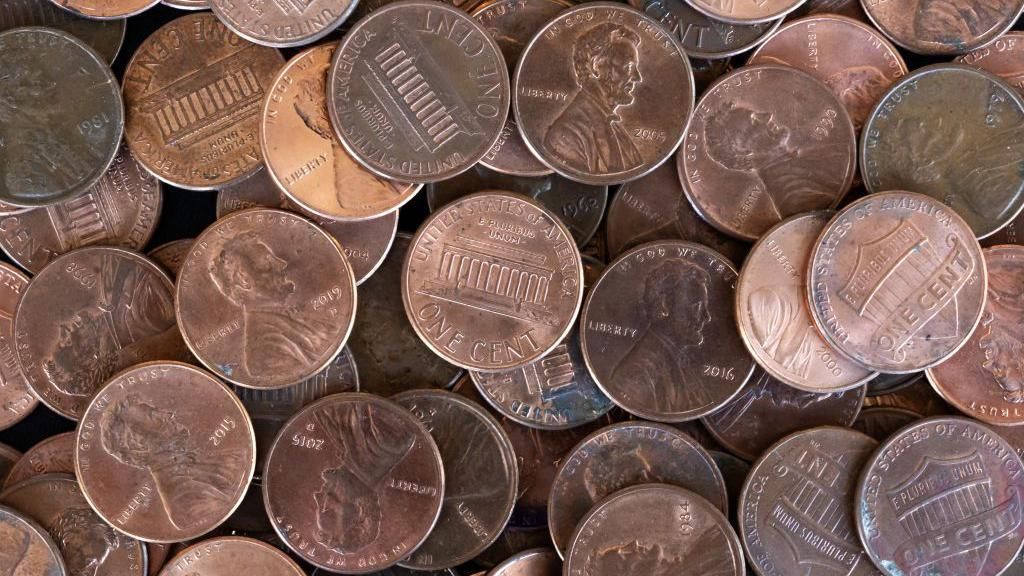
The discontinuation of the US penny has created a ripple effect across businesses, leaving many struggling to manage cash transactions. Earlier this year, the Trump administration halted the production of the one-cent coin, citing excessive costs and inefficiency. Since the US Mint officially ceased minting pennies in May, the shortage has intensified, with banks unable to replenish their supplies. This has forced retailers to adopt creative solutions, such as rounding cash transactions to the nearest five cents. However, this practice has sparked confusion and financial strain, particularly for businesses reliant on cash payments. Dylan Jeon, senior director of government relations at the National Retail Federation, highlighted the widespread impact, noting that the shortage affects any business handling cash. Convenience stores, in particular, have been hit hard, with industry giant Kwik Trip estimating losses of up to $3 million this year due to rounding down transactions. While some cities mandate exact change, many retailers are opting to round down to avoid legal disputes and customer dissatisfaction. Mark Weller, executive director of Americans for Common Cents, emphasized the disproportionate effect on lower-income Americans who rely on cash transactions. He argued that the savings from discontinuing penny production may be offset by the increased demand for nickels, which are more expensive to produce. As the shortage persists, calls for federal guidance on rounding practices and transaction management have grown louder. Despite the challenges, pennies remain in circulation, often forgotten in pockets or stored in jars, leaving businesses and consumers alike navigating an uncertain financial landscape.