London’s iconic British Museum is now under growing pressure to re-evaluate a major £5 million sponsorship deal for its landmark Bayeux Tapestry exhibition, after newly released internal documents exposed gaps in the institution’s due diligence process regarding the sponsor’s ties to a project in an illegal Israeli settlement in the occupied West Bank.
The documents, obtained via a freedom of information (FOI) request from campaign group Culture Unstained and shared exclusively with Middle East Eye, lay bare the rapid timeline of negotiations that secured the sponsorship from Igor Tulchinsky, a US-based billionaire hedge fund founder and avowed Israeli supporter. What makes the deal particularly controversial is that the courtship of Tulchinsky by museum leadership continued even as he visited the illegal Efrat settlement to open a so-called “therapy yurt” he funded, just two weeks after the museum’s chair signed off on due diligence that had cleared Tulchinsky of any red flags.
Tulchinsky, who launched investment firm WorldQuant in 2007 after 12 years at New York hedge fund Millennium Management, traveled to Efrat – part of the expanding Gush Etzion settlement bloc southeast of Jerusalem – on November 13, 2025 to inaugurate the facility, which he reportedly dedicated to what he called “Israel’s heroes.” During his remarks, he described the yurt as “Israel’s inner Iron Dome” and paid tribute to “Israel’s brave warriors and their families.”
The sequence of emails reveals that the deal originated from direct intervention by George Osborne, former UK Chancellor of the Exchequer and current chair of the British Museum’s board of trustees. In early October 2025, Osborne connected the museum’s development director Charlotte Appleyard to a contact at Millennium Management, the hedge fund with extensive overlapping business ties to Tulchinsky. WorldQuant currently manages roughly $9 billion in assets on behalf of Millennium, and the two firms share a single chief communications officer.
By October 30, Appleyard sent Osborne a summary of the museum’s due diligence findings, noting “moderate concerns” about Millennium that she framed as typical for a large financial firm, but “no concerns” regarding Tulchinsky. The internal due diligence document includes a partially redacted section labeled “Key Due Diligence Flags,” and an entirely redacted section on Tulchinsky’s personal interests, redacted under FOI exemptions for commercial interests. Just 80 minutes after receiving the report, Osborne greenlit negotiations to proceed.
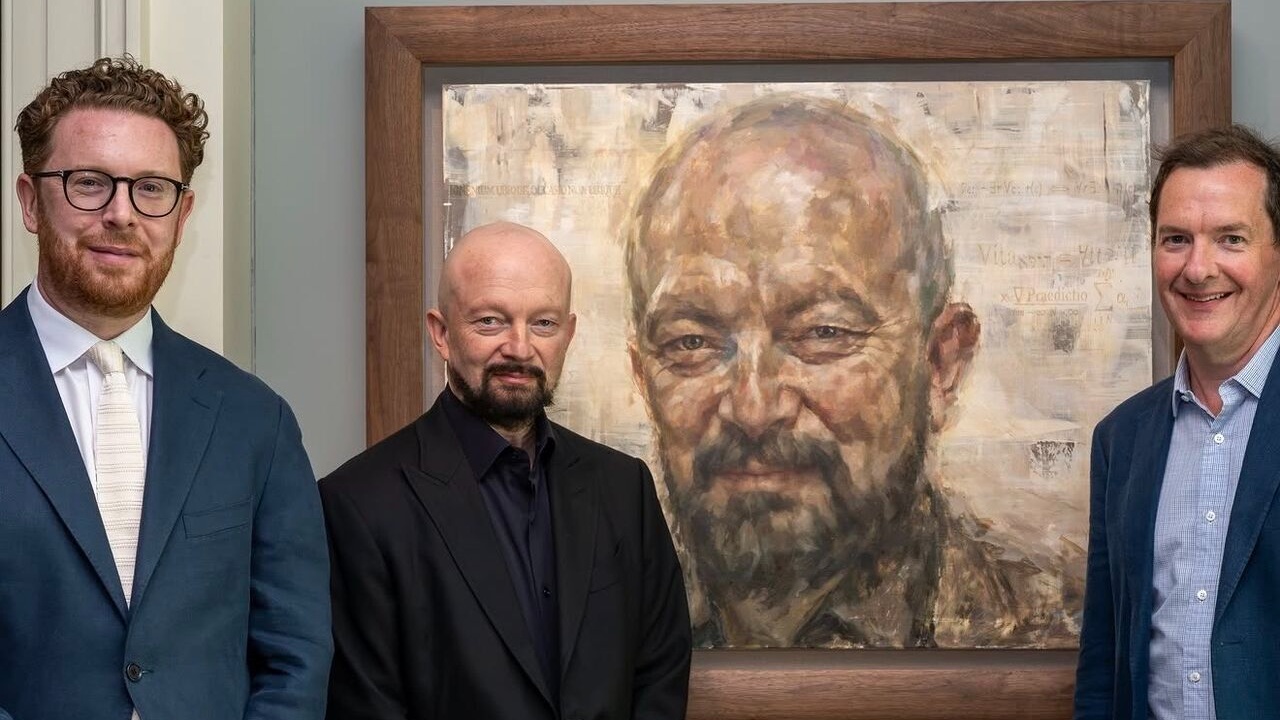
Two weeks later, Tulchinsky made his visit to Efrat. Only another two weeks after that, Appleyard notified Osborne that Tulchinsky had formally committed to the sponsorship. The £5 million deal was finalized and publicly announced in February 2026, and Tulchinsky has been a central figure in the museum’s marketing for the landmark exhibition – the first time the 11th-century Bayeux Tapestry, which chronicles the Norman invasion of England, has been displayed in London. He appeared alongside King Charles III, French President Emmanuel Macron, and British Prime Minister Andy Burnham at the opening ceremony last month, and the museum has opened a dedicated Igor Tulchinsky members’ room with a commissioned portrait of the billionaire on display for the exhibition’s run. Tulchinsky is also set to host the museum’s high-profile annual fundraising gala this coming Saturday, an event expected to draw a host of top dignitaries and celebrities.
The recent revelations come at a moment when the UK government has hardened its official stance on Israeli settlements in the West Bank. Last month, Foreign Secretary Ed Miliband announced new sanctions targeting individuals and entities that support settlement expansion, and confirmed the UK now accepts the International Court of Justice’s ruling that Israel’s entire occupation of the West Bank and East Jerusalem is illegal. This new policy framework has amplified calls for the museum to revisit the sponsorship deal.
Culture Unstained’s spokesperson argues that the museum’s current acceptance of Tulchinsky’s funding not only contradicts UK government policy but may also violate the Museums Association’s Code of Ethics. The group is calling for an urgent review of Tulchinsky’s ties to the institution. The International Centre of Justice for Palestinians has echoed those calls, urging the UK’s Department for Digital, Culture, Media and Sport (DCMS) – which regulates the British Museum, an independent public institution – to address the concerns quickly, and has called for a national ban on British cultural institutions accepting donations from individuals linked to activity in illegal settlements.
Senior political figures have already raised formal objections: Green Party leader Zack Polanski has called for a full independent investigation into the deal, while Liberal Democrats culture spokesperson Anna Sabine questioned the government in parliament about whether the sponsorship aligns with the UK’s new sanctions regime. In a written response this week, DCMS minister Ian Murray noted that national museums like the British Museum operate with operational independence from government, and decisions around sponsorship and donations are the sole responsibility of the institution’s board of trustees, which adopted a new donations policy in July 2026. Murray confirmed the government has no plans to change that existing governance structure, and that no government ministers will attend Saturday’s fundraising gala.
Legal advocates point out that the terms of the sponsorship agreement itself give the museum grounds to terminate the deal if new information emerges that would cause significant reputational damage. Jolyon Maugham, director of the Good Law Project, notes that the contract requires the museum to continue monitoring the sponsor’s activities and permits termination if future actions harm the institution’s reputation. “Obviously, in practice, it is easier to refuse to take the money than to give it back once you have taken it,” Maugham added.
Beyond the settlement yurt, additional public records show Tulchinsky has longstanding pro-Israel commitments and extensive business activity in the country. He confirmed in a March 2026 interview with the *Jerusalem Post* that he provided financial support to the Israeli military following the October 7, 2023 Hamas attacks and the subsequent Gaza war. Earlier this year, he launched a Tel Aviv-based defense technology venture capital fund led by a recently retired Israeli army commander who has been linked by human rights monitors to alleged war crimes in Gaza. There is no indication that museum leadership was aware of Tulchinsky’s Efrat visit or his funding of the yurt during the 2025 sponsorship negotiations.
As of this reporting, the British Museum, DCMS, WorldQuant, and Millennium Management have all declined to comment on the revelations.