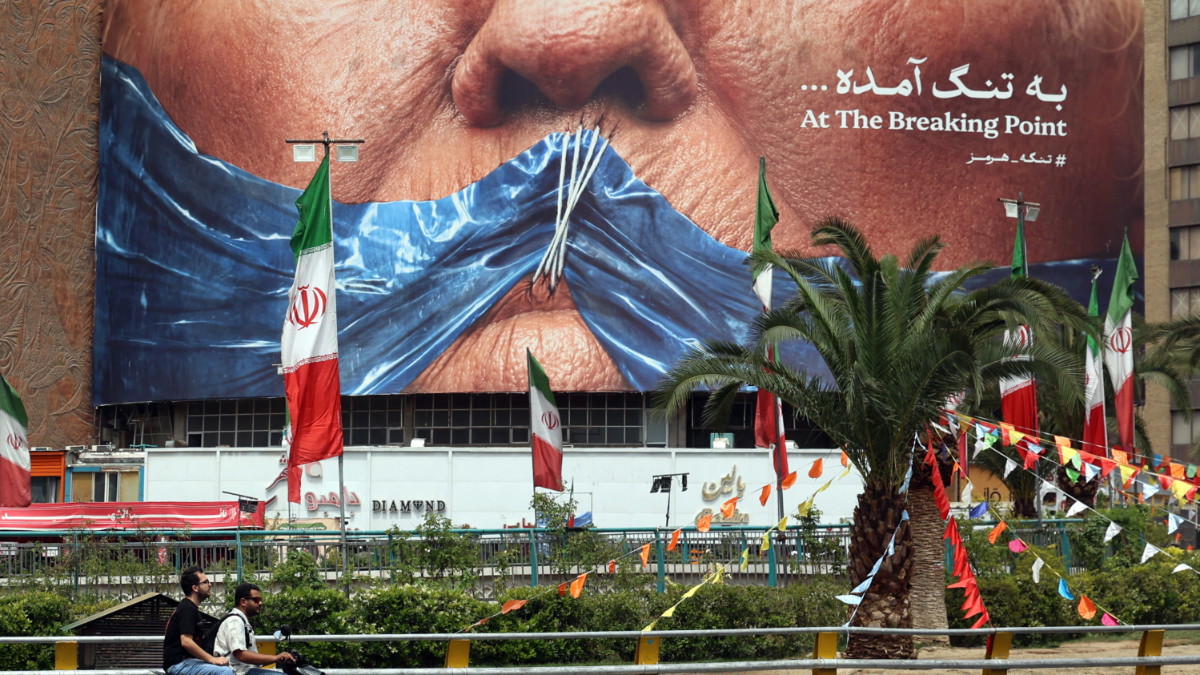
Top leaders of America’s largest energy firms issued a stark warning Thursday: global oil markets are poised for a dramatic price surge this summer, after months of drawing down emergency stockpiles to offset disruptions to shipping through the Strait of Hormuz have left the world with no remaining safety buffers.
Speaking at an energy conference hosted by investment bank Bernstein, Neil Chapman, senior vice president at ExxonMobil, underscored just how tight stockpile levels have become. “We’re approaching unheard of inventory levels. I mean, really, really low levels. You can debate whether that’s going to hit those really low levels in two weeks or three weeks. Once you get to that point, then you’ll see [the] price shoot up,” Chapman told attendees. He projected that once inventories hit their floor, international benchmark dated Brent crude could surge to between $150 and $160 per barrel.
Chevron CEO Mike Wirth echoed those concerns at the same event, noting that the “buffers and the shock absorbers” that have kept oil prices stable in recent months have been steadily depleted. “Over the next few weeks, we’re likely to see those pressures flow through more directly to physical prices, and there’s more upwards pressure that I would expect as we get into June and certainly into July,” Wirth said. If elevated prices persist, he added, the global economy will almost certainly tip into a recession.
As of Thursday trading, Brent crude held at roughly $93 per barrel, marking a 16% drop for the month. That decline stems from market optimism that Washington and Tehran could reach a deal to reopen the strategic waterway. The White House confirmed Thursday it has reached a tentative agreement for a 60-day ceasefire extension to reopen the strait, but the deal still requires formal approval from former U.S. President Donald Trump and senior Iranian leadership. For weeks, U.S. and Israeli media have repeatedly reported that a deal is imminent, though no agreement has yet been finalized.
The Strait of Hormuz, which carried roughly 20% of global oil trade before the outbreak of hostilities, has been closed to most commercial shipping for months. Industry analysts initially predicted an immediate price spike after the closure, but two key factors softened the blow: a sharp drop in Chinese crude oil demand that freed up millions of barrels for other markets, and unprecedented draws from the U.S. Strategic Petroleum Reserve. To date, the U.S. has withdrawn 172 million barrels of oil from its emergency reserve, pushing stockpiles to their lowest level in 40 years. Commercial industry inventories of crude, gasoline, diesel and jet fuel have also dropped to all-time record lows, Chapman confirmed in comments posted to social media from his conference address.
Even with the emergency stockpile releases, U.S. retail gasoline prices have already surged 50% since the onset of the conflict. The U.S., which boasts the world’s largest domestic energy industry, has been far more insulated from price shocks than import-dependent nations. East Asian economies, which rely heavily on Gulf energy exports, are already facing a severe supply crunch, with regional spot prices for crude already hovering near $150 per barrel according to industry experts. Last month, HSBC CEO Georges Elhedery revealed that some importers in South Asia have already paid as much as $286 per barrel to secure shipments, with Sri Lanka recording the highest recorded transaction.
Even if a ceasefire is reached and the strait reopens, the damage to regional energy infrastructure will not be quickly undone. Wirth noted that Gulf energy producers including Bahrain and Qatar have already sustained significant damage to oil and gas facilities, and full repairs will cost billions of dollars, leaving long-term supply constraints even after shipping resumes.