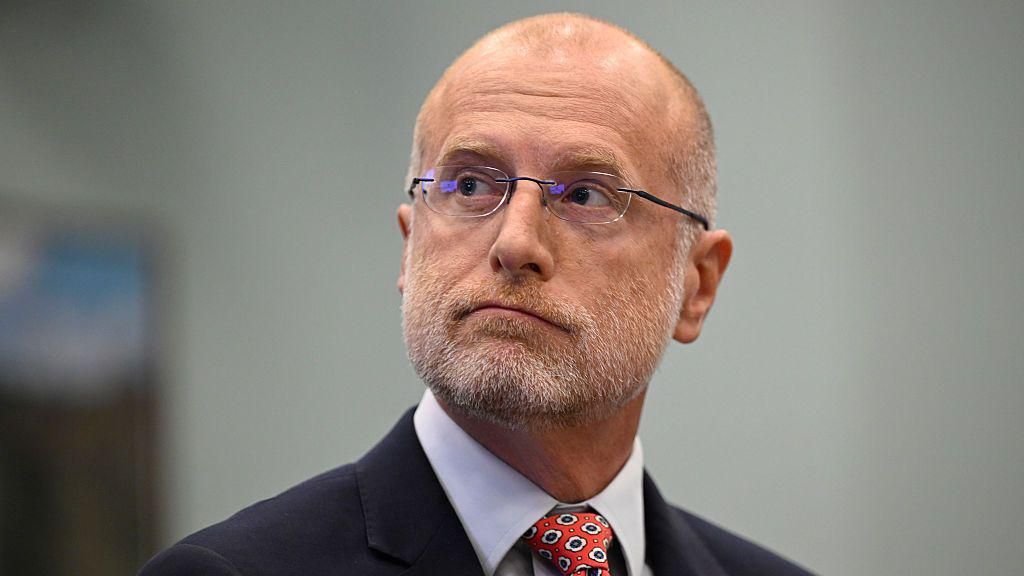
The U.S. media landscape is undergoing a seismic shift, marked by heightened tensions between the Trump administration and major broadcast networks. The indefinite suspension of Jimmy Kimmel’s long-running ABC show has become the latest flashpoint in this ongoing conflict. Kimmel, a staple of late-night comedy, faced backlash after making controversial remarks following the murder of Charlie Kirk, which appeared to mock President Trump and his supporters. This incident has reignited debates over media bias and government interference in editorial content. The Trump administration, led by Federal Communications Commission (FCC) Chairman Brendan Carr, has been actively scrutinizing media companies, accusing them of liberal bias and threatening regulatory action. Carr, described by Trump as a ‘warrior for free speech,’ has expanded the FCC’s purview to include tech giants like Apple and Google, alleging they participate in a ‘censorship cartel.’ The administration’s aggressive stance has prompted some media companies to settle lawsuits and revise editorial policies, while others, like The New York Times, have vowed to resist intimidation. Critics, including some conservatives, warn that these actions could endanger free speech. Meanwhile, media consolidation and the conservative leanings of certain owners have made the industry more susceptible to government pressure. Despite these challenges, some outlets remain defiant, asserting their commitment to independent journalism.