For years, the central Mexican state of Zacatecas was synonymous with brutal, narcotics-fueled bloodshed. Tucked between Mexico’s central interior and its northern and western borders, the region holds unrivaled strategic value for criminal cartels moving cocaine and other illicit substances north to the massive consumer market in the United States. Rival gangs fought endless territorial wars here, leaving bodies strewn across public spaces and communities terrorized by widespread disappearances, with killings reaching a peak of roughly 1,300 in 2022, according to official Mexican government data.
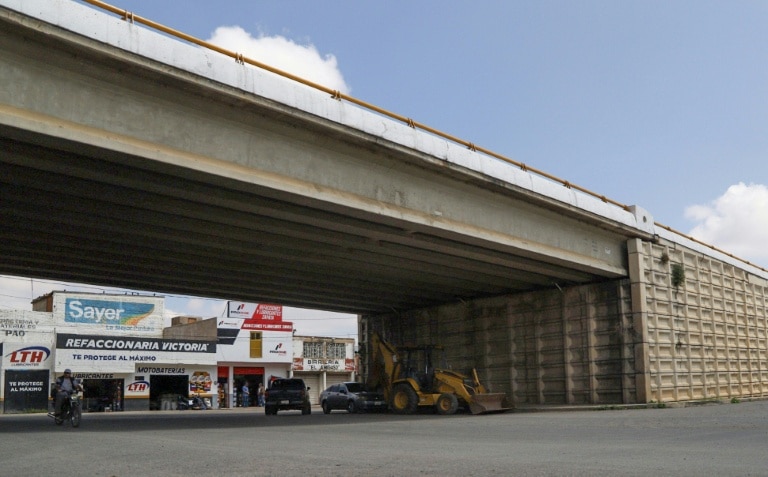
By 2025, however, a fragile calm took hold. Government figures showed homicides plummeted to just 144 that year, a drop officials credited to improved coordination between state and federal law enforcement agencies. For residents of small agricultural towns like Pozos de Gamboa—a tight-knit community of 5,000 people best known for its bean crop—this new quiet felt like a chance to return to normal life. That hope shattered abruptly on July 18, when locals woke to a horrific, familiar sight: five bodies, including those of a former mayor, local civil servants and out-of-state business owners, hanging from a highway bridge on the edge of town. Five additional bodies were discovered in other parts of Pozos de Gamboa the same day.
The gruesome discovery has thrown the tiny town back into a state of paralyzing fear. Residents now lock their doors well before sunset, avoid public spaces after dark, and refuse to speak openly about the killings for fear of retaliation from cartel members. An anonymous local resident, speaking to Agence France-Presse on condition of anonymity to protect his safety, described Pozos de Gamboa as a hollow ghost town. “Here, you always used to see people out and about,” he said. “But now, at 9 in the evening there is no one out on the street.” Like many in the town, he has already lost a family member to cartel violence, noting that gangs often kill over trivial disputes and go to great lengths to hide evidence of their crimes. “They kill over nothing at all,” he added.
The bridge where the five bodies were displayed is no stranger to cartel intimidation tactics. Local residents confirmed it has been used for decades as a billboard for gangs to send violent messages to rivals and security forces. A street food vendor told AFP she spotted the hanging bodies as early as 4 a.m. that day, a sight that immediately brought back memories of the worst years of Mexico’s national drug war, which began in 2006 when the federal government deployed military forces to combat cartel activity. In that era, public displays of bodies like this were a common tactic to intimidate opponents and authorities.
The killings have drawn swift intervention from Mexico’s federal government. Under President Claudia Sheinbaum, a leftist leader who has already deployed military troops to other violence-plagued states including Sinaloa and Michoacan, authorities have opened a full criminal investigation into the massacre and promised to arrest all those responsible. The state government of Zacatecas has requested additional support from the Mexican Army and National Guard to bolster security across the region, and has reaffirmed its commitment to reversing the recent gains cartels have made. Currently, only a small number of police patrols are visible along the highway connecting the state capital to Pozos de Gamboa, with no permanent roadblocks in place.
The violence also comes amid ongoing international pressure on Sheinbaum’s administration from U.S. President Donald Trump, who has demanded Mexico take more aggressive direct action against cartels to stem the flow of illicit drugs across the shared U.S.-Mexico border. The two largest Mexican cartels, Jalisco New Generation and Sinaloa, have been locked in a bitter battle for control of Zacatecas’s smuggling routes for years, a conflict that drove the state’s original wave of bloodshed. For residents of Pozos de Gamboa, the bridge killings are a devastating confirmation that the cartel conflict never truly went away—it was only lying in wait.