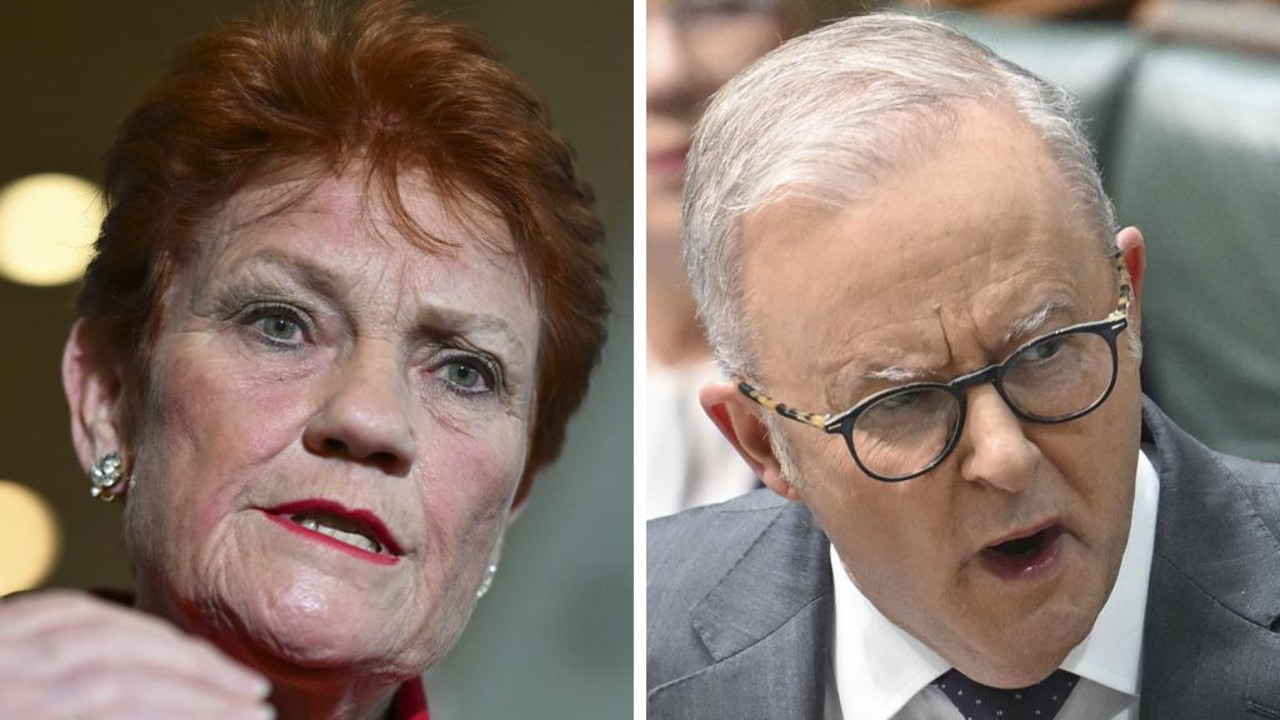
Australia’s ruling Labor government has suffered a significant political setback, with a new post-budget poll revealing a dramatic surge in support for right-wing populist party One Nation that has shaken the country’s political landscape.
The latest Roy Morgan survey, carried out between May 13 and 14 among 2,300 registered voters via text messaging, is the first major independent poll released since Labor handed down its controversial 2026-27 federal budget, which included proposed changes to negative gearing and capital gains tax rules for housing investors. The data shows One Nation has overtaken Labor on primary vote support, hitting 32 per cent compared to Labor’s 28.5 per cent.
When looking at two-party preferred voting, the poll shows One Nation and Labor are neck-and-neck: 49 per cent of respondents said they would back One Nation against Labor, leaving the incumbent government with just a tiny, statistically insignificant edge. When matched against the center-right Coalition, One Nation claimed a narrow 51 per cent to 49 per cent two-party preferred lead. For context, the Coalition currently trails far behind both One Nation and Labor on primary votes, sitting at just 45 per cent, giving One Nation a clear lead over the traditional major conservative party.
The poll also delivers a damning verdict on the performance of Prime Minister Anthony Albanese and Treasurer Jim Chalmers. A 59 per cent majority of Australian voters disapprove of Albanese’s job performance, compared to just 40 per cent who approve. For Chalmers, disapproval stands at 57 per cent. This dissatisfaction cuts across demographic lines: it spans both genders, every age bracket, and nearly all Australian states. Only Tasmania recorded a narrow majority of approval for the Prime Minister.
A breakdown of voter motivation highlights stark differences between the two parties’ support bases. For Labor voters, top drivers are shared values around social justice and fairness, cited by 42 per cent, and alignment with party policy, named by 39 per cent. In contrast, 58 per cent of One Nation voters said cutting immigration was their core motivation, while 52 per cent identified their vote as a rejection of the two long-dominant major parties.
One Nation’s rising electoral momentum comes off the back of a recent milestone for the minor party: it recently secured only its second ever lower house seat, with David Farley winning the seat of Farrer vacated by former Liberal leader Sussan Ley. The Coalition has already promised to repeal Labor’s controversial housing tax changes if it wins office, adding further volatility to the policy debate.
Most critically, the poll projections indicate that if a general election were held now, the most likely outcome would be a hung parliament, regardless of whether One Nation faces off against Labor or the Coalition. This result points to a sustained collapse in support for Australia’s traditional major parties, and a growing shift toward anti-establishment politics in the country, with the 2026-27 budget’s contentious tax changes acting as a catalyst for One Nation’s latest surge.