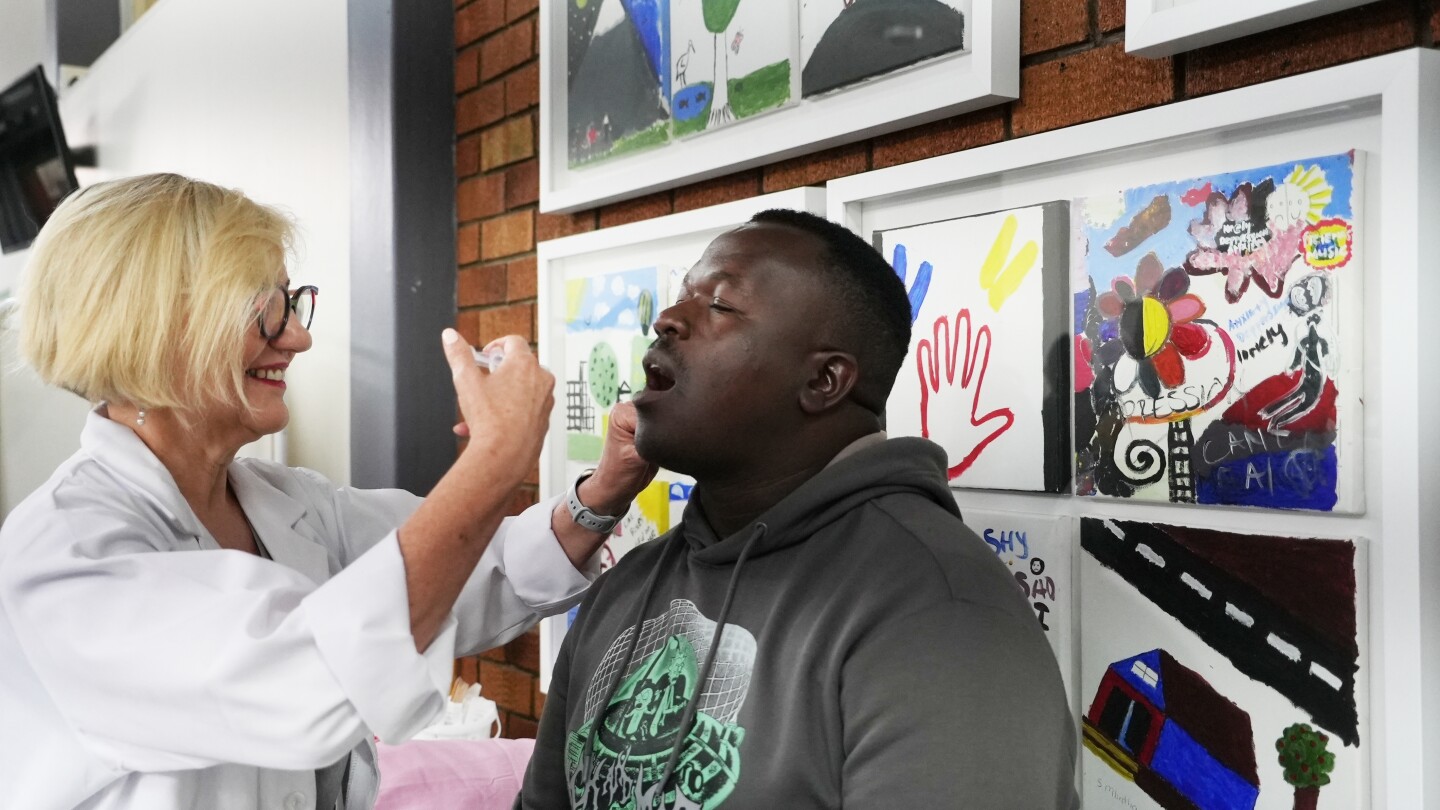
South Africa has taken a monumental step in public health by initiating clinical trials for its first locally developed oral cholera vaccine. The vaccine, created by Cape Town-based pharmaceutical company Biovac, is currently being tested for safety in adults. Subsequent trials will compare its efficacy to existing cholera vaccines already available globally. Health Minister Aaron Motsoaledi announced that, pending successful results, the vaccine could be approved and distributed across Africa by 2028. This development marks a significant milestone in enhancing vaccine accessibility and self-reliance on the continent. Motsoaledi emphasized that while South Africa has experienced relatively low cholera rates, many African nations frequently devastated by outbreaks stand to benefit immensely. The COVID-19 pandemic underscored Africa’s vulnerability to pandemics due to its reliance on imported vaccines. Cholera outbreaks in South Africa are often fueled by cross-border movements and inadequate access to clean water, particularly in regions like Hammanskraal, near Pretoria. The 2023 cholera outbreak resulted in 47 deaths and over 1,400 reported cases, with neighboring countries like Malawi, Mozambique, and Zimbabwe facing even higher tolls. Motsoaledi highlighted that local vaccine production reduces vulnerability to supply chain disruptions, geopolitical pressures, and vaccine nationalism, which were evident during the pandemic. Trials are being conducted in Gauteng, Eastern Cape, and KwaZulu-Natal, areas previously affected by cholera. Biovac CEO Morena Makhoana stressed that this initiative addresses a critical global need amid recurring cholera outbreaks and vaccine shortages. Participants like Lerato Maleka and Shadrack Makutu shared their motivations for joining the trials, citing water quality issues and personal experiences with cholera outbreaks. The World Health Organization estimates that cholera affects up to 4 million people annually, causing between 21,000 and 143,000 deaths worldwide.
Biovac starts trials on South Africa’s first domestically developed cholera vaccine