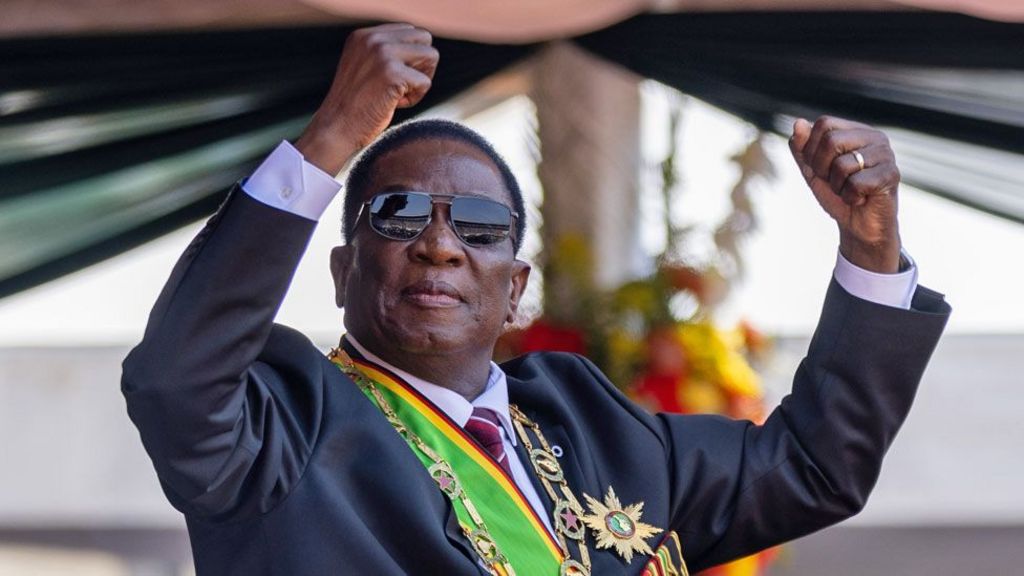
Zimbabwe’s government has initiated a controversial constitutional overhaul that could permit President Emmerson Mnangagwa to remain in power until 2030. The cabinet-approved draft legislation proposes fundamental changes to presidential elections, shifting from direct public voting to parliamentary selection while extending term limits from five to seven years.
The proposed constitutional amendments would establish a two-term maximum for presidents, potentially allowing the 83-year-old leader to extend his tenure beyond the scheduled 2028 expiration. Justice Minister Ziyambi Ziyambi confirmed that public consultations will precede parliamentary debate, though the ruling Zanu-PF party dominates both legislative chambers.
Legal scholars anticipate challenges to the proposed changes, noting that constitutional modifications affecting term limits require national referendums under existing law. Additionally, legal provisions explicitly prohibit amendments that benefit incumbent officials.
Mnangagwa, nicknamed “The Crocodile” for his political shrewdness, initially assumed power following the 2017 military coup that deposed long-time leader Robert Mugabe. His subsequent electoral victories in 2018 and 2023 faced substantial dispute from opposition groups and international observers.
The current push for extended governance echoes historical patterns in Zimbabwean politics. In 2013, citizens overwhelmingly supported term limits through a national referendum during Mugabe’s prolonged rule, which began at independence in 1980.
Mnangagwa’s political maneuvers have faced internal resistance, most notably from Blessed Geza, a respected independence war veteran and Zanu-PF central committee member. Before his recent death in South Africa, Geza had become a prominent critic, accusing Mnangagwa of nepotism and corruption while mobilizing social media followers against presidential extension efforts.
The government maintains that the proposed changes aim to strengthen governance structures and ensure political stability, particularly for implementing Mnangagwa’s “Agenda 2030” development program. Despite public rejection of extension proposals, presidential supporters have increasingly championed the “2030 he will still be the leader” slogan at party rallies.