Uganda’s pivotal presidential election encountered significant operational hurdles on polling day, with widespread technical failures disrupting the electoral process across multiple voting stations. Reports from various constituencies indicate that biometric voter verification systems, crucial for authenticating voter identities, experienced systemic malfunctions, resulting in extensive delays and growing voter discontent.
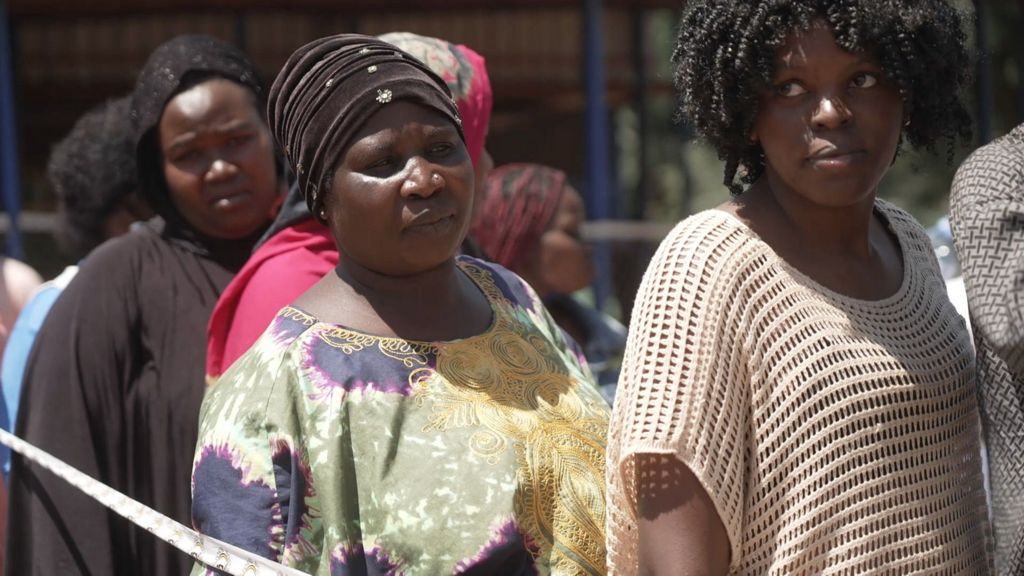
The technological breakdown precipitated long, snaking queues at numerous polling centers, testing the patience of citizens eager to cast their ballots in this high-stakes political contest. Electoral officials scrambled to implement contingency measures, including manual verification processes, to mitigate the escalating crisis. Despite these efforts, the delays compounded logistical challenges already facing the election administration.
This electoral event features President Yoweri Museveni, who has maintained an uninterrupted tenure since 1986, confronting his most formidable opposition challenge in decades. The technical difficulties have raised serious questions about the electoral commission’s preparedness and have drawn sharp criticism from opposition representatives monitoring the proceedings.
International observers and local watchdog organizations have expressed concerns regarding how these technological failures might impact the election’s overall credibility and transparency. The electoral commission has acknowledged the issues while maintaining that these are isolated incidents rather than systemic failures, emphasizing their commitment to ensuring every legitimate voter exercises their democratic right.