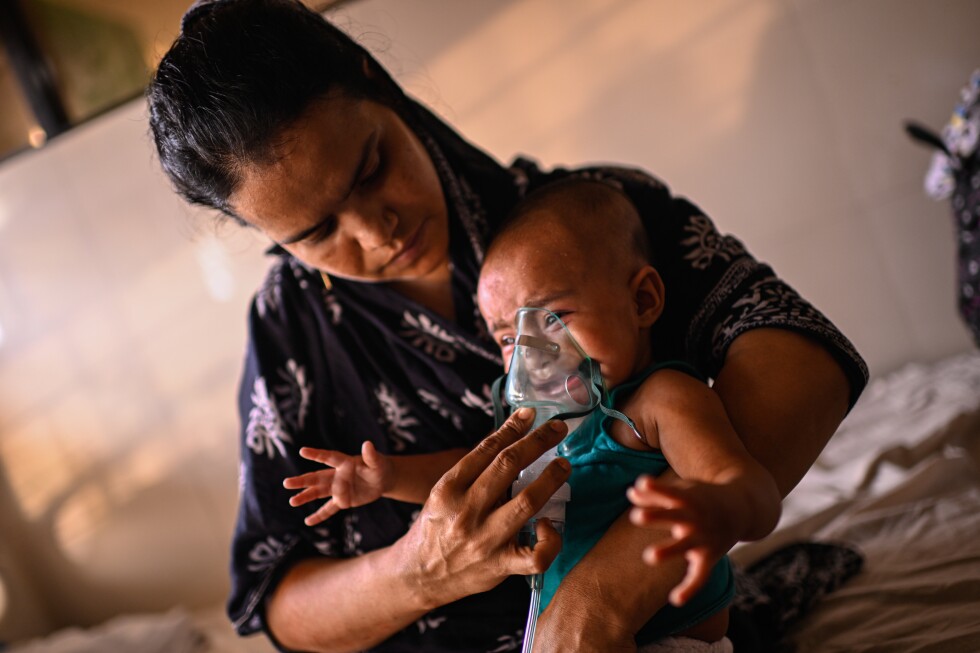
A deadly measles outbreak that has claimed the lives of more than 100 children in less than a month has prompted Bangladesh to roll out an urgent immunization campaign, as public health authorities work to contain the fast-spreading infection. In a collaborative effort between the Bangladeshi government and global health partners including the World Health Organization (WHO), UNICEF, and Gavi, the Vaccine Alliance, the campaign began Sunday targeting children between 6 months and 5 years old across 18 high-risk districts. The initiative will expand to all regions of the country in phased stages starting next month, according to a joint official statement.
As of mid-March, Bangladeshi health officials have recorded more than 7,500 suspected measles cases, with over 900 confirmed infections in the South Asian nation of 170 million people. Rana Flowers, UNICEF’s representative in Bangladesh, emphasized the organization’s deep alarm over the sharp surge in cases, which disproportionately endangers the country’s youngest and most medically vulnerable populations. “This resurgence highlights critical immunity gaps, particularly among zero-dose and under-vaccinated children, while infections among infants under nine months, who are not yet eligible for routine vaccination, are especially alarming,” Flowers said.
Per WHO guidelines, measles is an extremely contagious airborne viral illness that triggers fever, respiratory distress, and a distinct full-body rash. The infection can lead to severe life-threatening complications, particularly for young children. Widespread vaccination is the only effective way to halt transmission, but WHO data notes that 95% population coverage is required to achieve herd immunity and stop sustained spread.
Bangladesh’s current Health Minister Sardar Mohammed Sakhawat Husain told Parliament Monday that the current outbreak stems from systemic mismanagement and failures by previous administrations. He alleged that the ousted government of former Prime Minister Sheikh Hasina, followed by the interim administration led by Nobel Peace Prize winner Muhammad Yunus, failed to maintain adequate vaccine stockpiles, leading to shortages that affected measles vaccines and six other routine childhood immunizations. The ongoing immunization program was further disrupted by the country’s recent period of political upheaval: Hasina was removed from office in a mass popular uprising in 2024, and Yunus’s interim government only transferred power to a newly elected administration after February’s general election.
Public health officials are now urging parents to seek immediate hospital care for any child showing suspected measles symptoms, warning against self-treatment with unregulated medications from local shopkeepers. F. A. Asma Khan, deputy director of Dhaka’s Infectious Diseases Hospital, stressed that any child experiencing a high fever above 38.3°C (101°F) should be evaluated by professional medical staff immediately. “Instead, they must take the child to a hospital as soon as possible, because our medical officers are capable of providing proper basic treatment,” Khan said.
Bangladesh has made significant progress in childhood immunization over the past four decades: following the launch of a national mass immunization campaign in 1979, the country raised full immunization coverage from just 2% to 81.6% today. Still, UNICEF warned in a 2023 report that despite these gains, stark immunization disparities remain across different population groups and regions, leaving millions of children at risk of vaccine-preventable diseases like measles.